EA189 / CAAA Engine
- Engine
- 1968 cm3
- Aspiration
- Turbocharger, Intercooler
- Fuel
- Diesel
- Fuel injection system
- Diesel Commonrail
- Power
- 84 hp @ 3500 rpm
- Torque
- 220 Nm
- Cylinders
- 4
- Valves
- 16, 4 per cylinder
- Cylinders position
- Inline
- Valvetrain
- DOHC
- Oil capacity
- 7 l
- Coolant
- 11 l
- Systems
- Particulate filter
# Vehicles powered by this engine
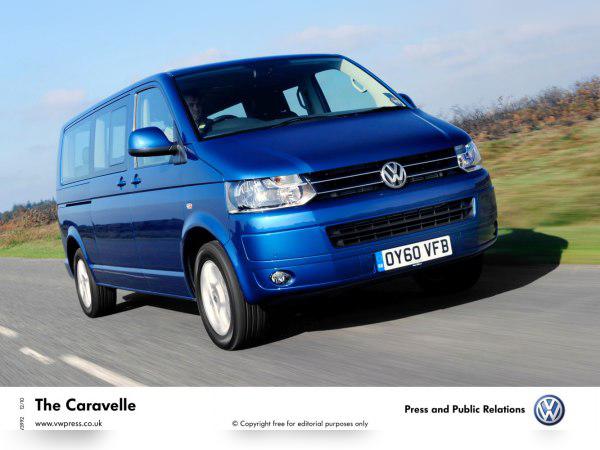
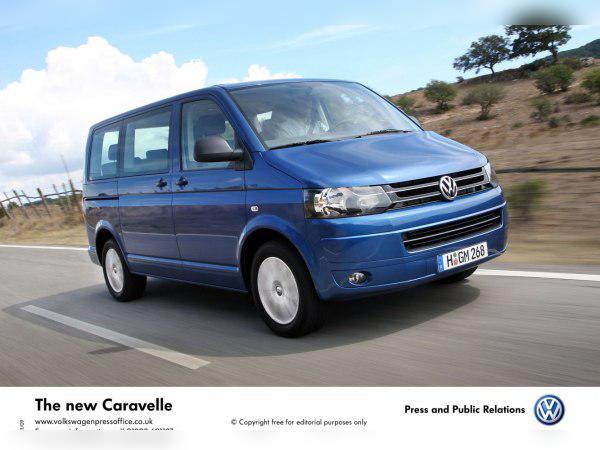

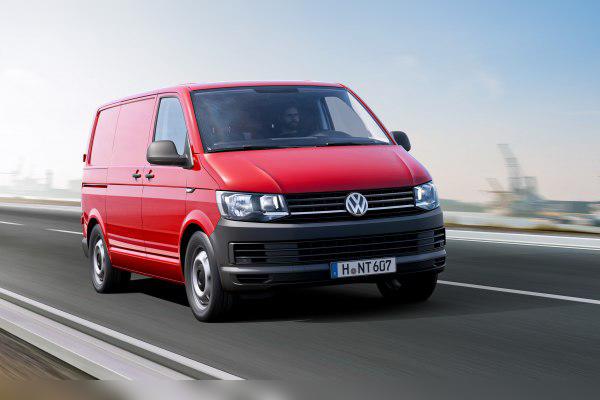
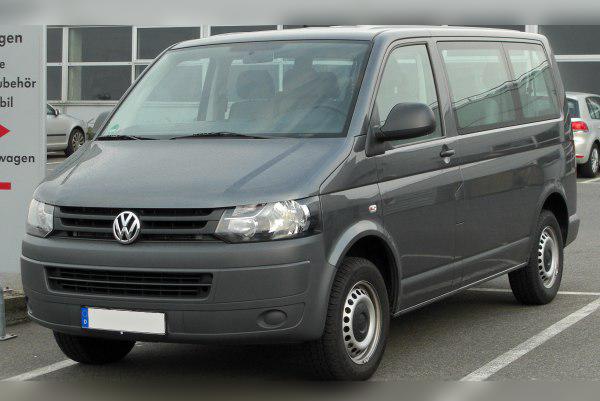
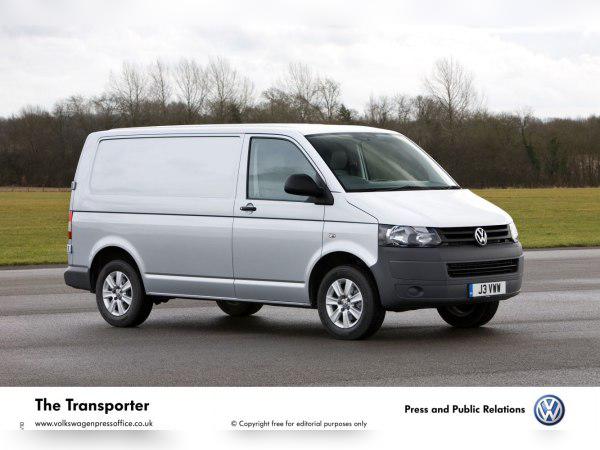
2.0 TDI (CAAA) 84 HP – EA189: Experiences, problems, fuel consumption and buying tips
Key points (TL;DR)
- Weakest version: With only 84 HP and 220 Nm, this is the base engine for the T5/T6. It is extremely slow, but “indestructible” if not abused.
- Huge tuning potential: Hardware is almost identical to the more powerful versions (102 HP and 140 HP), so by “unlocking” the software you can easily get over 130 HP.
- Reliability: The EA189 Common Rail system is far more reliable than the old Pumpe-Düse engines. Injectors are durable.
- DPF and EGR issues: Since this vehicle is often used for city deliveries, clogging of the emission systems is a matter of time, not a question of if.
- Transporter T6 and AdBlue: In newer T6 variants, the AdBlue system is an additional complication that can cause expensive problems.
- Gearbox: Comes with a 5-speed manual gearbox that keeps the revs high on the highway.
Contents
- Introduction and applications
- Technical specifications
- Reliability and maintenance
- Specific parts and costs
- Fuel consumption and performance
- Additional options and modifications
- Gearbox and transmission
- Buying used and conclusion
Introduction: A workhorse with no racing ambitions
The engine with the code CAAA belongs to the famous EA189 family of Volkswagen diesels. This is the entry-level, weakest version of the 2.0 diesel that replaced the legendary 1.9 TDI engines in the commercial vehicle range. It was installed in the facelifted VW Transporter T5 (from 2009) and its successor, the VW Transporter T6.
Its main purpose is not comfortable long-distance cruising, but hard work in urban conditions, transporting workers to construction sites or “last mile” deliveries. It is important to note that although it shares displacement with the engines from the Passat or Golf, the van version has a different oil sump, oil pump and reinforced components in order to withstand heavy-duty use.
Technical specifications
| Specification | Data |
|---|---|
| Engine displacement | 1968 cc (2.0 l) |
| Power | 62 kW / 84 HP |
| Torque | 220 Nm at 1250–2500 rpm |
| Engine code | CAAA (EA189 generation) |
| Injection system | Common Rail (direct injection) |
| Charging | Turbocharger (VGT – Variable Geometry) + Intercooler |
| Euro standard | Euro 5 (T5 Facelift) / Euro 6 (T6 with AdBlue) |
Reliability and maintenance
Timing belt or chain?
This engine uses a timing belt to drive the camshaft. This is good news because the system is quieter and cheaper to maintain than the problematic chains on some other VW engines. The water pump must always be replaced together with the belt.
Major and minor service
The factory recommendation for the major service (replacement of belt, tensioners and water pump) is at 210,000 km. However, experienced mechanics and real-world use have shown that this is overly optimistic, especially for a van that is driven under load. The recommendation is to do the major service at 160,000 to 180,000 km or at a maximum of 5–6 years of age.
Minor service is done every 15,000 km (fixed interval) or up to 30,000 km (LongLife variable interval). For a used vehicle, forget LongLife – change the oil every 10,000 to 15,000 km. This engine takes about 7.0 liters of engine oil (the amount varies slightly depending on the filter, but the sump is significantly larger than on passenger cars). You must use 5W-30 oil with the VW 507.00 specification (because of the DPF filter).
Oil consumption
Common Rail engines are much better than the old PD engines in this regard. Between two services, it is normal for the engine to consume 0.5 to 1 liter of oil, especially if the van is often driven on the highway under heavy load. If it consumes more than that, the turbocharger and piston rings should be checked first.
Injectors and fuel injection
The system uses Common Rail injection (usually Continental/Siemens or Bosch, depending on the year). The injectors have proven to be very durable and often last over 300,000 km without issues, provided that quality fuel is used. Symptoms of bad injectors are hard starting, rough idle and increased fuel consumption. Refurbishment is possible, but not cheap (depending on the market, expect 150–250 EUR per injector for refurbishment).
Most common failures
- EGR valve: Due to frequent city driving and low revs (economical driving), the EGR valve gets clogged with soot. The symptom is a “Check Engine” light and loss of power.
- Exhaust gas pressure sensor (G450): A very common and inexpensive failure that can falsely indicate a DPF problem.
- Oil cooler: Oil and coolant can mix if the oil cooler gasket fails.
- High-pressure pump (CP4): Although less common on this weaker version, Bosch CP4 pumps are sensitive to poor-quality diesel. If the pump seizes, it sends metal shavings through the entire system, which requires replacement of everything (injectors, tank, lines) – a financially catastrophic repair.
Specific parts (costs)
Dual-mass flywheel
Yes, this engine combined with a manual gearbox almost always has a dual-mass flywheel (DMF). Although the engine has modest torque (220 Nm), a dual-mass flywheel is used for comfort and to protect the gearbox. Because of the low power, drivers often “stretch” gears or drive at too low revs, which destroys the flywheel. The cost of replacing the clutch kit with the flywheel is significant (450–800 EUR, depending on the manufacturer and market).
Turbocharger
There is a single turbocharger. On the 84 HP version it is relatively unstressed. Its lifespan is long, often over 250,000 km, provided that the oil is changed regularly. Failures are usually related to the actuator (electronics) or the variable geometry that gets stuck due to soot.
DPF and AdBlue
All models (both T5 facelift and T6) have a DPF filter. On T5 models (Euro 5), regeneration is passive and active. On T6 models (Euro 6), there is also an AdBlue (SCR) system.
Important note for the T6: The AdBlue system is a frequent source of headaches. Heaters in the AdBlue tank often fail, as does the dosing pump. Repairs are expensive because the entire tank module is often replaced.
Fuel consumption and performance
Is the engine “lazy”?
Let’s be honest: Yes, the engine is extremely sluggish. 84 HP in a vehicle that weighs almost 2 tons empty and over 3 tons fully loaded is the bare minimum. Acceleration to 100 km/h takes an “eternity” (around 20 seconds). Overtaking on country roads requires serious planning and a long straight.
Fuel consumption
- City driving: Expect between 8.5 and 10 liters/100 km. Although the engine is small, you often have to floor the throttle for the van to keep up with traffic.
- Open road (rural roads): This is where it is most economical, around 6.5–7.5 liters/100 km.
- Highway (130 km/h): Consumption rises sharply to 9–11 liters/100 km due to poor aerodynamics and high revs (the 6th gear is missing).
Highway behavior
Cruising at 130 km/h is possible, but unpleasant. The engine will be revving high (often over 3000 rpm) because the 5-speed gearbox has short ratios. Sound insulation in cargo versions is poorer, so cabin noise is tiring. The ideal cruising speed for this engine is 100–110 km/h.
Additional options and modifications
Chip tuning (Stage 1) – The secret weapon
This is the best part of the CAAA story. For cost-saving reasons, VW used identical hardware (block, head, turbo, injectors) for the 84 HP, 102 HP and often even the 140 HP versions (depending on model year and sub-variant). The difference lies only in the ECU software.
This means that with a simple Stage 1 remap, this engine can safely be raised to 130 to 140 HP, and torque from 220 Nm to over 320 Nm. This drastically changes the character of the vehicle, reduces fuel consumption (because you no longer have to “floor it”) and makes driving much more pleasant. It is recommended to have this done at a reputable tuner in order to preserve the clutch.
Gearbox
The 84 HP engine is almost always paired with a 5-speed manual gearbox. The DSG automatic is rare with the weakest engine (it usually comes with 140 HP and above), but there are special orders.
- 5-speed manual: Robust and precise. The most common issues are the shift cables, which can seize, and the second-gear synchro if the vehicle is driven harshly. It is recommended to change the gearbox oil every 100,000 km, even though VW claims it is “lifetime”.
- Clutch: As mentioned, due to the lack of power, drivers often “burn” the clutch when starting uphill under load.
Buying used and conclusion
When buying a T5 or T6 with this engine, pay attention to:
- Flywheel noise: Listen for metallic knocking when the engine is being switched off or when the clutch pedal is pressed halfway.
- Exhaust smoke: Black smoke indicates injector or EGR problems, while white smoke may mean a DPF issue or coolant consumption.
- Diagnostics (VCDS): Always check DPF load (soot mass) and injector corrections.
- Service history: Check when the timing belt was last replaced.
Conclusion:
The 2.0 TDI (CAAA) 84 HP engine is ideal for companies that need a reliable urban workhorse and do not care about performance. It is extremely durable if regularly maintained. However, if you are planning family trips, highway driving or towing a trailer, this engine will disappoint you with its power – unless you plan to do chip tuning right away, which turns it into an excellent engine for little money (since the weaker models are usually cheaper to buy).
Was this content useful to you?
Your opinion helps us to improve the quality of the content.