CNXA Engine
- Engine
- 1598 cm3
- Aspiration
- Naturally aspirated engine
- Fuel
- Petrol / Ethanol - E85
- Fuel injection system
- Multi-port manifold injection
- Power
- 110 hp @ 5750 rpm
- Torque
- 155 Nm @ 4000 rpm
- Power ethanol E85
- 120 hp @ 5750 rpm
- Torque ethanol E85
- 165 Nm @ 4000 rpm
- Cylinders
- 4
- Valves
- 8, 2 per cylinder
- Cylinders position
- Inline
- Oil capacity
- 4.5 l
# Vehicles powered by this engine
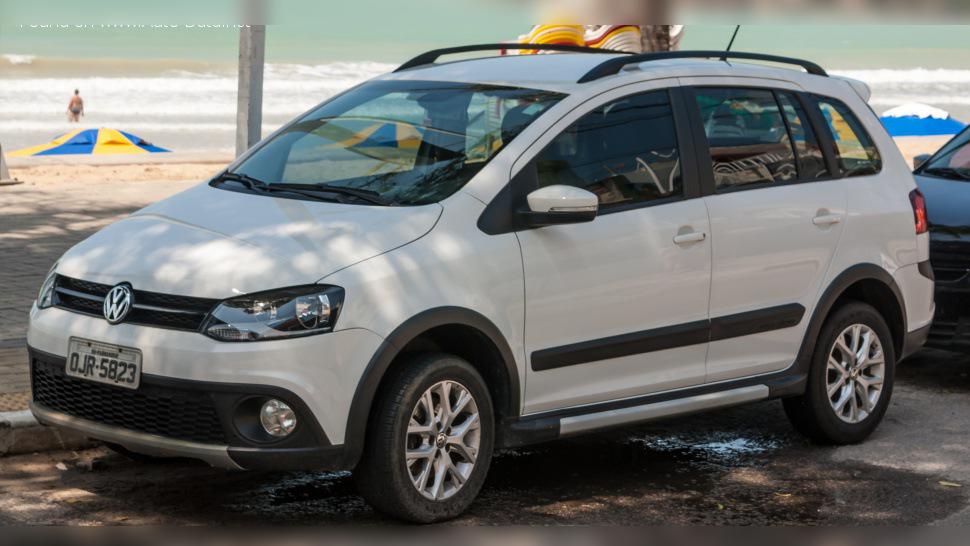
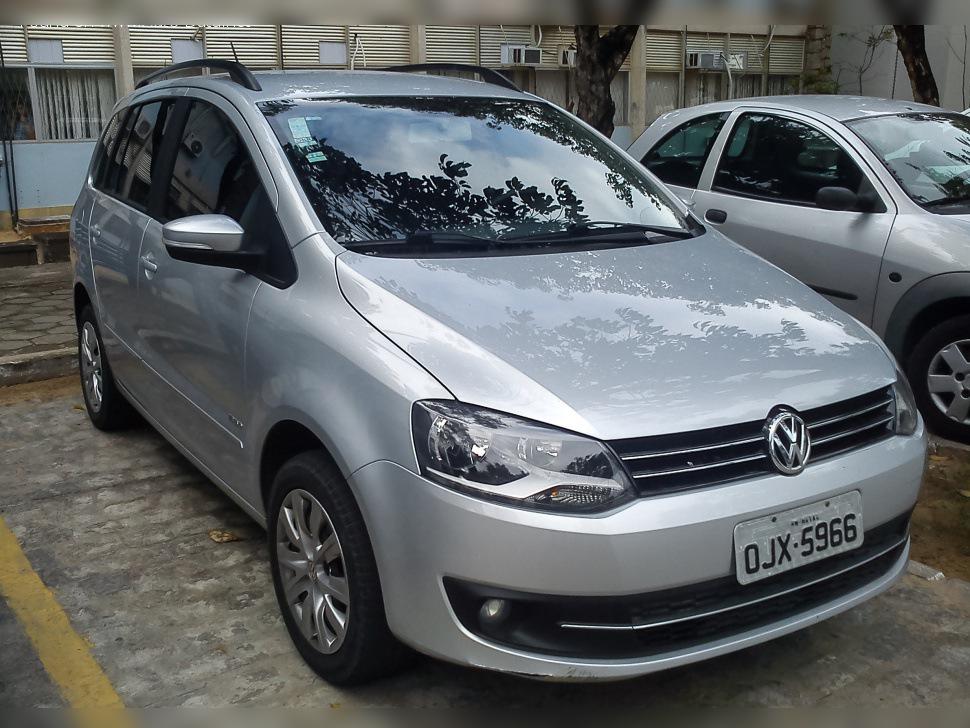

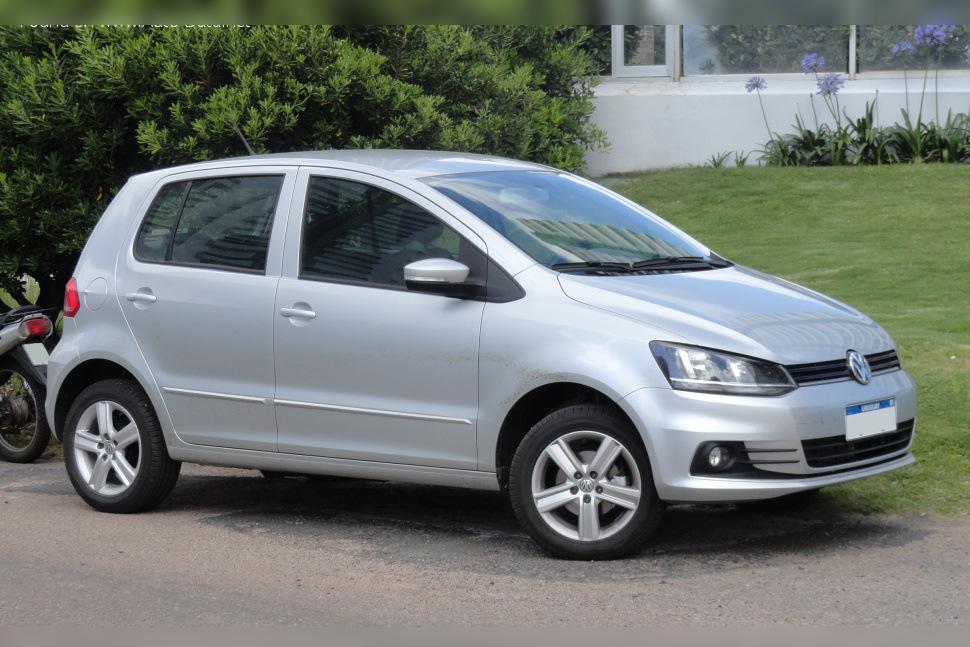
VW 1.6 MSI 16V (CNXA) – Experiences, issues, fuel consumption and buying used
Volkswagen’s engine with the code CNXA, better known as 1.6 MSI 16V, represents an interesting step forward compared to the older, legendary 1.6 8V engines. This unit belongs to the more modern EA211 engine family, which brought an aluminum block and head, variable valve timing and a significant reduction in weight. It was primarily developed for South American markets (Brazil, Argentina), where it was installed in models such as Fox, SpaceFox, CrossFox and Saveiro. Although it is a naturally aspirated engine without a turbo, its 16-valve technology allows it to “breathe” better at higher revs compared to its predecessors. Is this the ideal “workhorse” for everyday driving or a modern, complicated petrol engine? Find out below.
Key points (TL;DR)
- Reliability: Very high. As a naturally aspirated engine without a turbo, it has fewer parts that can fail.
- Timing system: Uses a timing belt, not a chain.
- Fuel: Flex-fuel (TotalFlex) technology allows it to run on gasoline and ethanol (E85), with higher power output on ethanol.
- LPG: An ideal candidate for LPG conversion due to indirect injection.
- Gearbox: Be cautious with “I-Motion” automated manuals; conventional manuals are excellent.
- Maintenance: Parts prices are average, but specific components may be harder to source in Europe if the model was not officially sold there.
- Recommendation: An excellent choice for those who want simple mechanics in a more modern package.
Contents
- Technical specifications
- Reliability and maintenance
- Specific parts (costs)
- Fuel consumption and performance
- Additional options and modifications
- Gearbox
- Buying used and conclusion
Technical specifications
| Characteristic | Data |
|---|---|
| Engine code | CNXA (EA211 family) |
| Displacement | 1598 ccm |
| Configuration | Inline, 4 cylinders, 16 valves (DOHC) |
| Power (Gasoline / Ethanol) | 81 kW (110 hp) / 88 kW (120 hp) |
| Torque | 155 Nm (at 4000 rpm) |
| Aspiration | Naturally aspirated |
| Injection type | MPI (Multi-point indirect injection) |
| Engine block | Aluminum |
Reliability and maintenance
The CNXA engine is considered one of the more reliable units in VW’s lineup for developing markets. Since it does not have complex systems such as a turbocharger or high-pressure direct injection, it is “mechanic-friendly”. Still, as part of the EA211 family, it shares certain characteristics with European TSI engines, but in a simplified form.
Timing belt or chain?
Unlike older EA111 engines, which often used a chain (known to cause issues), the CNXA engine uses a timing belt. This is good news because the system is quieter and generally more reliable in this generation.
- Major service: For EA211 engines, VW often specifies very long inspection intervals (up to 210,000 km for the first check in Europe), but for markets with poorer fuel quality and harsher operating conditions, as well as for engines running on E85, the recommendation is to perform a major service every 90,000 to 120,000 km or at the latest every 5 to 6 years of belt age. A snapped belt leads to catastrophic engine failure (piston-to-valve contact).
Most common issues
Although robust, the CNXA has its weaknesses:
- Thermostat housing and water pump: This is a plastic module prone to cracking or deforming due to heat cycles. The symptom is loss of coolant (antifreeze) under the intake manifold. It is recommended to replace the entire housing together with the thermostat.
- Ignition coils: As with most petrol engines, coils can fail, causing jerking while driving and illuminating the “Check Engine” light.
- Oil leaks: Although less common than on older engines, oil leaks can appear at the crankshaft seal or valve cover after higher mileage.
Oil and spark plugs
- Oil quantity and grade: The engine takes approximately 4.0 to 4.5 liters of oil (always check the dipstick). Fully synthetic 5W-40 meeting VW standards is recommended (e.g. VW 502.00 for fixed intervals). If you drive in very hot regions, viscosity is crucial.
- Oil consumption: Modern 16V engines are “tighter”, but VW allows consumption up to 0.5 l/1000 km in the manual. In practice, a healthy engine should not consume more than 0.5 to 1 liter between services (over 10,000–15,000 km). Increased consumption may indicate issues with piston rings or valve stem seals.
- Spark plugs: Since this is a gasoline/ethanol engine, spark plugs are replaced every 40,000 to 60,000 km. If you run E85 (ethanol), the interval may be shorter due to different combustion characteristics.
Specific parts (costs)
Maintaining the CNXA engine is generally affordable (depending on the market), as it lacks the most expensive components of modern diesels or turbo petrol engines.
- Dual-mass flywheel: This engine is paired with gearboxes that most often use a solid flywheel. The 155 Nm of torque is not high enough to require an expensive dual-mass flywheel, which significantly reduces clutch replacement costs.
- Fuel injection system: Uses classic MPI (Multi-Point Injection) into the intake manifold. Injectors are simple, cheap to clean and rarely fail. They are not as sensitive as direct injectors on TSI/FSI engines.
- Turbocharger: The engine does not have a turbocharger. This eliminates a potential cost of several hundred euros for turbo, intercooler and related hoses repair.
- DPF and EGR: There is no DPF filter (it’s not a diesel). It has a catalytic converter that can fail if driven with bad spark plugs/coils. EGR function is often handled via variable valve timing (internal recirculation), so there is no classic EGR valve that clogs with soot like on older models.
- AdBlue: This system is not present on this engine.
Fuel consumption and performance
The CNXA 1.6 MSI offers a good balance, but do not expect miracles from a naturally aspirated engine in the turbo era.
City and highway driving
- City consumption: In city driving you can expect a real-world consumption of 8.5 to 10.5 l/100 km on gasoline. If you use ethanol (E85), consumption increases by around 30%, so count on 11–13 l/100 km.
- Performance (sluggishness): With 110 hp (and up to 120 hp on ethanol), the engine is not sluggish for the Fox or SpaceFox body. These cars are relatively light. However, since it is naturally aspirated, you have to rev it (over 3500 rpm) to get power for overtaking. At low revs it may feel more lethargic compared to 1.0 TSI engines, which have turbo lag but a stronger torque punch.
- Highway: At 130 km/h the engine spins at relatively high revs (often around 3500–4000 rpm in 5th gear), which can increase cabin noise. Models with a 6-speed gearbox have an advantage here, as they ease the load on the engine. Cruising is comfortable, but fuel consumption rises exponentially with speed due to the aerodynamics of these “Cross” models.
Additional options and modifications
LPG conversion
This is an excellent engine for LPG conversion. Thanks to the MPI injection system, installation is simple, cheaper (standard sequential systems) and the engine handles LPG very well. There is no need for expensive “liquid phase” systems as on TSI engines. Power loss is negligible, while savings are substantial.
Remapping (Stage 1)
Since the engine is naturally aspirated, remapping is not really worth it for the average user. The power gain is minimal (usually 5 to 8 hp and 10–15 Nm), which you will barely notice in everyday driving. Throttle response can be improved, but do not expect a transformation like with turbo engines.
Gearbox
This is perhaps the most important point when buying a vehicle with the CNXA engine.
- Manual gearbox: Most commonly the MQ200 (5 or 6 speeds). These gearboxes are precise, light and very reliable. Failures are rare, and the clutch kit is replaced depending on driving style (usually lasts over 150,000 km). Replacement is not expensive.
- Automatic (robotized I-Motion): In models such as the Fox and SpaceFox (2015+), “Automatic” often means the ASG (Automated Shift Gearbox), marketed as I-Motion. This is NOT a true automatic, but a manual gearbox operated by a robot.
- I-Motion issues: Jerking when moving off, slow gear changes, clutch overheating in traffic jams and failures of the hydraulic actuator (robot). Robot repairs are expensive (often over 500–1000 EUR, depending on the market).
- True automatic (Tiptronic): Later versions or specific models (such as some Saveiro Cross variants) may have a 6-speed Aisin (AQ250) automatic with a torque converter. This is a much better and more reliable option than I-Motion, but it also requires an oil change every 60,000 km.
Buying used and conclusion
When buying a used car with the CNXA engine, pay attention to the following:
- Cold start check: Listen for hydraulic lifters (ticking). A few seconds is normal, but if it lasts longer, the engine may have been run on poor-quality oil.
- Coolant: Check the coolant reservoir. If the level is low or there are traces of leaks around the engine, suspect the thermostat/pump housing.
- Type of gearbox: If you are buying an “automatic”, be sure to check whether it is I-Motion (robotized) or Tiptronic. Avoid I-Motion if you want smooth driving and low maintenance costs.
- Timing belt service history: If there is no proof of replacement and the car has over 100,000 km, immediately factor in the cost of a major service.
Conclusion: The VW 1.6 MSI (CNXA) is a very rational choice. It offers “old-school” reliability in a more modern package. It is ideal for drivers who cover a lot of mileage, want simplicity, the option of cheap LPG driving and do not demand sporty performance. Avoid robotized gearboxes and you will enjoy low running costs.
Was this content useful to you?
Your opinion helps us to improve the quality of the content.