EA288 evo Engine
- Engine
- 1968 cm3
- Aspiration
- Turbocharger, Intercooler
- Fuel
- Diesel
- Fuel injection system
- Diesel Commonrail
- Power
- 116 hp
- Torque
- 300 Nm
- Cylinders
- 4
- Valves
- 16, 4 per cylinder
- Cylinders position
- Inline
- Valvetrain
- DOHC
- Systems
- Start & Stop System, Particulate filter
# Vehicles powered by this engine
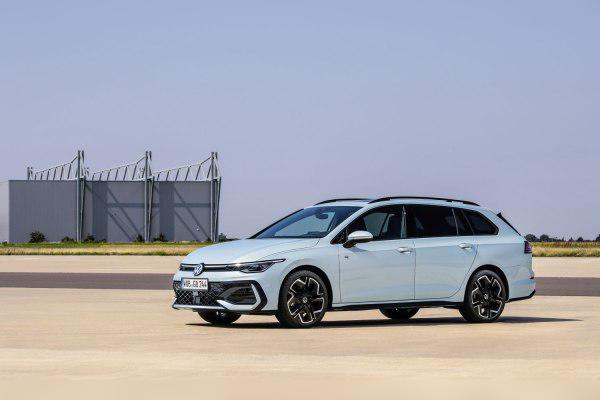
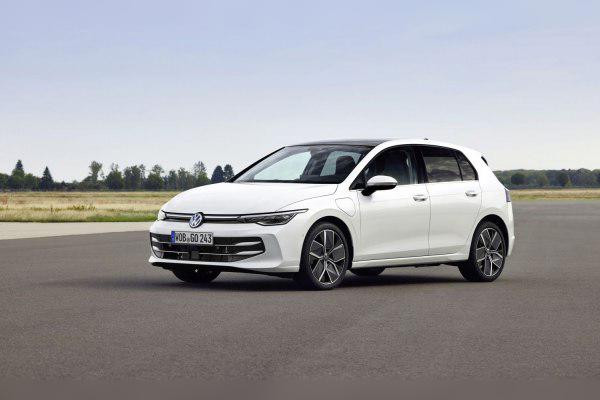
2.0 TDI EA288 evo (116 HP) – Experiences, problems, fuel consumption and used car buying guide
The Volkswagen Golf 8 (especially the 2024 facelift version) brought an interesting change under the hood that many drivers didn’t immediately notice. The legendary but often criticized 1.6 TDI has been retired, and its place has been taken by a “detuned” 2.0 TDI EA288 evo. This is excellent news for buyers of both used and new cars.
Why? Because you get a robust engine block designed to handle much higher loads (150 or 200 HP), but in a relaxed 116 HP version. However, modern environmental requirements have brought complex exhaust after-treatment systems that can be a headache. In this article we analyze every bolt of this engine.
Key points in short (TL;DR)
- Replacement for 1.6 TDI: This is a “de-tuned” 2.0 engine, which means it is mechanically unstressed and very durable.
- Torque: With 300 Nm, it has significantly more low-end pull than the old 1.6 TDI (250 Nm).
- Twin Dosing AdBlue: It has two AdBlue catalysts. Environmentally clean, but with twice as many components that can fail.
- Fuel consumption: Extremely low; on the open road it easily drops below 4.5 l/100 km.
- Major service: The timing belt is replaced at long intervals, but the water pump can be a weak point.
- Recommendation: An ideal engine for those who drive a lot of kilometers and want low fuel and registration costs.
Contents
- Technical specifications
- Reliability and maintenance
- Specific parts and costs
- Fuel consumption and performance
- Additional options and modifications
- Gearbox (manual and DSG)
- Used car buying and conclusion
Technical specifications
| Parameter | Data |
|---|---|
| Engine designation | EA288 evo (various codes, e.g. DTRB, DTRD) |
| Displacement | 1968 ccm (2.0 litres) |
| Power | 85 kW / 116 HP |
| Torque | 300 Nm at 1600–2500 rpm |
| Induction | Turbocharger (VGT) + intercooler |
| Injection | Common Rail (up to 2200 bar) |
| Emissions | Euro 6d-ISC-FCM (Twin Dosing AdBlue) |
Reliability and maintenance
Belt or chain?
The EA288 evo engine uses a timing belt to drive the camshafts. This is good news because the system is quieter and generally cheaper to maintain than the complex chains that plagued some older VW engines. The timing belt also drives the high-pressure fuel pump.
Major service and intervals
The factory interval for timing belt replacement is often optimistically set at 210,000 km. However, as an experienced editor, I advise you to shorten this interval. I recommend replacing the complete kit (belt, tensioners, rollers and the water pump) at a maximum of 160,000 to 180,000 km or 5–7 years of age. The water pump is variable (electronically controlled) and is known to start leaking or seizing before the belt itself.
Oil and oil consumption
This engine takes approximately 5.5 to 5.7 litres of oil (depending on the exact engine code and oil pan). You must use 0W-30 or 0W-20 grade oil with specification VW 507.00 or the newer VW 509.00 (LongLife IV). Check the exact specification in the vehicle’s manual because new engines are sensitive to viscosity.
As for oil consumption, the EA288 evo has been significantly improved. Consumption of 0.5 litres per 10,000 km is considered completely normal and acceptable. If the engine uses more than 1 litre between minor services (which should be done every 15,000 km; I do not recommend 30,000 km LongLife intervals), this may indicate a problem with the piston rings or the turbo.
Most common failures
Although mechanically robust, the peripherals can cause issues:
- AdBlue system: Pumps, heaters and urea injectors are sensitive. Crystallization of AdBlue fluid can clog the system.
- Electronics: In the Golf 8, problems often aren’t in the engine itself but in the software that controls the engine and sensors. False warning lights on the dashboard are possible.
- Water pump: Plastic housings and the variable mechanism can fail, causing overheating or coolant leaks.
Specific parts (costs)
Dual-mass flywheel
Yes, this engine has a dual-mass flywheel (DMF). Although it has “only” 116 HP, the 300 Nm of torque requires a dual-mass flywheel to neutralize vibrations and protect the gearbox. Its lifespan is usually around 200,000 km, but city driving can wear it out earlier. Symptoms include metallic noise when switching off the engine and vibrations in the clutch pedal.
Turbocharger and injection
The engine uses a single variable geometry turbocharger (VGT). It is not heavily stressed because the engine is limited by software. With regular oil changes and proper turbo cooldown after fast driving (idling for 1 minute), the turbo lasts as long as the engine.
The injectors are electromagnetic (solenoid), usually Bosch or Continental. They are cheaper to refurbish and more durable than the old piezo injectors. Expect a service life of over 250,000 km with good-quality fuel.
DPF, EGR and AdBlue (Twin Dosing)
This is the most complex part in terms of emissions. The EA288 evo uses Twin Dosing technology – meaning there are two SCR catalysts that inject AdBlue. One is right next to the engine, the other under the floor of the vehicle.
- DPF filter: It rarely clogs if the car is driven on the open road. City driving kills it.
- EGR valve: There are high- and low-pressure circuits. The EGR cooler can crack and mix coolant with exhaust gases.
- AdBlue: The system is mandatory. If it fails (pump, NOx sensor), the car will refuse to start after a certain number of kilometres. Maintenance includes topping up quality AdBlue and occasionally using additives against crystallization.
Fuel consumption and performance
Is the engine “lazy”? Absolutely not. Don’t be fooled by the 116 HP figure. The key is the 300 Nm of torque available from just 1600 rpm. In real-world driving, this engine “pulls” better than many 150 HP petrol engines. For the Golf 8 body (even the estate), there is more than enough power for overtaking and fast motorway driving.
Real-world fuel consumption
- City driving: Expect between 5.5 and 6.5 l/100 km, depending on traffic and the Start-Stop system.
- Open road (single carriageway): This is where the engine shines. It is possible to bring consumption down to 3.5–4.0 l/100 km.
- Motorway (130 km/h): Consumption is around 4.5–5.2 l/100 km.
At 130 km/h, in the highest gear (6th in the manual or 7th in the DSG), the engine spins at a low 1800–2000 rpm, which guarantees cabin quietness and low fuel consumption.
Additional options and modifications
Chiptuning (Stage 1)
This is probably the best engine for chiptuning in VW’s range. Why? Because this engine (in most hardware components) is identical to the more powerful 150 HP version. The factory has simply “strangled” it in software.
With safe remapping (Stage 1), power can easily be raised to 150–160 HP, and torque to 360–380 Nm, without significantly affecting engine longevity, provided that the clutch and flywheel can cope with it.
Gearbox
With this engine in the Golf 8 (facelift), there are two options:
1. Manual gearbox (6-speed)
Designation MQ281. Very precise and robust. Failures are rare and mostly limited to the clutch kit as a wear item. The factory does not prescribe an oil change in the gearbox (“lifetime”), but it is recommended to change it every 100,000 km to preserve the bearings.
2. Automatic DSG gearbox (7-speed)
Most commonly the DQ381 (wet clutch) is fitted. This is a major improvement over the old DQ200 (dry clutch) that was used with weaker engines. The DQ381 is designed for higher torque and is much more reliable.
- Maintenance: The oil in the DSG gearbox must be changed every 60,000 to 120,000 km (depending on the exact sub-version, but do it at 60k km to be safe).
- Failures: If the oil is not changed, the mechatronics (the “brain” of the gearbox) and the clutch packs fail. Repairs are expensive (depending on the market, but think “very expensive”).
Used car buying and conclusion
If you’re looking at a Golf 8 with this engine, focus on the following:
- Cold start: Listen for knocking noises from the gearbox area (dual-mass flywheel).
- Coolant reservoir: Check the coolant level. If it’s low, it could be the water pump or the EGR cooler.
- Diagnostics: Be sure to check the condition of the DPF filter (how many grams of ash it contains) and whether there are any faults related to the AdBlue system.
Conclusion: The VW 2.0 TDI EA288 evo with 116 HP is probably the most rational choice for the average European driver. It offers the reliability of a larger engine block, low fuel consumption and entirely adequate performance. It is a better choice than the old 1.6 TDI in every respect, except for the complexity of the exhaust system. If you drive more than 15,000 km per year, this is the engine for you.
Was this content useful to you?
Your opinion helps us to improve the quality of the content.