EA211 evo2 / DXDE Engine
- Engine
- 1498 cm3
- Aspiration
- Turbocharger, Intercooler
- Fuel
- Petrol (Gasoline)
- Fuel injection system
- Direct injection
- Power
- 116 hp
- Torque
- 220 Nm
- Cylinders
- 4
- Valves
- 16, 4 per cylinder
- Cylinders position
- Inline
- Valvetrain
- DOHC
- Oil capacity
- 4.3 l
- Systems
- Start & Stop System, Cylinder deactivation system, Particulate filter
# Vehicles powered by this engine
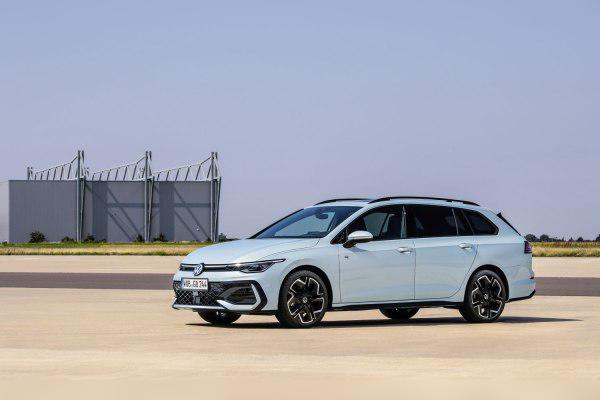
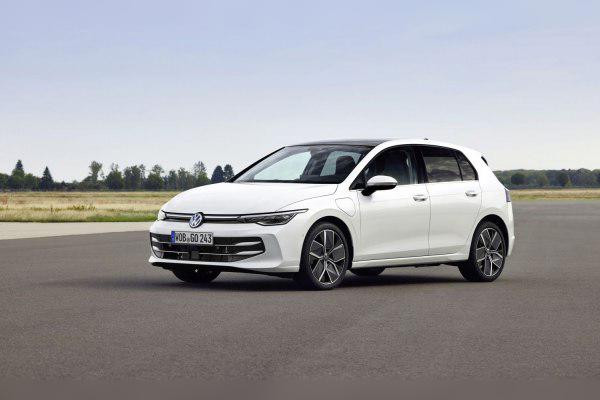
1.5 TSI EA211 evo2 (116 PS): Experiences, problems, fuel consumption and is it better than the 1.0 TSI?
1. Most important in short (TL;DR)
- Biggest advantage: This is a 4‑cylinder engine that replaces the 3‑cylinder 1.0 TSI in the base versions of the Golf 8.5 – it is much smoother and more refined.
- Technology: It features the ACTplus system that deactivates two cylinders to save fuel and an advanced VTG turbocharger.
- Gearbox: eTSI versions come with a DSG gearbox with dry clutches (DQ200) – it requires care in city driving.
- Maintenance: Uses a timing belt (not a chain) with a very long replacement interval.
- Fuel consumption: Extremely economical for a petrol engine of this size, often comparable to diesels on the open road.
- Recommendation: An excellent choice for drivers who want comfort and quietness and are not interested in racing.
Contents
- Introduction and engine applications
- Technical specifications
- Reliability and maintenance
- Specific parts and costs
- Fuel consumption and performance
- Additional options (LPG, tuning)
- Gearbox (manual vs DSG)
- Buying used and conclusion
Introduction: Back to the right size
The 1.5 TSI EA211 evo2 engine with the code DXDE and an output of 116 PS (85 kW) is a very important step for the Volkswagen Group. In the facelifted Golf 8 (2024+), this engine essentially replaces the tiny 1.0 TSI three‑cylinder. This is a move that we mechanics and car enthusiasts welcome as “right‑sizing” – returning to an optimal displacement.
Although it has “only” 116 horsepower, the fact that it is a 1.5‑liter four‑cylinder block means the engine runs more relaxed, quieter and with fewer vibrations compared to its predecessor. It comes in two versions: the classic TSI (usually with a manual gearbox) and eTSI (a mild hybrid with a 48V system) which is always paired with a DSG gearbox.
Technical specifications
| Parameter | Value |
|---|---|
| Displacement | 1498 cc (1.5 L) |
| Power | 85 kW / 116 PS |
| Torque | 220 Nm at 1500–3000 rpm |
| Engine code | DXDE (EA211 evo2) |
| Injection | Direct (TSI / GDI) – up to 350 bar |
| Charging | VTG turbocharger + intercooler |
| Cylinders / Valves | 4 / 16v |
Reliability and maintenance
Timing belt or chain?
This engine uses a timing belt. With the EA211 series, Volkswagen abandoned the problematic chains that caused chaos on the old 1.2 and 1.4 TSI engines (EA111). The belt on this engine is reinforced and designed to last a very long time. Although the manufacturer often states “lifetime” or huge mileages (over 200,000 km) for the first inspection, experienced mechanics recommend doing the major service at around 180,000 km to 210,000 km, or every 8 to 10 years in time, whichever comes first.
Most common failures
Since the “evo2” version is relatively new (2024+), long‑term issues are only just emerging, but based on the “evo1” engine family, we can expect the following:
- Carbon build‑up on intake valves: As with any direct‑injection engine, the valves are not “washed” by fuel. Over time this can lead to rough running. The solution is periodic cleaning (“decarbonisation” or walnut shell blasting at higher mileages).
- ACT system electronics: The cylinder deactivation system has been improved (ACTplus), but the camshaft actuators are complex components that can fail.
- Coolant leaks: On its predecessors this occurred at the thermostat housing (which is plastic). It is important to monitor coolant level.
- Oil consumption: Generally not as alarming as it once was, but the thin oil (0W‑20) can “evaporate” more quickly under hard driving.
Oil and spark plugs
The engine takes approximately 4.3 liters of oil (always check the exact amount when filling). The recommended grade is exclusively 0W‑20 with the specification VW 508.00 / 509.00. This oil is “like water” and is crucial for the proper operation of the hydraulic lifters and turbocharger.
Oil consumption: Up to 0.5 liters per 10,000 km is considered perfectly normal. If it uses more than 0.3–0.5 liters per 1,000 km (as the manufacturer sometimes covers themselves), this is a sign of problems with the piston rings or turbo.
Spark plugs: Due to direct injection and high temperatures, the spark plugs are iridium and more expensive. They are replaced every 60,000 km or 4 years. Do not postpone replacement because a bad spark plug can destroy an ignition coil (which is expensive).
Specific parts (costs)
Dual‑mass flywheel and clutch
Yes, this engine has a dual‑mass flywheel. It is necessary to neutralise vibrations, especially when the engine is running in two‑cylinder mode (ACT mode). Although it is a petrol engine, the flywheel is under load here. On DSG versions, the flywheel is specific and replacement can be expensive (depends on the market, but count on it as a serious service job).
Turbo and injection
A major innovation on the 1.5 TSI evo2 (even in this 116 PS version) is the VTG turbocharger (variable turbine geometry). This is technology previously reserved for diesels and Porsche petrol engines. It provides excellent throttle response, but the unit itself is significantly more expensive and more complex to overhaul than a regular wastegate turbo. Service life is long if the cool‑down procedure after fast driving is respected.
The injection system operates at pressures up to 350 bar. The injectors are sensitive to poor fuel quality. Injector failure manifests itself as jerking or a “Check Engine” light. They are not as problematic as on old diesels, but replacement is not cheap.
GPF, EGR and AdBlue
This engine DOES NOT have AdBlue (that is only for diesels). However, it does have a GPF (Gasoline Particulate Filter) – the petrol equivalent of a DPF. The GPF rarely clogs because petrol burns cleaner and at a higher temperature than diesel. If you drive only in the city, an occasional motorway run is enough for regeneration. There is an EGR valve and it is integrated into a complex thermal management system; it rarely causes problems before 150,000 km.
Fuel consumption and performance
Real‑world fuel consumption
This is one of the most economical petrol engines on the market. Thanks to the Miller‑cycle‑like operating principle and cylinder deactivation:
- City driving: Expect between 6.5 and 8.0 l/100 km, depending on traffic. The eTSI (hybrid) helps here because it switches the engine off when decelerating and pulling away.
- Country roads (up to 90 km/h): It is possible to get down to an impressive 4.5–5.0 l/100 km.
- Motorway (130 km/h): Consumption is around 5.8–6.5 l/100 km.
Is the engine “lazy”?
With 116 PS and 220 Nm, this engine is not lazy for the average driver. The 220 Nm of torque is available from low revs, which means it pulls nicely in town. The 0–100 km/h time is just under 10 seconds, which is perfectly acceptable for a family estate or hatchback. It is not a sports car, but it will not disappoint you when overtaking if you drop down a gear.
At 130 km/h the engine is quiet and runs at relatively low revs (below 3000 rpm in top gear), which makes for comfortable cruising.
Additional options and modifications
LPG conversion
Not recommended / Not cost‑effective. Due to direct injection, an expensive system is required (liquid‑phase system or a system that mixes petrol and LPG to cool the injectors). Given the low petrol consumption, the payback period for an LPG system would be too long unless you drive 40–50,000 km per year. You also lose boot space.
Chip tuning (Stage 1)
Since this is almost the same hardware as the more powerful 150 PS version (with possible minor differences in alloys or turbo, depending on the exact revision), the tuning potential is high. It can safely be taken to around 140–150 PS and about 250–280 Nm.
Warning: New VW models (2024+) have SFD protection on the engine ECU which is difficult and expensive to unlock, and any modification immediately voids the factory warranty.
Gearbox: manual and DSG
Types of gearboxes
- Manual: 6‑speed gearbox. Precise and easy to use. Series designation MQ200 or MQ281. Very reliable.
- Automatic (DSG): 7‑speed dual‑clutch. Designation DQ200.
Problems with DSG (DQ200)
This is a key point. With the 116 PS and 220 Nm engine, VW installs the DQ200 gearbox with dry clutches. Throughout its history this gearbox has been problematic. Although the newer versions are much better calibrated in terms of software:
- Symptoms of failure: Jerking when moving off, rattling noises over bumps, delay when engaging reverse.
- Mechatronics: The “brain” of the gearbox. Sensitive to overheating in stop‑and‑go traffic. Repair is very expensive.
- Clutches: As they are dry, they wear faster than on “wet” DSG gearboxes. Replacing the clutch set is a regular maintenance item at higher mileages (usually 150k–200k km, but in city driving sometimes earlier).
Gearbox service: Officially, the manual gearbox has no oil change interval, but a change at 100,000 km is recommended. For the DQ200 (dry DSG), VW says the oil does not need changing, but any serious mechanic will tell you to change the oil in the mechatronics and gear section every 60,000–80,000 km to extend its service life.
Buying used and conclusion
What to check before buying?
- Noise on cold start: The engine should run smoothly. If you hear metallic rattling or uneven running until it warms up, this may indicate a problem with the cylinder actuators or hydraulic lifters.
- Test drive (ACT system): When driving at a constant speed and lifting off the throttle, a “2‑cylinder mode” or “Eco” indicator will appear on the dash. At that moment you should not feel a strong jerk or vibration. The transition must be seamless.
- Gearbox (for DSG): Gently drive uphill without pressing the accelerator (creeping). If the car shudders, the clutches are near the end of their life.
Conclusion: Should you buy it?
The 1.5 TSI evo2 (116 PS) is an excellent modern engine. It is a much better choice than the old 1.0 TSI because it offers the refinement of four cylinders with the same or even lower fuel consumption.
It is ideal for drivers who spend most of their time in suburban driving and on open roads, where its efficiency really shines. If you are buying a new or nearly new used car, this is the “sweet spot”. The only real concern is the (dry) DSG gearbox if you plan to drive exclusively in heavy city traffic – in that case, the manual gearbox is the cheaper long‑term option in terms of maintenance.
Was this content useful to you?
Your opinion helps us to improve the quality of the content.