EA888 / DJJA Engine
- Engine
- 1984 cm3
- Aspiration
- Turbocharger, Intercooler
- Fuel
- Petrol (Gasoline)
- Fuel injection system
- Direct injection
- Power
- 292 hp
- Torque
- 380 Nm
- Cylinders
- 4
- Valves
- 16, 4 per cylinder
- Cylinders position
- Inline
- Valvetrain
- DOHC
- Oil capacity
- 5.7 l
- Coolant
- 10 l
- Systems
- Start & Stop System
# Vehicles powered by this engine
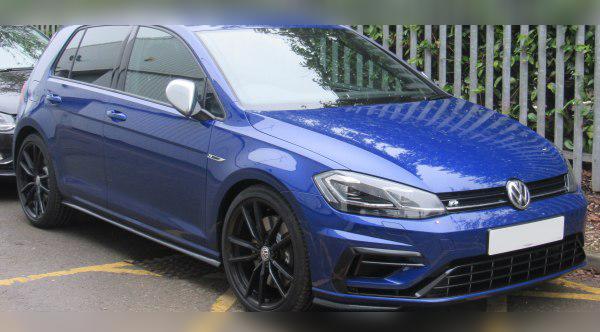
Volkswagen 2.0 TSI (EA888 Gen 3 / DJJA) – Experiences, issues, fuel consumption and maintenance
Key points (TL;DR):
- Performance: This is the high-output version of the EA888 engine. Explosive power and huge tuning potential.
- Drivetrain: Paired with the 4MOTION (Haldex) system, which requires regular maintenance of the pump strainer (often neglected).
- Biggest weakness: The thermostat housing and water pump are made of plastic and prone to leaking/cracking.
- Timing: Uses a timing chain which is much more reliable in this Gen 3 version, but still requires stretch checks.
- Gearbox: DSG is recommended for its speed and durability. The manual gearbox has a factory “weak” clutch that slips under more aggressive driving.
- Recommendation: Ideal for enthusiasts who want a sporty car usable every day, provided they don’t skimp on high-quality oil and fuel.
Contents:
- Introduction and applications
- Technical specifications
- Reliability and maintenance
- Specific parts and systems
- Fuel consumption and performance
- Tuning and LPG
- Gearbox and drivetrain
- Used-buying tips and conclusion
Introduction: The heart of the Golf R
The engine code DJJA belongs to the third generation (Gen 3) of the renowned EA888 family of Volkswagen engines. Specifically, this 292 hp (215 kW) variant is most commonly found in facelift Golf VII R models (from 2017 onwards), intended for certain markets (such as North America or regions with warmer climates), while European models often came with 300 or 310 hp ratings.
Regardless of the small power difference compared to the strongest European versions, this is technically an identical engine with the large IS38 turbocharger, reinforced internals and a fuel injection system ready for high performance. This is not the regular 2.0 TSI from the Golf GTI; this is a beast tailored for all-wheel drive.
Technical specifications
| Parameter | Value |
|---|---|
| Displacement | 1984 cc (2.0 L) |
| Power | 215 kW (292 hp) @ 5400 rpm |
| Torque | 380 Nm @ 1800–5300 rpm |
| Engine code | DJJA (EA888 Gen 3) |
| Fuel injection system | Direct injection (TSI / FSI) |
| Induction | Turbocharger (IHI IS38) + intercooler |
| Camshaft drive | Chain (timing chain) |
| Cylinders/valves | 4 / 16v |
Reliability and maintenance
Timing system: Chain or belt?
The EA888 DJJA engine uses a timing chain. Unlike the notorious earlier generations (Golf 6 GTI), the third generation has a significantly improved tensioner and chain design. Still, the chain is not eternal. It doesn’t need to be replaced preventively at low mileage, but it is recommended to check chain stretch via diagnostics or the inspection window on the cover every 100,000 km. If you hear rattling on cold start that lasts longer than 2–3 seconds, it’s time for replacement.
Most common failures and weak points
Although the engine is mechanically robust (block and pistons can handle a lot of power), the peripheral components are problematic:
- Water pump and thermostat housing: This is the Achilles’ heel of this engine. The housing is plastic and deforms over time from heat, which leads to coolant leaks. Symptoms include coolant loss without visible puddles under the car (it evaporates on the block) or a sweet smell in the cabin.
- PCV valve (oil separator): When the membrane tears, the engine may whistle, idle roughly, or have increased oil consumption due to poor crankcase pressure regulation.
- Oil leaks: Often occur at the plastic oil pan or valve cover.
Major and minor service
With chain-driven engines there is no classic “major service” (timing belt replacement) at a fixed interval. However, the serpentine belt, tensioners and water pump should be inspected and replaced as needed, usually between 100,000 and 120,000 km.
Minor service (oil and filters): The manufacturer often specifies “Long Life” intervals of 30,000 km, which is disastrous for this engine. Given the high performance and thermal load, change the oil and oil filter at no more than 10,000 km or once a year.
Oil: Capacity and consumption
The engine holds approximately 5.7 liters of oil. The recommended viscosity is usually 5W-30 or 0W-30 with specification VW 504.00 / 507.00.
Does it burn oil? Gen 3 engines are drastically better than their predecessors in this regard. However, under aggressive driving (which the Golf R is built for), consumption of 0.5 to 0.8 liters per 5,000 km is considered acceptable. If it burns a liter per 1,000 km, there is an issue with the piston rings or turbo.
Spark plugs and coils
On a stock vehicle, spark plugs are replaced at 60,000 km. However, if you drive hard or have done a chip tune, reduce the interval to 30,000 km. Use only the recommended NGK or Bosch plugs, as poor-quality plugs can lead to detonation and piston damage.
Specific parts (costs)
Dual-mass flywheel
Yes, this engine has a dual-mass flywheel, regardless of whether it’s paired with a manual or DSG gearbox. On DSG models the flywheel usually lasts longer (often over 150,000–200,000 km), while on manuals the lifespan depends entirely on driving style. Symptoms of failure include metallic knocking at idle that disappears when you press the clutch (manual) or vibrations when shutting the engine off.
Fuel injection system and injectors
This engine uses a sophisticated high-pressure injection system. The injectors are generally reliable but sensitive to poor fuel quality.
Note: European EA888 Gen 3 engines often have dual injection (MPI + GDI), which helps keep intake valves clean from carbon buildup. However, engines for the North American market (which DJJA often is) sometimes have direct injection only. If that’s the case, carbon deposits on the intake valves are inevitable and require mechanical cleaning (walnut shell blasting) every 80,000–100,000 km to restore full power.
Turbocharger
The engine uses a large IHI IS38 turbocharger. It’s a powerful unit, but early versions (pre-2017) had issues with shaft failure. On 2017+ models this is rarer, but you still need to be careful. Lifespan depends on how it’s treated: proper warm-up before hard driving and letting the engine idle for a minute or two before shutdown are essential.
Emissions: DPF, EGR, GPF
Being a petrol engine, it has no DPF or AdBlue. EGR function is handled via variable valve timing (internal EGR), so there is no classic EGR valve that clogs up.
GPF (gasoline particulate filter): Models produced from late 2017 and during 2018 for the EU market started getting a GPF. Since DJJA is often used for non‑EU markets or early facelift cars, it likely does not have a GPF, which is good news for sound and potential flow restriction.
Fuel consumption and performance
Real-world fuel consumption
- City driving: Expect 11 to 14 l/100 km. In heavy traffic and on short trips, this is a thirsty engine.
- Country roads: It’s possible to get around 7.5–8.5 l/100 km with calm driving.
- Motorway (130 km/h): Consumption is around 8.5–9.5 l/100 km. With the 7‑speed DSG, the engine runs at pleasantly low revs (below 3000 rpm), while with the 6‑speed gearbox the revs are somewhat higher.
Driving impressions
The engine is anything but “lazy”. On the contrary, the combination of 380 Nm of torque available from low revs and all-wheel drive makes the Golf R launch like a catapult. Overtaking is effortless. The only “downside” of the IS38 turbo is a small amount of turbo lag at very low revs compared to the GTI, but once the turbo spools (above 3000 rpm), acceleration is brutal all the way to the redline.
Additional options and modifications
LPG conversion
In theory it’s possible to install an LPG system on direct-injection engines (liquid phase or systems that still inject some petrol), but it is very expensive (over €1000) and not recommended. This is a high‑performance sports engine; LPG can increase combustion temperatures and endanger the turbo or catalytic converter. If fuel savings are your priority, the Golf R is not the car for you.
Chiptuning (Stage 1)
This engine is a “tuning king”. With software only (Stage 1), without mechanical changes, power can be safely raised to 350–370 hp, and torque to over 450 Nm. The engine handles this very well, provided it is in perfect condition before remapping.
Gearbox and drivetrain
Manual vs automatic (DSG)
Two options come with the DJJA engine:
- 6‑speed manual: Offers a greater sense of involvement, but has a major flaw – the factory clutch is too weak. Even at stock power, aggressive launches can cause slipping and rapid wear. With tuning (Stage 1), upgrading to a reinforced clutch kit (e.g. Sachs Performance) is mandatory.
- DSG (DQ250 6‑speed or DQ381 7‑speed): Facelift 2017+ models started switching to the DQ381 (7‑speed). This is a wet‑clutch gearbox, extremely quick and reliable. It can handle much more torque than the manual clutch.
Gearbox and Haldex maintenance
- DSG service: Oil and filter in the DSG gearbox should be changed every 60,000 km (DQ250) or up to 120,000 km (DQ381, though earlier is recommended). Skipping this service leads to expensive mechatronic failures.
- Haldex coupling (4MOTION): This is crucial! The all‑wheel drive uses a Haldex pump. Haldex oil should be changed every 3 years or 45,000–60,000 km. Important: Although VW does not officially specify replacement/cleaning of the pump strainer, it must be removed and cleaned because it clogs with sludge, which leads to pump failure and loss of drive to the rear wheels.
Buying used and conclusion
When buying a used Golf R with this engine, make sure to check:
- Cold start: Listen to the chain. Any rattling is a red flag.
- Coolant leaks: Look under the intake manifold for traces of pink/white crust (thermostat housing leak).
- Launch control history: Diagnostics can show how many times Launch Control has been used. If the number is very high, expect a more worn drivetrain and gearbox.
- Exhaust smoke: Blue smoke under full throttle or on engine braking indicates a bad turbo or valve stem seals.
Conclusion:
Volkswagen’s 2.0 TSI (DJJA) is a fantastic piece of engineering. It offers the performance of a supercar from a decade ago in a practical hatchback package. Although maintenance is not cheap (especially brakes, tyres and specific parts like water pumps), this is one of the best all‑round engines on the market. It is ideal for those who know what they are driving and do not cut corners on quality servicing.
Was this content useful to you?
Your opinion helps us to improve the quality of the content.