EA888 / DKFA Engine
- Engine
- 1983 cm3
- Aspiration
- Turbocharger, Intercooler
- Fuel
- Petrol (Gasoline)
- Fuel injection system
- Direct injection
- Power
- 228 hp @ 5000 rpm
- Torque
- 350 Nm @ 1700 rpm
- Cylinders
- 4
- Valves
- 16, 4 per cylinder
- Cylinders position
- Inline
- Valvetrain
- DOHC-VVT
- Oil capacity
- 5.7 l
- Coolant
- 10 l
- Systems
- Particulate filter
# Vehicles powered by this engine
2.0 TSI (EA888 / DKFA) 228 HP – Experiences, problems, fuel consumption and buying tips
1. Most important in short (TL;DR)
- Performance: This is one of the best four-cylinder engines on the market. With 228 HP and 350 Nm, it offers a fantastic balance between power and fuel consumption.
- Timing drive: Uses a chain. On this generation (EA888 Gen 3) the chain stretching issues have been resolved, but it still requires high-quality oil.
- Main weakness: The thermostat housing and water pump are made of plastic and prone to cracking and coolant leaks.
- Oil consumption: Significantly lower than on older generations (e.g. in Golf 5 or 6), but with aggressive driving the engine can still "drink" a bit of oil.
- Gearbox: DSG is excellent but requires regular oil changes. The manual gearbox has a sensitive clutch if you plan to increase power (remap).
- Recommendation: An excellent choice for enthusiasts. It requires strict maintenance, but rewards you with a smile on your face.
Contents
- Introduction and Models
- Technical Specifications
- Reliability and Maintenance
- Specific Parts and Costs
- Fuel Consumption and Performance
- Additional Options and Modifications (Tuning)
- Gearbox: DSG vs Manual
- Buying Used and Conclusion
Introduction and Models
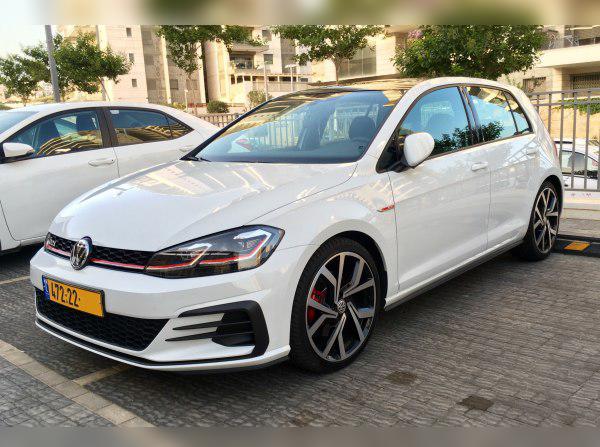
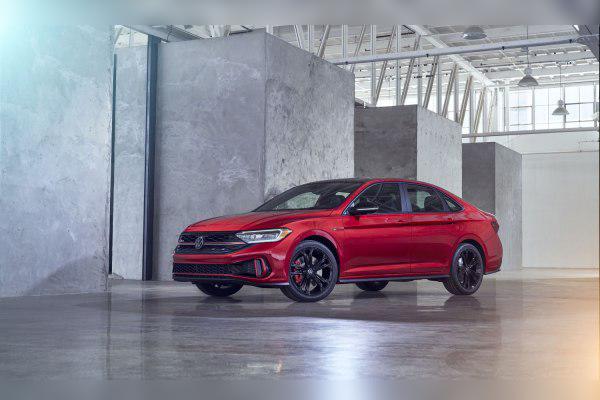
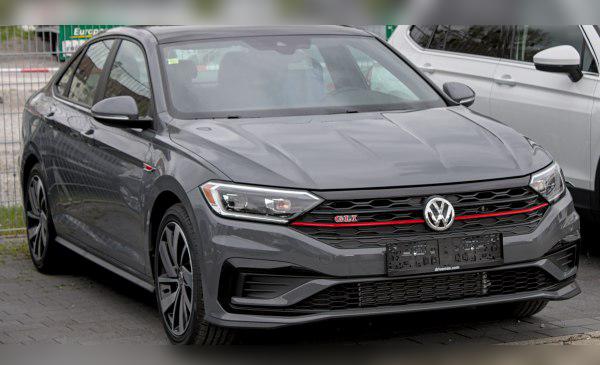
The engine with the code DKFA belongs to the third generation (Gen 3) of the famous Volkswagen EA888 engine family. This is not your average engine for a quick run to the grocery store; this is the heart of the legendary Golf GTI (facelift of the Mk7, better known as 7.5) and the sporty sedan Jetta GLI.
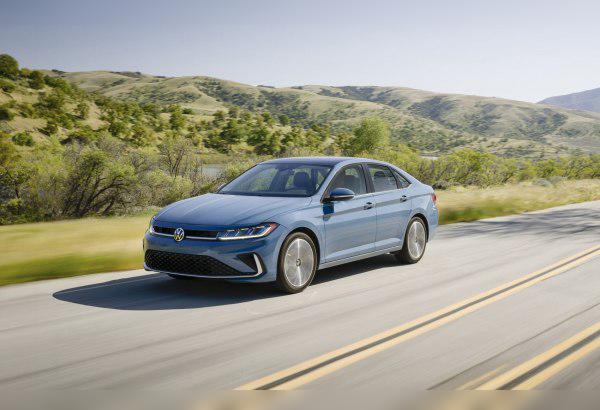
With its 228 horsepower, this unit represents the "golden middle ground" in the world of hot hatches. It was designed to correct the mistakes of its predecessors (excessive oil consumption and timing chain failures) and to offer explosiveness with reasonable fuel consumption. It is important to note that this engine is very common on the US market (Jetta GLI), but also in later series of European models.
Technical Specifications
| Specification | Value |
|---|---|
| Displacement | 1983 cc (2.0 L) |
| Power | 168 kW / 228 HP |
| Torque | 350 Nm at 1500–4600 rpm |
| Engine code | DKFA (EA888 Gen 3) |
| Injection type | Direct injection (TSI/FSI) |
| Forced induction | Turbocharger (IS20) + Intercooler |
| Number of cylinders/valves | R4 / 16v |
Reliability and Maintenance
Does this engine have a timing belt or a chain?
This engine uses a timing chain. Unlike the notorious EA888 Gen 2 series (which had catastrophic issues with chain tensioners), Gen 3 engines like the DKFA have a revised and much more reliable chain system. Still, the chain is not "lifetime". It is recommended to check its condition (stretch) via diagnostics after 150,000 km. Rattling at cold start is the first warning sign.
What are the most common failures on this engine?
The biggest weakness of this engine is the thermal management module (thermostat housing and water pump). It is made of plastic that deforms over time due to heating and cooling cycles, which leads to coolant leaks. The symptom is the smell of coolant under the hood or a dropping level of coolant in the expansion tank.
Another common problem is the PCV valve (oil vapor separator). When it fails, the engine may start consuming oil, run rough at idle, or trigger the "Check Engine" light. Also, due to direct injection, carbon builds up on the intake valves, which is solved by mechanical cleaning (so-called walnut blasting).
At what mileage is the major service done?
Since the engine has a chain, the classic "major service" (timing belt replacement) does not exist in that form. However, the serpentine belt (auxiliary belt) and its tensioners are usually replaced at around 100,000 - 120,000 km or as needed based on visual inspection. The timing chain is replaced only if it becomes noisy or diagnostics show stretching (usually only at high mileages, over 200,000 km, if maintenance has been good).
How many liters of oil does it take and which grade is recommended?
The engine takes approximately 5.7 liters of oil. For newer models (DKFA), the manufacturer often recommends 0W-20 (VW 508.00 standard) for fuel economy. However, many experienced mechanics and enthusiasts for this engine (especially in warmer climates or with spirited driving) recommend switching to 5W-30 or 5W-40 (VW 504.00 / 502.00) for better component protection at high temperatures.
Does it consume oil and what is normal?
EA888 Gen 3 is drastically better in this regard than the older versions. Still, this is a high-performance turbo engine. Consumption of about 0.5 liters per 5,000 to 7,000 km is considered completely acceptable and normal, especially if you drive aggressively. If it consumes one liter per 1,000 km, you have a problem (piston rings or turbo).
At what mileage should the spark plugs be changed?
On 2.0 TSI engines the spark plugs are under heavy stress. It is recommended to replace them every 60,000 km. If the car is remapped ("Stage 1"), the interval is shortened to 30,000 km, and "colder" spark plugs are often used (e.g. from the Audi RS7).
Specific Parts (Costs)
Does the engine have a dual-mass flywheel?
Yes, it does have a dual-mass flywheel, regardless of whether it is paired with a manual or DSG gearbox. Its role is to absorb the strong vibrations produced by this powerful four-cylinder. Replacement is expensive (depends on the market), and failure symptoms are metallic knocking when turning the engine off or rattling at idle that disappears when you press the clutch (on manuals).
What kind of injection system and injectors does it have?
The system is based on direct fuel injection under high pressure. The injectors are generally reliable, but sensitive to poor fuel quality. A faulty injector can cause a cylinder to be "washed" with gasoline, which destroys the oil film and the engine. In Europe, some EA888 engines have "dual injection" (both direct and port injection), which prevents carbon buildup, but the DKFA variant is often direct injection only.
Turbocharger and lifespan?
This engine uses an IHI IS20 turbocharger. It is very capable and spools up quickly. Its lifespan is long (over 200,000 km) with regular oil changes and proper cooldown of the engine before shutting it off after fast driving. Early models (2014–2015) had issues with the turbo shaft, but DKFA engines (2017+) have revised, reliable units.
DPF, EGR and GPF?
This engine does not have a DPF (that’s for diesels), but models produced for the European market after 2018 have a OPF/GPF (Gasoline Particulate Filter) to meet strict emission standards. The GPF rarely clogs because exhaust gas temperatures on petrol engines are higher than on diesels, so passive regeneration is happening constantly. A classic EGR valve is often not present because variable valve timing is used for internal exhaust gas recirculation.
Does it have AdBlue?
No, it does not have AdBlue. AdBlue is used exclusively on diesel engines. This petrol engine does not require any additional fluids besides fuel, oil and coolant.
Fuel Consumption and Performance
Real-world city consumption?
Do not trust the official factory figures. In real city driving, with stop-and-go traffic, this engine consumes between 10 and 12 liters per 100 km. If you have a "heavy right foot", that figure easily goes up to 13–14 liters. Still, for 228 horsepower, this is acceptable.
Is the engine "lazy"?
Absolutely not. With 350 Nm of torque available from just 1500 rpm, this engine pulls hard from low revs. The Golf VII and Jetta GLI are not very heavy cars (around 1400 kg), so the feeling of acceleration is instant and convincing.
Behavior on the highway?
This is the natural habitat of this engine. Overtaking is easy and often does not even require downshifting. At 130 km/h, in the highest gear (6th on the manual or 7th on newer DSG gearboxes), the engine spins at about 2,000 - 2,200 rpm, which ensures a quiet cabin and fuel consumption of around 6.5 to 7.5 l/100km.
Additional Options and Modifications
LPG conversion?
Theoretically possible, but economically not worthwhile and not recommended. Since this is a direct-injection engine, it requires an expensive liquid-phase LPG system or a system that still uses about 15–20% gasoline to cool the petrol injectors. Considering the complexity and cost of installation (very expensive), LPG is not worth it on this engine unless you drive more than 50,000 km per year.
Remap (Stage 1)?
EA888 engines are kings of tuning. A Stage 1 map (software only) safely raises power from 228 HP to 300 - 310 HP and torque to over 440 Nm. The engine can handle this increase without any mechanical changes, provided it has been regularly maintained. However, keep in mind that the clutch on the manual gearbox will wear out faster.
Gearbox: Manual and DSG
Which gearboxes are fitted?
The DKFA engine is most commonly paired with:
1. 7-speed DSG (DQ381) – a more modern, wet-clutch gearbox, extremely fast and reliable.
2. 6-speed DSG (DQ250) – an older but proven variant (on earlier models).
3. 6-speed manual (MQ350) – for purists.
Most common gearbox issues?
DSG: The mechatronics unit is the most expensive component that can fail, but this is rarer on newer DQ381 gearboxes. If the oil is not changed regularly, the clutches wear out faster and the gearbox starts to shudder when taking off.
Manual: The gearbox itself is robust, but the stock clutch is not designed for very high torque, so with aggressive driving or a remap it can start slipping quite quickly.
Cost of clutch and dual-mass flywheel replacement?
The cost is high (depends on the market, but expect a serious expense). On DSG gearboxes the flywheel is replaced when it starts knocking, while the clutch pack (clutch plates) is replaced less frequently because it is oil-cooled and lasts longer than on a manual gearbox.
Gearbox service?
For DSG gearboxes (DQ250 and DQ381), oil and filter changes are mandatory every 60,000 km. Some manufacturers state 120,000 km for newer models, but in practice 60,000 km is the limit for long life. On the manual gearbox, the oil is not officially specified for replacement ("fill for life"), but it is strongly recommended to change it at around 100,000 km for smoother shifting.
Buying Used and Conclusion
When buying a Golf GTI or Jetta GLI with this engine, make sure to check:
- Signs of coolant leaks: Look under the intake manifold, around the thermostat housing.
- Timing chain noise: Listen to the engine at the first start (cold start). There must not be rattling longer than 1–2 seconds.
- DSG service history: If there is no proof that the gearbox oil has been changed, this is a big risk.
- Exhaust smoke: Bluish smoke under sudden acceleration may indicate a bad turbo or valve stem seals.
Conclusion:
The 2.0 TSI (228 HP) engine is a fantastic piece of engineering. It offers sports car performance with the civility needed for everyday use. If you are ready to accept somewhat higher maintenance costs (high-quality oil, spark plugs, potential water pump issues) in exchange for driving pleasure, this is the engine for you. It is intended for drivers who know what they are driving and do not skimp on maintenance.
Was this content useful to you?
Your opinion helps us to improve the quality of the content.