EA211 / DGEA Engine
- Engine
- 1395 cm3
- Aspiration
- Turbocharger, Intercooler
- Fuel
- Petrol / electricity
- Fuel injection system
- Direct injection
- Power
- 150 hp
- Torque
- 250 Nm
- Cylinders
- 4
- Valves
- 16, 4 per cylinder
- Cylinders position
- Inline
- Valvetrain
- DOHC
- Oil capacity
- 4 l
- Systems
- Start & Stop System, Particulate filter
# Vehicles powered by this engine
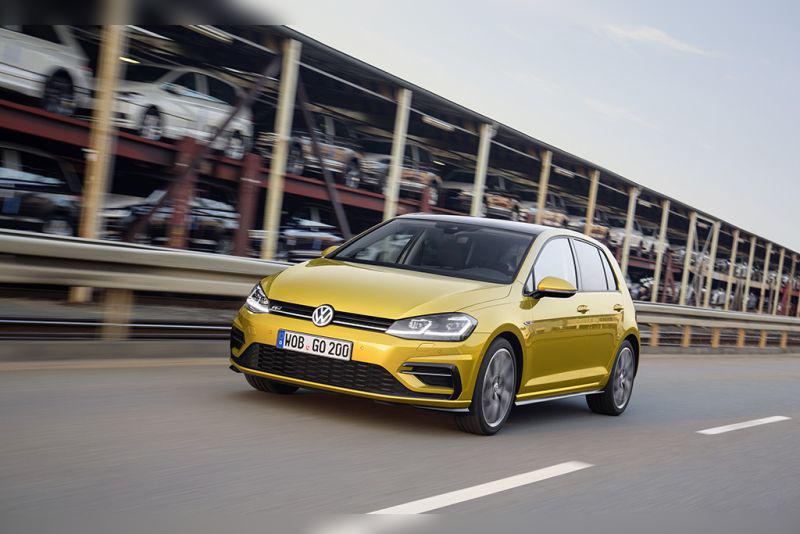
VW 1.4 TSI GTE (EA211 / DGEA) – Experiences, problems, fuel consumption and used-car buying tips
The Volkswagen Golf GTE and its 1.4 TSI Plug-in Hybrid powertrain represent an interesting bridge between classic hot hatches and full electrification. This text focuses on the heart of that system – the engine designated DGEA (EA211), which, in combination with the electric motor, offers GTI-level performance while promising low fuel consumption. Is this the ideal compromise or a technological maintenance nightmare?
Key points in short (TL;DR)
- Timing belt, not chain: Unlike the older (problematic) EA111 engines, this EA211 engine uses a timing belt, which is more reliable.
- Hybrid complexity: Maintenance is more expensive not because of the petrol engine itself, but due to the high-voltage system and the specific DSG gearbox.
- DQ400e gearbox: A specific 6-speed wet-clutch DSG with an integrated electric motor. Requires regular oil changes.
- Performance: System output of 204 hp (or more) provides excellent in-gear acceleration; the engine is anything but “lazy”.
- Fuel consumption: Varies drastically. With a full battery in the city: 0 l/100 km, with an empty battery on the motorway: 6–8 l/100 km.
- OPF/GPF filter: Facelift models (from 2017/2018) mostly have a gasoline particulate filter.
- Recommendation: An excellent choice for those who can charge the battery at home/at work. Without charging, the point of this engine is largely lost.
Contents
- Technical specifications
- Reliability and maintenance
- Specific parts and costs
- Fuel consumption and performance
- Additional options and modifications
- Gearbox (DQ400e)
- Buying used and conclusion
Technical specifications
| Parameter | Data |
|---|---|
| Engine code | EA211 / DGEA |
| Displacement | 1395 cc (1.4 litres) |
| Power (petrol engine) | 110 kW (150 hp) |
| System power (hybrid) | 150 kW (204 hp) – short-term “boost” |
| Torque (petrol) | 250 Nm |
| Charging method | Turbocharger + intercooler |
| Injection type | Direct injection (TSI) |
| Emissions standard | Euro 6 (often with OPF/GPF filter on facelift models) |
Reliability and maintenance
The EA211 generation of 1.4 TSI engines is drastically improved compared to its predecessors. Engineers have solved most of the early issues, but the hybrid system brings new challenges.
Timing belt or chain?
This is the most common question, and the good news is: This engine uses a timing belt. With the EA211 series, Volkswagen abandoned the unreliable timing chain that stretched and snapped on the old 1.4 TSI engines. The belt is reinforced and designed to last long, but it is not eternal.
Major service and spark plug replacement
The factory inspection interval for the timing belt is often set at 210,000 km, which is overly optimistic for real-world conditions. Experienced mechanics recommend replacing the timing kit (belt, tensioners, water pump) between 150,000 km and 180,000 km or every 5 to 7 years, whichever comes first.
Spark plugs on GTE models are specific because the engine often starts cold under high load (when the battery is empty or you accelerate hard). They should be replaced every 60,000 km, but if you drive more aggressively, shorten that to 40,000 km. Use only NGK or Bosch plugs specified in the catalogue.
Oil consumption and quantity
The sump holds about 4.0 litres of oil. The recommended viscosity is 5W-30 (VW 504.00/507.00) or the newer 0W-20 (VW 508.00) for newer models, although 5W-30 is often a better choice for engine protection at high temperatures.
Unlike older TSI engines, the EA211 should not consume oil in significant amounts. Consumption up to 0.5 litres per 10,000 km is acceptable. If it uses more (e.g. a litre per 2,000 km), that points to a problem with the piston rings or turbocharger, which is not standard at this mileage.
Most common failures
- Thermostat housing and water pump: This is a weak point of EA211 engines. The housing is plastic and over time it cracks or deforms, leading to coolant leaks. Symptom: dropping coolant level and a sweet smell of vapour under the bonnet.
- Turbo wastegate actuator: The electric actuator that controls turbo pressure can seize. Symptom: loss of power and “Check Engine” light (EPC fault).
- Intake valve carbon build-up: Due to direct injection, fuel does not wash over the intake valves. Over time, carbon deposits build up, which can reduce performance and cause rough running. Cleaning (walnut shell blasting) is needed at higher mileages (over 150k km).
Note on injectors: Injectors are generally reliable but sensitive to poor fuel quality. They can start to leak, which dilutes the engine oil with petrol.
Specific parts (costs)
Maintaining a GTE model is more expensive than a regular petrol car, but cheaper than some diesels in terms of certain components, while the hybrid system is a story of its own.
Dual-mass flywheel: Yes, this engine does have a dual-mass flywheel. Due to the frequent starting and stopping of the petrol engine while driving (switching from electric to petrol), the flywheel is under stress. Replacement is expensive (depends on the market, but think “expensive”).
Turbocharger: The engine has a single turbocharger integrated with the exhaust manifold. It is water-cooled, which extends its lifespan because cooling continues even after the car is switched off. In general it is durable, apart from the aforementioned actuator issue.
DPF / GPF / EGR:
Since this is a petrol engine, it does not have a classic DPF like diesels. However, models from 2017/2018 (facelift with OPF designation) have a GPF (Gasoline Particulate Filter) or OPF. It rarely clogs because exhaust gas temperatures on petrol engines are higher. Passive regeneration occurs during normal driving. There is no AdBlue system; that is reserved for diesels.
Fuel consumption and performance
This is where most of the confusion among buyers arises. Fuel consumption depends entirely on whether you charge the battery regularly.
City driving:
With a full battery: 0 l/100 km of petrol + electricity. The real electric-only range is about 30–40 km (much less in winter, around 20–25 km).
With an empty battery (operating as a conventional hybrid): Fuel consumption is around 6.0 to 7.5 l/100 km. Regenerative braking recovers energy, which helps in stop-and-go traffic.
Motorway:
This is not where the hybrid shines. At 130 km/h, the electric motor does not help much except during overtaking. Fuel consumption is around 7.0 to 8.5 l/100 km. The engine spins at a comfortable ~2,500 rpm (depending on gear) and is fairly quiet.
Performance (“laziness”):
The engine is absolutely not lazy. On the contrary. With the combined 250 Nm from the petrol engine plus the instant torque from the electric motor, the GTE really pulls from a standstill. In-gear acceleration is fantastic thanks to “GTE mode”, where both motors work together. The battery weight (about 120 kg more than a regular Golf) is noticeable only in fast corners, but in a straight line the car flies.
Additional options and modifications
LPG conversion:
Not recommended. Although it is technically possible to install a system for direct injection (liquid phase or with petrol contribution), on the GTE this is extremely complicated due to the hybrid system, lack of space (the battery is in the boot/floor) and complex electronics. Cost-effectiveness is questionable.
Remapping (Stage 1):
The 1.4 TSI engine can be mapped to around 170–180 hp (petrol engine only). However, be very careful. The DQ400e gearbox has a torque limit (around 400 Nm system output). Excessive power increase on the petrol side can shorten the lifespan of the gearbox and clutches, because the hybrid system already delivers a large amount of torque. Stage 1 is possible, but it is done at your own risk and requires mandatory gearbox software adjustment (TCU tuning).
Gearbox: DQ400e
In the GTE variant, this engine is paired exclusively with the automatic DSG gearbox designated DQ400e. It is a 6-speed gearbox with three clutches (two for the gears, one for disconnecting the electric motor from the petrol engine).
- Reliability: The gearbox is robust but more complex than standard units. Failures mostly relate to the mechatronics (the gearbox “brain”). If it fails, repairs are very expensive.
- Flywheel and clutches: As mentioned, it has a dual-mass flywheel. The clutch pack (clutch plates inside the gearbox) is replaced less often than on dry-clutch DSGs because it runs in oil, but when the time comes, the cost is high (depends on the market, very expensive).
- Servicing: Mandatory gearbox oil change every 60,000 km. This is critical. Do not skip this service under any circumstances, because dirty oil destroys the mechatronics and solenoids.
A manual gearbox is not available in combination with this hybrid system.
Buying used and conclusion
Buying a used Golf GTE with the 1.4 TSI engine requires careful inspection. It is not enough just to listen to the engine.
What to check before buying?
- High-voltage battery condition (SOH – State of Health): This is the most expensive component. Ask for a diagnostic report from an authorised dealer or hybrid specialist to see how much capacity is left.
- Transition between power sources: While driving, the switch from electric to petrol should be almost imperceptible. If you feel a strong jolt, bang or delay, the problem is likely in the separating clutch (K0 clutch) or the mechatronics.
- Coolant leaks: Check around the thermostat housing and water pump on the right-hand side of the engine (viewed from the front).
- Gearbox service history: If there is no proof that the DSG oil was changed at 60k km intervals, skip that car.
Conclusion:
The 1.4 TSI EA211 engine in GTE form is a technological gem, but not for everyone. It is intended for drivers who cover up to 30–40 km per day in the city (on electricity) and occasionally go on longer trips, and who want GTI-like performance without the 2.0-litre registration costs. If you have nowhere to charge it every night, you are just carrying the “dead weight” of the batteries and driving a complex car with the fuel consumption of a regular petrol. Maintenance is more expensive than on a regular 1.4 TSI due to the DSG and hybrid components, but the driving pleasure is guaranteed.
Was this content useful to you?
Your opinion helps us to improve the quality of the content.