CRLB, DCYA, DEJA, DFGA Engine
- Engine
- 1968 cm3
- Aspiration
- Turbocharger, Intercooler
- Fuel
- Diesel
- Fuel injection system
- Diesel Commonrail
- Power
- 150 hp
- Torque
- 340 Nm
- Cylinders
- 4
- Valves
- 16, 4 per cylinder
- Cylinders position
- Inline
- Valvetrain
- DOHC
- Oil capacity
- 4.7 l
- Systems
- Particulate filter
# Vehicles powered by this engine
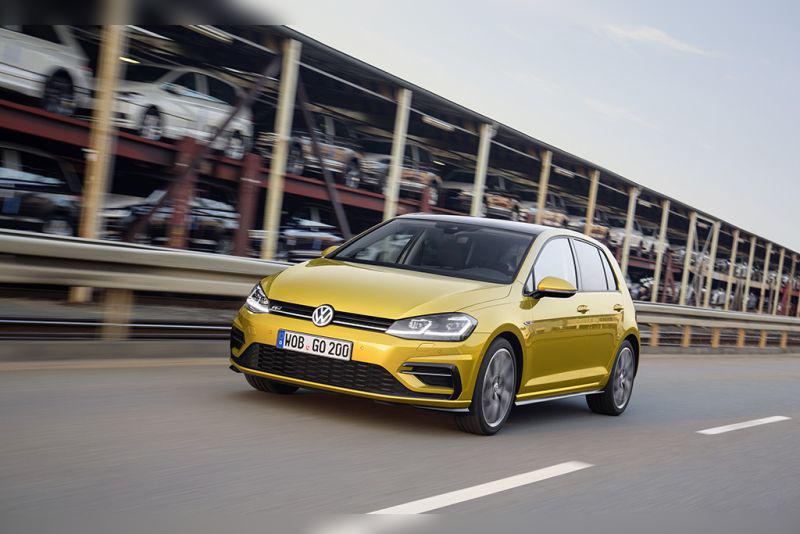
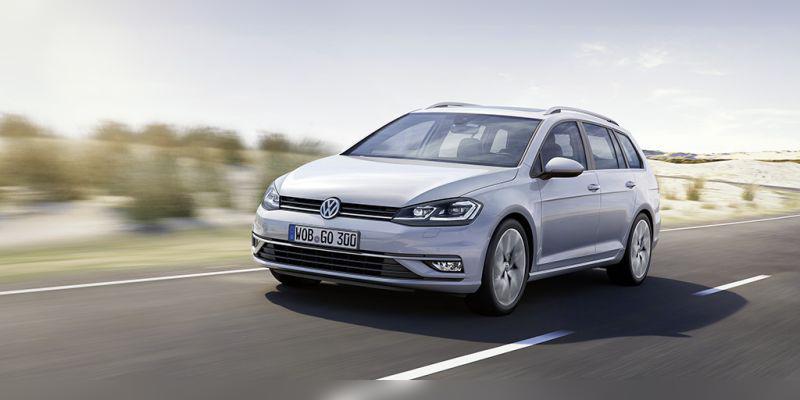
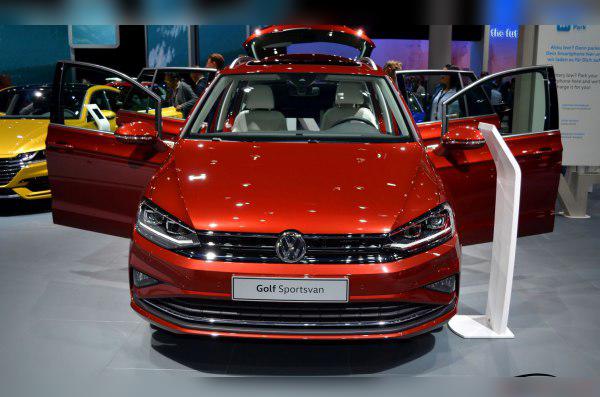
2.0 TDI 150 HP (CRLB, DCYA, DEJA, DFGA) – Experiences, problems, fuel consumption and used car buying guide
Key points (TL;DR)
- Best balance: This is probably the best engine for the Golf 7 (facelift) – significantly more powerful than the 1.6 TDI, and cheaper to maintain than the GTD models.
- Achilles’ heel: The water pump is the most common issue. It often leaks or seizes before the scheduled timing belt service.
- AdBlue system: All listed codes (especially those with the SCR designation) have AdBlue. Heaters and pumps in the tank are expensive parts that tend to fail.
- DSG gearbox: Excellent, but requires strict oil changes every 60,000 km. Without that – expensive mechatronics failures.
- Reliability: The engine’s mechanicals (pistons, head) are extremely durable, easily covering 300–400 thousand km without being opened, with regular maintenance.
- Fuel consumption: Ridiculously low on the open road (below 5 liters), moderate in city driving.
Contents
Introduction and engine applications
The engine in question belongs to the EA288 family of Volkswagen diesel engines. This is not just a mildly updated old engine, but a modern unit designed to meet strict Euro 6 standards (Euro 6b and Euro 6d-TEMP). The specific codes CRLB, DCYA, DEJA, DFGA are most commonly found in the facelifted Golf 7 (from 2017 onwards), but also in the Passat B8, Tiguan and related models from the VAG group.
For many drivers, this is the “sweet spot”. With 150 horsepower, it offers performance that is more than sufficient for overtaking and highway driving, while retaining the efficiency of smaller engines. The key difference compared to older generations is a more complex exhaust aftertreatment system and the use of SCR (AdBlue) technology in most variants.
Technical specifications
| Specification | Value |
|---|---|
| Engine displacement | 1968 cc (2.0 L) |
| Power output | 110 kW / 150 HP |
| Torque | 340 Nm at 1750–3000 rpm |
| Engine codes | CRLB, DCYA, DEJA, DFGA |
| Injection system | Common Rail (Bosch/Continental) |
| Forced induction | Variable-geometry turbocharger (VGT) + intercooler |
| Emissions standard | Euro 6 (with DPF and SCR/AdBlue) |
Reliability and maintenance
Does this engine have a timing belt or a chain?
All of the listed engines (EA288 generation) use a timing belt to drive the camshafts. This is good news because the system is quieter and generally more predictable than the chain that caused problems on some older VAG engines. In addition to the main timing belt, there is also a small belt that drives the oil pump (the so‑called “wet belt” because it runs in oil), which should be checked during major repairs.
What are the most common failures on this engine?
Although the engine is mechanically robust, it’s the peripherals that cause headaches:
1. Water pump: This is problem number one. The variable water pump has a movable “shield” that regulates coolant flow for faster engine warm‑up. This mechanism often seizes, which leads to engine overheating. Symptoms include temperature spikes under load or loss of coolant.
2. Oil leak at the crankshaft seal: Not a widespread issue, but it happens more often than it should. It’s noticed by oily traces at the junction between the engine and gearbox.
3. Clogged heater core (small radiator): Often caused by degradation of G13 coolant (which becomes acidic) or by the silica bag in the expansion tank rupturing. The symptom is weak cabin heating on one side.
At what mileage should the timing belt service be done?
The manufacturer optimistically states an interval of 210,000 km. As an experienced editor, I advise you to ignore that. Due to the above‑mentioned issues with the water pump and rollers, the recommended interval for the major timing service (replacement of belt, tensioners, water pump and coolant) is between 160,000 km and 180,000 km or 5 to 7 years of age, whichever comes first. It’s better to pay for the service earlier than to have to skim the cylinder head.
How many liters of oil does it take and does it burn oil?
The engine takes approximately 4.6 to 4.7 liters of oil. You must use 5W-30 (or 0W-30 in newer recommendations) that meets the strict VW 507.00 specification because of the DPF filter.
As for oil consumption: EA288 engines are significantly better than the old PD units. Between two services (if you service at 15,000 km), it is normal for it to consume 0.5 to 1 liter of oil, depending on driving style. If it consumes more than that, the turbocharger or piston rings should be checked, but that is rare at mileages below 300,000 km.
How long do the injectors last and how reliable are they?
The injection system is Common Rail (electromagnetic injectors on most 150 HP variants, although some series use piezo). They have proven to be very durable. Unlike the notorious Siemens injectors on old 2.0 TDI engines, these Bosch units easily exceed 250,000+ km with good‑quality fuel. If a failure occurs, refurbishment is possible, but new injectors are still expensive (depends on the market).
Specific components (costs)
Does the engine have a dual‑mass flywheel?
Yes, it has a dual‑mass flywheel. Regardless of whether it’s a manual gearbox or a DSG automatic, a dual‑mass flywheel is used to reduce diesel engine vibrations. Its lifespan is usually around 200,000 km, but aggressive city driving can “kill” it earlier. Symptoms include a metallic noise when switching the engine off or vibrations at idle.
Turbocharger
The engine uses a single variable‑geometry turbocharger. The turbo is reliable, but sensitive to poor maintenance (long oil change intervals) and shutting the engine off immediately after hard driving. Its lifespan is directly related to how it’s used – with proper care it will last as long as the engine.
AdBlue, DPF and EGR
This is the most important section for the modern buyer.
DPF filter: Standard equipment. If the car is driven mostly on the open road, the DPF can last indefinitely. In city driving, regenerations are frequent.
EGR valve: Integrated and complex. Prone to soot build‑up, which leads to loss of power and the “Check Engine” light coming on.
AdBlue (SCR): The engine codes you listed, especially in the Golf 7 Facelift (SCR designation in the model name), use AdBlue fluid.
Problems: The system is sensitive. Failures of the heaters in the AdBlue tank or the dosing pump are common. Repairs often mean replacing the entire tank module, which is expensive. Crystallization of urea on the dosing nozzle also occurs. Maintenance includes regularly topping up good‑quality AdBlue and occasionally using additives that prevent crystallization.
Fuel consumption and performance
Real‑world consumption and power
City driving: Expect between 6.0 and 7.5 l/100 km, depending on traffic and how heavy your right foot is. The DSG gearbox can slightly increase consumption in the city, but not dramatically.
Highway: This is where this engine shines. At 130 km/h in top gear (6th on the manual or 7th on the newer DSG), the engine spins at a low 2000–2200 rpm. Consumption is then around 4.8 to 5.5 l/100 km.
Is the engine “lazy”?
Absolutely not. With 340 Nm of torque available from just 1750 rpm, the Golf 7 (including the Variant estate) feels very lively. Acceleration is linear and strong. Even under full load (passengers + luggage), the engine doesn’t struggle uphill. The 4MOTION all‑wheel drive adds weight (around 100 kg), so a slight drop in performance can be felt there, but it’s still more than adequate.
Gearbox (DSG and manual)
Gearbox options
With this engine in the Golf 7 Facelift (2017+) there are two main options:
1. 6‑speed manual gearbox: Very precise and reliable. The only major expense is the clutch kit and flywheel.
2. DSG automatic gearbox: Here the difference matters. Older models had the DQ250 (6‑speed, wet clutch). However, with the Facelift and these engine codes (especially from 2017 onwards), VW started fitting the newer DQ381 (7‑speed, wet clutch).
Gearbox maintenance and failures
Manual: Failures are rare. Replacing the clutch kit with the dual‑mass flywheel is an expense that awaits you around 200,000 km and falls into the “expensive” category (depends on the market), but it’s done infrequently.
DSG (DQ250 / DQ381): Both are “wet” gearboxes, which means the clutch packs run in oil. This makes them more durable than dry DSG units.
MANDATORY: Oil and filter in the DSG must be changed strictly every 60,000 km (some recommend 120k for the DQ381, but shorten that to 60k for peace of mind).
Failures: If the oil is not changed, the mechatronics (the gearbox brain) and clutch pack fail. DSG repairs are very expensive. If you’re buying a used car without proof of gearbox servicing, that car is a risky investment.
Additional options and modifications
Chiptuning (Stage 1): This engine has huge potential. A safe “remap” (Stage 1) raises power to about 185–190 HP and torque to around 400–420 Nm. That drastically changes the character of the car. However, keep in mind that higher torque wears the dual‑mass flywheel and clutch faster. If you have a DSG, software adjustment of the gearbox (TCU tuning) is also recommended.
Buying used and conclusion
What to check before buying?
- Cold start: Listen to the engine when it’s cold. Uneven running can indicate injector or flywheel issues.
- Coolant color: Open the coolant expansion tank. The fluid must be clean (pink/purple). If it’s brown or cloudy, that indicates oil and coolant mixing or corrosion (problem with the oil cooler or cylinder head).
- Water pump: Check for traces of leakage on the left side of the engine (viewed from the front).
- DSG history: Ask for invoices for gearbox oil changes. A stamp in the service book is not always sufficient proof.
- Diagnostics: Check DPF status (ash loading) and injector corrections.
Conclusion:
The 2.0 TDI 150 HP engine in the Golf 7 (2017+) is an excellent choice for drivers who cover a lot of kilometers, especially on the open road. It offers the perfect compromise between power and efficiency. Although it has potentially expensive systems (AdBlue, dual‑mass flywheel, DPF), with preventive maintenance (shortened timing belt interval and regular DSG oil changes), this engine can serve for years without major failures. It is an ideal purchase for families and business users, as long as you are aware that modern diesel maintenance is not cheap.
Was this content useful to you?
Your opinion helps us to improve the quality of the content.