DDYA, DGTE Engine
- Engine
- 1598 cm3
- Aspiration
- Turbocharger, Intercooler
- Fuel
- Diesel
- Fuel injection system
- Diesel Commonrail
- Power
- 115 hp
- Torque
- 250 Nm
- Cylinders
- 4
- Valves
- 16, 4 per cylinder
- Cylinders position
- Inline
- Oil capacity
- 4.7 l
- Systems
- Particulate filter
# Vehicles powered by this engine
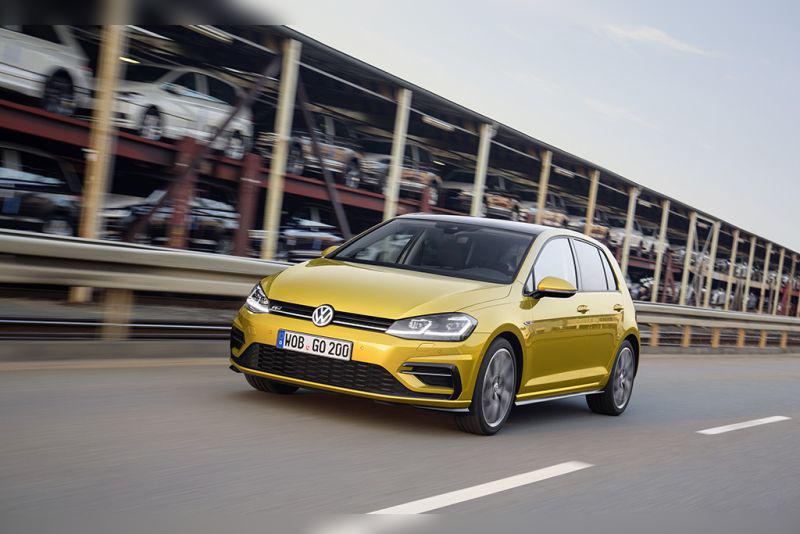
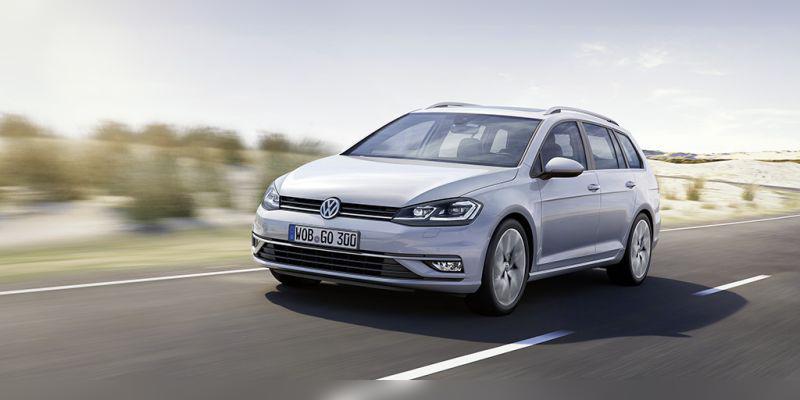
VW 1.6 TDI (115 HP) DDYA / DGTE: Experiences, problems, fuel consumption and used car buying guide
Key points (TL;DR)
- Most mature version: This is the last and technologically most advanced iteration of the 1.6 TDI engine in the Golf 7 (EA288 series), which means many of the early “teething problems” have been resolved.
- Fuel consumption: Extremely economical. On the open road it’s a true fuel-saving champion.
- AdBlue system: Unlike older versions, this engine uses AdBlue, which brings potential expensive failures of the pump and fluid heaters.
- DSG or Manual: The manual gearbox (often only 5-speed) is “indestructible” but lacks a sixth gear. The DSG (DQ200) offers comfort, but carries the risk of costly mechatronics repairs.
- Dual-mass flywheel: Yes, it has one and replacement is not cheap.
- Recommendation: An excellent choice for drivers who cover a lot of mileage, but it requires strict maintenance of the exhaust aftertreatment system.
Contents
- Introduction and applications
- Technical specifications
- Reliability and maintenance
- Specific parts and costs
- Fuel consumption and performance
- Additional options and modifications
- Gearbox: Manual vs DSG
- Buying used and conclusion
Introduction and applications
The engine with codes DDYA and DGTE represents the swan song of the 1.6 TDI unit in the “Mk7”. It was installed in the Volkswagen Golf VII facelift (Golf 7.5) from 2017 until the end of the model’s production. With its 115 HP (85 kW), it replaced the previous 110 HP version.
This engine is important because it represents the “golden middle ground” for the average European buyer – it is powerful enough for all legal speeds, while registration and fuel costs are minimal. It belongs to the EA288 engine family, which means it was designed to meet strict Euro 6 standards, but that also brings more complex exhaust aftertreatment systems.
Technical specifications
| Characteristic | Data |
|---|---|
| Displacement | 1598 ccm |
| Power | 85 kW (115 HP) at 3250–4000 rpm |
| Torque | 250 Nm at 1500–3200 rpm |
| Engine codes | DDYA, DGTE |
| Injection type | Common Rail (Direct injection) |
| Charging | Variable geometry turbocharger (VGT) + intercooler |
| Number of cylinders / valves | 4 / 16 |
Reliability and maintenance
Timing system: Belt or chain?
This engine uses a timing belt. This is good news for many owners because the system is quieter and generally more predictable than the chain that caused issues on older TSI engines or some rival diesels.
Major service and intervals
The factory recommendation for timing belt replacement is often optimistic (sometimes up to 210,000 km in ideal conditions). However, real-world practice and mechanics’ experience call for caution. The recommendation is to do the major service at a maximum of 160,000 to 180,000 km or every 5 to 7 years, whichever comes first. A snapped belt leads to catastrophic engine damage, so saving money here is risky.
Important note: The water pump is a weak point on these engines (they often start leaking or seize before the major service interval). If you notice loss of coolant, check the pump immediately.
Engine oil: Quantity and consumption
The engine takes approximately 4.6 to 4.7 liters of oil. You must use synthetic oil of grade 0W-30 or 5W-30 that meets the VW 507.00 specification (because of the DPF). An oil service should be done every 10,000 to 15,000 km (ignore “Long Life” intervals of 30,000 km if you want longevity).
As for oil consumption, EA288 engines have proven to be solid. Consumption of 0.5 liters per 10,000 km is considered completely normal and acceptable. If the engine consumes more than a liter between services, this may indicate a problem with the turbocharger or piston rings, although that is rarer at lower mileage.
Injectors
The injection system on DDYA/DGTE engines is generally more reliable than on the old 1.6 TDI engines (Siemens piezo injectors were a nightmare on older models). Here you mostly find Delphi or Bosch solenoid injectors (depending on the series), which are more robust. Their lifespan is usually over 200,000–250,000 km with good-quality fuel.
Symptoms of problems: Rough idle (rev needle “dancing”), increased smoke when you press the accelerator, or harder starting. Refurbishment is possible, but still expensive (depends on the market).
Specific parts (Costs)
Does it have a dual-mass flywheel?
Yes. The 115 HP version comes with a dual-mass flywheel. While some weaker models (90 HP) had a solid flywheel, here the 250 Nm of torque required a dual-mass unit for comfort and gearbox protection. Its lifespan is usually around 200,000 km, but city stop‑and‑go driving can kill it earlier. Symptoms are metallic noise when switching off the engine and vibrations in the clutch pedal.
Turbocharger
The engine has a single variable geometry turbocharger. It is not prone to sudden failures, but it is sensitive to poor-quality oil and shutting off a hot engine immediately after fast driving. A common issue can be sticking vanes due to soot if the car is driven exclusively gently and only in the city.
Emissions: DPF, EGR and AdBlue
This is the section where owners need to pay the most attention:
- DPF filter: Standard equipment. If you drive only in the city, it will clog. It requires occasional driving on open roads for regeneration.
- EGR valve: Prone to fouling and sticking, which leads to loss of power and the “Check Engine” light coming on.
- AdBlue (SCR): These engines (DDYA/DGTE) have an AdBlue system. This is a frequent source of problems. The heater in the AdBlue tank, as well as the pump itself and the dosing injector, are known to fail. Repairs to the AdBlue system are very expensive (often the entire tank assembly with electronics has to be replaced).
Fuel consumption and performance
Real-world fuel consumption
This is the strongest selling point of this engine:
- City driving: Expect between 5.5 and 6.5 l/100 km, depending on traffic and how heavy your right foot is.
- Open road: Gentle driving on country roads can bring consumption below 4.0 l/100 km.
- Motorway: At 130 km/h consumption is around 5.0 to 5.5 l/100 km.
Is the engine “lazy”?
With 115 HP and 250 Nm, the Golf 7 is no racer, but it is not lazy either. Torque is available from just 1500 rpm, which makes it quite agile for overtaking on country roads. The lack of power is noticeable only when the car is fully loaded with passengers and luggage on steep climbs.
On the motorway at 130 km/h, the engine spins at about 2200–2400 rpm (depending on whether it’s the 5‑speed manual or 7‑speed DSG), which is quite pleasant for both your ears and your wallet.
Additional options and modifications
Remapping (Stage 1)
This engine responds very well to remapping. Since it shares many components with its more powerful 2.0 TDI relatives (in terms of block and architecture), it can safely be taken to 140–150 HP and around 300–320 Nm of torque. This significantly changes the character of the car, but keep in mind that the higher torque puts additional stress on the clutch and dual-mass flywheel.
Gearbox: Manual vs DSG
Manual gearbox
This engine most often comes with a 5‑speed manual gearbox. It is a robust gearbox and cheap to maintain. Failures are rare.
- Downside: Lack of a sixth gear. Although the ratios are long, a sixth gear would reduce noise and fuel consumption on the motorway.
- Maintenance: The gearbox oil is not scheduled for replacement in the factory manual (“fill for life”), but experienced mechanics recommend changing it every 150,000 km.
Automatic gearbox (DSG)
The DQ200 is installed, a 7‑speed gearbox with dry clutches.
- Most common failures: This is the notorious DSG gearbox. The most common failures are of the mechatronics unit (the “brain” of the gearbox) and the clutch pack. Symptoms are jerking when moving off, thumps when changing gears or delayed response.
- Maintenance: Although it is a “dry” gearbox, the mechatronics has its own oil, as does the gear section. Oil changes are not prescribed in the same way as on “wet” DSG gearboxes, but checking and adapting the clutches via diagnostics is advisable every 60,000 km.
Clutch replacement cost: On the manual gearbox (clutch kit + flywheel) it is expensive, but on the DSG, repairing the mechatronics or replacing the clutch pack can be very expensive (depends on the market).
Buying used and conclusion
Before buying a Golf 7.5 with the 1.6 TDI (115 HP) engine, be sure to check:
- Cold start: The engine should start immediately and idle smoothly. Any misfiring in the first few seconds points to injectors or glow plugs.
- Flywheel noise: Listen for knocking when the engine is switched off and whether the sound changes when you press the clutch (on a manual).
- AdBlue system: Use diagnostics to check for any errors related to “Reductant heater” or “Pump”.
- Coolant leaks: Look around the timing belt area for traces of coolant (water pump).
Conclusion
The 1.6 TDI (115 HP) engine is a rational choice. It’s not exciting, but it is extremely competent. It is perfect for those who drive more than 20,000 km per year, mostly on open roads. If you spend most of your time in the city, be prepared for potential DPF and AdBlue issues, or consider a petrol engine (1.0 TSI or 1.4 TSI). If you are choosing between the manual and DSG gearboxes – the manual is the safer option for your wallet, while the DSG is a luxury that you pay for through potential repairs.
Was this content useful to you?
Your opinion helps us to improve the quality of the content.