DACA Engine
- Engine
- 1498 cm3
- Aspiration
- Turbocharger, Intercooler
- Fuel
- Petrol (Gasoline)
- Fuel injection system
- Direct injection
- Power
- 131 hp
- Torque
- 200 Nm
- Cylinders
- 4
- Valves
- 16, 4 per cylinder
- Cylinders position
- Inline
- Oil capacity
- 4.3 l
- Systems
- Cylinder deactivation system
# Vehicles powered by this engine
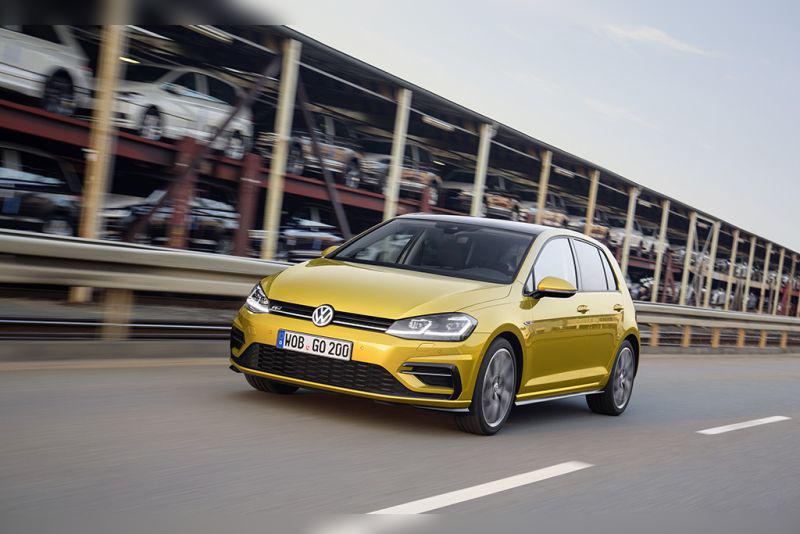
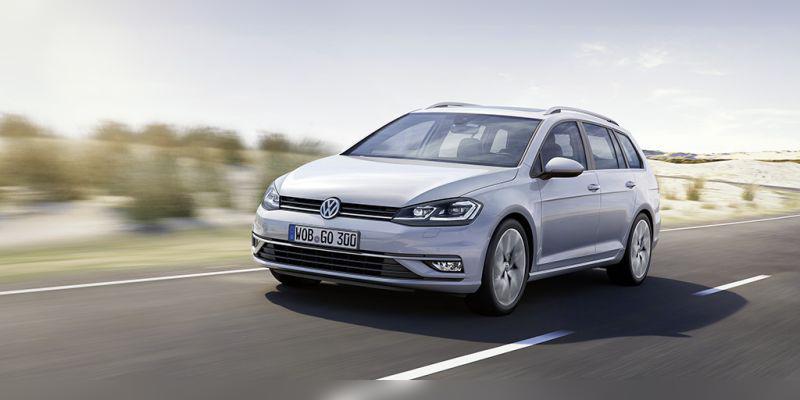
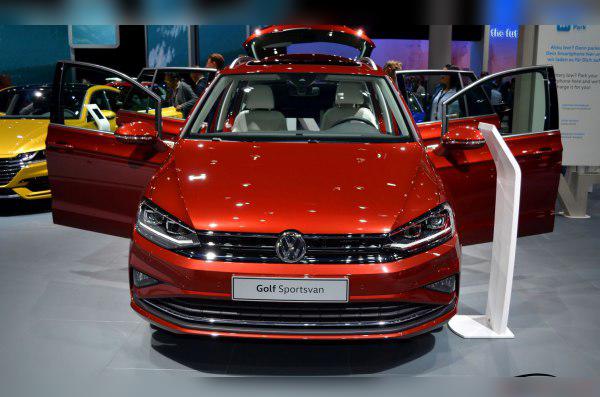
1.5 TSI DACA (131 hp) – Experiences, problems, fuel consumption and used car buying guide
Key points (TL;DR)
- Modern technology: The DACA engine uses the Miller cycle and a variable geometry turbocharger (VTG), which is rare for petrol engines, in order to maximize fuel savings.
- "Kangarooing" issue: Early models had a problem with jerking (so‑called "kangarooing") when setting off with a cold engine. This is solved by a software update.
- Drive: It uses a timing belt, not a chain, which makes maintenance cheaper compared to older TSI engines.
- ACT Technology: The engine shuts down two cylinders under low load. The system is reliable but requires high‑quality oil.
- GPF filter: It has a gasoline particulate filter. It is not as problematic as on diesels, but it does not like exclusively short city trips.
- Recommendation: An excellent choice for those who want diesel‑like fuel consumption with petrol refinement, provided the software is up to date.
Contents
Introduction and engine applications
The engine with the code DACA belongs to the EA211 Evo family of units. This is not just a mild redesign of the old 1.4 TSI engine, but a technically very advanced unit that debuted in the facelifted Golf 7. Its main characteristic is the output of 131 hp (96 kW), which distinguishes it from the more powerful version (DADA) that has 150 hp.
Why is this engine important? The DACA version is the so‑called BlueMotion variant that operates on the Miller combustion cycle. This means it is optimized for extreme efficiency and low fuel consumption, often matching diesel engines while being quieter. It is primarily installed in the VW Golf VII (hatchback, estate and Sportsvan) from 2017 onwards.
Technical specifications
| Characteristic | Data |
|---|---|
| Engine code | DACA (EA211 Evo) |
| Displacement | 1498 cc (1.5 l) |
| Power | 96 kW (131 hp) at 5000-6000 rpm |
| Torque | 200 Nm at 1400-4000 rpm |
| Injection type | Direct injection (TSI) - up to 350 bar |
| Forced induction | VTG turbo (Variable geometry) + intercooler |
| Efficiency technology | ACT (Active Cylinder Technology), Start/Stop, Miller Cycle |
| Emissions standard | Euro 6 (usually Euro 6d-TEMP) |
Reliability and maintenance
Belt or chain?
Good news for everyone afraid of the old TSI horror stories: the 1.5 TSI DACA uses a timing belt. Volkswagen learned its lesson from the problematic chains in the EA111 series. The belt on this engine is reinforced and very reliable.
Major service
The factory interval for timing belt replacement is often listed as "lifetime" or at very high mileage (e.g. 210,000 km) under ideal conditions. However, as an experienced editor, I advise caution: do the major service between 150,000 km and 180,000 km or after 8–10 years of age. The water pump is part of the system and is replaced together with the belt.
Oil: quantity and grade
The DACA engine takes approximately 4.3 litres of oil. Due to the specific Miller cycle and tight tolerances, this engine usually requires a very thin oil of grade 0W-20 (VW 508.00 / 509.00 specification). This oil is crucial for the proper operation of the hydraulic lifters and the ACT system.
Oil consumption: Modern EA211 Evo engines are significantly better than their predecessors in this regard. Consumption of up to 0.5 litres per 10,000 km can be considered acceptable, especially if driven more aggressively. If it consumes more than 1 litre over a service interval, this requires inspection (often it is the PCV valve or a leak at the turbo, and more rarely the piston rings at lower mileage).
Most common failures and symptoms
- "Kangarooing" (jerking when setting off): The most well‑known problem of this engine. On a cold start, the car may hop in first gear. This is a software issue with engine calibration. Solution: Software update at an authorized service centre (often solves 90% of the problem).
- Carbon buildup: Like any direct‑injection engine, the intake valves get dirty over time because fuel does not wash them. Symptoms are rougher idle and a slight power loss after 100,000+ km.
- ACT system: The cylinder deactivation system is generally reliable but requires healthy engine mounts. If the mounts are bad, the transition from 2 to 4 cylinders will be unpleasantly noticeable in the cabin.
Spark plugs
Since this is a petrol engine, spark plugs are a consumable item. It is recommended to replace them every 60,000 km or 4 years. Use only high‑quality iridium or platinum spark plugs (NGK or Bosch) according to the catalogue number, as poor‑quality plugs can damage the ignition coils.
Specific parts (costs)
Dual mass flywheel
Yes, this engine in the Golf VII (both DSG and manual gearbox) usually comes paired with a dual mass flywheel. Although it has only 200 Nm, the flywheel serves to smooth out vibrations, especially when the engine is running in two‑cylinder mode (ACT). Its lifespan is usually around 150,000–200,000 km, depending on driving style. Replacement cost is high (varies by market, but count on it as a significant expense).
Turbocharger and service life
The DACA engine uses a specific turbocharger with variable geometry (VTG). This is a technology that for decades was reserved for diesels (due to the high exhaust gas temperatures in petrol engines). VW implemented it for better low‑rpm response. A VTG turbo is more expensive to overhaul or replace than a conventional turbo. Expected service life is over 200,000 km with regular oil changes and proper cooldown after driving.
GPF filter and EGR
This engine has a GPF (Gasoline Particulate Filter), which is the petrol equivalent of a DPF on diesels. It also has an EGR valve. Fortunately, petrol burns cleaner than diesel, so GPF filters clog much less frequently. Still, if you drive 100% city, short trips in winter, a warning light may come on. The solution is to go on an open road for about 20 minutes.
AdBlue
No, this engine does not have an AdBlue system. That is reserved exclusively for diesel engines.
Injection system
The injectors operate at high pressure (up to 350 bar). They are generally reliable but sensitive to poor fuel quality. Replacing a single injector is a costly undertaking.
Fuel consumption and performance
Real‑world fuel consumption
Thanks to the Miller cycle and cylinder deactivation, the DACA is a fuel‑saving champion among petrol engines:
- City driving: Expect between 6.5 and 7.5 l/100 km. In heavy traffic it can go up to 8.5 l/100 km, but with careful driving it can drop surprisingly low.
- Open road / secondary roads: This is where the engine shines. Consumption of 4.5 to 5.5 l/100 km is realistic.
Performance: is it "lazy"?
With 131 hp and 200 Nm, this engine is no sports car, but it is not lazy either. It is sufficient for the Golf hatchback. For the Golf Variant (estate) or Sportsvan, if fully loaded with passengers and luggage, you will feel the lack of torque on uphill stretches compared to the 2.0 TDI. However, for an average family driver, the power is perfectly adequate. It reaches 0–100 km/h in about 9 seconds, which is decent.
Motorway driving
The engine is very quiet and refined. At 130 km/h in the highest gear (6th or 7th on the DSG), the engine runs at relatively low revs (around 2200–2400 rpm), which contributes to low noise and fuel consumption. Cruising is comfortable, and wind noise is often louder than the engine.
Additional options and modifications
LPG conversion
Due to the direct injection system, an LPG conversion is not worthwhile for most drivers. It requires an expensive "Direct Liquid" system or a system that uses a mixture of petrol and LPG to cool the injectors. Considering that this engine already has low fuel consumption, the payback period would be too long. Not recommended.
Chip tuning (Stage 1)
This engine can be remapped, but the gains are not as dramatic as on the 150 hp 1.5 TSI. The reason is the different turbo and the Miller operating cycle. A safe "Stage 1" can raise power to about 150–160 hp and torque to around 250–260 Nm. However, keep in mind that the clutch (especially with the DQ200 DSG gearbox) is the "bottleneck" and does not tolerate too much torque.
Gearbox
Types of gearboxes
- Manual: 6‑speed gearbox. Precise and easy to use.
- Automatic: 7‑speed DSG (code DQ200). This is a gearbox with a dry clutch.
Failures and maintenance
Manual gearbox: Very reliable. The most common expense is the clutch kit and dual mass flywheel. An oil change in the gearbox is not prescribed, but is recommended at around 150,000 km to preserve the bearings.
DSG (DQ200): This is the "most delicate" DSG gearbox. The most common failures are clutch wear in stop‑and‑go city driving and mechatronic unit failure. Symptoms are jerking when setting off, hesitation or grinding noises.
DSG servicing: Although VW says that the DQ200 is "sealed for life" (maintenance‑free), any serious mechanic will recommend changing the oil (even though there is little of it, about 2 litres) every 60,000–80,000 km to flush out metal shavings that can damage the mechatronic unit.
Used car buying guide and conclusion
What to check before buying?
- Cold start: Insist on starting the car when the engine is completely cold. If the engine runs unevenly, jerks or stalls when you try to set off, this is a sign of a problem (software or injectors).
- Noise when cylinders deactivate: Test the car on a flat road at a constant speed (e.g. 80 km/h). When "2‑cylinder mode" or "Eco" appears on the display, there should be no vibrations. Vibrations indicate bad engine mounts or a problem with the flywheel.
- Service history: Check whether the car has been serviced at an authorized service centre and whether all software updates have been applied.
Verdict
The 1.5 TSI DACA (131 hp) engine is a technological gem that is somewhat misunderstood. It offers diesel‑like fuel consumption without typical diesel issues (AdBlue, hard cold starts in winter, noise). It is ideal for drivers who cover 15,000–25,000 km per year, combining city and open‑road driving. If you are buying used, look for a car with a manual gearbox for lower risk, or a well‑proven DSG if you want comfort. Avoid it only if you plan aggressive sporty driving or towing heavy trailers – that is what the 2.0 TDI is for.
Was this content useful to you?
Your opinion helps us to improve the quality of the content.