CRLB, DCYA, DEJA Engine
- Engine
- 1968 cm3
- Aspiration
- Turbocharger, Intercooler
- Fuel
- Diesel
- Fuel injection system
- Diesel Commonrail
- Power
- 150 hp
- Torque
- 340 Nm
- Cylinders
- 4
- Valves
- 16, 4 per cylinder
- Cylinders position
- Inline
- Oil capacity
- 4.7 l
- Systems
- Particulate filter
# Vehicles powered by this engine
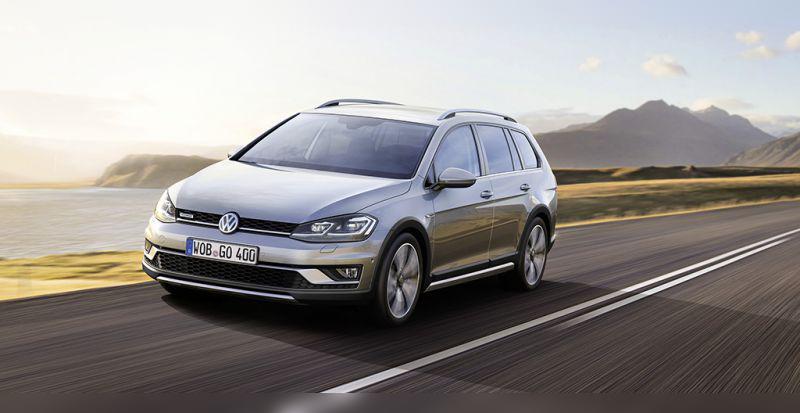
2.0 TDI (CRLB, DCYA, DEJA) – Experiences, problems, fuel consumption and used car buying guide
If you’re looking for a modern classic in the diesel world, you’re probably looking at the Volkswagen EA288 engine. Specifically, the CRLB, DCYA and DEJA codes represent the core of the VAG group’s offering for vehicles produced after 2015, and are especially common in the Golf 7 (facelift) and Alltrack variants. This is not the old 1.9 TDI, but a sophisticated machine that offers an excellent balance of power and efficiency, yet demands strict adherence to maintenance rules.
Below is a detailed analysis of this engine with a focus on real-world use, without sugarcoating.
Key points (TL;DR)
- Sweet spot: With 150 hp, this is the most well-balanced engine for the Golf 7 Alltrack – enough for overtaking, yet economical.
- Achilles’ heel: The variable-flow water pump often fails before the timing belt service interval.
- AdBlue system: AdBlue sensors, heaters and pumps are a common and expensive failure point on these Euro 6 models.
- DPF and EGR: Sensitive to city driving; they require regular highway runs to allow proper regeneration.
- Gearbox and drivetrain: Require regular oil changes (DSG every 60,000 km, Haldex coupling for 4MOTION every 3 years or 45–60,000 km).
- Conclusion: An excellent engine if you have the budget for quality maintenance and don’t drive only in the city.
Contents
- Technical specifications
- Reliability and maintenance
- Specific parts and costs
- Fuel consumption and performance
- Gearbox and drivetrain
- Additional options and modifications
- Buying used and conclusion
Technical specifications
| Specification | Value |
|---|---|
| Engine displacement | 1968 cc (2.0 l) |
| Power | 110 kW (150 hp) |
| Torque | 340 Nm at 1750–3000 rpm |
| Engine codes | CRLB, DCYA, DEJA (EA288 family) |
| Injection type | Common Rail (direct injection) |
| Charging | Variable-geometry turbocharger (VGT) + intercooler |
| Emissions standard | Euro 6 (with AdBlue system) |
Reliability and maintenance
Belt or chain?
The engine uses a timing belt for the cam drive. This is good news because the system is quieter and generally cheaper to maintain than the complex chains that caused issues on older TSI engines. However, the oil pump is driven by a small toothed belt that runs in oil (“wet belt”), which you should keep in mind at higher mileages.
Major service and critical point
The factory interval for the timing belt is often optimistically set at 210,000 km. However, workshop experience suggests replacement at a maximum of 150,000–180,000 km or 5–7 years of age.
Most common failure: The original water pump has a plastic sliding ring (cup) that regulates coolant flow to warm up the engine faster. This mechanism often seizes, which leads to engine overheating. If you notice that the engine temperature spikes above 90°C and then drops again, or you’re losing coolant, the water pump is probably done. The recommendation is to install a high-quality aftermarket pump without that complicated mechanism (fixed flow) or an updated OEM version.
Oil and consumption
This engine takes approximately 4.7 to 5.0 liters of oil (always buy 5L). You must use 0W-30 or 5W-30 oil with VW 507.00 specification. This spec is crucial because of the DPF filter (Low SAPS oil).
Oil consumption on these engines is significantly lower than on the old PD units. Between services (10,000–15,000 km) it is normal to top up 0.5 to 1 liter. However, if the oil level is rising, that’s a sign that interrupted DPF regenerations are dumping diesel into the sump, which degrades the oil and requires an immediate oil change.
Injectors
These variants (CRLB, DCYA) mostly use electromagnetic (solenoid) Bosch injectors, which have proven to be very robust and durable. They can easily cover 250,000+ km with good-quality fuel. They can be overhauled and the cost is moderate (market-dependent), unlike the piezo injectors used on older generations, which were more expensive and more sensitive.
Specific parts (costs)
Dual-mass flywheel
Yes, this engine has a dual-mass flywheel (DMF). Given the 340 Nm of torque, the flywheel is under stress, especially on manual gearbox models if driven carelessly (low revs in a high gear). On DSG models the flywheel usually lasts longer because the computer prevents “lugging” the engine. Failure symptoms include metallic noise on start-up/shut-down and vibrations at idle.
Turbocharger
The engine uses a single variable-geometry turbocharger. Service life is generally long (over 200,000 km), provided the oil is changed regularly and the engine is not switched off immediately after hard motorway driving. The most common issue is not the turbo itself, but the actuator (vacuum or electronic) that controls the geometry.
Emissions: DPF, EGR and AdBlue
This is a critical section for owners:
- DPF and EGR: Both are standard. The EGR valve can get clogged from city driving, causing jerking and a “Check Engine” light.
- AdBlue (SCR): 2017+ facelift models almost certainly have an AdBlue system. This is a frequent source of problems. The heater in the AdBlue tank or the pump can fail, and repair often means replacing the entire tank module, which is expensive (market-dependent, but expect a serious bill). Also, the urea dosing injector can crystallize and clog.
Fuel consumption and performance
The Golf VII Alltrack is heavier than the regular Golf, and the 4MOTION drivetrain and raised ground clearance further affect aerodynamics and rolling resistance.
- City driving: Expect a realistic 7.0 to 8.5 l/100 km. In heavy traffic and winter conditions, this can go up to 9 liters.
- Country roads: This is where the engine shines. Consumption drops to 5.0 to 5.5 l/100 km.
- Motorway: At 130 km/h, thanks to long gear ratios (especially with the 7-speed DSG), the engine spins at about 2,000–2,100 rpm. Fuel consumption is then around 6.0 to 6.5 l/100 km.
Is the engine “lazy”? No. With 340 Nm available from just 1750 rpm, the car pulls decisively. It’s not a GTD-level sports engine, but for a family estate with all-wheel drive, there is more than enough power for safe overtaking.
Gearbox and 4MOTION drivetrain
With this engine in the Alltrack variant (2017+), you most commonly get:
- 6-speed manual gearbox: Precise and reliable. Failures are rare and mostly limited to the clutch kit and flywheel. An oil change in the gearbox is recommended at 150,000 km, even though VW claims it is “lifetime fill”.
- 7-speed DSG (DQ381): Facelift models switched from the old 6-speed (DQ250) to the newer 7-speed DQ381 with wet clutch. This is an excellent gearbox, robust and quick.
Maintenance: Oil and filter in the DSG must be changed every 60,000 km (or 120,000 km depending on the exact spec, but 60k is what specialists recommend for longevity). Mechatronic failure is possible if the oil is not changed.
Haldex coupling (4MOTION): This is often a neglected component. All-wheel drive requires oil changes in the Haldex coupling. The recommendation is every 45,000–60,000 km or 3 years. Older generations had a filter, newer ones (Haldex V) only have a mesh on the pump that must be physically cleaned because it clogs with deposits, which leads to pump failure and loss of drive to the rear wheels.
Additional options and modifications
Chip tuning (Stage 1)
This 2.0 TDI unit is “detuned” from the factory and has a lot of potential. A safe Stage 1 remap raises power to about 185–195 hp and torque to 400–420 Nm.
The engine can handle this increase without issues, but keep in mind that higher torque wears out the clutch (on manuals) and flywheel faster. On DSG cars it is often necessary to remap the gearbox as well so that oil pressure and shift logic match the increased power.
Buying used and conclusion
Before buying a Golf VII Alltrack with this engine, make sure to check:
- Cold start: Listen for rattling (flywheel) and check whether the engine runs smoothly immediately after starting.
- Coolant traces: Look around the timing belt area for pink residue (water pump leak).
- Diagnostics: Check DPF status (ash load) and injector correction values.
- Service history: Has the oil been changed in the DSG and Haldex? If there is no proof, that’s a major risk and a cost waiting to happen (very expensive).
Final verdict
The 2.0 TDI (150 hp) in EA288 generation is probably the best all-round diesel engine of its era. It offers a near-perfect compromise. It is not immune to failures (water pump, AdBlue), but with regular and preventive maintenance, this is a unit that can easily cover 300,000–400,000 kilometers. It is ideal for drivers who cover a lot of distance on open roads and who need the security of 4MOTION all-wheel drive.
Was this content useful to you?
Your opinion helps us to improve the quality of the content.