CXSA Engine
- Engine
- 1395 cm3
- Aspiration
- Turbocharger, Intercooler
- Fuel
- Petrol (Gasoline)
- Fuel injection system
- Direct injection
- Power
- 122 hp @ 5000 rpm
- Torque
- 200 Nm
- Cylinders
- 4
- Cylinders position
- Inline
- Oil capacity
- 4 l
# Vehicles powered by this engine
1.4 TSI (CXSA) 122 HP – Experiences, problems, fuel consumption and buying tips
Key points (TL;DR)
- Biggest advantage: This is the EA211 engine generation which uses a timing belt, not the problematic chain from the previous generation (Golf 6). It is much more reliable.
- Most common failure: The thermostat housing and water pump are weak points (coolant leaks).
- Gearbox: If you choose an automatic, it is a 7-speed DSG (DQ200) with a dry clutch. It requires careful inspection because mechatronic repairs are expensive.
- Fuel consumption: Extremely economical petrol engine, often uses as little fuel as older diesels on the open road.
- Direct injection: Prone to carbon buildup on intake valves at higher mileage.
- Recommendation: An excellent choice for the Golf VII, an ideal balance between power and maintenance costs, a better choice than the 1.6 TDI for those who drive more in the city.
Contents
- Introduction and applications
- Technical specifications
- Reliability and maintenance
- Specific parts and injection system
- Fuel consumption and performance
- LPG and tuning (remap)
- Gearbox (manual vs DSG)
- Buying used and conclusion
Introduction: Why is the CXSA engine important?
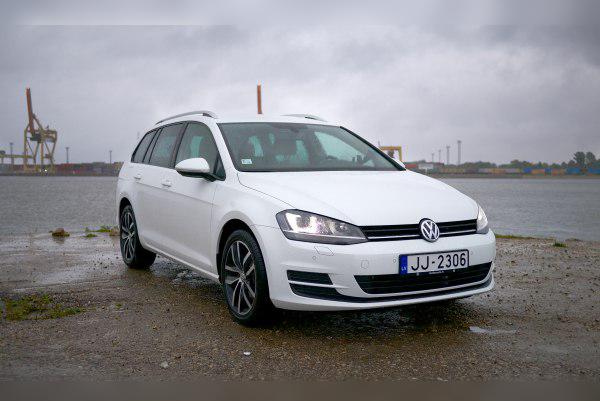
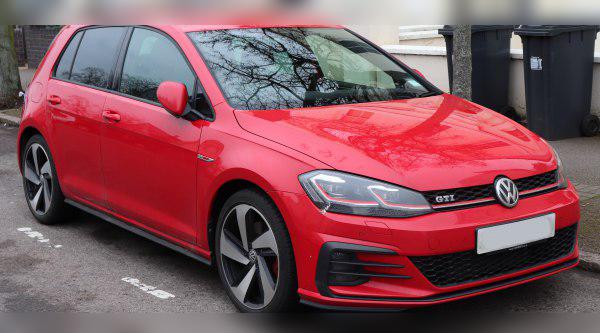
The engine with the code CXSA belongs to Volkswagen’s EA211 family. This is crucial information for any buyer. The previous generation (EA111) in the Golf 5 and 6 had notorious problems with timing chain stretch and piston failures. The CXSA is the engine that restored trust in Volkswagen petrol engines. It was primarily installed in the Golf VII (hatchback and estate versions) from 2012 to 2014/2015, before it was replaced by newer variants (CZCA).
With 122 horsepower, this is the “sweet spot” of the range. It’s not the base model, but it’s not a sporty version either, which makes it the most common choice for rational buyers who want the quietness of a petrol engine and solid performance.
Technical specifications
| Parameter | Value |
| Engine displacement | 1395 cc (1.4 litres) |
| Power | 90 kW (122 HP) at 5000 rpm |
| Torque | 200 Nm at 1400–4000 rpm |
| Engine code | CXSA (EA211 family) |
| Injection type | TSI (Turbo Stratified Injection) – Direct |
| Number of cylinders / valves | 4 / 16 |
| Induction | Turbocharger with water-to-air intercooler |
| Camshaft drive | Timing belt (belt) |
Reliability and maintenance
Does this engine have a timing belt or a chain?
This is the most important question. The CXSA engine has a timing belt. Volkswagen learned its lesson with the previous generation and went back to a belt on EA211 engines. This is very good news. The belt is quiet, reliable and cheaper to replace than a full timing chain kit.
At what mileage should the major service be done?
The factory recommendation is often very optimistic (e.g. inspection at 240,000 km), but real-world practice and mechanic experience say otherwise. The major service (replacement of timing belt, tensioner and water pump) should be done between 150,000 km and 180,000 km, or every 5 to 7 years, whichever comes first. Rubber ages regardless of mileage.
What are the most common failures on this engine?
Although more reliable than its predecessor, the CXSA has its weak points:
- Water pump and thermostat module: The housing is made of plastic which deforms over time due to heat cycles. This leads to coolant leaks. If you notice the coolant level dropping, this is suspect number one. Also, the water pump on this engine is driven by a separate small belt on the opposite side of the camshaft.
- Turbo actuator (wastegate): It can seize up, which leads to loss of power or the EPC light coming on. It can often be fixed by repairing or replacing just the actuator, not the entire turbo.
- Carbon buildup: Like every direct-injection engine, the intake valves are not “washed” by fuel. Over time, soot builds up which can reduce performance and cause rough running. Cleaning (decarbonisation or walnut shell blasting) is recommended at around 100,000+ km.
Oil consumption and servicing
This engine takes approximately 4.0 litres of oil (always buy 5L just in case). The recommended grade is 5W-30 which meets the VW 504.00 standard.
Does it burn oil? Unlike older TSI engines that burned oil due to poor piston rings, the CXSA is much better. Still, consumption of up to 0.5 litres per 10,000 km is considered completely normal and acceptable. If it uses more than 1L per service interval, the turbo or crankshaft seals should be checked for leaks.
Spark plugs and coils
On this turbo petrol engine, spark plugs should be replaced every 60,000 km (or 4 years). Use only quality Iridium/Platinum plugs (NGK or Bosch recommended). Worn spark plugs can quickly damage the coils (ignition coils), which are otherwise durable but sensitive to bad plugs.
Specific parts (costs)
Does the engine have a dual-mass flywheel?
Here, it depends on the gearbox.
If it’s a DSG gearbox: Yes, it definitely has a dual-mass flywheel (DMF). It protects the gearbox from vibrations.
If it’s a manual gearbox: Most Golf 7 models with 122 HP and a manual gearbox also have a dual-mass flywheel for driving comfort, although it is smaller and somewhat cheaper than on diesels. However, there are variants for certain markets with a solid flywheel. The safest way to check is by VIN, but you should be prepared for the cost of a dual-mass flywheel.
Injection system, turbo and EGR
- Injectors: The system is high-pressure direct injection. Injectors are generally reliable but sensitive to poor fuel quality. Symptoms of failure are rough idle and increased fuel consumption. New injectors are expensive (depends on the market).
- Turbocharger: The engine has a single turbocharger. Its lifespan is long (over 200,000 km) with regular oil changes and if the engine is not switched off immediately after hard driving. The intercooler is integrated into the intake manifold and water-cooled, which improves throttle response.
- EGR/DPF/AdBlue: This is a petrol engine, so it does not have a DPF filter and does not use AdBlue. As for the EGR valve, exhaust gas recirculation is handled within the engine itself (by variable valve timing), so a classic EGR valve that clogs up is not a common issue here like on older diesels.
- GPF (petrol particulate filter): The CXSA was produced before Euro 6d-TEMP standards, so this engine most likely does not have a GPF filter, which is good news as it is one less component to maintain.
Fuel consumption and performance
Real-world fuel consumption and driving behaviour
This is one of the most economical petrol engines in its class.
- City driving: Expect between 7.0 and 8.5 l/100 km. In heavy stop-and-go traffic it can go up to 9 litres, but the start-stop system helps here.
- Motorway: At 130 km/h the engine runs at about 2,800 rpm (in 6th gear or 7th on the DSG). Fuel consumption is then around 6.0 to 6.5 l/100 km.
- Country roads: With a light right foot, it is possible to get consumption below 5 litres.
Is the engine “sluggish”?
Absolutely not. With 200 Nm of torque available from just 1400 rpm, the car pulls linearly and convincingly. For the Golf 7 body (even the Variant estate), 122 HP is more than enough for overtaking and dynamic driving. It’s not a race car, but it is by no means slow. The driving feel is much better than the 122 HP figure suggests.
Additional options and modifications
LPG conversion
Since this is a TSI engine (direct injection), LPG conversion is complicated and expensive. It requires a special system (“Direct Liquid Injection” or a system that also injects a small amount of petrol to cool the petrol injectors).
Cost-effectiveness: The system is very expensive (often over 800–1000 EUR), and the savings are smaller than on conventional engines because the car always uses a bit of petrol while running on gas. Recommendation: Run it on petrol; this engine is economical anyway.
Chiptuning (Stage 1)
This engine responds very well to remapping. A safe Stage 1 tune increases power to about 145–150 HP and torque to 250 Nm. The difference in driving is dramatic. However, if you have a DSG gearbox (DQ200), be careful because this gearbox is factory-rated for 250 Nm. Too much extra torque can shorten the life of the clutches in the automatic gearbox.
Gearbox: manual vs DSG
Gearbox options
- Manual (6-speed): Precise, light and generally very reliable. Maintenance includes changing the gearbox oil (recommended at 100,000 km, even though the factory says it’s “lifetime”) and the clutch kit.
- Automatic (7-speed DSG – DQ200): This is a gearbox with a “dry” clutch.
Problems with the DSG (DQ200) gearbox
This is the most sensitive part of the car. The DQ200 is known for failures of the mechatronic unit (control unit) and premature clutch wear, especially if the car is driven exclusively in heavy city traffic.
- Symptoms of failure: Jerking when setting off, hesitation when changing gears, metallic noises when shifting from 2nd to 1st gear.
- Maintenance: Although it is a “dry” gearbox, it is recommended to change the oil in the mechatronics and gear set every 60,000 km (an unofficial expert recommendation) to extend its life.
- Costs: Mechatronic repair or clutch replacement is a very expensive job (depends on the market, but expect a serious amount).
Buying used and conclusion
What to check before buying?
- Cold start: Start the engine when it is completely cold. Listen for the first 3–5 seconds. There should be no knocking. If you hear a loud metallic rattle, the hydraulic lifters or cam phaser may be an issue.
- Coolant traces: Look around the left side of the engine (near the water pump belt) for whitish or pink traces of dried coolant. Thermostat leaks are a common problem.
- DSG test (if automatic): Warm up the car, stop on an incline. Release the brake. The car should move off smoothly without jerks or vibrations.
- Diagnostics: Check for misfire codes on the cylinders, which can indicate dirty valves or bad spark plugs/coils.
Final conclusion
The 1.4 TSI (CXSA) is one of the best petrol engines of its time. It solved most of the problems of older generations by switching to a timing belt. It is ideal for drivers who cover up to 20,000 km per year, drive a mix of city and highway, and want the refinement that a diesel cannot offer.
Buy or not? YES. The manual gearbox is the safer option. If you are buying a DSG, be sure to keep a financial reserve for potential gearbox servicing, but you will enjoy excellent comfort.
Was this content useful to you?
Your opinion helps us to improve the quality of the content.