EA288 / CUNA, DGCA Engine
- Engine
- 1968 cm3
- Aspiration
- Turbocharger, Intercooler
- Fuel
- Diesel
- Fuel injection system
- Diesel Commonrail
- Power
- 184 hp
- Torque
- 380 Nm
- Cylinders
- 4
- Valves
- 16, 4 per cylinder
- Cylinders position
- Inline
- Valvetrain
- DOHC
- Oil capacity
- 4.7 l
- Coolant
- 7.5 l
- Systems
- Start & Stop System, Particulate filter
# Vehicles powered by this engine
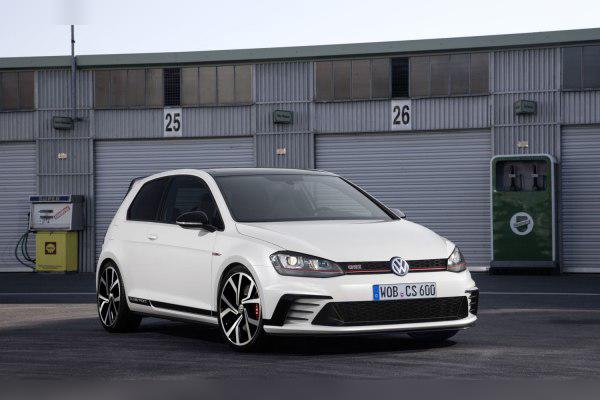
2.0 TDI EA288 (184 HP): Experiences, Problems, Fuel Consumption and Buying Used
Key points (TL;DR)
- Performance: With 184 HP and 380 Nm, this is a "diesel GTI". Fantastic balance of power and fuel consumption.
- Biggest downside: Water pump and thermostat. They often leak or seize before the timing belt service interval.
- Camshaft drive: Uses a timing belt, not a chain. It’s recommended to shorten the replacement interval.
- DPF and EGR: Sensitive to city driving. Passive regeneration is crucial. The AdBlue system is known to cause issues with the heater.
- Gearbox: DSG (DQ250/DQ381) is excellent but requires regular oil changes every 60,000 km. The manual puts more stress on the dual-mass flywheel.
- Recommendation: An excellent choice for those who drive a lot on open roads and want sporty performance without petrol-like fuel consumption.
Contents
- Introduction: EA288 CUNA/DGCA in the Golf GTD
- Technical specifications
- Reliability and Maintenance
- Specific Components (Costs and Failures)
- Fuel Consumption and Performance
- Additional Options and Modifications
- Gearbox: DSG or Manual?
- Buying Used and Conclusion
Introduction: EA288 CUNA/DGCA in the Golf GTD
The engine we’re talking about today is not your typical company “workhorse”. This is the heart of the Volkswagen Golf GTD (and related models such as the Octavia RS TDI or Seat Leon FR). The CUNA and DGCA codes belong to the modern EA288 family of diesel engines. Unlike the lower-output versions (150 HP), this 184 HP variant brings significant technical changes to match its sporty image, including variable valve timing (VVT) and a more complex cooling system.
This engine is important because it represents the “golden middle ground” – it offers torque that pins you to the seat, yet sips fuel if you’re gentle on the throttle. However, that sophistication also brings certain maintenance risks.
Technical specifications
| Specification | Value |
|---|---|
| Engine displacement | 1968 ccm (2.0 L) |
| Power | 135 kW (184 HP) at 3500–4000 rpm |
| Torque | 380 Nm at 1750–3250 rpm |
| Engine codes | CUNA, DGCA |
| Injection type | Common Rail (Bosch/Continental) up to 2000 bar |
| Charging system | Variable geometry turbocharger (VGT) + intercooler |
| Camshaft drive | Timing belt |
| Emission standard | Euro 6 |
Reliability and Maintenance
Timing belt or chain?
The 184 HP EA288 engine uses a timing belt to drive the camshafts. This is good news, as older chains on some VW engines proved problematic. The factory replacement interval is optimistically set at 210,000 km. In practice, experience suggests otherwise.
Recommendation: Do the full timing service at a maximum of 150,000 to 160,000 km or 5–7 years of age. The reason isn’t just the belt, but also the components that rotate with it – tensioners and, most importantly, the water pump.
Most common failures: Cooling Achilles’ heel
The biggest issue with this engine is the variable-flow water pump. It has a sliding ring that regulates coolant flow so the engine warms up faster. That ring often seizes (stays closed or open), or the pump itself starts leaking. Symptoms are engine overheating under load or coolant loss without visible traces under the car (because it evaporates on the block). This can happen as early as 60,000–80,000 km.
Other common problems include oil leaks at the crankshaft seal (gearbox side) and failures of exhaust gas temperature sensors.
Oil: Capacity and consumption
The sump of this engine holds approximately 4.6 to 4.7 liters of oil. Always use 5W-30 or 0W-30 that meets the strict VW 504.00 / 507.00 specification, primarily because of the DPF.
As for oil consumption, the EA288 is significantly better than the older PD (Pumpe-Düse) engines. Consumption of up to 0.5 liters per 10,000 km is perfectly acceptable and normal. If it uses more than a liter between services and there are no leaks, that may indicate an issue with piston rings or the turbo, although this is rare at lower mileages.
Injector longevity
This engine uses piezoelectric injectors. They are precise and quiet, but sensitive to poor-quality fuel. In general, they are durable and often last over 250,000 km without overhaul. Symptoms of bad injectors include rough idle (“hesitation”), increased fuel consumption and smoke under hard acceleration. Replacing the full set is very expensive (depends on the market), so checking injector corrections on diagnostics is a must before buying.
Specific Components (Costs)
Dual-mass flywheel
Yes, this engine uses a dual-mass flywheel (DMF). Given the high torque of 380 Nm, it’s a wear item. With more spirited driving (which the GTD encourages), the flywheel can start showing signs of fatigue as early as around 150,000 km. Symptoms include a metallic “clattering” noise when switching the engine off, or vibrations in the clutch pedal at idle.
Turbocharger
The engine has a single turbocharger (usually Garrett or Mahle). It’s not a bi-turbo, which keeps maintenance costs down. Turbo lifespan is directly tied to regular oil changes and driving style (cooling it down after fast driving). With proper care, the turbo easily exceeds 200,000+ km.
Emissions: DPF, EGR and AdBlue
This is a Euro 6 engine, which means it’s packed with emissions hardware.
- DPF filter: Located close to the engine for faster warm-up. If the car is mostly driven on open roads, the DPF can last indefinitely. City driving kills it.
- EGR valve: There are two recirculation circuits (high and low pressure). The EGR cooler and the valve itself are prone to soot build-up, which leads to a “Check Engine” light and loss of power.
- AdBlue: Yes, the Golf GTD and related models with this engine use an AdBlue (SCR) system. The most common failures are the heater in the AdBlue tank or the pump, as well as the urea injector which crystallizes. Repairs are not cheap and often require replacement of the complete tank module.
Fuel Consumption and Performance
Real-world fuel consumption
Although the factory promises miracles, reality looks like this:
- City driving: Expect between 7.0 and 8.5 l/100 km. In heavy winter traffic, this can go up to 9 liters. It’s still a 2.0 engine.
- Country roads: This is where the engine shines. On main roads, consumption drops to 4.5–5.5 l/100 km.
- Motorway: At 130 km/h, fuel consumption is around 6.0 l/100 km.
Performance: Is it “lazy”?
Absolutely not. With 380 Nm available from just 1750 rpm, this engine makes the Golf VII feel very agile. In-gear acceleration is fantastic, overtakes are effortless. There’s no feeling of the body being heavy.
On the motorway at 130 km/h in sixth gear (or seventh on newer DSGs), the engine spins at about 2,100–2,200 rpm. That ensures a quiet cabin and low fuel consumption.
Additional Options and Modifications
Chip tuning (Stage 1)
The 184 HP EA288 is very tuning-friendly. A safe Stage 1 remap raises power to about 220 HP and torque to 440–450 Nm. The engine handles this mechanically very well, but keep in mind:
- The turbo is subjected to higher loads.
- If you have a manual gearbox, the clutch will wear out significantly faster.
- The DPF will regenerate more often due to increased fuel and soot.
Gearbox: Manual or DSG?
Gearbox options
There are two gearbox options with this engine:
- 6-speed manual gearbox: Precise and robust.
- DSG automatic gearbox: In the pre-facelift Golf 7 GTD this is mostly the DQ250 (6-speed, wet clutches). Later models (Golf 7.5) get the DQ381 (7-speed, wet clutches).
Gearbox issues and maintenance
DSG (DQ250/DQ381): These are excellent gearboxes, but they require religious maintenance. Oil and filter in the gearbox MUST be changed every 60,000 km. If not, the mechatronics unit (the gearbox “brain”) can fail, and repairs are measured in thousands of euros. The clutches are durable, but wear faster in city driving. Symptoms of failure: harsh shifts, delayed response, oil leaks.
Manual gearbox: The gearbox itself is rarely an issue. The main cost here is the clutch kit with the dual-mass flywheel. Replacement is expensive (depends on the market), but usually done once every 150–200k km.
Buying Used and Conclusion
What to check before buying?
- Cold start: Listen for knocking noises from the gearbox area (flywheel). The engine should run smoothly immediately after starting.
- Coolant: Check the expansion tank. Is the level below minimum? Are there any deposits (signs of oil and coolant mixing)? Are there traces of leaks around the timing belt area?
- Diagnostics: Check DPF load (anything over 50–60 g of ash means it’s near the end of its life) and injector corrections.
- AdBlue: Check for any fault codes related to the Reductant tank heater.
Conclusion
The 2.0 TDI (184 HP) engine in the Golf GTD is probably the best all-rounder you can buy. It offers hot-hatch performance with the fuel costs of an average diesel. However, maintenance is not as cheap as on a regular Golf 1.6 TDI.
This engine is aimed at drivers who spend time on open roads and appreciate having power in reserve. If you drive exclusively in the city (stop-and-go), avoid this engine due to DPF and EGR issues – a petrol or hybrid is a better option for you.
Was this content useful to you?
Your opinion helps us to improve the quality of the content.