CAVD, CTHD, CTKA Engine
- Engine
- 1390 cm3
- Aspiration
- Turbocharger, Intercooler
- Fuel
- Petrol (Gasoline)
- Fuel injection system
- Direct injection
- Power
- 160 hp @ 5800 rpm
- Torque
- 240 Nm
- Cylinders
- 4
- Valves
- 16, 4 per cylinder
- Cylinders position
- Inline
- Valvetrain
- DOHC
- Oil capacity
- 3.6 l
- Coolant
- 5.6 l
# Vehicles powered by this engine
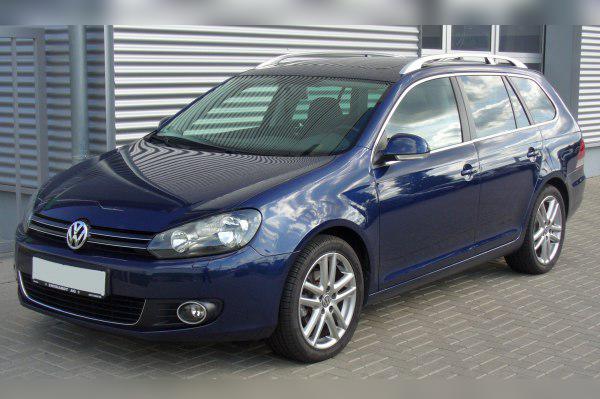
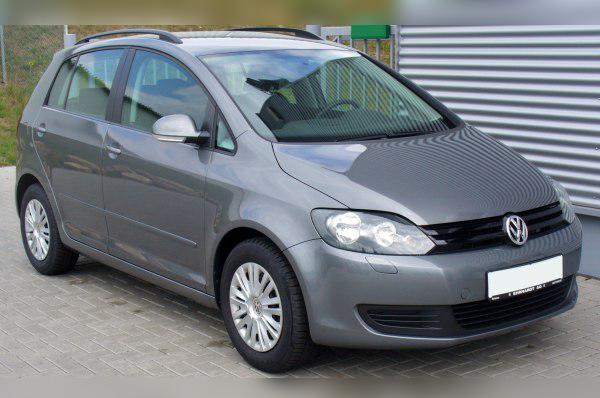
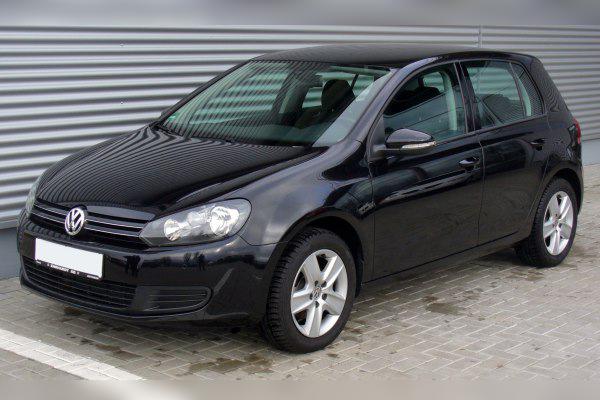
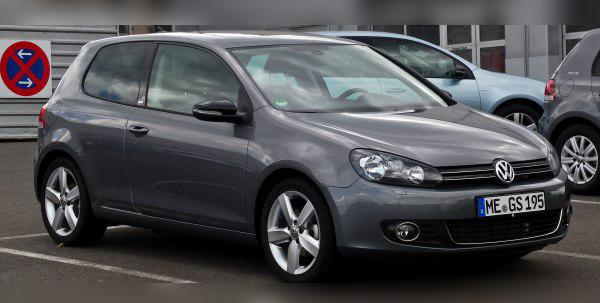
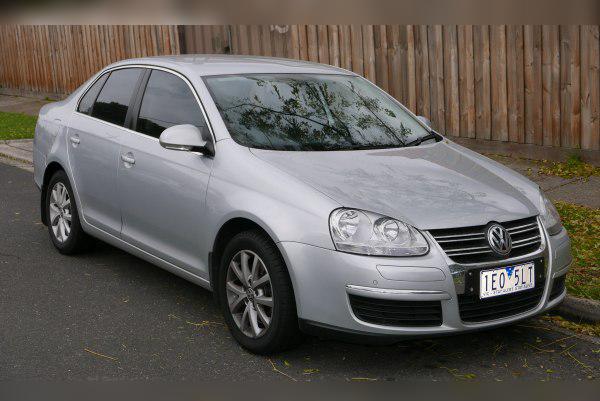
1.4 TSI Twincharger (160 HP) – Experiences, problems, fuel consumption and buying used
Key points (TL;DR)
- Engine concept: This is the so‑called "Twincharger" engine that uses both a supercharger and a turbocharger. It offers great performance, but is mechanically very complex.
- Reliability: Belongs to the riskier group of VW engines. Older versions (CAVD) are known for piston failure and timing chain issues. Later versions (CTHD, CTKA) were improved.
- Timing: Uses a chain that is prone to stretching. Replacement is mandatory as soon as you hear rattling on cold start.
- Oil consumption: Common, especially on higher‑mileage cars. The cause is often piston rings or the turbo.
- Gearbox: Paired with a manual or 7‑speed DSG gearbox (dry clutch), which requires a mechatronics check.
- Recommendation: Fantastic to drive, but requires meticulous maintenance. Not recommended for drivers who want to save on servicing.
Contents
Introduction: A technological marvel with an Achilles' heel
The 1.4 TSI engine with 160 HP (codes CAVD, CTHD, CTKA) was a real revolution when it appeared. Volkswagen wanted to reconcile the irreconcilable: small displacement for low fuel consumption and emissions, and high power comparable to the old 2.0 naturally aspirated engines. The solution was found in twin charging (Twincharger).
This engine uses a mechanical supercharger for low revs to eliminate "turbo lag", and a conventional turbocharger that takes over at higher revs. The result is linear power delivery and excellent throttle response in bodies such as the Golf VI and Jetta V. However, this complexity also brought specific maintenance challenges that every potential owner must be aware of.
Technical specifications
| Specification | Data |
|---|---|
| Engine displacement | 1390 cc (1.4 L) |
| Power | 118 kW (160 HP) |
| Torque | 240 Nm at 1500–4500 rpm |
| Engine codes | CAVD, CTHD, CTKA |
| Injection type | Direct injection (TSI/FSI) |
| Charging method | Twincharger (Supercharger + Turbocharger) |
| Number of cylinders/valves | 4 cylinders / 16 valves |
Reliability and maintenance
Chain or belt?
This engine uses a timing chain. Unfortunately, this is one of the weakest points of the earlier series of this engine. The chain is prone to stretching even at mileages below 100,000 km. The hydraulic chain tensioner, which tends to fail, is also a frequent culprit.
Symptoms: Metallic rattling or "grinding" on cold start that lasts a few seconds. If ignored, the chain can jump a tooth, causing piston‑to‑valve contact – a complete engine failure.
Most common faults and issues
Besides the chain, the most serious problem with the CAVD variant is piston and ring failure. Due to high thermal load and occasional injector issues (they "dribble" fuel and wash away the oil), detonation occurs in the cylinder. This often breaks the ring lands on the pistons. Symptoms: Loss of compression, rough idle, high oil consumption and smoke from the exhaust. Later versions (CTHD from 2012 onwards) have reinforced pistons and are less prone to this failure.
A common failure is also the magnetic clutch on the water pump. The water pump on this engine has a dual role – it cools the engine and, via a magnetic clutch, engages the supercharger. When the clutch fails, the car loses power at low revs and often squeals.
Service intervals and oil
Major service: Since the engine has a chain, there is no fixed replacement interval as with a belt. However, in practice the chain rarely lasts more than 120,000–150,000 km without stretching. Preventive inspection of the chain condition every 60,000 km is recommended.
Minor service and oil: The engine takes about 3.6 liters of oil. Only fully synthetic oil of grade 5W-30 or 5W-40 (VW 504.00 or 502.00 standard) is recommended. Due to the high specific output and the turbo, the oil change interval should be shortened to a maximum of 10,000 to 12,000 km (or one year). Avoid "LongLife" intervals of 30,000 km; they are disastrous for this engine.
Oil consumption
This engine is known to like to drink oil. Consumption of up to 0.5 liters per 2,000–3,000 km is often seen on used cars. If it consumes a liter per 1,000 km, this indicates a problem with the rings or the turbo. Regular dipstick checks are mandatory – do not wait for the warning light!
Spark plugs and coils
On this engine, spark plugs are a critical component. A bad plug can cause misfires, which is one of the main causes of piston failure. Replacement of spark plugs every 40,000 to 60,000 km is recommended. Use only high‑quality (iridium/platinum) spark plugs specified by the manufacturer.
Specific parts (costs)
Dual mass flywheel
Yes, this engine has a dual mass flywheel, regardless of whether it is paired with a manual or DSG gearbox. Its role is to dampen engine vibrations. Replacement is expensive (falls into the "costly, market‑dependent" category), and symptoms of wear are knocking when switching off the engine and vibrations on the clutch pedal.
Fuel injection system and injectors
The engine uses direct fuel injection at high pressure. Injectors are precise but sensitive to poor fuel quality. They can clog or start leaking, which washes away the oil film from the cylinder walls. Injector replacement is moderately expensive. Also, due to direct injection, carbon deposits build up on the intake valves over time, which may require mechanical cleaning ("walnut blasting" or chemical cleaning) at higher mileages.
Turbocharger and supercharger
This is the most complex part. The engine has two chargers:
- Mechanical supercharger (Roots type): Operates from idle up to about 3,500 rpm. Generally reliable, but is engaged via the aforementioned magnetic clutch on the water pump, which is a wear item.
- Turbocharger: Operates at higher revs. Service life depends on regular oil changes and driving style (cooling the turbo after spirited driving). Rebuild is possible.
The boost control system (wastegate, N75 valves) is complex and can cause power fluctuation issues.
EGR and emissions
The engine has no DPF (it’s a petrol engine) and no AdBlue system, which makes maintenance easier compared to diesels. However, it does have a catalytic converter and an exhaust gas recirculation (EGR) system that can get clogged with soot, especially in city driving. Catalytic converter failure is common if the engine burns a lot of oil.
Fuel consumption and performance
Real‑world consumption
- City driving: Expect between 8.5 and 10.5 l/100 km. Although the engine is small, the heavy body and stop‑and‑go traffic increase consumption.
- Country roads: This is where it’s most economical; you can get down to 5.5–6.5 l/100 km.
- Motorway (130 km/h): At this speed the engine runs at about 2,800–3,000 rpm (in 6th gear or 7th on DSG) and consumes around 7.0–8.0 l/100 km.
Is it "lazy"?
Absolutely not. With 160 HP and 240 Nm available from just 1,500 rpm, this engine moves the Golf VI and Jetta with ease. 0–100 km/h takes around 8 seconds, which is quicker than most average cars on the road. Overtaking is safe and effortless, even uphill.
Additional options and modifications
LPG conversion
Since this is an engine with direct injection, LPG conversion is complicated and expensive. It requires a special system (e.g. liquid phase or a system that uses both petrol and LPG at the same time to cool the injectors). Cost‑effectiveness is questionable unless you cover very high mileages (over 20–30k km per year). The risk of valve overheating is also higher on LPG.
Remapping (Stage 1)
The engine has great tuning potential. A Stage 1 remap can raise power to about 190–200 HP and torque to nearly 300 Nm. WARNING: Given the fragile pistons on the CAVD series, remapping is not recommended unless you are 100% sure of the engine’s health. Increasing boost pressure further stresses already highly loaded components. On the CTHD version it is somewhat safer, but the risk is always there.
Gearbox and drivetrain
Types of gearboxes
Two types of gearboxes were fitted to this engine:
- 6‑speed manual: Precise and robust. The most common issues are related to the clutch kit and dual mass flywheel. Gearbox oil change is recommended every 60,000–80,000 km, even though VW often states it is "lifetime".
- 7‑speed DSG (DQ200): This is a gearbox with a dry clutch.
Problems with the DSG (DQ200) gearbox
This gearbox offers lightning‑fast gear changes and lower fuel consumption, but this generation has a poor reputation for reliability. Most common failures: Mechatronics (control unit) failure and rapid wear of clutch packs, especially in heavy city traffic. Symptoms are jerking when setting off, harsh shifts from first to second gear, or flashing gear indicators on the dashboard. Repairs are very expensive. The oil in this gearbox (both in the mechatronics and gear section) should be changed, ideally every 60,000 km.
Buying used and conclusion
Before buying a car with the 1.4 TSI Twincharger engine, make sure you do the following:
- Cold start: Listen to the engine when it is completely cold. Any rattling longer than 2–3 seconds indicates a chain problem.
- Compression test: This is crucial. If compression is low on any cylinder, the piston or rings are likely damaged.
- Test drive: Accelerate hard in 3rd or 4th gear from low revs. Acceleration must be linear, without "stuttering". Stuttering may indicate problems with spark plugs, coils or misfires due to poor compression.
- Engine code: If you can choose, look for models produced from late 2012 with the CTHD or CTKA code, as these are revised and more reliable versions.
Conclusion:
The 1.4 TSI (160 HP) is an engine for enthusiasts who want GTI‑like performance in a "normal" package and are willing to pay for it through meticulous maintenance. It offers a lot of driving pleasure. However, for the average driver looking for a reliable "fill up and drive" car with minimal running costs, this engine (especially the older CAVD version) can be a financial trap. If you are buying one, look for a car with a complete service history and, ideally, a chain and pistons that have already been replaced.
Was this content useful to you?
Your opinion helps us to improve the quality of the content.