CDLG Engine
- Engine
- 1984 cm3
- Aspiration
- Turbocharger, Intercooler
- Fuel
- Petrol (Gasoline)
- Fuel injection system
- Direct injection
- Power
- 235 hp @ 5500 rpm
- Torque
- 300 Nm @ 2200 rpm
- Cylinders
- 4
- Valves
- 16, 4 per cylinder
- Cylinders position
- Inline
- Valvetrain
- DOHC, VVT
- Oil capacity
- 4.6 l
- Coolant
- 8 l
# Vehicles powered by this engine
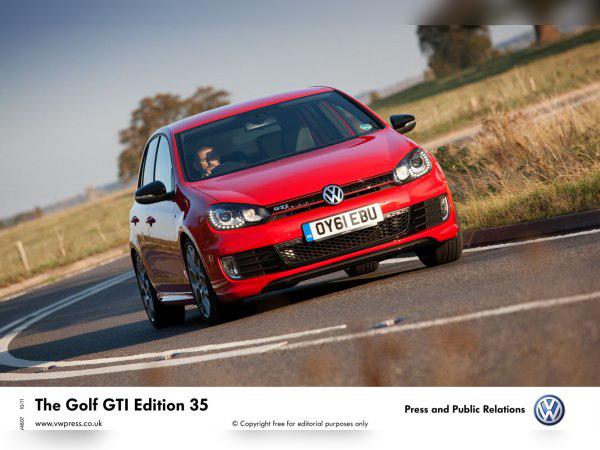
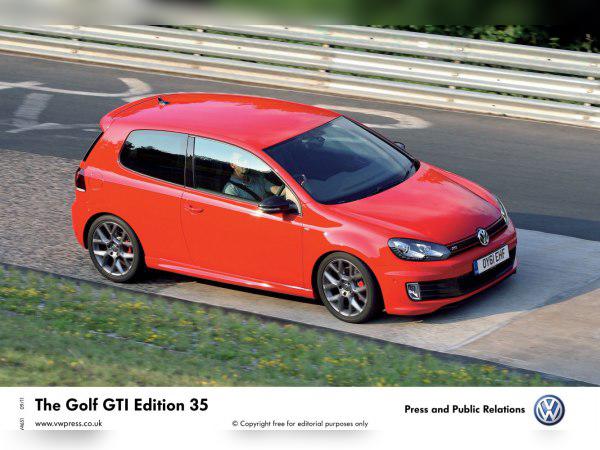
VW 2.0 TSI (CDLG) – Experiences, problems, fuel consumption and buying used
If you’re looking at a Volkswagen Golf 6 GTI, you probably know that not all of them are the same. The CDLG engine is a special beast that was installed exclusively in the Golf VI GTI Edition 35. Unlike the standard GTI, which uses a newer chain-driven engine generation, the CDLG is actually a detuned version of the engine from the Golf R and Audi S3. That means you’re getting “older” but more robust technology with huge potential. Below is everything a future owner needs to know.
Key points in short (TL;DR)
- Based on the Golf R: The CDLG has reinforced pistons, connecting rods and a larger turbo (K04) compared to the regular GTI.
- Timing belt: Unlike the standard Golf 6 GTI, this engine uses a timing belt, which many consider a more reliable solution.
- Cam follower: The Achilles’ heel of this engine. It must be checked regularly so it doesn’t destroy the camshaft.
- Tuning potential: One of the best engines for increasing power. Stage 1 easily goes over 300 hp.
- Fuel consumption: Not a low-consumption engine, especially in the city. Expect double‑digit figures.
- Gearbox: Comes with the excellent DQ250 DSG gearbox or a manual gearbox; both require regular maintenance.
Contents
- Technical specifications
- Reliability and maintenance
- Specific parts (costs)
- Fuel consumption and performance
- Additional options and modifications
- Gearbox
- Buying used and conclusion
Technical specifications
| Parameter | Data |
|---|---|
| Displacement | 1984 cc (2.0 L) |
| Power | 173 kW (235 hp) |
| Torque | 300 Nm at 2200–5500 rpm |
| Engine code | CDLG (EA113 family) |
| Injection type | Direct injection (TSI/FSI) |
| Charging | Turbocharger (BorgWarner K04) + intercooler |
Reliability and maintenance
Timing belt or chain?
This is a key difference and a big advantage for many. The CDLG engine uses a timing belt to drive the camshafts. That puts it in the older “EA113” engine family (similar to the Golf 5 GTI), and not in the more problematic first series of EA888 chain-driven engines used in the regular Golf 6 GTI. However, there is also a short chain on the rear side of the engine that connects the two camshafts and serves for synchronization – it should also be checked if you hear rattling.
Most common failures
Although the engine is very robust (a “bulletproof” base), it has some specific weak points:
- Cam follower (high-pressure fuel pump tappet): This is the most critical point. A small metal cup between the camshaft and the fuel pump wears out. If it gets punctured, the pump grinds directly on the camshaft, which leads to expensive damage. Preventive replacement every 20,000–30,000 km is recommended (the part is not expensive, but it is vital).
- PCV valve (oil vapor separator): When it fails, the engine can run unevenly, whistle or consume oil. A symptom is also strong vacuum that makes it hard to open the oil cap while the engine is running.
- Diverter valve (DV): Factory valves with a rubber membrane often tear, leading to power loss (boost leak). It is recommended to replace them with a newer piston-type revision.
- Carbon buildup: Due to direct injection, the intake valves get dirty over time, which can reduce performance and cause rough idle. Cleaning is needed at higher mileage.
Major and minor service
The major service (replacement of timing belt, tensioner and water pump) is factory-recommended at 180,000 km, but that is overly optimistic. Experienced mechanics and enthusiasts advise doing it at 90,000 to 120,000 km or every 5 years for safety.
The engine takes about 4.6 liters of oil. A 5W-40 or 5W-30 grade (VW 502.00 / 504.00 standard) is recommended. Because of the high turbo temperatures, high-quality synthetic oil is mandatory.
Oil consumption
CDLG engines are known to like to “drink” a bit of oil, but generally less than the newer EA888 engines with bad piston rings. Consumption of about 0.5 liters per 2,000–3,000 km can be considered acceptable, especially if the car is driven hard. If it uses a liter per 1,000 km, that points to a problem with the rings or the turbo.
Spark plugs and coils
On a stock engine, spark plugs are replaced at 60,000 km. However, if the car is chipped (which is often the case with the Edition 35), the interval is reduced to 20,000–30,000 km, with a recommendation for colder plugs (e.g. NGK BKR7EIX). Coils (the popular red R8 upgrade) also tend to fail suddenly, causing the engine to run on 3 cylinders.
Specific parts (costs)
Dual-mass flywheel
Yes, this engine has a dual-mass flywheel (DMF), regardless of whether it’s paired with a manual or DSG gearbox. Symptoms of failure are metallic noise when starting/stopping and vibrations at idle. Replacement is expensive (depends on the market), but necessary for comfortable driving.
Fuel injection system
It uses a high-pressure direct injection system. Injectors are generally reliable and rarely cause issues before high mileage. A bigger concern is the high-pressure fuel pump (HPFP), which depends on the condition of the above-mentioned cam follower.
Turbocharger
This is where the strength of this model lies. The CDLG uses a BorgWarner K04-064 turbocharger. This is a larger turbo than in the regular GTI (K03). The K04 is an extremely durable and robust turbo that can withstand high loads. With regular oil changes and letting the engine cool down before shutting it off, the turbo can last as long as the engine itself.
Emissions systems (DPF, EGR, AdBlue)
Being a petrol engine, it does not have a DPF filter or AdBlue system. It also doesn’t have a classic EGR valve that clogs up like on diesels (the recirculation function is partly handled by variable valve opening). This means fewer headaches with emissions systems compared to modern diesels, although catalytic converters can fail if the engine burns a lot of oil.
Fuel consumption and performance
City driving
Be prepared for reality – this is not an economical car. In pure city driving, real-world consumption ranges from 11 to 14 liters per 100 km. In stop‑and‑go traffic and with cold starts, the figures can be even higher.
Is the engine “lazy”?
Absolutely not. With 235 hp and 300 Nm (available over a wide rev range), this engine makes the Golf extremely agile. The K04 turbo has a slightly larger turbo lag compared to the smaller K03, but once it spools above 2500 rpm, the hit of power is brutal. The body weight is no problem for it.
Highway
On open roads the CDLG really shines. At 130 km/h in 6th gear, the engine is relaxed. Highway consumption is around 8–9 liters, while driving on country roads can bring the average down to about 7.5 liters, but that requires a very light right foot.
Additional options and modifications
LPG conversion
Since this is a direct-injection engine (FSI/TSI), LPG conversion is complex and expensive (depends on the market). Special systems are needed that either inject liquid gas or still use a certain percentage of petrol to cool the petrol injectors. Given the sporty nature of the Edition 35 model, LPG conversion is rarely recommended, as it can affect performance and the long-term reliability of the cylinder head.
Remapping (tuning)
This is the main reason enthusiasts buy the Edition 35. Thanks to the K04 turbo and reinforced engine internals, a Stage 1 remap safely raises power to 300–310 hp and over 400 Nm of torque. That completely transforms the car. The engine handles these power increases very well, provided it is regularly maintained.
Gearbox
Variants
Two options come with the CDLG engine:
- 6-speed manual gearbox: Precise and reliable.
- 6-speed DSG automatic gearbox (DQ250): Dual-clutch gearbox with oil‑immersed clutches (wet clutch).
Failures and maintenance
Manual: The weakest link is the clutch. If you increase the power (chip the car), the stock clutch will start to slip quickly. Replacing the clutch kit with the flywheel is a significant expense.
DSG (DQ250): Considered one of the more reliable automatic gearboxes. The most important rule is: oil and filter change in the gearbox every 60,000 km. If this is ignored, the mechatronics unit (the “brain” of the gearbox) fails, and repairs are very expensive (depends on the market). Symptoms of problems are jerking when setting off, harsh shifts or delayed response.
Buying used and conclusion
Before buying a Golf VI GTI Edition 35 with this engine, pay attention to:
- Engine noise: Listen for chain rattle (the small one that connects the camshafts) on the right side of the engine (viewed from the front). A “diesel-like” sound at idle can indicate an issue with the tensioner or cam phaser.
- Service history of the cam follower: Ask the owner when the cam follower was last replaced. If they don’t know what that is, plan an immediate inspection and replacement.
- Exhaust smoke: Blue smoke when accelerating or on engine braking points to bad piston rings or a failing turbo.
- DSG shifting: The gearbox must shift smoothly, without jolts, especially when shifting from P to D or R while the car is cold.
Conclusion: The VW 2.0 TSI (CDLG) is a gem for driving enthusiasts. It offers a much better base for performance and durability than the standard GTI engine of that generation. Although maintenance is not cheap (high fuel consumption, sensitive high-pressure system), the driving feel and reliability at higher power levels justify the costs. This is an engine for enthusiasts who know what they’re driving and don’t skimp on quality oil and parts.
Was this content useful to you?
Your opinion helps us to improve the quality of the content.