EA211 / CNLA, CRJA Engine
- Engine
- 1395 cm3
- Aspiration
- Turbocharger, Intercooler
- Fuel
- Petrol (Gasoline)
- Fuel injection system
- Direct injection
- Power
- 150 hp
- Torque
- 250 Nm
- Cylinders
- 4
- Valves
- 16, 4 per cylinder
- Cylinders position
- Inline
- Valvetrain
- DOHC
- Oil capacity
- 4 l
- Coolant
- 8 l
- Systems
- Start & Stop System
# Vehicles powered by this engine
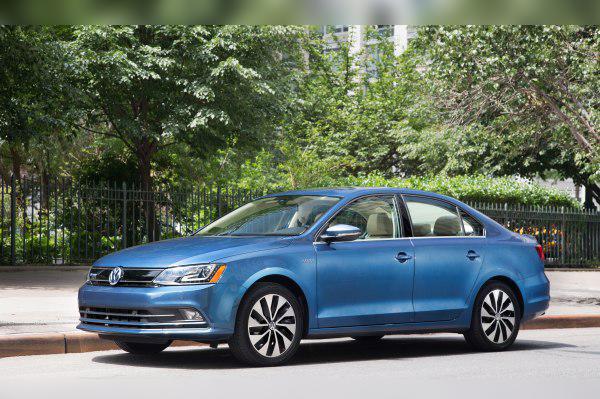
Volkswagen 1.4 TSI Hybrid (EA211) - CNLA / CRJA: Experiences, Issues, Fuel Consumption and Maintenance
If you are considering buying a Volkswagen Jetta VI Hybrid with the 1.4 TSI engine code CNLA or CRJA, you are entering territory where German precision meets modern eco trends. This is not a classic petrol engine, but the heart of a hybrid system that combines a 150 hp turbo petrol engine with a 20 kW (27 hp) electric motor. The total system output is 170 hp.
This engine belongs to the EA211 generation, which is key information because it corrects many of the flaws of the previous (infamous) EA111 series. Still, as a ten‑year‑old used hybrid, it requires specific attention.
Key points in short (TL;DR)
- Biggest advantage: Switching from a chain to a timing belt solved the biggest problem of the old TSI engines.
- Fuel consumption: Extremely low in the city for a sedan with this power (around 5–6 l/100 km).
- Gearbox: Comes exclusively with the DQ200 7-speed DSG gearbox, which needs to be checked (mechatronics and clutches).
- Common faults: Coolant pump (thermostat housing) leaks and carbon buildup on the valves.
- Hybrid system: Check the condition of the high-voltage battery, as replacement may be uneconomical (very expensive).
- Recommendation: An excellent choice for drivers who want GTI-like performance with diesel-like fuel consumption, but it requires strict maintenance.
Contents
- Technical specifications
- Reliability and Maintenance
- Specific Parts and Costs
- Fuel Consumption and Performance
- Additional Options and Modifications
- Gearbox (DSG)
- Buying Used and Conclusion
Technical specifications
| Parameter | Value |
|---|---|
| Engine displacement | 1395 cc (1.4 litres) |
| Power (Petrol / System total) | 110 kW (150 hp) / 125 kW (170 hp system) |
| Torque (Petrol) | 250 Nm at 1600–3500 rpm |
| Engine codes | CNLA, CRJA (EA211 series) |
| Injection type | Direct injection (TSI) |
| Induction | Turbocharger + intercooler |
Reliability and Maintenance
Does this engine have a timing belt or a chain?
Good news! Engines with codes CNLA and CRJA belong to the EA211 family and use a timing belt. This is a huge step forward compared to the older 1.4 TSI engines (EA111), which had problematic chains prone to stretching and breaking. The belt on this engine is designed to last a long time, but it is not eternal.
What are the most common issues with this engine?
Although more reliable than its predecessor, the EA211 is not without flaws:
- Water pump and thermostat housing: This is the most common issue. The housing is plastic and over time it cracks or deforms from heat, which leads to coolant loss. Symptom: Smell of coolant in the cabin or a puddle under the car.
- Turbo actuator (wastegate): The actuator rod can seize, resulting in power loss and the "Check Engine" light coming on (EPC fault).
- Carbon buildup: As a direct-injection engine, the intake valves are not "washed" by fuel. Over time, soot builds up and can restrict airflow, causing rough idle.
At what mileage should the major service be done?
Volkswagen often states "lifetime" intervals or a first inspection at 210,000 km for the belt, which in practice is far too optimistic. Experienced mechanics recommend replacing the timing set (belt, tensioners, water pump) at 120,000 to 150,000 km or every 5 to 7 years, whichever comes first. A snapped belt leads to catastrophic engine damage.
How many litres of oil does this engine take and which grade is recommended?
The engine takes approximately 4.0 litres of oil. It is recommended to use only fully synthetic oil of grade 5W-30 or 0W-20 (for newer model years) that meets the strict VW 504.00 / 507.00 standards. High-quality oil is crucial for turbocharger longevity.
Does it consume oil between services?
Unlike older TSI engines, which were notorious for oil consumption (due to poor piston rings), the EA211 series is much better. Consumption of up to 0.5 litres per 10,000 km is acceptable and considered normal. If it uses more than 1 litre between services, this points to an issue with the turbo or piston rings, although this is rarer with these engine codes.
At what mileage should the spark plugs be replaced?
Spark plugs should be replaced every 60,000 km. Since this is a hybrid, the engine frequently starts and stops, so the ignition system is under specific stress. Use only iridium or platinum spark plugs recommended by the manufacturer (NGK or Bosch).
Specific Parts (Costs)
Does the engine have a dual-mass flywheel?
Yes, it does. Although it is paired with a DSG gearbox and an electric motor, the system uses a dual-mass flywheel (DMF) to dampen vibrations. In hybrids, the flywheel is exposed to sudden torque changes when switching from electric to petrol drive. Replacement is expensive (depends on the market).
What kind of injection system does it have and are the injectors problematic?
It uses high-pressure direct injection. The injectors are generally reliable but sensitive to poor fuel quality. A faulty injector manifests as jerking while driving or fuel leaking into the sump (rising oil level). Preventive injector cleaning with additives is recommended.
Does this engine have a turbocharger and what is its lifespan like?
The engine has a single turbocharger (small-sized for quicker response). It does not have a supercharger like the old Twincharger engines, which is good for reliability. In this generation (EA211), the intercooler is integrated into the intake manifold and is water-cooled (air-to-water), which improves efficiency. The typical turbo lifespan is over 200,000 km with regular oil changes.
Does this model have a DPF filter or an EGR valve?
Since it is a petrol engine, it does not have a DPF (Diesel Particulate Filter). However, modern petrol engines do have a catalytic converter, which is expensive. As for EGR, this engine uses variable valve timing (VVT) to achieve the effect of internal exhaust gas recirculation, so a classic EGR valve that often clogs is not present in the same way as on diesels, but the intake ports still get dirty.
Does this engine use AdBlue?
No. AdBlue is used exclusively on diesel engines (SCR system) to reduce NOx emissions. This petrol engine does not require any additional fluids besides fuel, oil, brake fluid and coolant.
Fuel Consumption and Performance
What is the real-world fuel consumption in city driving?
This is where the Jetta Hybrid shines. Thanks to the electric motor, which handles moving off and low-speed driving in traffic, real-world city consumption is between 5.5 and 6.5 l/100 km. If you drive carefully and the battery is full, it is possible to get below 5 litres, which is a fantastic result for a 150 hp petrol engine.
Is this engine “lazy” for the weight of the body?
Absolutely not. The Jetta Hybrid is heavier because of the batteries, but the combined output of 170 hp and the instant torque of the electric motor makes the car very lively. The 0–100 km/h time is under 9 seconds. The "boost" function (when both motors work together) provides excellent in-gear acceleration for overtaking.
How does the engine behave on the motorway and at what rpm does it cruise at 130 km/h?
On the motorway, the hybrid system loses its advantage because the petrol engine runs constantly. Fuel consumption then rises to around 6.5–7.5 l/100 km. Thanks to the 7-speed DSG gearbox, at 130 km/h the engine spins at a pleasantly low 2,500–2,800 rpm, which makes driving quiet and comfortable.
Additional Options and Modifications
Is this engine suitable for LPG conversion?
Technically it is possible, but economically questionable and complicated. Due to direct injection, a sophisticated LPG system is required (which also uses a small amount of petrol to cool the injectors or injects liquid gas directly). The installation cost is high (over 1,000 EUR), and given that this is already a hybrid with low fuel consumption, the payback period is very long. Not recommended.
How much can this engine be safely tuned (Stage 1)?
Although the 1.4 TSI alone can be raised to 170–180 hp with software only, remapping is not recommended on the Hybrid model. The reason is the complex interaction between the petrol and electric motors, as well as the torque limit that the specific DQ200 gearbox in the hybrid configuration can handle. The risk of gearbox or inverter failure is too high.
Gearbox (DSG)
Which gearboxes are fitted to this engine?
The Jetta Hybrid (CNLA/CRJA) comes with an automatic gearbox only. It is a modified version of the well-known DQ200 7-speed DSG with dry clutches. The electric motor is integrated into the gearbox housing.
What are the most common gearbox issues?
The DQ200 is known to be "sensitive". The most common problems are:
- Clutch plate wear: Since they are "dry", they wear out faster, especially in stop‑and‑go city driving. Symptoms are juddering when moving off or slipping during gear changes.
- Mechatronics: The electro-hydraulic brain of the gearbox can fail, leading to an inability to change gears or the vehicle coming to a complete stop. Repair is expensive.
At what mileage does the gearbox need servicing?
VW often states that the DQ200 is "sealed for life" (maintenance-free), but real-world experience shows otherwise. It is recommended to change the oil in the mechatronics and in the gearbox itself every 60,000 km to extend its lifespan, even though this is not in the official maintenance schedule.
Buying Used and Conclusion
Before buying a Jetta Hybrid with this engine, make sure you do the following:
- Battery check: Use diagnostics to check the "State of Health" of the high-voltage battery. Replacing the battery can cost several thousand euros.
- Cold start: Listen to the engine at the first start. Although it has a belt, there should be no knocking.
- Gearbox test drive: The gearbox must shift imperceptibly. Any jerking when reversing or in first gear is a sign of worn clutches.
- Visual inspection: Look for traces of coolant leakage around the thermostat housing (on the right side of the engine when viewed from the front).
Conclusion: The 1.4 TSI (EA211) engine in its hybrid version is a technological gem that offers an excellent balance of power and efficiency. It is much more reliable than the older versions. However, the complexity of the hybrid system and the sensitivity of the DSG gearbox make it a risky purchase if the car has not been perfectly maintained. It is intended for drivers who cover a lot of kilometres in the city and want the comfort and power of a German sedan, while being prepared to pay for potentially expensive repairs of specific components.
Was this content useful to you?
Your opinion helps us to improve the quality of the content.