EA211 Engine
- Engine
- 1395 cm3
- Aspiration
- Turbocharger, Intercooler
- Fuel
- Petrol (Gasoline)
- Fuel injection system
- Direct injection
- Power
- 150 hp @ 5000 rpm
- Torque
- 250 Nm
- Power ethanol E85
- 150 hp
- Cylinders
- 4
- Valves
- 16, 4 per cylinder
- Cylinders position
- Inline
- Valvetrain
- DOHC
- Oil capacity
- 4.3 l
- Systems
- Start & Stop System, Particulate filter
# Vehicles powered by this engine
VW 1.4 TSI / 1.5 TSI (EA211) 150 HP – Experiences, problems, fuel consumption and used car buying guide
Key points (TL;DR)
- Major improvement: The EA211 series is drastically more reliable than the notorious EA111 series. The biggest change is the switch from a timing chain to a timing belt.
- Most common failure: The thermostat housing and water pump are made of plastic and prone to leaking.
- Performance: With 150 HP and 250 Nm, this is the “sweet spot” – an excellent balance between power and efficiency.
- Gearbox as a weak point: Paired with a DSG gearbox (often the dry-clutch DQ200), it requires caution because the gearbox is more fragile than the engine itself.
- Oil consumption: Significantly reduced compared to older generations, but still present with more aggressive driving.
- Complexity: Versions with the ACT system (cylinder deactivation) are economical but add an extra layer of mechanical complexity.
- Recommendation: Strongly recommended to buy, provided you thoroughly check the gearbox service history and cooling system.
Contents
- Introduction and applications
- Technical specifications
- Reliability and maintenance
- Specific parts and costs
- Fuel consumption and performance
- Additional options and modifications
- Gearboxes: Manual and DSG
- Buying used and conclusion
Introduction and applications
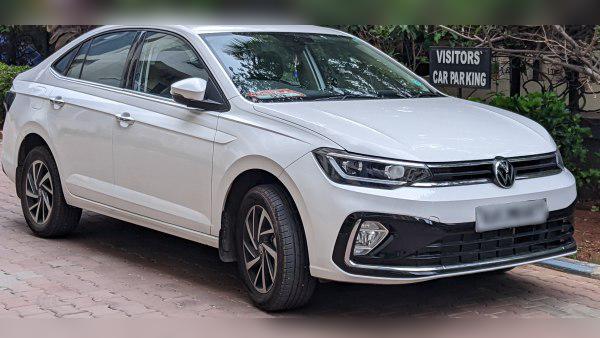
The EA211 engine is Volkswagen’s answer to the issues they had with previous generations of small-displacement turbo petrol engines. It is a modular engine platform covering displacements from 1.0 to 1.5 liters, and the 1.4-liter (1395 cc) version with 150 HP is probably the most popular and versatile variant. In more recent model years (as seen on the 2023 Virtus, for example), this engine evolved into the 1.5 TSI EVO, which keeps the same power output but brings more sophisticated technologies such as variable-geometry turbocharging and a more advanced cylinder deactivation system.
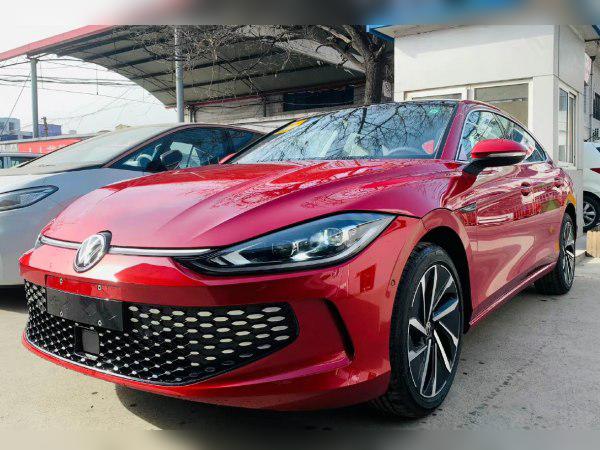
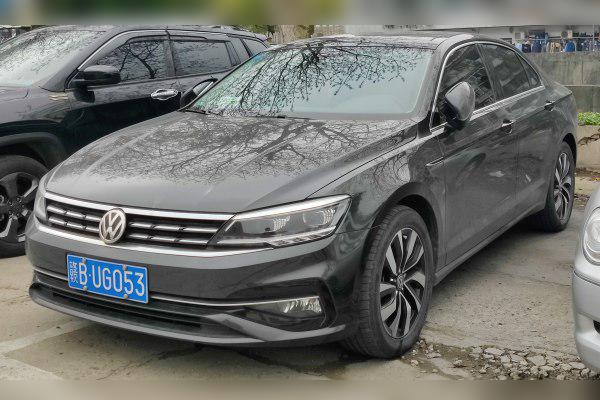
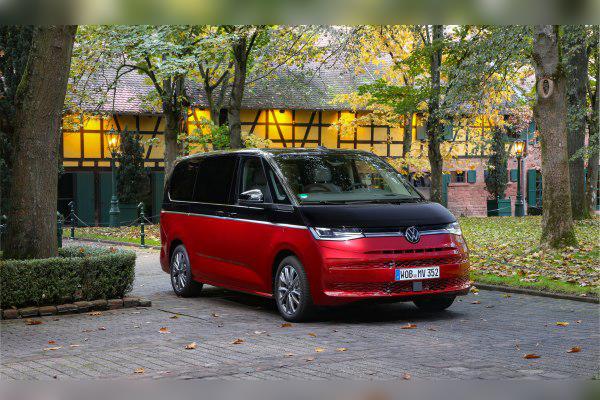
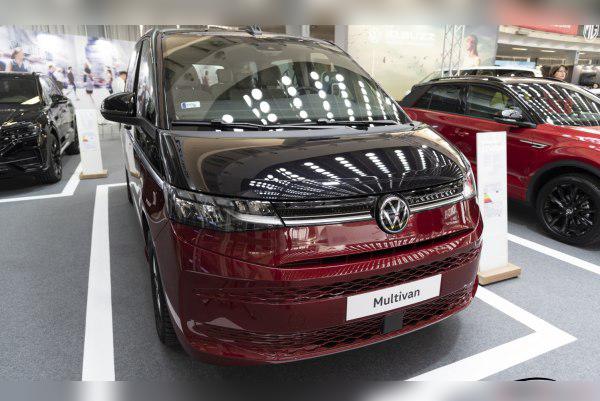
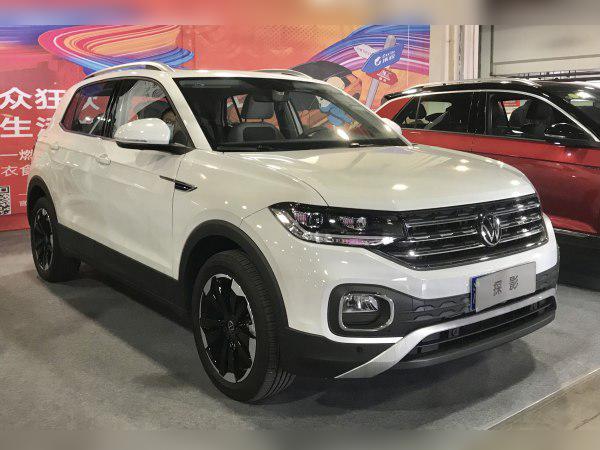
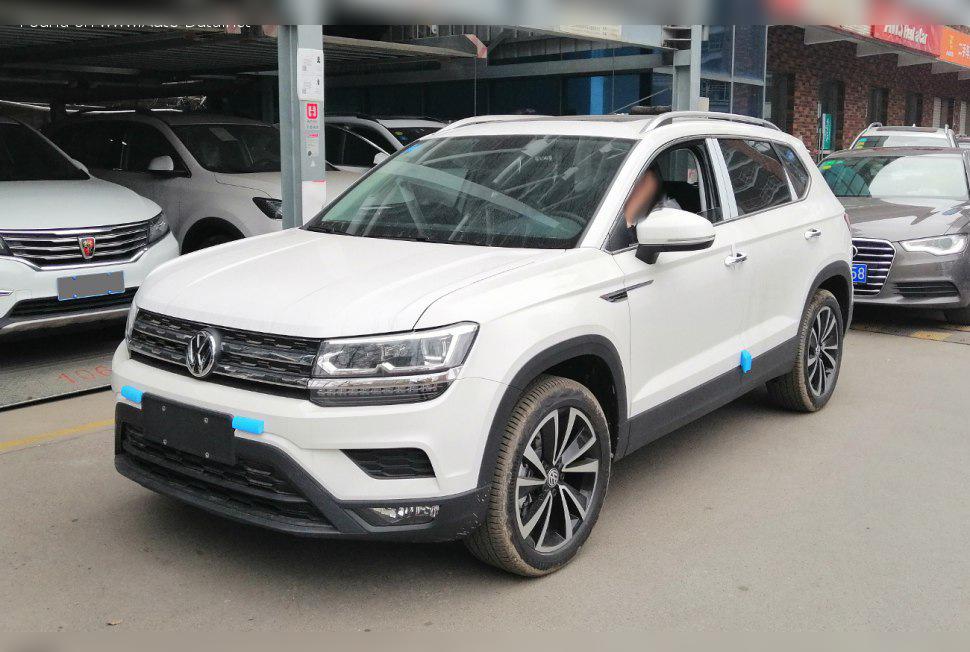
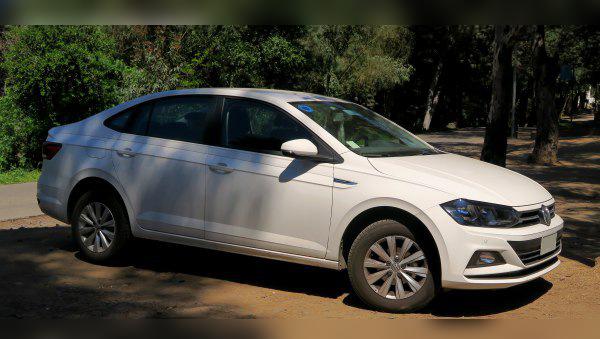
This power unit is installed in a wide range of vehicles, from sedans like the VW Lamando and crossovers such as the VW Tharu and Tacqua, all the way to larger vehicles like the VW Multivan T7 (where it usually works together with an electric motor as a hybrid). Its role is to replace older, larger-displacement naturally aspirated engines, offering better low-end torque and lower fuel consumption.
Technical specifications
| Specification | Data |
|---|---|
| Displacement | 1395 cc (1.4 TSI) / 1498 cc (1.5 TSI Evo) |
| Power | 110 kW (150 HP) at 5000–6000 rpm |
| Torque | 250 Nm at 1500–3500 rpm |
| Engine codes | CZDA, CZEA, DADA, DPCA (depends on market and model year) |
| Injection type | Direct injection (TSI/FSI) |
| Forced induction | Turbocharger with intercooler (water-cooled, integrated in the intake manifold) |
Reliability and maintenance
Timing belt or chain?
Unlike the previous generation (EA111), which had a problematic timing chain, the EA211 engine uses a timing belt. This is very good news. The belt has proven to be a very durable and quiet solution. Volkswagen specifies very long replacement intervals, but real-world practice tells a different story.
Most common issues
Although the engine is generally reliable, there are a few specific weak points:
- Water pump and thermostat: This is issue number one. The thermostat and pump module is made of plastic. Over time, due to heating and cooling cycles, the plastic can crack or deform, leading to coolant loss. Symptoms include a dropping coolant level in the expansion tank or the smell of coolant under the hood.
- Wastegate actuator (turbo arm): On older versions of the 1.4 TSI, the arm that controls the turbo can stick. Symptoms are loss of power and an illuminated “Check Engine” light (EPC fault).
- Intake valve carbon build-up: As with any direct-injection engine, fuel does not wash over the intake valves. Over time, carbon deposits accumulate, which can lead to rough idle.
- ACT system (Active Cylinder Technology): On models that deactivate two cylinders to save fuel, the mechanism on the camshaft can become noisy or, in rare cases, stick, although this is less common than many people think.
Major service
Factory intervals are often overly optimistic (they quote up to 210,000 km). From an experienced editor’s perspective, the advice is: Do the major service (replacement of belt, tensioner and water pump) at 150,000 km or 7–8 years of age, whichever comes first. A snapped belt will destroy the engine, so “prevention is better than cure”. The cost of this service is average for this class (Not cheap – Moderately expensive, depending on market and parts).
Oil: capacity and consumption
The engine takes approximately 4.0 to 4.3 liters of oil. The recommended grade is usually 5W-30 (VW 504.00/507.00 standard), although newer 1.5 TSI engines often require thinner oils such as 0W-20 (VW 508.00) for emissions reasons.
Does it burn oil? Yes, but within normal limits. The EA211 is much better in this regard than older engines. Consumption of 0.5 to 1 liter per 10,000 km is considered acceptable, especially if the car is driven aggressively or spends a lot of time on the highway. If it uses more than that, there may be issues with piston rings or valve stem seals.
Spark plugs
Since this is a turbocharged direct-injection petrol engine, the spark plugs are under higher stress. It is recommended to replace them every 60,000 km. Do not wait until the engine starts to misfire. Use only iridium or platinum spark plugs recommended by the manufacturer (NGK or Bosch).
Specific parts (costs)
Dual-mass flywheel
Yes, this engine uses a dual-mass flywheel in most variants, especially when paired with a DSG gearbox or a manual gearbox in heavier vehicles (Multivan, Tharu). With 250 Nm of torque, a solid flywheel would transmit too much vibration. Its typical lifespan is around 150,000–200,000 km, depending on driving style. Replacement is expensive (Very expensive).
Fuel injection system
It uses high-pressure direct injection. The injectors are generally reliable and rarely fail before 200,000 km. However, they are sensitive to poor fuel quality. If an injector starts leaking, it can wash oil off the cylinder walls, which is catastrophic. Regularly use fuel system cleaning additives or fill up with higher-quality fuel.
Turbocharger
The engine has a single turbocharger. The intercooler is integrated into the intake manifold and water-cooled (charge-air cooler), which allows a shorter air path and quicker throttle response. The turbo’s lifespan is usually equal to the engine’s lifespan with regular oil changes. It is not known as a weak point, apart from the mentioned actuator.
GPF, EGR and emissions
Older models (before 2018) generally do not have a GPF (Gasoline Particulate Filter). Newer models (especially the 1.5 TSI and newer 1.4 TSI engines meeting Euro 6d-TEMP standards) do have a GPF filter. It does not clog as easily as a diesel DPF because exhaust gas temperatures are higher on petrol engines. There is an EGR valve, and it can get dirty, but it is a smaller issue than on diesels.
AdBlue
No, this engine does not use AdBlue fluid. AdBlue is reserved exclusively for diesel engines to reduce NOx emissions. Petrol engines use a three-way catalytic converter and GPF to control emissions.
Fuel consumption and performance
Real-world fuel consumption
This is one of the strongest sides of the 1.4 TSI / 1.5 TSI engines.
- City driving: Expect between 7.5 and 9.0 l/100 km. In heavy vehicles like the Multivan (when the battery is empty on hybrids), this can go above 10 l/100 km.
- Highway / extra-urban: This is where the engine shines. Consumption drops to 5.5 to 6.5 l/100 km.
Performance and “sluggishness”
Is the engine sluggish? It depends on the body style.
- In models such as the Lamando, Virtus or Tharu, 150 HP is more than enough. The car feels lively, accelerates to 100 km/h in under 9 seconds and feels very responsive.
- In the VW Multivan T7, this engine on its own can feel a bit strained if the vehicle is fully loaded with passengers and luggage. Fortunately, in the Multivan it comes as an eHybrid, where the electric motor assists during acceleration, so the lack of power is not noticeable in real driving as long as there is charge in the battery.
Behavior on the motorway
The engine is very quiet and refined. Thanks to the turbo and 250 Nm of torque available from just 1500 rpm, at 130 km/h in top gear (7th gear on the DSG) the engine spins at around 2,400–2,600 rpm. This ensures quiet cruising and good fuel economy.
Additional options and modifications
LPG conversion
Since this is a direct-injection engine, converting it to LPG is complex and expensive. It requires a special system (“Direct Liquid Mechanical” or a system that also injects a small amount of petrol to cool the injectors). Installation costs are significantly higher than for conventional engines (Expensive – Very expensive). It is only truly worthwhile if you cover very high annual mileages (over 30–40,000 km per year).
Chiptuning (Stage 1)
The EA211 has good tuning potential. A Stage 1 remap safely raises power to about 170–175 HP and torque to around 300 Nm.
Warning: If you have the DQ200 DSG (dry clutch), it is factory-rated for 250 Nm. Any increase in torque drastically shortens the lifespan of the clutch pack and mechatronics. Manual gearboxes and the stronger DSG units (DQ250/DQ381) cope with tuning much better.
Gearboxes: Manual and DSG
Types of gearboxes
The following gearboxes are most commonly paired with this engine:
- 6-speed manual gearbox: Precise and easy to use.
- 7-speed DSG (DQ200): Dry-clutch DSG. Most common in lighter vehicles (Virtus, Lamando, Tharu).
- 6- or 7-speed DSG (DQ250/DQ381): Wet-clutch DSG gearboxes (the clutch pack runs in oil). Installed in heavier vehicles (Multivan) or 4x4 versions.
Gearbox failures
- Manual: Failures of the gearbox itself are rare. Usually, the clutch kit and dual-mass flywheel are replaced.
- DSG (DQ200): This is the critical point. Dry clutches wear out faster in stop-and-go city traffic. The mechatronics unit (the “brain” of the gearbox) is sensitive to overheating. Symptoms include juddering when setting off, harsh shifts or delayed response. Mechatronics repair is expensive (Expensive).
- DSG (wet – Multivan): Significantly more reliable, but they require regular oil changes.
Gearbox servicing
- Manual: The oil is not changed often, but it is recommended at 100,000 km.
- DSG (dry DQ200): VW claims it is “filled for life” (no maintenance), but specialists recommend changing the oil in the mechatronics and gear section every 60,000–80,000 km.
- DSG (wet): MANDATORY oil and filter change every 60,000 km. If this is skipped, failure is almost guaranteed.
Buying used and conclusion
Before buying a used car with the 1.4 TSI / 1.5 TSI engine, pay attention to:
- Cold start: Listen to the engine when it is cold. There should be no rattling or knocking in the first few seconds.
- Coolant: Check the coolant expansion tank. If the level is low or you see traces of leakage around the engine (white residue), prepare for replacement of the thermostat/pump housing.
- DSG test: If it is an automatic, release the brake on level ground without touching the throttle – the car should start moving smoothly right away. Any hesitation or jerking is a sign of worn clutches or mechatronics issues.
- Service history: Check when the major service (timing belt) was done and whether the oil has been changed in the DSG gearbox (if it is a wet-clutch type).
Conclusion
The EA211 (1.4 TSI / 150 HP) engine is a fantastic piece of engineering. It has managed to restore the reputation of the TSI name that its predecessors had tarnished. It is ideal for drivers who want the performance of a 2.0-liter engine with the registration costs and fuel consumption of a small-displacement car. If you avoid problematic examples with troublesome DSG gearboxes and regularly keep an eye on the cooling system, this engine will serve you well for hundreds of thousands of kilometers.
Was this content useful to you?
Your opinion helps us to improve the quality of the content.