EA888 Engine
- Engine
- 1984 cm3
- Aspiration
- Turbocharger, Intercooler
- Fuel
- Petrol (Gasoline)
- Fuel injection system
- Direct injection and Multi-port manifold injection
- Power
- 220 hp
- Torque
- 350 Nm
- Cylinders
- 4
- Valves
- 16, 4 per cylinder
- Cylinders position
- Inline
- Valvetrain
- DOHC
- Oil capacity
- 5.7 l
- Systems
- Start & Stop System, Particulate filter
# Vehicles powered by this engine
2.0 TSI EA888 (220 HP): Experiences, Issues, Fuel Consumption and Maintenance
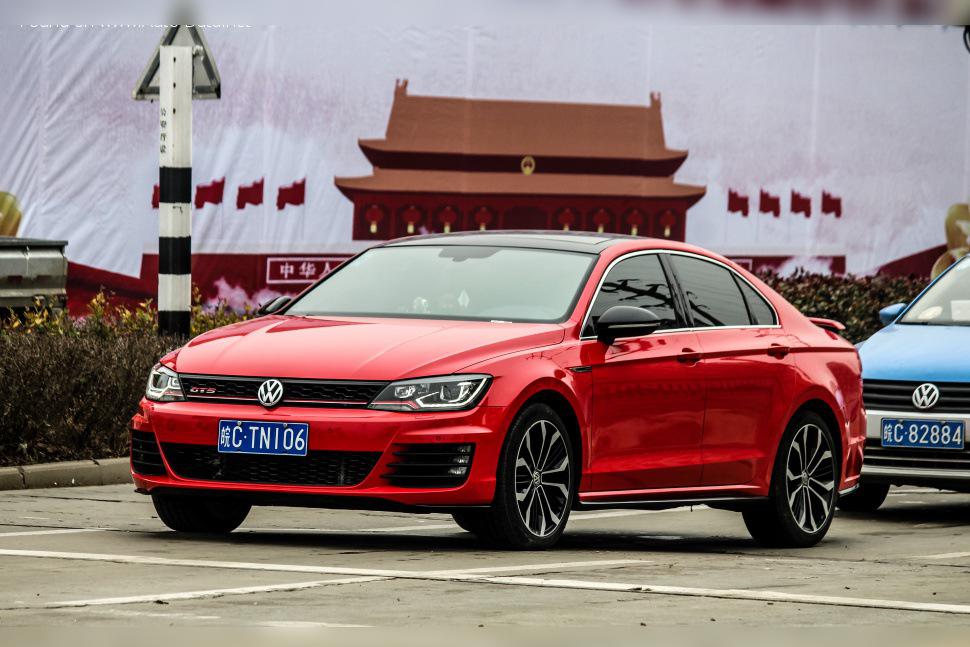
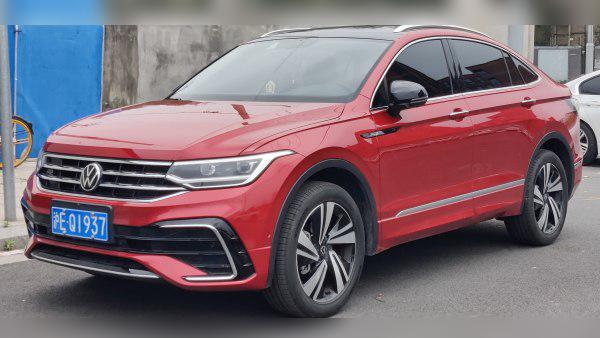
If you’re looking for the heart of Volkswagen’s modern performance lineup, look no further than the EA888 engine. In its 220 HP version (usually Gen 3), this unit represents the “golden middle ground” between everyday usability and serious sports performance. It is installed in everything from sporty sedans like the VW Lamando GTS to heavy SUVs such as the Tiguan X.
This is not an engine for those who want to save every drop of fuel, but for drivers who enjoy dynamic driving. However, the EA888 family carries some baggage from the past (the infamous oil consumption of earlier generations). Has this 220 HP version solved those issues? What are its weak points? Below is a detailed analysis.
Key points in short (TL;DR)
- Performance: Explosive engine with excellent torque (350 Nm), gives the feeling of driving a much larger engine.
- Biggest downside: Thermostat module and water pump. The plastic housing cracks and leaks, which is an almost guaranteed failure.
- Oil consumption: Significantly improved compared to Gen 2 engines, but still present with more aggressive driving.
- Timing: Uses a timing chain. More reliable than before, but requires stretch inspection after 150,000 km.
- Gearbox: Almost always paired with a DSG gearbox. Requires strict oil changes every 60,000 km or the mechatronics and clutches will fail.
- Tuning potential: Huge. Stage 1 easily raises power to nearly 300 HP without mechanical modifications.
- Recommendation: An excellent choice for enthusiasts, provided you have the budget for quality maintenance and premium fuel.
Contents
- Technical Specifications
- Reliability and Maintenance
- Specific Parts and Costs
- Fuel Consumption and Performance
- Additional Options and Modifications
- Gearbox
- Buying Used and Conclusion
Technical Specifications
| Characteristic | Value |
|---|---|
| Engine displacement | 1984 cc (2.0 L) |
| Power | 162 kW / 220 HP |
| Torque | 350 Nm |
| Engine codes (Typical) | CHHB, CXDA, DKZA (Depends on market and year) |
| Fuel type | Petrol (Recommended 98/100 octane) |
| Injection | Direct (TSI/FSI) + Port (in some versions) |
| Induction | Turbocharger (IHI IS20) + Intercooler |
Reliability and Maintenance
Does this engine have a timing belt or a chain?
The 220 HP EA888 engine uses a timing chain. Unlike the notorious earlier generations (up to 2012/2013) where tensioners failed and destroyed engines, this generation (Gen 3) has a significantly reinforced chain system and revised tensioners. The chain is not specified for replacement at a fixed interval (“lifetime”), but in practice it can stretch between 150,000 and 200,000 km. Symptoms of stretching are rattling on cold start or the “Check Engine” light due to camshaft–crankshaft desynchronization.
What are the most common failures on this engine?
Although robust, this engine has several characteristic issues:
- Water pump and thermostat: This is its Achilles’ heel. The housing is made of plastic that deforms over time due to heating and cooling cycles, which leads to coolant leaks. Often the entire module has to be replaced.
- PCV valve (Oil vapor separator): When the membrane in this valve tears, the engine starts to run unevenly, whistles, or creates a strong vacuum in the crankcase (the dipstick is hard to pull out). This can also increase oil consumption.
- Carbon buildup: As a direct-injection engine, the valves are not “washed” by fuel. Over time, soot builds up on the intake valves, leading to power loss and rough idle. Cleaning (walnut shell blasting) is needed at higher mileages.
At what mileage is the major service done?
Since the engine has a chain, a classic “major service” (belt replacement) does not exist. However, it is recommended to replace the serpentine belt, tensioner and water pump (if it hasn’t already been replaced due to failure) at around 100,000 – 120,000 km or after 5–6 years.
How many liters of oil does this engine take and which grade is recommended?
The sump holds approximately 5.7 liters of engine oil. The recommended grade is usually 5W-30 or 0W-20 (VW 504.00/507.00 specification or the newer VW 508.00 for the latest models). Tip: For engines that are driven more aggressively or are tuned, many owners switch to 5W-40 for better protection at high temperatures.
Does it consume oil between services?
Yes, but not like the older models. Consumption up to 0.5 liters per 1,000 km is considered “normal” in the factory manual, although in practice on a healthy engine it is much less (e.g. 0.5 – 1 L per 10,000 km). If it consumes more than that, the problem is usually the piston rings or the PCV valve. Regular oil changes at 10,000 km (and not at 30,000 km as the “Long Life” service suggests) are crucial to prevent oil channels in the rings from clogging.
At what mileage should the spark plugs be replaced?
For this turbo petrol engine, spark plugs should be replaced every 60,000 km. If the car is “chipped” (Stage 1), the interval is shortened to 30,000 km, and “colder” plugs are recommended (e.g. from the RS7 model or NGK Racing).
Specific Parts (Costs)
Does the engine have a dual-mass flywheel?
Yes, models with a DSG gearbox (which are standard with this engine, e.g. in the Tiguan X or Lamando GTS) have a dual-mass flywheel. Its lifespan is usually around 150,000 – 200,000 km, depending on driving style. Symptoms of failure are metallic knocking from the gearbox area at idle that disappears when you apply throttle.
What kind of injection system does it have and are the injectors problematic?
The system is high-pressure direct injection (TSI). Injectors are generally reliable, but sensitive to poor fuel quality. Injector failure manifests as fuel leaking into the cylinder (washing oil off the cylinder walls), which can be fatal for the engine. The cost of replacing a single injector is moderately high (depends on the market).
Does the engine have a turbocharger and what is its lifespan?
The engine uses a single turbocharger, most commonly the IHI IS20. This is a very reliable turbo that rarely fails before the engine itself, provided that the oil is changed regularly and the engine is not switched off immediately after “hard driving” on the highway. The most common (minor) issue is rattling of the wastegate shaft (actuator), heard as a metallic sound when lifting off the throttle, but this often does not affect functionality.
Does this model have a DPF filter or an EGR valve?
It does not have a DPF (that’s for diesels), but newer models (usually from 2018/2019 onwards) have a GPF (Gasoline Particulate Filter) to meet Euro 6d standards. The GPF rarely clogs because petrol exhaust gases are hotter. A classic EGR valve often does not exist as a separate part because exhaust gas recirculation is handled by variable valve timing (VVT), which is one less worry for the owner.
Fuel Consumption and Performance
What is the real fuel consumption in city driving?
Don’t expect miracles. In the heavy Tiguan X with 4MOTION, city consumption ranges between 11 and 14 liters per 100 km, depending on traffic. The lighter Lamando GTS will use slightly less, around 10 to 12 liters. This is not an economical engine in stop-and-go traffic.
Is this engine “lazy” for the weight of the body?
Absolutely not. With 220 HP and 350 Nm available from as low as 1,500 rpm, this engine moves the Tiguan X body with ease. Overtaking is safe, and throttle response is instant. In the lighter Lamando, this engine delivers true sports performance (0–100 km/h in under 7 seconds).
How does the engine behave on the highway?
This is its natural habitat. The engine is quiet and refined. At 130 km/h in top gear (usually 7th in the DSG), the engine spins at a comfortable 2,000 – 2,200 rpm. Fuel consumption on the open road drops to a reasonable 7 to 8.5 liters, depending on the vehicle’s aerodynamics.
Additional Options and Modifications
Is this engine suitable for LPG (autogas) conversion?
Not recommended. Due to direct fuel injection, LPG installation is complex and expensive (it requires “Direct Liquid” systems or systems that use both petrol and LPG at the same time to cool the injectors). The cost-effectiveness of the investment is questionable unless you cover very high annual mileage (over 30–40 thousand km per year).
How far can this engine be safely “chipped” (Stage 1)?
The EA888 Gen 3 is a tuning king. With software remapping alone (Stage 1), power can be safely raised from 220 HP to 290–310 HP, and torque jumps to over 420–440 Nm. The engine tolerates this increase without issues, but keep in mind that it will shorten the lifespan of spark plugs, coils and the clutch (if driven aggressively).
Gearbox
Which gearboxes are fitted?
The 220 HP engine almost exclusively comes with a DSG gearbox (Direct Shift Gearbox) with a dual clutch. Depending on the production year and model, this can be:
- DQ250 (6-speed, wet clutch) – older models.
- DQ380 / DQ381 (7-speed, wet clutch) – newer models (Tiguan X, Lamando GTS).
Manual gearboxes are rare in this power configuration for the mentioned models.
Most common gearbox issues and maintenance?
DSG gearboxes with “wet” clutches are very reliable, BUT ONLY IF MAINTAINED.
Service: Gearbox oil and filter must be changed every 60,000 km (for DQ381 it sometimes says 120k, but experts advise 60k). The cost of this service falls into the “moderately expensive” category (depends on the market).
Failures: If the oil is not changed, the solenoids in the mechatronics (the gearbox brain) fail, which leads to harsh shifting, jerks when moving off or complete loss of drive. Mechatronics repair is very expensive.
Buying Used and Conclusion
When buying a used car with this engine, be sure to check:
- Coolant leaks: Look under the intake manifold for traces of pink/red crust (antifreeze).
- Cold start: The engine must run smoothly as soon as it starts. Any rattling lasting longer than 1–2 seconds indicates a chain problem.
- DSG service history: If there is no proof that the gearbox oil was changed on time, skip that car.
- Exhaust smoke: Bluish smoke when applying throttle means the engine is burning oil (turbo or piston rings).
Conclusion: The 2.0 TSI (220 HP) is a fantastic engineering achievement that offers an excellent balance of power and refinement. It is intended for drivers who enjoy driving and are willing to pay a bit more for fuel and quality maintenance. If you want cheap running costs, go for the 2.0 TDI. If you want a smile on your face every time you press the throttle, the 2.0 TSI is the right choice.
Was this content useful to you?
Your opinion helps us to improve the quality of the content.