CSTA Engine
- Engine
- 1395 cm3
- Aspiration
- Turbocharger, Intercooler
- Fuel
- Petrol (Gasoline)
- Fuel injection system
- Direct injection
- Power
- 131 hp @ 5000 rpm
- Torque
- 225 Nm
- Cylinders
- 4
- Valves
- 16, 4 per cylinder
- Cylinders position
- Inline
# Vehicles powered by this engine
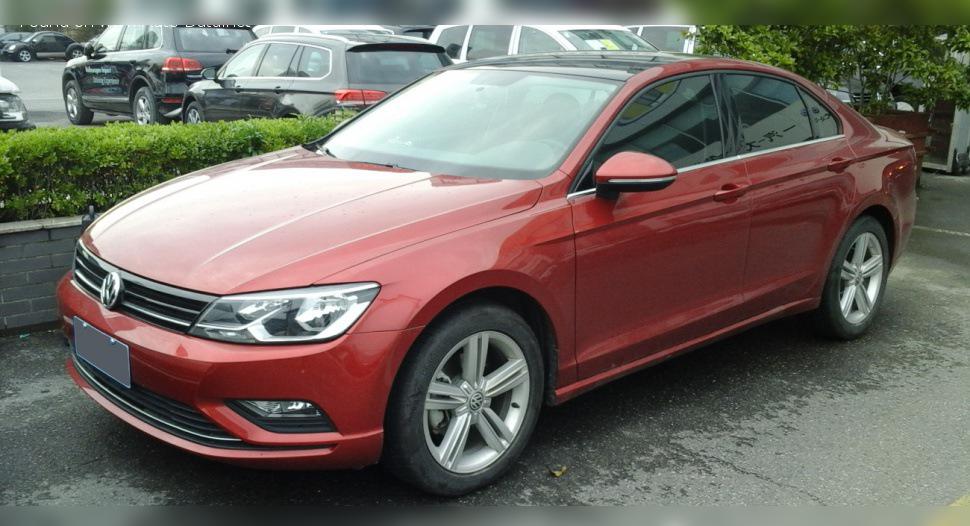
Volkswagen 1.4 TSI (CSTA) – Experiences, issues, fuel consumption and maintenance
The engine with the code CSTA belongs to the more modern EA211 generation of Volkswagen petrol engines. Although this specific code (131 hp / 96 kW) is primarily associated with the Volkswagen Lamando model (a sporty sedan based on the Golf 7/Jetta, popular on the Asian market but also present in Europe as an import), it shares almost the entire mechanical architecture with European 1.4 TSI engines found in the Golf 7, Octavia A7 or Audi A3. This is key information because it means that parts are available and mechanics know how to work on it.
This is an engine that has fixed many of the “childhood diseases” of the previous generation (EA111), primarily the problematic timing chain. Still, like every modern turbo petrol engine, it requires specific care.
Key points (TL;DR)
- Timing drive: Uses a timing belt (a much more reliable solution than the old chain).
- Biggest weakness: Thermostat housing and water pump are prone to leaks (plastic parts).
- Gearbox: Often paired with the DSG7 (DQ200) dry-clutch gearbox, which requires caution when buying used.
- Oil consumption: Significantly lower than on older TSI engines, but regular checks are mandatory.
- Performance: Excellent power-to-consumption ratio, very flexible engine.
- Maintenance: Requires quality fuel and regular spark plug replacement due to direct injection.
- Recommendation: An excellent choice for those who want diesel-like performance with the quieter operation of a petrol engine, provided the service history is clean.
Contents
- Technical specifications
- Reliability and maintenance
- Specific parts and costs
- Fuel consumption and performance
- Additional options and modifications (LPG & Tuning)
- Gearbox (DSG and manual)
- Buying used and conclusion
Technical specifications
| Parameter | Value |
|---|---|
| Engine code | CSTA (EA211 family) |
| Displacement | 1395 cc (1.4 litres) |
| Power | 96 kW (131 hp) |
| Torque | 225 Nm at 1400–3500 rpm |
| Injection system | Direct injection (TSI/GDI) |
| Induction | Turbocharger + intercooler (water-air) |
| Number of cylinders / valves | 4 / 16 |
Reliability and maintenance
Timing belt or chain?
The CSTA engine belongs to the EA211 series, which means it uses a timing belt. This is a big advantage over the older (EA111) engines that had a problematic chain prone to stretching and jumping teeth. The belt on this engine is designed to last long, and the system is generally very reliable and quieter in operation.
Most common issues
Although more reliable than its predecessor, the CSTA engine has its weak spots:
- Water pump and thermostat housing: This is the “Achilles’ heel” of EA211 engines. The housing is plastic and contains a pump driven by a small, separate toothed belt on the opposite side of the engine (near the camshaft). Coolant leaks or thermostat sticking are common. Symptoms are coolant loss or engine overheating.
- Turbo actuator (wastegate): The electronic actuator that regulates turbo pressure can seize up. Symptoms are loss of power and a lit “Check Engine” light (EPC fault).
- Carbon buildup: Due to direct injection, fuel does not wash the intake valves. Over time, carbon deposits build up on the valves, which can lead to rough idle and a slight loss of power at higher mileage (over 100–150,000 km).
Major service
The factory recommendation for timing belt inspection is often optimistic (around 210,000 km), but real-world experience from mechanics calls for caution. It is recommended to perform the major service (replacement of the timing kit and water pump) between 120,000 km and 150,000 km, or at the latest after 6 to 7 years of age, whichever comes first. Rubber ages, and the risk of belt failure implies catastrophic engine damage.
Oil: quantity, grade and consumption
The CSTA engine sump holds approximately 4.0 litres of oil (always buy 5L to have some for topping up). The recommended grade is usually 5W-30 or 0W-30 with specification VW 504.00 / 507.00.
As for oil consumption, this engine is much “tighter” than the old TSI units that used litres of oil. Still, consumption of 0.3 to 0.5 litres per 10,000 km is considered completely normal and acceptable, especially if driven aggressively or mostly on motorways. If it uses more than 0.5 litres per 1,000 km, that points to an issue with piston rings or the turbocharger.
Spark plugs
On the CSTA engine, the spark plugs are iridium or platinum and are exposed to high thermal loads. The replacement interval is 60,000 km or 4 years. Do not skimp on spark plugs – a bad plug can lead to coil failure (coil-on-plug) or even piston damage.
Specific parts (costs)
Dual-mass flywheel
Yes, this engine uses a dual-mass flywheel, especially in versions with a DSG gearbox. Its function is to reduce vibrations and protect the gearbox. On petrol engines it lasts longer than on diesels due to lower torque and smoother operation, but you should expect that after 150,000–200,000 km it may need replacement. Symptoms are metallic noise when switching the engine off or vibrations at idle. Price range: expensive (depends on market).
Fuel injection system
It uses a high-pressure system with direct fuel injection into the cylinder. The injectors are generally reliable but sensitive to poor fuel quality. Injector failures are not widespread, but the high-pressure fuel pump (HPFP) can occasionally cause problems (symptoms: long cranking, poor throttle response).
Turbocharger
The engine has a single turbocharger. With regular oil changes, its lifespan is comparable to the engine’s lifespan (over 250,000 km). There are no twin turbos or a supercharger (like the old Twincharger engines, which were disastrous). It is water-cooled, which extends its life after the engine is switched off.
DPF, EGR and AdBlue
Since this is a petrol engine:
- No DPF filter (that’s for diesels). However, newer models (after 2018/19) may have a GPF (OPF) gasoline particulate filter. Given the model years of the Lamando with the CSTA engine, it probably doesn’t have one, but check by VIN to be sure.
- No AdBlue (reserved for diesels).
- EGR valve: Exhaust gas recirculation on these engines is often handled “internally” via variable valve timing (VVT), so a classic EGR valve that clogs with soot is often not present as a separate component that causes problems like on diesels.
Fuel consumption and performance
Real-world fuel consumption
- City driving: Expect between 7.5 and 9.0 l/100 km. In heavy stop-and-go traffic it can go up to 10 litres, but the start-stop system helps a bit.
- Open road: This is where the engine shines. With moderate driving (80–90 km/h), consumption drops to 5.0–5.5 l/100 km.
- Average: A realistic long-term average for most drivers is around 7.0 l/100 km.
Is the engine “lazy”?
With 131 hp and 225 Nm of torque available from as low as 1,400 rpm, this engine is not lazy. The Lamando body (or similar models) weighs around 1,300–1,400 kg. Thanks to the turbo, in-gear acceleration is very good and the car feels livelier than the numbers suggest. For the average driver, there is more than enough power for safe overtaking.
Behaviour on the motorway
The engine is very refined. At a speed of 130 km/h, in top gear (usually 7th with the DSG), the engine spins at around 2,600–2,800 rpm. This means the cabin is quiet, and fuel consumption stays in the 6.5–7.0 litre range. Top speed is usually around 200–210 km/h.
Additional options and modifications
LPG conversion
Since this is an engine with direct injection, LPG installation is more complex and more expensive. You cannot install a basic sequential system.
- Option 1: A system that uses a mixture of LPG and petrol (to cool the petrol injectors). Cost-effectiveness is lower because you still use petrol.
- Option 2: A liquid LPG injection system through the petrol injectors (e.g. Vialle, Prins). This is the best solution, the engine runs perfectly, but installation is very expensive (often over 1,000 EUR).
Conclusion: It only pays off if you drive more than 25–30,000 km per year.
Chiptuning (Stage 1)
1.4 TSI engines respond very well to remapping. The 131 hp CSTA version is actually a “detuned” version of hardware that can do more. A safe Stage 1 remap can raise power to around 150–160 hp and torque to 280–300 Nm. This drastically changes the character of the car. However, keep in mind that the DSG gearbox (DQ200) has a torque limit (factory rated at 250 Nm), so an aggressive tune can shorten the clutch pack’s lifespan.
Gearbox
With the CSTA engine in the VW Lamando, there are usually two options:
1. Manual gearbox (5 or 6 speeds)
- Reliability: Very high. Failures are rare.
- Maintenance: Gearbox oil change is recommended every 100,000 km, even though the factory claims it is “lifetime fill”.
- Clutch cost: The clutch kit (pressure plate, disc, release bearing) is a wear item and the price is reasonable.
2. Automatic DSG gearbox (DQ200 – 7 speeds)
This is a gearbox with a dry clutch. It is fast and efficient, but has a worse reputation than the “wet” DSG gearboxes (DQ250).
- Most common issues:
- Mechatronics: The brain of the gearbox. Electronic or hydraulic failures can occur. Repairs are very expensive.
- Clutch pack: Dry clutches wear out faster in city stop-and-go driving than wet ones. Replacement is usually needed between 150k and 200k km. Cost: expensive.
- Dual-mass flywheel: It is present and must be replaced when worn.
- Service: Although VW says the oil in the DQ200 is “lifetime”, specialists recommend changing the gear oil and (where possible on certain revisions) the mechatronics hydraulic oil every 60,000 km to extend its life.
Buying used and conclusion
Before buying a car with the CSTA engine, pay attention to the following:
- Cold start: Listen to the engine when it is cold. There should be no strange noises, knocking or rough running during the first few seconds.
- Signs of coolant leaks: Look around the engine bay near the water pump belt (on the battery side). Pink residue indicates coolant leakage.
- DSG test: If it’s an automatic, the car must set off smoothly without jerking. Any hesitation, thump when shifting or flaring revs is a sign of an expensive failure in the making.
- Service history: Check whether the spark plug service has been done and whether the oil was changed on time (max every 15,000 km).
Conclusion:
The 1.4 TSI (CSTA) is an excellent, modern engine. It delivers performance that used to be reserved for 2.0-litre engines, while sipping fuel if you are gentle on the throttle. If you avoid examples with neglected maintenance and accept the risk (or cost of maintenance) of the DSG gearbox, you will get a very pleasant car to drive. For those who want peace of mind, the manual gearbox is the safer option.
Was this content useful to you?
Your opinion helps us to improve the quality of the content.