EA888 Engine
- Engine
- 1984 cm3
- Aspiration
- Turbocharger, Intercooler
- Fuel
- Petrol (Gasoline)
- Fuel injection system
- Direct injection
- Power
- 204 hp
- Torque
- 320 Nm
- Cylinders
- 4
- Valves
- 16, 4 per cylinder
- Cylinders position
- Inline
- Valvetrain
- DOHC
- Systems
- Start & Stop System, Particulate filter
# Vehicles powered by this engine
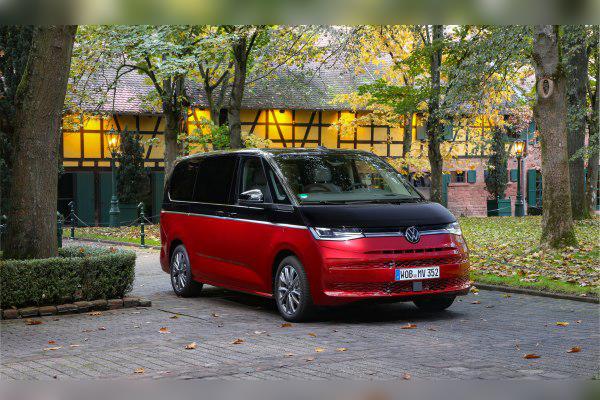
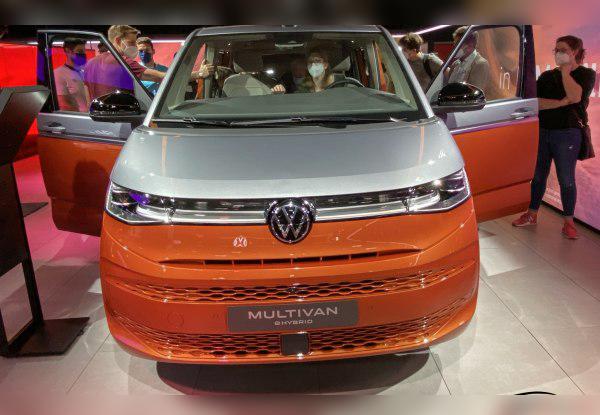
VW 2.0 TSI (EA888) 204 HP in the Multivan T7 – Experience, fuel consumption, issues and buying guide
Key points (TL;DR)
- Timing: Timing chain (more reliable than on older EA888 generations).
- Performance: Surprisingly potent engine for a heavy van, quieter and more refined than the diesel.
- Fuel consumption: Expect higher fuel consumption in the city (over 12 l/100 km). This is not a fuel saver.
- Maintenance: Requires strictly regular oil services (maximum 15,000 km) and high-quality fuel.
- Gearbox: DSG (DQ381) is excellent, but needs an oil change every 60,000–120,000 km (depending on version).
- Emissions: Has a GPF (gasoline particulate filter), but no AdBlue system.
- Recommendation: Ideal for those who drive fewer kilometers per year or want cabin quietness that a TDI cannot provide.
Contents
- Introduction and use case
- Technical specifications
- Reliability and maintenance
- Specific parts and injection system
- Fuel consumption and performance
- LPG and tuning (Stage 1)
- Gearbox (DSG) and clutch
- Used-buying tips and conclusion
Introduction: The heart of a GTI in a van’s body
When you think of the Volkswagen Multivan, the first association is usually the legendary 2.0 TDI. However, times are changing. In the Multivan T7, Volkswagen offers a serious petrol alternative – the 2.0 TSI from the famous (and sometimes notorious) EA888 family. This is the fourth generation (Gen 4) of this engine, which has already gone through many of the “childhood diseases” of its predecessors.
With 204 horsepower, this engine delivers passenger-car dynamics in a van body. It is primarily aimed at markets and customers who want quietness, smooth operation and do not intend to drive 50,000 km per year, where diesel would still be the king of economy.
Technical specifications
| Feature | Value |
|---|---|
| Engine displacement | 1984 cc (2.0 l) |
| Power | 150 kW (204 HP) |
| Torque | 320 Nm at 1500–4400 rpm |
| Engine code (Family) | EA888 Gen 4 (often codes like DNNA or similar) |
| Injection type | Direct injection (TSI/FSI) |
| Charging | Turbocharger + intercooler |
| Camshaft drive | Chain |
Reliability and maintenance
Chain or belt?
This engine uses a timing chain for valve timing. On EA888 Gen 4 engines, the chain is significantly improved compared to older versions that suffered from stretching. Although it is designed to last “for life” (according to the factory), in practice, on a heavy vehicle like the Multivan T7, it is recommended to inspect the chain and tensioner at around 150,000 km or as soon as you hear rattling on a cold start.
Most common issues
Although more reliable than its predecessors, this engine is not immune to problems:
- Thermostat module and water pump: The housing is plastic and prone to cracking or coolant leaks. Symptoms are coolant loss or engine overheating.
- Carbon buildup: Due to direct injection, the intake valves are not “washed” by fuel. Over time, carbon deposits build up, which can reduce power and increase fuel consumption.
- PCV valve (oil separator): If the membrane tears, the engine may start consuming oil, run roughly, or you may hear a whistling sound.
Major and minor service
Since the engine has a chain, a classic “major service” (timing belt replacement) does not exist in that sense. However, the auxiliary (serpentine) belt and tensioners should be replaced at around 100,000–120,000 km.
Oil: This engine takes approximately 5.7 liters of oil. The factory often recommends 0W-20 (VW 508.00) for emissions and lower fuel consumption. However, for longevity, especially in warmer climates and under load, many experts advise switching to 5W-30 (VW 504.00), with a shorter change interval.
Oil consumption
EA888 engines are historically known for oil consumption. Generation 4 has reduced this to a reasonable level. Consumption of 0.2 to 0.5 liters per 10,000 km is completely normal and acceptable. If it uses a liter per 1,000 km, you have a problem (piston rings or turbo). It is recommended to always keep a liter of oil in the trunk.
Spark plugs
On turbocharged petrol engines with direct injection, spark plugs are heavily stressed. The factory interval is often 60,000 km, but real-world experience suggests replacing them every 30,000 to 40,000 km to protect the coils (which are expensive) and maintain optimal combustion.
Specific parts (costs)
Dual-mass flywheel and injection
Yes, this engine combined with the DSG gearbox does have a dual-mass flywheel. Its role is to dampen engine vibrations before they reach the gearbox. Due to the lower torque compared to diesels, it lasts longer, but replacement is still expensive (depends on the market).
The injection system operates at high pressure (up to 350 bar on newer versions). Injectors are generally reliable, but extremely sensitive to poor fuel quality. A faulty injector manifests as jerking, a “check engine” light and rough running.
Turbo, DPF/GPF and AdBlue
The engine has a single turbocharger. Its service life is long (over 200,000 km) if you respect the rule of letting the engine cool down after hard driving and change the oil regularly.
This model DOES NOT have AdBlue (that’s for diesels). However, as a modern petrol engine (Euro 6d), it is equipped with a GPF (Gasoline Particulate Filter), which is the petrol equivalent of a DPF. The GPF rarely clogs because exhaust gas temperatures on petrol engines are higher, so passive regeneration happens constantly. There is an EGR valve which can get dirty, but it is less problematic than on diesels.
Fuel consumption and performance
Real-world fuel consumption
Be realistic here. The T7 is a “box” on wheels weighing around 2 tons.
- City driving: Expect between 11 and 14 liters/100 km. In heavy traffic it can be even higher.
- Country roads: It is possible to get it down to 7.5–8.5 liters/100 km with a light right foot.
- Motorway (130 km/h): Consumption is around 9–10.5 liters/100 km.
Is the engine “lazy”?
Absolutely not. With 320 Nm available from just 1500 rpm, the T7 2.0 TSI pulls surprisingly well. It reaches 100 km/h in about 9.4 seconds, which is an excellent result for a van. A feeling of “laziness” may appear only when setting off fully loaded uphill before the turbo spools up, but the DSG smooths that out quickly.
At 130 km/h in 7th gear, the engine spins at pleasantly low revs (around 2,200–2,400 rpm), which makes driving very quiet and comfortable.
Additional options and modifications
LPG conversion
Due to direct fuel injection into the cylinders, a “standard” LPG system cannot be installed. You need systems for direct liquid gas injection or systems that use a mixture of gas and petrol (to cool the petrol injectors). Installation is very expensive (often over 1000–1500 EUR, depending on the market) and the cost-effectiveness is questionable unless you drive very high mileages.
Chip tuning (Stage 1)
The EA888 is a favorite among tuners. A Stage 1 remap can safely raise power to around 240–250 HP and torque to 370–400 Nm. However, with the Multivan you should be cautious due to the vehicle’s weight and gearbox load. The power gain is noticeable, but think carefully whether you really need that in a family transporter.
Gearbox: DSG DQ381
With this engine in the T7 Multivan you only get an automatic gearbox. It is the DQ381, a 7-speed DSG with wet clutches (clutches bathed in oil). This is a much more robust and reliable version than the older 7-speed dry-clutch gearboxes.
Gearbox maintenance and failures
- Service: The gearbox oil MUST be changed. The recommendation is every 60,000 km (the factory sometimes says more, but don’t risk it). The service includes oil and filter.
- Failures: If the oil is not changed, the mechatronics unit (the brain of the gearbox) fails, and that repair is very expensive. The wet clutches also wear, but usually last over 200,000 km with normal driving.
- Dual-mass flywheel: Symptoms of a bad flywheel are rattling at idle (metal-on-metal sound) and vibrations when switching the engine off.
Buying used and conclusion
When buying a used T7 with this engine, pay attention to:
- Cold start: Listen to the chain during the first 3–5 seconds. There must be no prolonged rattling.
- Gearbox service history: If the car has done 120,000 km and the DSG oil has never been changed – walk away.
- Fluid leaks: Check the area around the water pump (under the intake manifold).
- Exhaust smoke: Bluish smoke when revving indicates oil consumption.
Conclusion: The VW Multivan T7 2.0 TSI is a fantastic vehicle for private users, large families or VIP transport. It offers refinement and power that the diesel cannot match. However, the “penalty” comes at the fuel pump. If city consumption of 12–13 liters is not an issue for you, this engine is recommended because of the lower maintenance costs of its emissions systems compared to modern diesels.
Was this content useful to you?
Your opinion helps us to improve the quality of the content.