DNAA Engine
- Engine
- 1968 cm3
- Aspiration
- Turbocharger, Intercooler
- Fuel
- Diesel
- Fuel injection system
- Diesel Commonrail
- Power
- 150 hp
- Torque
- 360 Nm
- Cylinders
- 4
- Valves
- 16, 4 per cylinder
- Cylinders position
- Inline
- Valvetrain
- DOHC
- Oil capacity
- 7.4 l
- Systems
- Start & Stop System, Particulate filter
# Vehicles powered by this engine
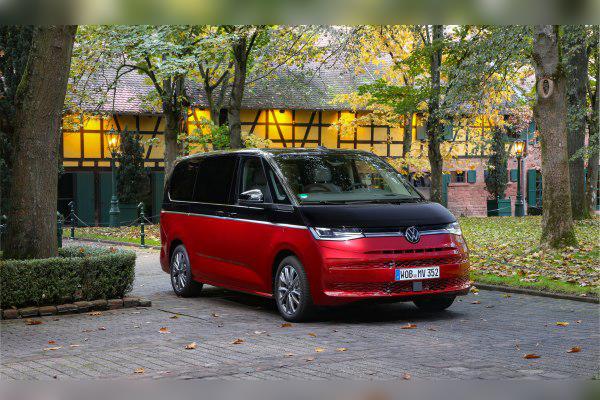
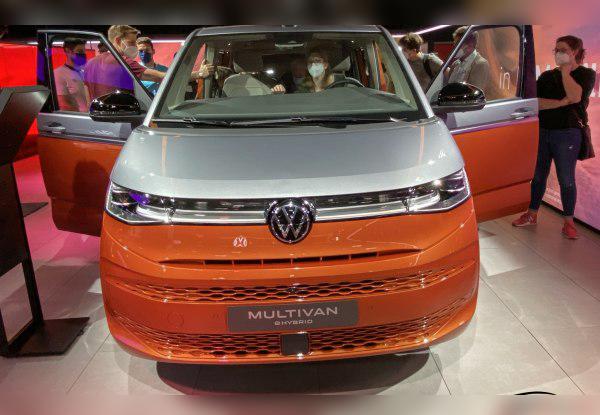
DNAA 2.0 TDI (150 HP): Experiences, issues, fuel consumption and maintenance
Key points (TL;DR)
- Modern “Evo” diesel: DNAA belongs to the new EA288 Evo engine generation, which means it’s quieter and cleaner, but also more complex than its predecessors.
- AdBlue system (Twin Dosing): It features dual AdBlue injection. Great for emissions, but potentially expensive to maintain if the system fails.
- Timing belt: The engine uses a timing belt, not a chain. Replacement intervals are long, but caution is recommended.
- DSG gearbox: In the Multivan T7 this engine is almost always paired with a DSG gearbox that requires regular oil changes.
- Performance: 150 HP is the “sweet spot” – enough for family driving and highway use, but the engine runs out of breath when the vehicle is fully loaded going uphill.
- Fuel consumption: Very economical considering the size of the vehicle, especially on open roads.
Contents
- Introduction and applications
- Technical specifications
- Reliability, maintenance and failures
- Specific components and injection system
- Fuel consumption and performance
- Additional options and tuning
- Gearbox: manual and automatic
- Buying tips and conclusion
Introduction and applications
The engine with the code DNAA is a 2.0‑liter TDI unit that represents the core of the range for the Volkswagen Multivan T7. Unlike previous generations of Transporter/Multivan (T5, T6), which were based on commercial platforms, the T7 sits on the MQB platform (like the Golf or Passat), which makes this engine more “civilized”.
This engine is part of the EA288 Evo family. Volkswagen made significant changes here to meet strict Euro 6d standards, focusing on reduced friction, better thermal efficiency and drastically lower NOx emissions. For a potential owner, this means smoother operation and lower fuel consumption, but also more sensors and electronics under the hood.
Technical specifications
| Parameter | Value |
|---|---|
| Engine displacement | 1968 cc |
| Power | 110 kW (150 HP) |
| Torque | 360 Nm at 1600–2750 rpm |
| Engine code | DNAA (EA288 Evo series) |
| Fuel type | Diesel |
| Charging method | Turbocharger (VGT) with intercooler |
| Number of cylinders / valves | 4 / 16 |
| Emission standard | Euro 6d (ISC-FCM) |
Reliability and maintenance
Timing belt or chain?
The DNAA engine uses a timing belt to drive the camshafts. This is good news because modern VW belts are quiet and reliable. The factory replacement interval is often listed at an optimistic 210,000 km with no time limit (or 10 years).
Mechanics’ recommendation: Don’t wait until the last moment. Do the major service (replacement of belt, tensioners, water pump) between 150,000 km and 180,000 km or after 6–7 years of age. A snapped belt leads to total engine failure.
Oil and oil consumption
This engine uses specific low‑viscosity oil, most commonly 0W‑30 or even 0W‑20 (specification VW 507.00 or the newer VW 509.00 for Evo engines – always check the owner’s manual or by VIN). The sump capacity is about 5.5 to 5.7 liters.
Does it consume oil? Modern TDI engines, including the DNAA, can consume a certain amount of oil, especially if driven aggressively on the highway. Consumption of 0.3 to 0.5 liters per 3,000–5,000 km can be considered acceptable. If you have to top up a liter every 1,000 km, that points to a problem with the piston rings or turbo.
Most common issues
Although the mechanical base of the engine is very robust (cast‑iron block, aluminum head), problems are mostly related to peripheral components:
- Exhaust gas temperature sensors: Due to the complex after‑treatment system, sensor failures can put the engine into “safe mode”.
- Water pump: On these engines the water pump has variable flow (electrically controlled cover). This mechanism can get stuck, which may lead to overheating. It should always be replaced during the major service.
- AdBlue system electronics: Heaters in the tank or the urea dosing injectors are known weak points.
Specific components (costs)
Dual‑mass flywheel
Yes, this engine in combination with the DSG gearbox has a dual‑mass flywheel. Its role is to absorb diesel engine vibrations and protect the gearbox. Its lifespan is usually between 150,000 and 200,000 km, depending on driving style. Symptoms of failure are metallic rattling when starting and shutting off the engine, as well as vibrations at idle. Replacement is expensive (depends on the market).
Injection system and injectors
It uses an advanced common‑rail system with pressures up to 2,200 bar. The injectors are electromagnetic (solenoid type), usually Bosch. They have proven to be very durable and are not prone to early failure if quality fuel is used. They can easily last over 250,000 km. Rebuilding is possible, but it’s often more cost‑effective to buy new original cartridges.
Turbocharger
The engine uses a single turbocharger with variable geometry (VGT). The turbo is generally reliable, but sensitive to shutting the engine off immediately after hard driving. Symptoms of failure are whistling (a “siren” sound), blue smoke from the exhaust and loss of power.
DPF, EGR and AdBlue (Twin Dosing)
This is the most complex part of the DNAA engine. It is equipped with Twin Dosing technology. That means there are two SCR catalysts and two AdBlue injectors (one right after the engine, the other further down the exhaust). This drastically reduces NOx, but:
- AdBlue system: Requires regular refilling. Urea crystallization can clog the pump or injectors if the car is driven infrequently. Repairs to this system are very expensive.
- DPF and EGR: The low‑ and high‑pressure EGR valves are prone to soot build‑up, especially in city driving. The DPF filter regenerates successfully on open roads, but urban driving quickly “kills” it.
Fuel consumption and performance
Real‑world fuel consumption
The Multivan T7 is a large vehicle with worse aerodynamics than a sedan, but it is lighter than its predecessor (T6). Expected fuel consumption:
- City driving: Expect between 8.0 and 9.5 l/100 km. The start‑stop system helps, but the vehicle’s mass still takes its toll.
- Open road (rural roads): This is where the engine shines and can use around 6.0–6.5 l/100 km.
- Motorway (130 km/h): Consumption is around 7.0–8.0 l/100 km, depending on wind and load.
Is the engine “lazy”?
With 360 Nm of torque available from just 1600 rpm, the engine is not lazy in everyday driving. It pulls well from traffic lights. However, during overtaking on country roads with a full load of passengers and luggage, you can feel it lacks “breath” at higher revs. For normal, smooth driving it is more than adequate, but don’t expect sports‑car performance.
Motorway cruising
Thanks to the 7‑speed DSG gearbox, the engine is relaxed. At 130 km/h in 7th gear, it spins at about 2,000 to 2,200 rpm, which makes driving quiet and comfortable.
Additional options and modifications
Chip tuning (Stage 1): This engine has potential for a software power increase. A safe Stage 1 remap can raise power to about 185–190 HP and torque to 410–420 Nm. This significantly improves in‑gear acceleration and makes overtaking easier. However, keep in mind that higher torque puts additional stress on the DSG gearbox and flywheel, so tuning is recommended only on fully healthy vehicles with regular servicing.
Gearbox
Type of gearbox
With the DNAA engine in the Multivan T7 you typically get the DQ381 DSG gearbox. This is a 7‑speed dual‑clutch automatic transmission. It is a “wet clutch” gearbox, which means the clutch packs are immersed in oil.
Maintenance and failures
- Gearbox service: It is MANDATORY to change the oil and filter in the DSG gearbox every 60,000 km (some recommend even earlier, at 50k). Neglecting this leads to mechatronic failure.
- Most common failures: The mechatronic unit (the “brain” of the gearbox) can fail, which manifests as harsh shifting, delay when setting off, or complete loss of drive.
- Clutch replacement: The clutch pack lasts a long time (often over 200,000 km with regular oil changes), but replacement is very expensive.
Manual gearboxes are rare or non‑existent in this combination (DNAA + T7) in most markets, as the T7 is positioned as a premium MPV.
Buying used and conclusion
Before buying a used Multivan T7 with this engine, pay attention to the following:
- Cold start: The engine should start instantly without knocking. Metallic rattling indicates a worn flywheel.
- Diagnostics: Check the DPF filter status (ash load) and the AdBlue system status. AdBlue faults are often masked by clearing codes before sale.
- Gearbox service history: If there is no proof that the DSG oil was changed every 60,000 km, that’s a major risk.
- Fluid leaks: Check around the water pump and thermostat housing.
Conclusion
The 2.0 TDI DNAA (150 HP) engine is an excellent choice for drivers looking for a balance between efficiency and usability. It’s not a racer, but it can comfortably carry a family or passengers over long distances with minimal fuel consumption. Its biggest downside is the complex emissions systems (AdBlue), which can be expensive to repair, as well as the need for strict DSG maintenance. It is ideal for those who cover a lot of kilometers on open roads.
Was this content useful to you?
Your opinion helps us to improve the quality of the content.