EA211 evo Engine
- Engine
- 1498 cm3
- Aspiration
- Turbocharger, Intercooler
- Fuel
- Petrol (Gasoline)
- Fuel injection system
- Direct injection
- Power
- 136 hp
- Torque
- 220 Nm
- Cylinders
- 4
- Valves
- 16, 4 per cylinder
- Cylinders position
- Inline
- Valvetrain
- DOHC
- Oil capacity
- 4.3 l
- Systems
- Start & Stop System, Particulate filter
# Vehicles powered by this engine
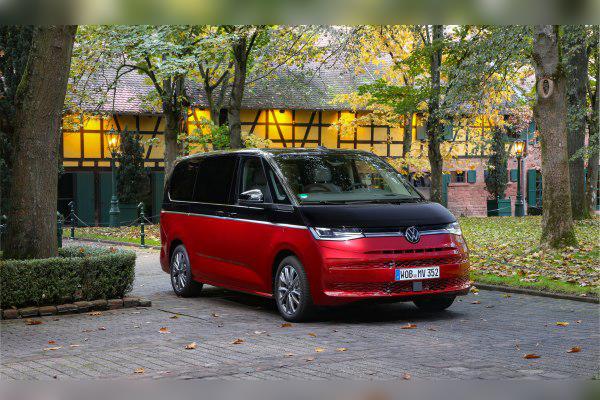
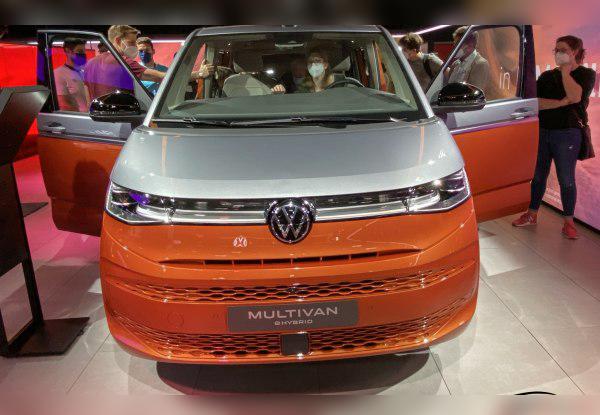
1.5 TSI EA211 evo (136 hp) in the VW Multivan (T7) – Experiences, issues, fuel consumption and buying tips
Key points in short (TL;DR)
- Timing belt drive: This engine uses a timing belt, not a chain, which makes it quieter and generally more reliable than the old chain-driven 1.4 TSI engines.
- Power vs. weight: With 136 hp (100 kW) and 220 Nm, this engine is “adequate” for an empty Multivan, but it can struggle under full load or on steep inclines.
- ACT technology: It has a system that deactivates two cylinders to save fuel. It can cause mild vibrations while cruising.
- Oil consumption: Modern TSI engines use less oil than older ones, but due to the very thin 0W-20 oil, consumption of up to 0.5 l over a few thousand kilometers is not unusual.
- DSG gearbox: In the T7 Multivan it comes exclusively with a DSG automatic gearbox that requires regular maintenance (oil changes).
- GPF filter: As a petrol engine, it has a GPF (gasoline particulate filter), so short city trips can lead to clogging, similar to diesel engines.
- Expensive peripherals: The VTG turbocharger and complex cooling system can be expensive to repair out of warranty.
Contents
- Introduction and application
- Technical specifications
- Reliability, maintenance and failures
- Specific components and injection system
- Fuel consumption and performance (Is it too weak?)
- LPG and remapping
- Gearbox (DSG) and dual-mass flywheel
- Conclusion and buying advice
Introduction: A modern petrol engine in a big body
The 1.5 TSI EA211 evo engine is Volkswagen’s answer to increasingly strict emission regulations and the need for efficiency. In the context of the Volkswagen Multivan T7, this is the entry-level engine option. Unlike previous generations of the Transporter and Multivan where diesel was dominant, the T7 is built on the MQB platform (like the Golf 8), which means it drives more like a car than a van. Still, the question that troubles most potential buyers is: Is a small 1.5‑liter engine enough to move such a large vehicle?
Technical specifications
| Engine displacement | 1498 cc |
| Power | 100 kW (136 hp) |
| Torque | 220 Nm at 1750–3500 rpm |
| Engine codes | DACA, DPBC (depending on model year/market) |
| Injection type | Direct injection (TSI) |
| Induction | VTG turbocharger + intercooler |
| Number of cylinders | 4 (inline) |
Reliability, maintenance and common issues
Belt or chain?
This engine uses a timing belt to drive the camshafts. This is a big step forward compared to the older EA111 engines that had problematic chains. The belt is reinforced with glass fibers and is designed to last a long time. However, the water pump is part of an assembly that is often replaced together with the belt.
Most common issues
Although it is more reliable than its predecessors, the 1.5 TSI has its own quirks:
- “Kangaroo” effect (kangarooing): This is the most well-known issue of early 1.5 TSI engines. It manifests as jerking or “bouncing” of the car when moving off from a standstill while the engine is cold. The cause is software calibration of the mixture to meet emission standards. It is resolved by a software update at an authorized dealer, although some cars still retain a slight jerk.
- Oil consumption: Not as alarming as it used to be, but due to low-friction thin piston rings and very thin oil, the engine can “drink” some oil if driven aggressively on the motorway.
- Carbon buildup: As a direct-injection engine, the intake valves are not washed by fuel. Over time, carbon deposits build up on the intake valves, which can lead to rough running and power loss at higher mileages (over 100,000 km).
- Coolant leaks: The thermostat and water pump housing are plastic and can start leaking at the joints due to thermal expansion and contraction.
Major and minor services
Major service: VW officially specifies a very long interval for the timing belt (often over 200,000 km or a time limit), but any experienced mechanic will recommend inspection at 150,000 km and replacement no later than at 180,000 km or 8–10 years. Do not risk a snapped belt.
Minor service: Change the oil and filters every 15,000 km or once a year. Avoid long-life intervals of 30,000 km, especially in a heavy vehicle like the Multivan.
Oil and spark plugs
The engine holds approximately 4.3 liters of oil. The recommended grade is usually 0W-20 (VW 508.00 specification) for efficiency, although in warmer climates 5W-30 can also be used (check the owner’s manual for your specific vehicle). Consumption of up to 0.5 liters per 10,000 km is considered completely normal. If it uses more than 1 liter per 2–3 thousand km, that points to an issue with the piston rings or turbocharger.
Spark plugs: They should be replaced every 60,000 km or 4 years. Do not skimp on them, as bad plugs can damage the ignition coils, which are sensitive.
Specific components and costs
Injection system and turbo
The injection system operates at high pressure (up to 350 bar). The injectors are generally reliable, but sensitive to poor fuel quality. Symptoms of problems include rough idle and increased fuel consumption.
Turbocharger: The 1.5 TSI 136 hp (and the more powerful 150 hp version) uses a VTG turbocharger (variable turbine geometry), which is rare for petrol engines (usually reserved for diesels or Porsche). This provides excellent throttle response, but the unit itself is very expensive to replace (it depends on the market, but expect a serious expense). Service life is long with regular maintenance and allowing the engine to cool down before switching it off.
Emissions: GPF and AdBlue
This engine DOES NOT have AdBlue (that’s for diesel engines). However, it does have a GPF (Gasoline Particulate Filter), also known as OPF. It is a soot particulate filter for petrol engines. It clogs less often than a DPF on diesels because petrol exhaust gases are hotter, but if the Multivan is driven exclusively in stop‑and‑go city traffic, the regeneration warning light can come on. The solution is to take it on an open road and drive at higher revs for about 20 minutes. There is an EGR valve and it can get dirty, but this is not a primary issue on this engine.
Fuel consumption and performance
Is the engine “sluggish” for the Multivan T7?
To be realistic: the T7 is a large vehicle, and 136 hp and 220 Nm are at the lower limit of what’s acceptable. In the city, the engine is perfectly fine thanks to the turbo, which delivers torque early. However, on the motorway and under load (passengers + luggage), the engine will need to rev to maintain speed, especially on inclines. It is not “sluggish” in the sense of being unsafe, but overtakes require planning.
Fuel consumption
- City driving: Expect between 9 and 11 l/100 km. The heavy body and constant stop‑start take their toll, despite the start‑stop system.
- Country roads: This is where the engine shines, especially thanks to the ACT system (deactivation of 2 cylinders). It is possible to get down to 6.5–7.5 l/100 km.
- Motorway (130 km/h): Due to the “brick‑like” aerodynamics, consumption rises to 8.5–10 l/100 km. At 130 km/h the engine spins at around 2500–2800 rpm (depending on the 7th‑gear ratio), which is acceptable for noise, but the load is constant.
Additional options and modifications
LPG conversion
Since this is a direct‑injection engine, LPG conversion is possible but expensive and complex. It requires “direct liquid” systems or systems that mix petrol and LPG (e.g. 80% LPG, 20% petrol) to cool the injectors. The savings are smaller and the investment is large (depending on the market, the system is 2–3 times more expensive than a conventional one). In general, it is not recommended unless you cover very high mileages.
Remapping (Stage 1)
The engine can be safely tuned via software (remap). A safe “Stage 1” usually raises power to around 160–170 hp and torque to about 280–300 Nm. This would significantly help the Multivan in mid‑range acceleration. However, only do this with reputable tuners, as a bad map can destroy the VTG turbo or overload the DSG gearbox if the gearbox software is not remapped as well.
Gearbox (DSG)
In the Multivan T7, this engine is paired as standard with a 7‑speed DSG automatic gearbox (most likely the DQ381 “wet” DSG, as it has to handle the vehicle’s weight, although on lower‑powered variants you should check that it is not the dry‑clutch DQ200, which is more sensitive – verify by VIN; for the T7 it is mostly the reinforced version).
- Common failures: The most frequent issue is the mechatronics unit (the gearbox “brain”), which can fail and result in the inability to change gears. The clutches also wear out. Symptoms include harsh take‑off, jolts when shifting or clutch slip.
- Dual‑mass flywheel: Yes, this model has a dual‑mass flywheel. On petrol engines it lasts longer than on diesels due to lower vibrations, but it is still a wear item. Replacement is expensive (varies by market).
- Gearbox service: If it is a “wet” DSG (clutches in oil), the gearbox oil and filter MUST be changed every 60,000 km (or 120,000 km for some of the latest revisions, but 60,000 km is recommended for longevity).
Buying used and conclusion
When buying a used T7 with the 1.5 TSI engine, pay attention to:
- Cold start: The engine should run smoothly immediately after starting. Any misfiring or rattling is a red flag.
- DSG service history: If the car has more than 60,000 km and the gearbox oil has never been changed – walk away from that car.
- Coolant leaks: Check the coolant level and look for white traces of dried coolant around the engine.
Conclusion: The VW Multivan T7 with the 1.5 TSI (136 hp) engine is an excellent choice for families who mostly drive in the city and suburbs, and go on holiday once a year at a moderate pace. If you plan to tow a trailer, constantly carry 7 passengers or “live” in the fast lane of the autobahn, look for the 2.0 TDI diesel or the more powerful 2.0 TSI petrol. This engine is an economical compromise, but it requires an awareness of its limits.
Was this content useful to you?
Your opinion helps us to improve the quality of the content.