CJKA Engine
- Engine
- 1984 cm3
- Aspiration
- Turbocharger, Intercooler
- Fuel
- Petrol (Gasoline)
- Fuel injection system
- Direct injection
- Power
- 204 hp @ 6000 rpm
- Torque
- 350 Nm @ 4000 rpm
- Cylinders
- 4
- Valves
- 16, 4 per cylinder
- Cylinders position
- Inline
- Oil capacity
- 5.7 l
- Systems
- Start & Stop System
# Vehicles powered by this engine

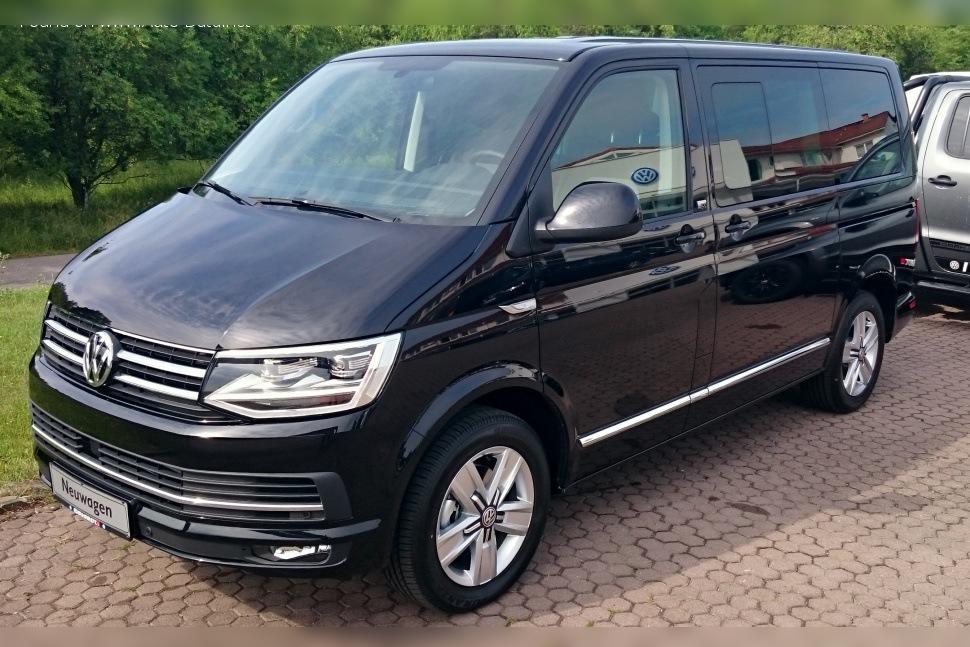
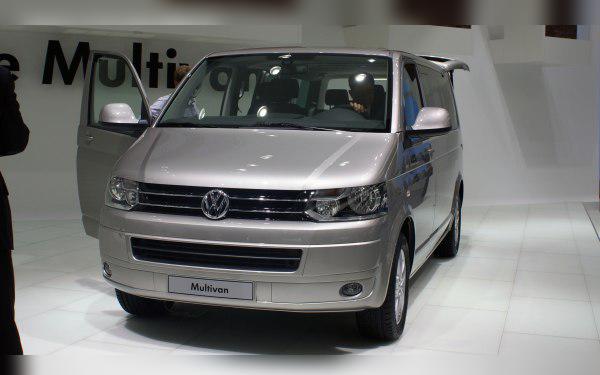
2.0 TSI (CJKA) 204 HP – Experiences, issues, fuel consumption and used-buying guide
Key points (TL;DR)
- Performance: An excellent alternative to diesel – quiet, smooth operation and linear acceleration that suits the heavy Multivan/Transporter body.
- Fuel consumption: The main downside. In the heavy T5/T6 body, consumption is significantly higher than with diesel (average around 12–13 l/100 km).
- Timing chain reliability: Although better than earlier generations, the timing chain and its tensioner are still weak points that require attention, especially after 100,000 km.
- Oil consumption: Like most TSI engines from this era (EA888 Gen 2), it is prone to increased oil consumption due to piston ring and piston design.
- Emissions systems: No DPF, no AdBlue system, no EGR issues like on diesels – ideal for urban areas with strict emission regulations.
- Gearbox: Often paired with the DQ500 DSG gearbox (7-speed, wet clutch), which is extremely robust and reliable.
Contents
- Introduction and application
- Technical specifications
- Reliability and maintenance
- Specific parts (costs)
- Fuel consumption and performance
- Additional options and modifications
- Gearbox and drivetrain
- Buying used and conclusion
Introduction and application
The engine with the code CJKA is a 2.0-liter turbo petrol unit that is something of an exotic in the world of Volkswagen vans (T5 Facelift and T6), where TDI diesel engines usually dominate. This unit belongs to the famous EA888 engine family (second generation) and is adapted for use in commercial vehicles. With its 204 HP (150 kW) and 350 Nm of torque, it offers driving dynamics that are often better and more refined than the well-known BiTDI diesel, but at a certain price at the fuel pump. It is primarily intended for those who want a luxurious passenger transport vehicle (Multivan/Caravelle) without the “tractor” sound of a diesel, or for those who are afraid of expensive failures of modern diesel systems.
Technical specifications
| Parameter | Value |
|---|---|
| Engine displacement | 1984 cc (2.0 L) |
| Power | 150 kW (204 HP) at 4200–6000 rpm |
| Torque | 350 Nm at 1500–4000 rpm |
| Engine code | CJKA |
| Fuel type | Petrol (Recommended 95 or 98 RON) |
| Injection system | TSI (Turbo Stratified Injection) – Direct injection |
| Forced induction | Turbocharger + intercooler |
| Camshaft drive | Chain (timing chain) |
Reliability and maintenance
Timing system: Chain or belt?
The CJKA engine uses a timing chainhydraulic chain tensioner. If the tensioner fails, the chain can stretch or jump a tooth, which leads to catastrophic engine failure (pistons hitting valves). The symptom is a metallic rattle on cold start that lasts a few seconds.
Major service: There is no fixed interval like with a belt, but it is recommended to have the chain condition (stretch) checked preventively via diagnostics or visually every 100,000 km to 120,000 km. Replacing the complete chain kit is a preventive solution that many owners do around 150,000 km.
Oil consumption
This is the most common question regarding 2.0 TSI engines. Yes, CJKA engines can consume oil. The problem lies in the design of the oil control rings, which can clog with carbon deposits or are simply too thin from the factory. The manufacturer states that consumption of up to 0.5 liters per 1,000 km is “within normal limits”, but realistically, a healthy engine should not consume more than 1 to 1.5 liters of oil per 10,000 km (between two services). If it consumes a liter per 1,000 km, the engine is ready for serious work (piston/ring replacement).
Oil and service intervals
The engine takes approximately 5.7 to 6.0 liters of oil (depending on sump and filter variant). A viscosity grade of 5W-30 or 0W-40 that meets VW 504.00/507.00 specification is recommended. Although VW suggests LongLife intervals (30,000 km), for the longevity of the chain and turbo you should change the oil at fixed 10,000 km to 15,000 km intervals (or once a year).
Spark plugs and ignition coils
Since this is a turbocharged petrol engine with direct injection, the ignition system is under higher stress. Spark plugs should be replaced every 60,000 km (or every 4 years). High-quality iridium plugs (NGK or Bosch) are recommended. Coils can fail suddenly, so it is advisable to check them if the engine starts running rough.
Specific parts (costs)
Dual-mass flywheel
Yes, this engine has a dual-mass flywheel, regardless of whether it is paired with a manual or a DSG gearbox. Its role is to dampen engine vibrations before they are transmitted to the gearbox. In petrol engines it lasts somewhat longer than in diesels due to lower vibration, but it is still a wear item. Replacement is expensive (depends on the market), and the symptoms are knocking at idle or jerking when switching the engine off.
Injection system and turbo
It uses high-pressure direct injection. The injectors are generally reliable but sensitive to poor fuel quality. A specific issue of direct injection is carbon buildup on the intake valves, as they are not washed by fuel. This can lead to power loss at higher mileages (over 150,000 km), which is resolved by mechanical cleaning (so-called walnut shell blasting).
The engine has a single turbocharger (usually an IHI or BorgWarner K03 variant). Turbo lifespan is long if proper cool-down after hard driving is observed and oil is changed regularly. It is not as problematic as the bi-turbo units on diesels.
Emissions systems (DPF, EGR, AdBlue)
This is the biggest advantage of this engine compared to the TDI. It has no DPF filter (unless it is the very latest generation with a GPF, which is rare on early T5/T6 models). There is no AdBlue system and no issues with urea crystallization. It has a catalytic converter, which rarely causes problems.
Fuel consumption and performance
Real-world fuel consumption
This is where we get to the “painful” part. The Volkswagen Multivan is a vehicle with the aerodynamics of a brick and a weight of over 2 tons.
- City driving: Expect between 13 and 16 l/100 km. In heavy stop-and-go traffic it can go even higher.
- Country roads: It is possible to get it down to 9–10 l/100 km with a very light right foot.
- Motorway (130 km/h): Consumption is around 11–13 l/100 km.
Performance and driving feel
The engine is anything but “lazy”. With 204 HP and 350 Nm (available from just 1500 rpm), this van accelerates surprisingly well (0–100 km/h in about 9.5 seconds). On the motorway at 130 km/h, thanks to the 7-speed DSG gearbox, the engine runs at relatively low revs (around 2500–2800 rpm), which makes driving extremely quiet and comfortable.
Additional options and modifications
LPG conversion
Installing an LPG system is possible, but complicated and expensive. Since this is a direct-injection (TSI) engine, a special system is required. There are two options: 1. A system that uses a mixture of LPG and a small amount of petrol (to cool the petrol injectors). 2. A liquid LPG injection system through the petrol injectors (the best but also the most expensive solution). Considering the installation cost, you should carefully calculate whether it pays off based on your annual mileage.
Remapping (Stage 1)
EA888 engines are known for their great tuning potential. A Stage 1 remap can safely raise power to around 240–250 HP and torque to 400+ Nm. However, with a heavy vehicle like the Multivan, you should be cautious due to the thermal load on the engine and turbo, as well as the additional stress on the gearbox.
Gearbox and drivetrain
Types of gearboxes
The CJKA engine most commonly comes with a 7-speed DSG automatic gearbox. This is the DQ500 model. It is one of the best and most durable gearboxes VW has made, designed to handle high torque (up to 600 Nm). A 6-speed manual gearbox is less common.
Maintenance and failures
- DSG (DQ500): It uses wet clutches (running in oil). Servicing (oil and filter change in the gearbox) is MANDATORY every 60,000 km. If this is followed, failures are rare. Mechatronic unit failure is possible at high mileage, but less common than on smaller DSG gearboxes.
- 4MOTION: If the vehicle has all-wheel drive, it uses a Haldex coupling (usually 4th or 5th generation). It also has its own oil that must be changed (recommended every 40,000–60,000 km) for the 4x4 system to work properly.
Buying used and conclusion
What to check before buying?
- Cold start: Ask the seller to keep the engine completely cold. Listen during the first 3–5 seconds of operation. If you hear a loud rattle, the chain needs to be replaced.
- Exhaust smoke: Bluish smoke when you blip the throttle or after idling indicates oil consumption (rings or valve stem seals).
- DSG service history: Insist on proof that the gearbox oil has been changed on time. DSG repairs are very expensive.
- Coolant leaks: Check the thermostat housing and water pump, as the plastic parts are prone to cracking and coolant leaks.
Conclusion: Who is this engine for?
The VW Multivan T5/T6 with the 2.0 TSI (CJKA) engine is a specific choice for a specific type of buyer. It is not for someone who covers 50,000 km a year and counts every liter of fuel – for them, the TDI is still the obvious choice.
This engine is perfect for:
- Families who drive lower annual mileage (up to 15–20k km per year).
- Driving in cities where diesels are being banned or where frequent stop-and-go traffic kills DPF filters.
- Lovers of quietness and comfort who want GTI-like power in a van body.
If you accept higher fuel consumption and the potential need to top up oil, you will probably get the most entertaining and most refined powertrain in the van segment.
Was this content useful to you?
Your opinion helps us to improve the quality of the content.