CXEC Engine
- Engine
- 1968 cm3
- Aspiration
- Turbocharger, Intercooler
- Fuel
- Diesel
- Fuel injection system
- Diesel Commonrail
- Power
- 199 hp
- Torque
- 450 Nm
- Cylinders
- 4
- Valves
- 16, 4 per cylinder
- Cylinders position
- Inline
- Oil capacity
- 7.4 l
- Systems
- Particulate filter
# Vehicles powered by this engine

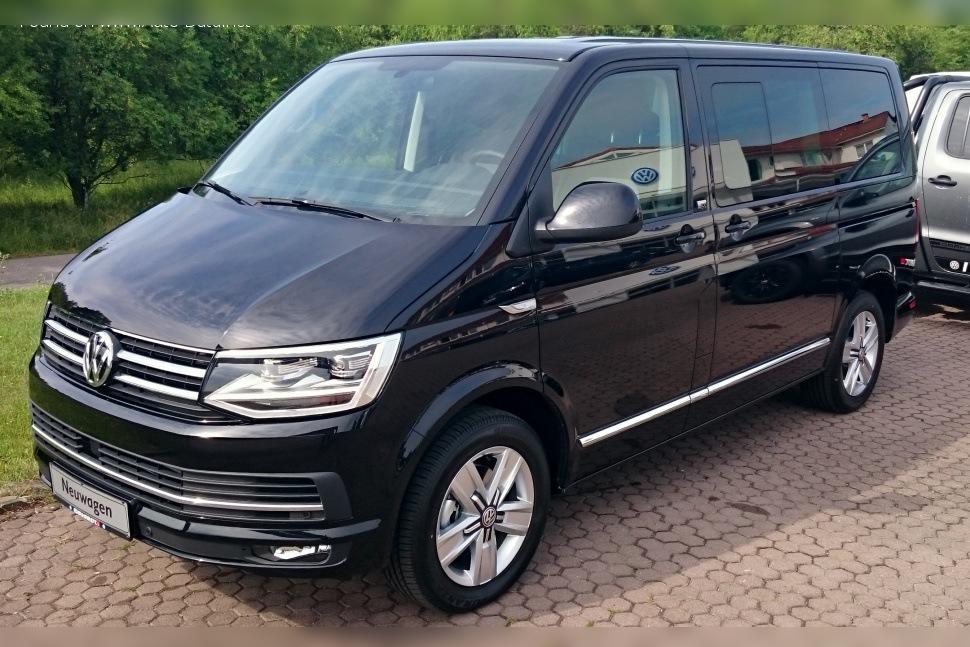
VW 2.0 BiTDI (CXEC) 199 HP: Experiences, problems, fuel consumption and buying guide
Key points (TL;DR)
- Most powerful diesel option: With 199 HP and 450 Nm, this is the top of the range for the T6 Multivan, offering excellent overtaking performance and load capacity.
- Complexity: It has two turbochargers (Bi-Turbo) and a complex exhaust aftertreatment system (AdBlue, DPF, EGR). Maintenance is more expensive than on the 150 HP version.
- DSG gearbox: Paired with the robust DQ500 gearbox, which is durable but requires regular oil changes.
- Major service: The engine is driven by a timing belt. It is recommended to shorten the replacement interval for safety.
- AdBlue issues: Frequent faults in the AdBlue dosing system (sensors, heaters, pumps).
- More reliable than its predecessor: The CXEC has solved many of the problems of the notorious CFCA engine (which consumed oil), but it still requires top-notch maintenance.
- Fuel consumption: Not a low consumer, especially in the city and at high motorway speeds (the aerodynamics of a "box").
Contents
- Introduction: The king of van transport
- Technical specifications
- Reliability and maintenance
- Specific parts and costs
- Fuel consumption and performance
- Additional options and modifications
- Gearbox: DSG and manual
- Buying used and conclusion
Introduction: The king of van transport
The engine with the code CXEC represents the very top of the range in Volkswagen’s T6 generation (Multivan, Caravelle, Transporter). It is a two-liter diesel unit which, thanks to twin turbocharging, delivers an impressive 199 horsepower. This engine is the successor to earlier BiTDI versions and a direct response to the needs of drivers who want their heavy van to cruise on the motorway like a passenger sedan.
It is primarily installed in the more luxurious Multivan trims (Highline, PanAmericana), often in combination with 4MOTION all-wheel drive. It is important to note that although it shares its base with engines from the Passat or Golf (EA288 series), this is a version adapted for commercial vehicles ("Nutzfahrzeuge"), with reinforced components and a larger oil sump.
Technical specifications
| Parameter | Value |
|---|---|
| Engine code | CXEC |
| Displacement | 1968 cc (2.0 L) |
| Power | 146 kW / 199 HP |
| Torque | 450 Nm at 1400–2400 rpm |
| Fuel type | Diesel (Euro 6) |
| Injection | Common Rail (Direct) |
| Charging | Bi-Turbo (Two inline turbochargers) |
| Camshaft drive | Timing belt |
Reliability and maintenance
Timing belt or chain?
The CXEC engine uses a timing belt to drive the camshafts. This is good news because modern VW belts are quieter and generally more reliable than the old chains. However, the water pump is part of that system and is often a weak point (it can start leaking or seize), so it is always replaced together with the timing kit.
Major service and intervals
The factory interval for timing belt replacement is often optimistically set at 210,000 km (for some markets). However, given the load that a Multivan is subjected to, experienced mechanics recommend doing the major service at a maximum of 150,000 km or 5 to 7 years of age. A snapped belt leads to a "collision" between pistons and valves, which is an engine failure costing several thousand euros.
Oil: Capacity and consumption
This is an engine for commercial vehicles and it has a large oil sump. It holds about 7.4 liters of oil (check precisely by VIN, as it varies on 4MOTION models due to sump shape). Only 5W-30 oil that meets the VW 507.00 specification is used (because of the DPF filter).
Oil consumption: Unlike its predecessor (CFCA 180 HP), which was disastrous in this regard, the CXEC is much better. Still, due to the two turbos and high pressures, consumption of 0.5 to 0.8 liters per 10,000 km is considered acceptable. If it uses a liter per 1,000 km, the engine is ready for a rebuild (usually an issue with piston rings or cylinder ovality due to overheating).
Most common failures
In addition to standard wear items, CXEC owners most often report:
- EGR cooler: It cracks or clogs, which leads to coolant loss or coolant entering the cylinders.
- Oil leaks: At the crankshaft seals or valve cover, as a result of the high temperatures in the very cramped T6 engine bay.
- Exhaust gas temperature sensors: They often fail and put the engine into "safe mode".
Injector longevity
The system uses high-pressure piezoelectric injectors (over 2000 bar). They are generally durable and can last 200,000 to 250,000 km with good-quality fuel. Symptoms of failure are rough idle, increased smoke under acceleration or hard starting. Overhauling piezo injectors is difficult and often unsuccessful, so new or factory-refurbished ones are usually bought, which is very expensive (depends on the market, but expect a serious cost per injector).
Specific parts (Costs)
Turbochargers (Bi-Turbo)
The CXEC has two turbochargers working sequentially. The smaller turbo works at low revs for quick response, and the larger one takes over at higher revs. Their lifespan is around 200,000 - 250,000 km, provided the oil is changed regularly (every 10–15 thousand km, not at 30,000 as the factory sometimes states). Overhauling a Bi-Turbo system is complicated and requires expertise; replacement is expensive.
Dual-mass flywheel
Yes, this engine has a dual-mass flywheel. It is necessary to smooth out the huge 450 Nm of torque and protect the gearbox. It usually lasts around 150,000 - 200,000 km, depending on driving style (stop-and-go city driving wears it out faster).
DPF, EGR and AdBlue
This is a Euro 6 engine, which means emissions systems are "full on".
- DPF: If driven mostly on open roads, it lasts a long time. City driving clogs it quickly.
- EGR: Prone to soot build-up. Cleaning is possible, but replacement is often needed.
- AdBlue: This is a weak point of T6 models. The dosing system (pump in the tank, additive heater, injection nozzle) often causes problems. Failures appear as a countdown on the dashboard (e.g. "No start in 1000 km"). Repairs are expensive because they often require replacement of entire modules.
Fuel consumption and performance
Is the engine "lazy"?
Absolutely not. With 450 Nm available from just 1400 rpm, the CXEC plays with the weight of the Multivan (which exceeds 2.2 tons empty). Acceleration is linear and strong, and overtaking on country roads is safe. This is an engine that makes the van drive like a passenger car.
Real-world fuel consumption
- City driving: Expect between 10 and 12 liters/100 km. The heavy body and automatic gearbox in traffic take their toll.
- Open road (80–90 km/h): It can go down to around 7.5 - 8 liters/100 km.
- Motorway (130 km/h): Due to the "brick" aerodynamics, consumption rises to 9 - 10 liters/100 km. At that speed the engine runs at a comfortable ~2200 rpm (in 7th gear), which reduces noise, but air resistance dictates the fuel consumption.
Additional options and modifications
Remapping (Stage 1)
The engine has potential, but you need to be careful. A Stage 1 remap can raise power to about 230–240 HP and torque to 500+ Nm. However, in a van thermal load is huge. If you often drive fully loaded or tow a trailer, remapping is not recommended because exhaust gas temperatures (EGT) can damage the turbos or the cylinder head. The DQ500 gearbox can handle this power increase.
Gearbox: Manual and automatic
Type of gearbox
With the 199 HP (CXEC) engine, you almost exclusively get a 7-speed DSG gearbox (code DQ500). This is a "wet" DSG, designed for high torque and heavy vehicles. A manual gearbox in this power configuration is extremely rare.
Gearbox maintenance and failures
- Service: Oil and filter in the DSG gearbox must be changed every 60,000 km. This is critical for the longevity of the mechatronics.
- Failures: The DQ500 is very robust, probably the best DSG VW makes. Still, mechatronics failures do occur (symptoms: jerks when shifting, delay when engaging reverse).
- Clutch replacement: The clutch pack in the gearbox lasts a long time (often over 250,000 km), but replacement is an expensive job. Replacing the dual-mass flywheel (which is outside the gearbox) is also a significant cost (depends on the market, falls into the "expensive" category).
Buying used and conclusion
Buying a used Multivan with the CXEC engine requires caution. Be sure to check:
- Cold start: Listen for rattling (flywheel) or uneven running (injectors).
- Service history: Has the DSG oil been changed on time? Has the major service been done?
- Diagnostics: Check DPF saturation and injector condition (corrections). Check for any faults related to the AdBlue system.
- Test drive: Floor the throttle. The van must pull linearly, without hesitation and without going into "safe mode" at high revs (which would indicate a turbo problem).
Conclusion: The VW 2.0 BiTDI (CXEC) is a fantastic engine for those who want performance, luxury and power on the road. It is ideal for long family trips across Europe or as a VIP shuttle. However, it is not for those with a "shallow pocket" when maintenance time comes. The complexity of the two turbos, 4x4 drivetrain and AdBlue system carries the risk of expensive repairs. If performance is not crucial for you, the weaker 150 HP version (with a single turbo) is cheaper and simpler to maintain.
Was this content useful to you?
Your opinion helps us to improve the quality of the content.