CCHA Engine
- Engine
- 1968 cm3
- Aspiration
- Turbocharger, Intercooler
- Fuel
- Diesel
- Fuel injection system
- Diesel Commonrail
- Power
- 140 hp @ 3500 rpm
- Torque
- 340 Nm @ 2500 rpm
- Cylinders
- 4
- Valves
- 16, 4 per cylinder
- Cylinders position
- Inline
- Oil capacity
- 7 l
- Systems
- Particulate filter
# Vehicles powered by this engine

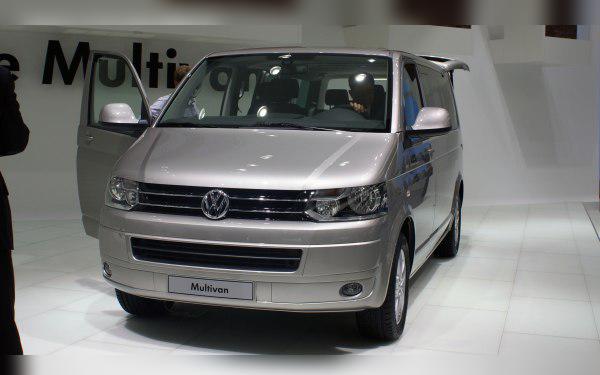
VW 2.0 TDI (CCHA) 140 HP – Experiences, problems, fuel consumption and buying used
When talking about Volkswagen’s van lineup, especially the T5 Facelift (GP) models from 2009 onwards, engine choice is the key factor that separates owners who just drive from those who are constantly at the mechanic. The engine with the code CCHA (2.0 TDI, 140 HP) is considered the “golden middle ground” and probably the most sensible choice for this heavy body.
Unlike its infamous stronger brother (the 180 HP BiTDI known for catastrophic oil consumption), the 140 HP CCHA is a classic “workhorse”. It was installed in Multivan, Transporter, Caravelle and California models. This is a Common Rail engine that brought much quieter operation and better refinement compared to the old “Pumpe-Düse” units, but it also comes with the complexity of modern eco-systems.
In short (TL;DR)
- Best choice for the T5: This engine is far more reliable than the BiTDI version (180 HP).
- EGR valve: The biggest weak point of this engine. The EGR cooler often cracks or gets clogged.
- Reliable gearbox: Comes with a reinforced 6-speed manual or an excellent DQ500 DSG gearbox (wet clutch).
- Fuel consumption: Not very economical in the city (heavy body), but efficient on the open road.
- Major service: Mandatory, it uses a timing belt.
- DPF filter: Sensitive to frequent city driving, regenerations are frequent.
- Recommendation: If you’re buying a T5 facelift, look exclusively for this 140 HP (103 kW) engine.
Contents
- Technical specifications
- Reliability and Maintenance
- Specific Parts (Costs)
- Fuel Consumption and Performance
- Additional Options and Modifications
- Gearbox (Manual and DSG)
- Buying used and Conclusion
Technical specifications
| Specification | Value |
|---|---|
| Engine displacement | 1968 cc (2.0 l) |
| Power | 103 kW (140 HP) |
| Torque | 340 Nm at 1750–2500 rpm |
| Engine code | CCHA |
| Injection type | Common Rail (Direct injection) |
| Charging | Turbocharger (VGT – variable geometry) + Intercooler |
| Number of cylinders / valves | 4 / 16 |
Reliability and Maintenance
This engine belongs to the EA189 family, but it is specifically adapted for commercial vehicles (oil pan, oil pump, balance shafts). It is generally considered very reliable, provided it is regularly maintained.
Timing belt or chain?
The CCHA engine uses a timing belt to drive the camshafts. This is good news because the system is quieter and cheaper to replace than the complicated chains that caused problems on some other VW engines. The timing belt kit also drives the water pump, so it must always be replaced together with it.
Major service and intervals
The factory recommendation for the major service is often optimistic (up to 210,000 km for some markets), but workshop experience says otherwise. The recommendation is to do the major service at a maximum of 150,000 to 160,000 km or every 5 to 6 years, whichever comes first. Rubber ages, and a failure due to a snapped belt means total engine damage.
Oil: capacity and consumption
This is an important point with the Transporter/Multivan. The oil pan is larger than on passenger cars (Passat, Golf). The CCHA engine takes about 7.0 to 7.5 liters of oil. You must use 5W-30 oil with the VW 507.00 specification. This spec is crucial because of the DPF filter (Low SAPS oil).
As for oil consumption, the CCHA is dramatically better here than the more powerful CFCA (BiTDI) engine. Consumption of about 0.5 liters per 10,000 km is considered completely normal and acceptable. If it consumes more than that (e.g. 1 liter per 2,000 km), this points to a problem with the piston rings or turbocharger, but this is not a design flaw of this engine, rather a consequence of high mileage.
Injectors
The injection system is Common Rail (usually Bosch). The injectors have proven to be very durable and often exceed 250,000–300,000 km without overhaul, provided quality fuel is used. Symptoms of bad injectors are rough idle (“rocking”), increased smoke when accelerating and difficult starting. Overhaul is possible, but not cheap (depends on the market).
Most common failures
Headaches with the CCHA engine are most often caused by peripheral components:
- EGR cooler: The aluminum oxidizes, the cooler gets clogged or starts leaking coolant. The symptom is coolant loss without visible leaks under the vehicle.
- Exhaust gas pressure sensor (G450): Often fails, which prevents DPF regeneration. It’s a cheap part, but can cause big problems if ignored.
- Serpentine belt failure: If not replaced on time, it can shred and get under the timing belt, destroying the engine. During the major service, always replace the serpentine belt tensioner as well.
Specific Parts (Costs)
Dual-mass flywheel
Yes, the CCHA engine always comes with a dual-mass flywheel (both with the manual and DSG gearboxes). Due to the high vehicle weight and large aerodynamic drag, the flywheel is under heavy load. Failure symptoms are a metallic “clack-clack” sound when switching the engine off, vibrations at idle transmitted to the seats and steering wheel, or clutch slip under hard acceleration in higher gears.
Turbocharger
This engine has a single turbocharger with variable geometry. It is not as failure-prone as the bi-turbo system. With regular oil changes and proper cooldown after fast driving (idling for 1–2 minutes before shutting off), the turbo can last as long as the engine.
DPF and EGR
All CCHA engines have a DPF filter and an EGR valve. These are the standard “enemies” in city driving. The Multivan is often used for short trips (school, work), which quickly clogs the DPF. The symptom is a warning light on the dashboard and going into “safe mode” (loss of power). Cleaning is possible, but if the honeycomb is melted, replacement is necessary and it is expensive.
AdBlue
Most CCHA engines (Euro 5) in T5 Facelift models do not have an AdBlue system and rely only on the DPF and EGR for emission control. However, some later BlueMotion models or specific versions towards the end of production (transition to T6) may have AdBlue. If present, the system is sensitive to low temperatures (urea crystallization) and heater failures in the tank. Maintenance basically means just topping up the fluid.
Fuel Consumption and Performance
The Multivan T5 weighs around 2.2 to 2.5 tons (empty). Don’t expect miracles.
City driving
In the city, real-world consumption is between 9 and 11 liters per 100 km. If it’s a 4MOTION (all-wheel drive) with automatic transmission, in winter this figure can easily reach 12–13 liters.
Open road
This is where the CCHA shines. On country roads, consumption drops to about 7.0–7.5 l/100 km. On the motorway at 130 km/h, the engine spins at around 2,200–2,400 rpm (depending on the gearbox) and uses about 8.5 to 9.5 liters. Due to the “brick” aerodynamics, any increase in speed above 120 km/h drastically raises fuel consumption.
Is the engine “lazy”?
With 140 HP and 340 Nm, this engine is adequate, but not sporty. It’s not lazy for normal driving and cruising. However, if the van is full of passengers and luggage, overtaking on uphill sections requires planning and shifting down. For everyday family use or passenger transfer – it is more than sufficient.
Additional Options and Modifications
Chip tuning (Stage 1)
The CCHA engine responds very well to remapping. Since the hardware is robust, a safe “Stage 1” raises power to about 170–175 HP and torque to about 400–410 Nm. This difference is dramatically noticeable in driving – the van becomes more eager, overtakes more easily, and fuel consumption at the same pace can slightly drop. Still, keep in mind that higher torque wears the dual-mass flywheel faster.
Gearbox
With the CCHA engine in T5 facelift models you get two great options:
1. Manual gearbox (6-speed)
Very precise and durable. Failures are rare. Sometimes problems with the shift cables can appear (hard to engage gears), which is relatively cheap to fix. Replacing the clutch kit with the dual-mass flywheel is a regular maintenance cost at around 200,000 km and falls into the expensive category (depends on the market).
2. DSG gearbox (DQ500 – 7-speed)
This is a key piece of information: The T5 GP uses the DQ500 gearbox with a wet clutch. This is one of the strongest and best DSG gearboxes VW has ever made (it is also used in the Audi RS3). It can handle huge torque and is much more reliable than the smaller DQ200.
DSG maintenance: The oil and filter in the gearbox MUST be changed every 60,000 km. If this is followed, the gearbox can easily cover 300–400 thousand kilometers. Failures are usually related to the mechatronics (expensive) or the flywheel (which can be heard as knocking in “P” or “N” position).
Buying used and Conclusion
If you are looking for a VW Multivan T5 (2010–2015), the CCHA 140 HP is the engine you want.
What to check before buying?
- Cold start: Listen to the engine when it’s cold. Uneven running may indicate injector issues. A metallic sound that disappears when you press the clutch points to the flywheel.
- Coolant leaks: Check the coolant level. If it’s low and there are no puddles under the car, suspect the EGR cooler.
- Diagnostics (VCDS): Check DPF load (Soot Mass / Ash Mass) and injector corrections.
- DSG service history: If it’s an automatic, ask for proof of oil changes in the gearbox every 60k km.
Conclusion: This is an ideal vehicle for large families and long trips. The 140 HP engine offers the best balance between performance, fuel consumption and, most importantly, reliability. Avoid cheaper examples with suspicious mileage, because repairs on a Multivan are not cheap. If you find a well-maintained example with the CCHA engine, it will serve you for many years.
Was this content useful to you?
Your opinion helps us to improve the quality of the content.