DDAA, DFCA, DFHA Engine
- Engine
- 1968 cm3
- Aspiration
- Turbocharger, Intercooler
- Fuel
- Diesel
- Fuel injection system
- Diesel Commonrail
- Power
- 190 hp
- Torque
- 400 Nm
- Cylinders
- 4
- Valves
- 16, 4 per cylinder
- Cylinders position
- Inline
- Oil capacity
- 4.7 l
- Systems
- Particulate filter
# Vehicles powered by this engine
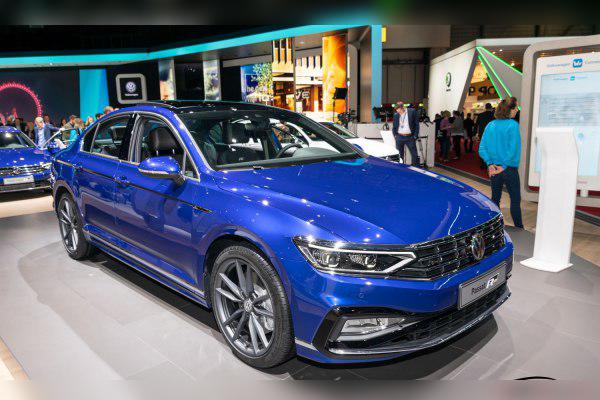
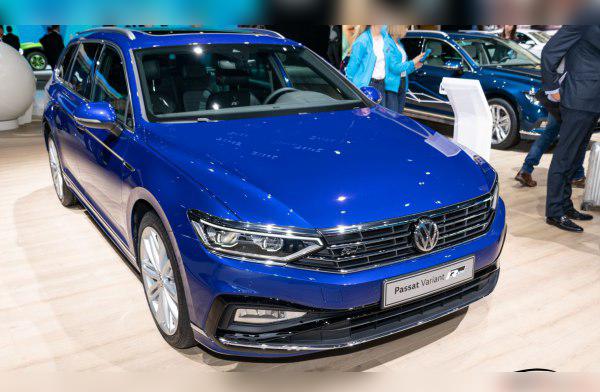
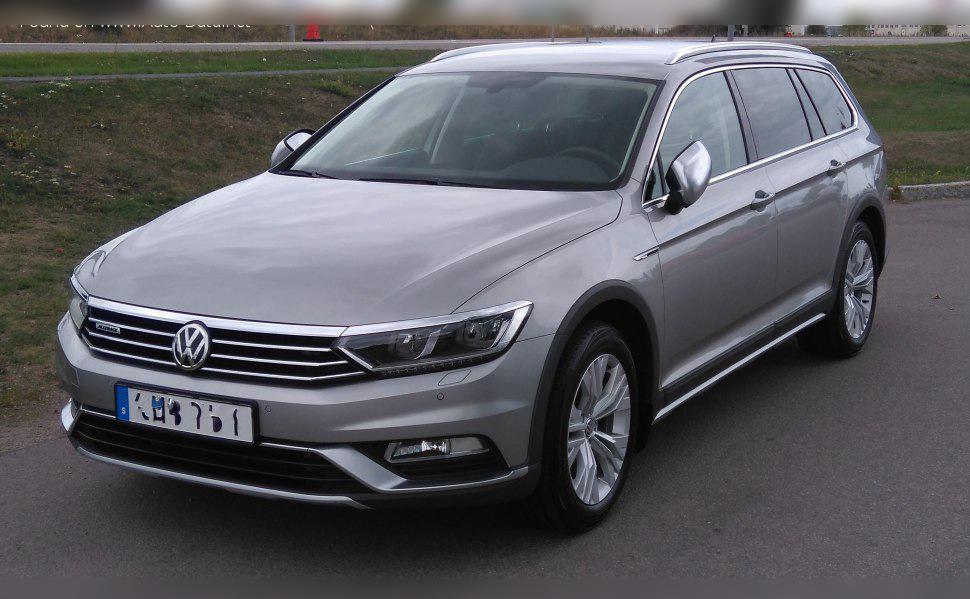
VW 2.0 TDI (190 HP) DDAA/DFCA – Experiences, problems, fuel consumption and used car buying guide
Key points (TL;DR)
- Performance and efficiency: Excellent balance between power (190 HP) and fuel consumption, ideal for motorway driving.
- Timing drive: Uses a timing belt, not a chain. The water pump is a weak point.
- Gearbox: In this power version it almost always comes with a DSG automatic gearbox (most often DQ381), which requires regular maintenance.
- Emissions: Equipped with a complex system (DPF, EGR and AdBlue). The AdBlue system can be prone to failures (heaters, pumps).
- Maintenance: Not cheap to maintain if quality parts are used, especially due to the dual‑mass flywheel and DPF system.
- Recommendation: One of the best diesel engines in its class for long‑distance drivers, but avoid cars that have been driven exclusively in city traffic.
Contents
- Introduction and applications
- Technical specifications
- Reliability, maintenance and failures
- Specific parts and injection system
- Fuel consumption and performance
- Gearbox and drivetrain
- Additional options (tuning)
- Used car buying tips and conclusion
Introduction and applications
The engine discussed here belongs to the modern evolution of Volkswagen’s EA288 series of diesel units. The codes DDAA, DFCA and DFHA are primarily associated with the facelifted Volkswagen Passat B8 (from 2019 onwards). With an output of 190 horsepower, this engine represents the “sweet spot” – it is more powerful than the standard 150 HP versions commonly used in fleet sales, yet cheaper to maintain and register than the 240 HP Bi‑Turbo variants.
This engine is intended for drivers who spend a lot of time on open roads, offering ample torque for overtaking and towing while keeping fuel consumption reasonable. It is fitted in saloons, estates (Variant) and Alltrack models, often in combination with 4MOTION all‑wheel drive.
Technical specifications
| Parameter | Value |
|---|---|
| Engine displacement | 1968 ccm (2.0 L) |
| Power | 140 kW (190 HP) |
| Torque | 400 Nm at 1900–3300 rpm |
| Engine codes | DDAA, DFCA, DFHA |
| Fuel type | Diesel (Euro 6d-TEMP / Euro 6d) |
| Injection system | Common Rail (direct injection) |
| Charging | Turbocharger (VGT) + intercooler |
| Number of cylinders / valves | 4 / 16 |
Reliability, maintenance and failures
Belt or chain?
This 2.0 TDI engine uses a timing belt to drive the camshafts. Although the manufacturer often specifies optimistic replacement intervals (sometimes up to 210,000 km), real‑world experience from mechanics calls for caution. It is recommended to perform the major service (replacement of belt, tensioner, rollers and water pump) between 150,000 and 180,000 km, or every 5 to 7 years, whichever comes first. A snapped belt leads to catastrophic engine damage.
Most common failures
Although the EA288 generation is reliable, there are some specific issues:
- Water pump: These engines use a variable‑flow pump (with an electronically controlled flap). It often happens that this flap gets stuck, which can lead to engine overheating or coolant leaks. Symptoms include a sudden rise in temperature or loss of coolant.
- Oil leaks: Sometimes occur at the crankshaft oil seal or the valve cover.
- Exhaust gas temperature (EGT) sensors: They can fail, which triggers the “Check Engine” light and may prevent DPF regeneration.
- AdBlue system: The heater in the AdBlue tank or the pump itself are prone to failure. Repairs to this system can be expensive (depends on the market).
Oil service and oil consumption
The engine takes approximately 5.5 to 5.7 litres of oil (always check the exact amount when filling). You must use oil that meets the VW 507.00 specification, most commonly with a viscosity of 0W-30 or 5W-30. The minor service is done every 15,000 km or once a year. “Long Life” intervals of 30,000 km should be avoided if you want the engine to last.
Regarding oil consumption, modern TDI engines can consume a certain amount, especially if driven aggressively on the motorway. Consumption of up to 0.5 litres per 10,000 km is perfectly acceptable and normal. If the engine uses more than 0.5 litres per 1,000 km, this indicates a problem (piston rings, turbo or a leak).
Injectors
This engine uses an advanced Common Rail system with piezoelectric or solenoid injectors (depending on the exact sub‑variant). They have proven to be very durable and often exceed 250,000 km without issues, provided quality fuel is used and the fuel filter is changed regularly. Symptoms of bad injectors include rough idle, increased smoke under acceleration and harder starting.
Specific parts (costs)
Dual‑mass flywheel
Yes, this engine has a dual‑mass flywheel (DMF). Given the high torque of 400 Nm, the flywheel is subjected to significant loads. Its lifespan is usually between 150,000 and 200,000 km, but it heavily depends on driving style. Symptoms of failure include rattling at idle (metal‑on‑metal sound) and vibrations when switching the engine off or when setting off. Replacement is a costly operation.
Turbocharger
The engine uses a single turbocharger with variable geometry (VGT). It is not prone to premature failure if you follow the rule of letting the turbo cool down after hard driving and change the oil regularly. It does not have two turbos like the 240 HP BiTDI version, which makes it significantly cheaper to maintain.
DPF, EGR and AdBlue
As a Euro 6 unit, this engine is “armed to the teeth” with emissions equipment:
- DPF filter: An unavoidable component. If driven mainly on open roads, it rarely causes problems. City driving clogs it quickly.
- EGR valve: Recirculates exhaust gases for re‑combustion. Soot can cause it to stick, leading to loss of power.
- AdBlue (SCR): Yes, this engine uses AdBlue fluid. The system is mandatory for starting the engine. If the system fails (NOx sensor, pump, heater), the engine often cannot be started after a certain number of kilometres (a “countdown” appears on the dashboard). Regular maintenance only involves topping up the fluid, but system repairs are expensive.
Fuel consumption and performance
City driving
The Passat B8 with this engine is not a small car. In heavy stop‑and‑go city traffic, real‑world fuel consumption ranges between 7.5 and 9.0 litres per 100 km. The 4MOTION system adds about 0.5 to 1 litre to this figure. The engine is not “lazy”; on the contrary, it is very lively thanks to the torque available from just 1900 rpm, but the weight of the body is reflected in the fuel consumption.
Motorway and cruising
This is the natural habitat of this engine. On the motorway it is extremely efficient. At 130 km/h, depending on the gearbox (7‑speed DSG), the engine spins at a low 1800–2000 rpm. Fuel consumption then is around 5.0 to 6.0 litres, which allows a range of over 1000 km on a single tank.
Additional options and modifications
Chip tuning (Stage 1)
The 190 HP 2.0 TDI is an excellent base for “chipping”. A Stage 1 remap usually raises power to 220–230 HP and torque to 450–460 Nm. The engine and turbo can handle this without issues, but keep in mind that the higher torque puts additional stress on the DSG gearbox and dual‑mass flywheel. It is recommended only if the car is in perfect mechanical condition.
Gearbox
Type of gearbox
With the 190 HP engine in the facelift model (B8), Volkswagen almost exclusively pairs it with a DSG automatic gearbox. Most commonly this is the DQ381 model (7‑speed with wet clutches), which is an evolution of the older DQ250. A manual gearbox in this power configuration is extremely rare or non‑existent in most markets.
Gearbox maintenance and failures
- Service: The oil (and filter) in the DSG gearbox must be changed every 60,000 to 120,000 km (depending on the exact DQ381 specification, but experts recommend every 60,000 km for safety).
- Failures: The most expensive failure is the mechatronics unit (the brain of the gearbox). Symptoms include harsh gear changes, delay when setting off or jolts during shifting.
- Clutch replacement: Although these are “wet” clutches and last a long time, they are still wear items. Replacing the clutch pack is a very expensive operation (depends on the market).
- Dual‑mass flywheel: As mentioned, it is the link between the engine and gearbox. A rattling sound from the gearbox area at idle is a warning sign.
Used car buying guide and conclusion
When buying a Passat with this engine, pay attention to the following:
- Cold start: Listen for any metallic noises (flywheel) or uneven running (injectors).
- Coolant: Check for signs of leakage around the water pump and whether the level in the expansion tank is stable.
- DSG test: The gearbox should shift imperceptibly. Any jerk, especially when setting off uphill or slowing down for traffic lights, can mean a bill of several thousand euros.
- Diagnostics: Check the DPF saturation level (ash mass) and the condition of the injectors.
Conclusion: The VW 2.0 TDI (190 HP) with codes DDAA/DFCA is an excellent engine for long‑distance travel. It offers near‑sporty performance with the fuel consumption of a city car. However, the complexity of modern systems (AdBlue, DSG, electronics) means this is not a car that can be maintained “on the cheap”. If you have the budget for proper maintenance and cover a lot of kilometres on open roads, this is one of the best buys in its class. For exclusively city driving – look for a petrol or hybrid.
Was this content useful to you?
Your opinion helps us to improve the quality of the content.