DBGA, DCYA, DFEA Engine
- Engine
- 1968 cm3
- Aspiration
- Turbocharger, Intercooler
- Fuel
- Diesel
- Fuel injection system
- Diesel Commonrail
- Power
- 150 hp
- Torque
- 340 Nm
- Cylinders
- 4
- Valves
- 16, 4 per cylinder
- Cylinders position
- Inline
- Oil capacity
- 4.7 l
- Systems
- Start & Stop System, Particulate filter
# Vehicles powered by this engine
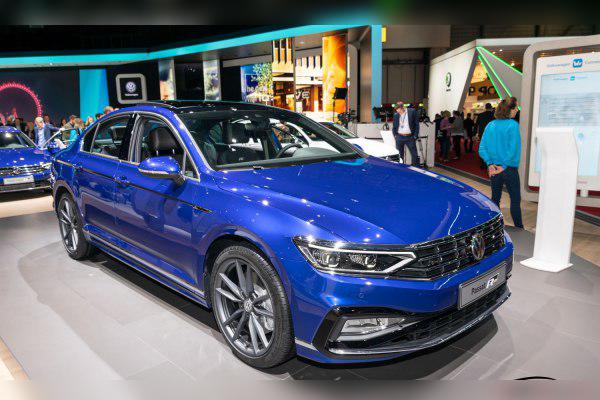
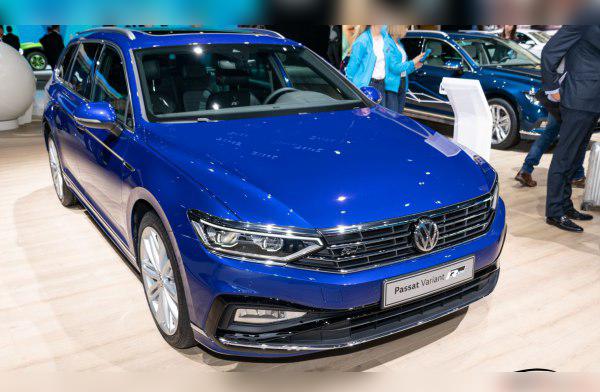
2.0 TDI (150 HP) DBGA/DCYA/DFEA – Experiences, issues, fuel consumption and used car buying guide
If you’re looking for the “golden middle” in the world of business sedans and family estates, you’re probably looking at the Volkswagen Passat B8 (especially the facelift model from 2019 onwards). The heart of this car is most often the 2.0 TDI engine with 150 horsepower. This is not a racing engine, but it’s probably the most rational choice for European roads. The DBGA, DCYA and DFEA codes indicate more modern iterations of this diesel (EA288 Evo generation) that meet strict emission standards, but also bring a certain level of complexity.
Key points in short (TL;DR)
- Ideal balance: 150 HP is the perfect compromise between power and efficiency for the Passat B8.
- Timing belt: The engine uses a timing belt, not a chain.
- AdBlue system: Mandatory on these engine codes, sensitive to fluid quality and sensors.
- Water pump: A known weak point, it can start leaking or seize before the major service interval.
- DSG gearbox: Facelift models mostly use the DQ381 (7-speed, wet clutch) – more reliable, but requires regular maintenance.
- Dual-mass flywheel: Present on both manual and automatic versions, it is a wear item.
- Recommendation: An excellent choice for long-distance drivers, best avoided if you drive only short city trips.
Contents
- Technical specifications
- Reliability and maintenance
- Specific components (costs)
- Fuel consumption and performance
- Gearbox (manual and DSG)
- Additional options and tuning
- Buying used and conclusion
Technical specifications
| Specification | Data |
|---|---|
| Engine displacement | 1968 cc (2.0 litres) |
| Power | 110 kW (150 HP) |
| Torque | 340 Nm (usually available from 1750 rpm) |
| Engine codes | DBGA, DCYA, DFEA (EA288 Evo family) |
| Injection system | Common Rail (direct injection) |
| Charging type | Variable-geometry turbocharger + intercooler |
| Emissions | Euro 6d-TEMP / Euro 6d (with AdBlue system) |
Reliability and maintenance
These engines are an evolution of the famous 2.0 TDI unit and are considered very durable “mile eaters”, provided they are properly maintained. However, modern emission systems bring their own challenges.
Timing belt or chain?
This engine (all listed codes) uses a timing belt to drive the camshafts. That’s good news because the system is quieter and generally more predictable than a chain.
Major service and water pump
The factory interval for timing belt replacement is often optimistically set at 210,000 km. However, experienced mechanics and real-world practice suggest doing the major service earlier, between 150,000 km and 180,000 km, or at 5 to 7 years of age.
Most common issue: the electronically controlled water pump. On these engines, the pump has a sliding ring (shroud) that regulates coolant flow so the engine warms up faster. This mechanism can seize, which leads to engine overheating, or the pump may simply start leaking before the major service interval. If you notice coolant loss or temperature spikes, react immediately.
Oil: quantity, grade and consumption
The engine takes approximately 5.7 litres of oil (always check the exact amount by VIN, as sumps can vary). You must use oil that meets the VW 504.00 / 507.00 specification, most commonly in 0W-30 or 5W-30 grades.
Oil consumption: These engines are “tighter” than older generations, but consumption of 0.5 to 0.8 litres per 10,000 km is considered perfectly normal, especially if driven aggressively on the motorway. If it uses a litre every 2,000 km, you have a problem (most often turbo or piston rings).
Injector longevity
The injectors on DBGA/DFEA engines are Bosch Common Rail (electromagnetic or piezo, depending on the exact revision). They have proven to be very reliable and often last over 250,000 km without issues, provided you use quality fuel. Symptoms of bad injectors include rough idle (“rocking”), hard starting or increased smoke.
Specific components (costs)
Dual-mass flywheel
Yes, this engine has a dual-mass flywheel (DMF). This applies both to versions with a manual gearbox and to those with a DSG automatic. The flywheel is a wear item that absorbs diesel engine vibrations. Its lifespan is usually between 150,000 and 250,000 km, depending on driving style (stop‑and‑go city driving wears it out faster).
Turbocharger
The engine has a single turbocharger with variable geometry. It is not prone to sudden failures. With regular oil changes and proper cooldown after fast driving, the turbo lasts as long as the engine. Failures are usually related to the turbo actuator (electronics) or clogged geometry from city driving.
DPF, EGR and AdBlue issues
This is the Achilles’ heel of modern diesels.
- DPF filter: Relatively robust, but if the car is used only in the city, it will clog. It needs occasional runs on open roads for passive regeneration.
- EGR valve: Prone to soot build-up. Symptoms include loss of power and a “Check Engine” light. Cleaning often solves the problem, but sometimes replacement is necessary.
- AdBlue (SCR): These engines (Euro 6d standards) have an AdBlue system. This is a frequent source of headaches. Problems include failure of the heater in the AdBlue tank, pump failure or urea crystallisation that clogs the injector nozzle. Repairs can be expensive (depending on the market, often ranging from “expensive” to “very expensive”). Using additives that prevent AdBlue crystallisation is recommended.
Fuel consumption and performance
This is the area where the Passat with this engine really shines.
- City driving: Real-world consumption is between 6.5 and 8.0 l/100 km. The Passat is a heavy car, and in traffic jams it simply cannot use 5 litres, no matter what the brochure claims.
- Country roads / secondary roads: Here, consumption drops to an impressive 4.5 to 5.5 l/100 km.
- Motorway (130 km/h): Consumption is around 5.5 to 6.0 l/100 km. Thanks to long gearing (especially with the 7‑speed DSG), the engine spins at a low 1,800–2,000 rpm at 130 km/h, which ensures quietness and efficiency.
Is the engine “lazy”? No. With 340 Nm of torque, the engine copes quite well with the Passat’s body. Overtaking is safe. Of course, if the car is fully loaded with passengers and luggage on an uphill, you can feel that it’s not the 2.0 BiTDI (240 HP), but for 95% of drivers this is the right balance.
Gearbox (manual and DSG)
Gearbox options
With this engine in the facelift Passat B8 you most commonly get:
- Manual gearbox (6-speed): Code MQ350. Very precise and durable.
- DSG automatic gearbox (7-speed): Code DQ381. This is a gearbox with a wet clutch.
Failures and maintenance
Manual gearbox: The gearbox itself rarely fails. The main expense is the clutch kit with dual-mass flywheel. Replacement cost is in the “medium expensive” category (varies by market). VW says the oil in the manual gearbox is lifetime fill, but it’s recommended to change it at around 150,000 km.
DSG (DQ381): This is a significantly improved version compared to the older 6‑speed (DQ250) or the problematic 7‑speed dry‑clutch (DQ200). It is very reliable if maintained properly.
DSG maintenance: Mandatory oil and filter change in the gearbox every 60,000 km to 80,000 km (some schedules say 120,000 km for the DQ381, but for longevity stick to the shorter interval). If the oil is not changed, the mechatronics (the gearbox “brain”) and clutch packs will fail, and that’s a “very expensive” repair.
Additional options and modifications
Chip tuning (Stage 1)
This engine responds very well to remapping. A safe Stage 1 tune raises power to about 185–195 HP and torque to about 400–420 Nm.
Warning: Increasing power puts extra stress on the DPF, clutch and flywheel. If the flywheel is already worn, a remap will finish it off very quickly. Also, the DSG gearbox software must be adapted to the higher torque.
Buying used and conclusion
Buying a Passat B8 (facelift) with the 2.0 TDI 150 HP engine is generally a safe purchase, but it requires caution because these were often company cars with high mileage.
What to check before buying?
- Cold start: Listen for metallic knocking or rattling while idling in neutral (a sign of a bad flywheel).
- Coolant leaks: Check the area around the water pump.
- Diagnostics (AdBlue and DPF): Check DPF saturation and whether there are any fault codes related to the urea dosing system (AdBlue).
- Gearbox service history: If it’s a DSG, proof of gearbox oil changes is essential. Without that, the risk is too high.
Conclusion: This engine is intended for drivers who cover a lot of kilometres, mainly on open roads. It offers excellent comfort, low fuel consumption and sufficient power. It is not ideal for short city trips because of the DPF and AdBlue systems. Maintenance is not the cheapest in its class (due to system complexity), but the reliability justifies the investment.
Was this content useful to you?
Your opinion helps us to improve the quality of the content.