EA888 evo4 / DNFE Engine
- Engine
- 1984 cm3
- Aspiration
- Turbocharger, Intercooler
- Fuel
- Petrol (Gasoline)
- Fuel injection system
- Direct injection
- Power
- 280 hp
- Torque
- 400 Nm
- Cylinders
- 4
- Valves
- 16, 4 per cylinder
- Cylinders position
- Inline
- Valvetrain
- DOHC
- Oil capacity
- 5.7 l
- Systems
- Start & Stop System, Particulate filter
# Vehicles powered by this engine
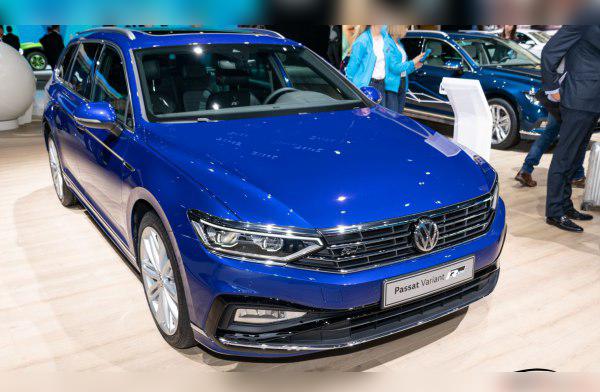
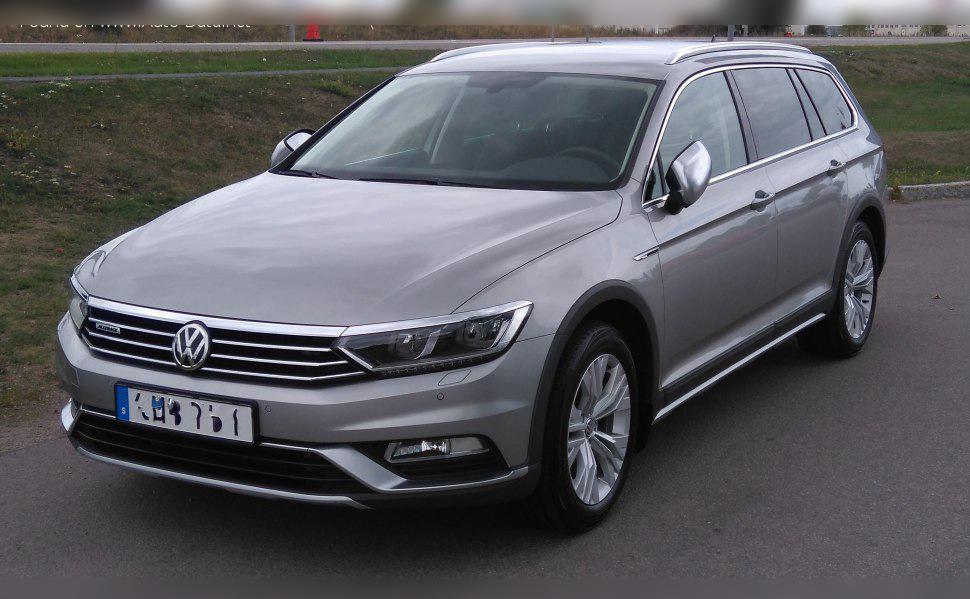
EA888 evo4 (DNFE) 2.0 TSI – Experiences, problems, fuel consumption and used-car buying tips
Key points (TL;DR)
- Performance: With 280 hp and 400 Nm, this is a sleeper engine that turns the Passat into a serious sports machine, not just a family estate.
- Drivetrain: It comes exclusively with 4MOTION all-wheel drive and a DSG gearbox, which guarantees excellent traction but also higher maintenance costs.
- Fuel consumption: Thirsty in the city (expect double-digit figures), while surprisingly economical on the open road thanks to the coasting function and an efficient gearbox.
- Reliability: Significantly improved compared to older EA888 generations (piston ring issue solved), but the water pump and thermostat remain weak points.
- Emissions: Equipped with a gasoline particulate filter (OPF/GPF) that requires occasional highway driving to regenerate properly.
- Maintenance: Requires strict adherence to service intervals (max 15,000 km) and high-quality oil of the specified grade.
- Recommendation: Ideal for those who want Golf R performance in a comfortable estate body, provided they can afford the fuel and 4x4 maintenance costs.
Contents
- Technical specifications
- Reliability and maintenance
- Specific parts and costs
- Fuel consumption and performance
- Additional options and modifications (tuning/LPG)
- Gearbox and drivetrain
- Buying used and conclusion
Introduction
The engine with the internal code DNFE belongs to the latest generation of Volkswagen 2.0 petrol engines, known as EA888 evo4. This is not that infamous early-2010s TSI that burned oil like fuel. This is a technological jewel of the VW Group, installed at the top of the range – specifically in the Volkswagen Passat B8 (2019 facelift) and Passat Alltrack. With 280 horsepower, this engine represents the peak of the offer for civilians who don’t buy “R” models, offering a compromise between a comfortable saloon and sports-car performance.
Technical specifications
| Specification | Value |
|---|---|
| Engine displacement | 1984 cc (2.0 litres) |
| Power | 206 kW (280 hp) |
| Torque | 400 Nm |
| Engine code | DNFE (EA888 evo4) |
| Injection system | Direct injection (up to 350 bar) |
| Charging | Turbocharger + intercooler |
| Emissions standard | Euro 6d-ISC-FCM (with OPF filter) |
Reliability and maintenance
Timing system: chain or belt?
The 2.0 TSI (DNFE) uses a timing chain. In this evo4 generation, the chain has been significantly reinforced and the early chain-stretch issues that plagued the first TSI generations are largely a thing of the past. Still, the chain is not eternal. Expect that the first inspection or replacement might be needed after around 200,000 km, or earlier if you hear characteristic rattling on a cold start.
Most common failures
Although more reliable than its predecessors, the evo4 is not immune to problems:
- Thermostat module and water pump: This is still its Achilles’ heel. The housing is plastic and prone to cracking or deforming due to heat cycles, which leads to coolant leaks. If you notice the coolant level dropping, this is suspect number one.
- Carbon buildup: Due to direct fuel injection, the valves are not “washed” by petrol. Over time, carbon deposits build up on the intake valves, which can cause rough running and power loss at higher mileage.
- PCV valve (oil separator): If the membrane tears, the engine can draw in unmetered air, whistle, or increase oil consumption.
Major and minor service
Since it has a chain, there is no classic “major service” in the sense of a timing belt change. However, the auxiliary (serpentine) belt and its tensioners are replaced at around 100,000–120,000 km. The timing chain is replaced only when necessary (noise on startup or a synchronization fault code between camshaft and crankshaft on diagnostics).
Oil: capacity and consumption
The engine takes approximately 5.7 litres of oil. For this evo4 generation, VW often recommends very low-viscosity oil for emissions reasons, most commonly 0W-20 (VW 508.00 standard). However, many experienced mechanics and enthusiasts switch to 5W-30 (VW 504.00) for better protection at high temperatures, especially if the car is driven more aggressively.
Does it burn oil? Yes, but not like the old models. Consumption of 0.5 to 1 litre per 10,000 km is considered acceptable and normal for a turbo engine of this power. If it burns a litre every 2,000 km, you have a problem (turbo or PCV valve, piston rings are rarely the cause on this generation).
Spark plugs and injectors
This is a petrol engine, so you don’t have diesel-style injector worries, but these injectors are high-pressure (350 bar). They are very precise and durable, provided you use quality fuel. Spark plugs are replaced at 60,000 km according to the factory schedule. Tip: if you drive hard or have remapped the car, shorten the interval to 30,000–40,000 km. Use only high-quality iridium plugs (NGK or Bosch).
Specific parts (costs)
Dual-mass flywheel
Yes, this engine has a dual-mass flywheel. It is necessary due to the high torque (400 Nm) and is paired with the DSG gearbox. Its job is to reduce engine vibrations transmitted to the gearbox. Failure symptoms include knocking when switching the engine off or metallic noises at idle. Replacement is expensive (often over 600–800 EUR, depending on the market).
Turbocharger
It uses a single Continental turbocharger. It is very efficient and spools up quickly (no big turbo lag). Its service life is long (over 200,000 km) with regular oil changes. Its biggest enemy is shutting the engine off immediately after fast motorway driving while the turbo is still very hot.
Emissions: OPF, EGR and AdBlue
This model does not have AdBlue (that’s for diesels). However, as a modern petrol engine (Euro 6d), it is equipped with an OPF (Otto Particulate Filter), the petrol equivalent of a DPF. OPF rarely clogs because exhaust gas temperatures on petrol engines are higher, so passive regeneration is happening almost constantly. There is an EGR valve and it can get dirty, but it is far less problematic than on TDI engines.
Fuel consumption and performance
City driving – the painful part
Let’s be honest: 2.0 litres, 280 hp, all-wheel drive and the weight of a Passat (almost 1.7 tonnes). In the city, this car cannot be economical. Expect 11 to 14 litres per 100 km depending on traffic. In winter and on short trips, the trip computer can show 15+ litres.
Is the engine “lazy”?
Absolutely not. With 400 Nm available from low revs (around 2,000 rpm), this Passat really pulls. The 0–100 km/h sprint takes about 5.3 to 5.6 seconds (factory figure). The driving feel is dominant; overtakes are almost instantaneous.
Motorway and cruising
This is where this engine shines. Thanks to the 7-speed DSG gearbox, at 130 km/h the engine spins at a pleasantly low 2,200–2,400 rpm. Motorway consumption is surprisingly low for this power level, around 7.5 to 9 litres, depending on driving style.
Additional options and modifications
LPG conversion
Technically possible, but economically and technically very demanding. The engine has direct fuel injection (FSI/TSI). This requires either an expensive liquid LPG injection system or a system that still uses a certain percentage of petrol to cool the injectors. Installation cost is high (often over 1,000–1,500 EUR), so the payback only makes sense if you cover very high annual mileage.
Chiptuning (Stage 1)
EA888 engines are tuning legends. This DNFE engine has huge potential. With a software remap alone (Stage 1), power can safely be raised to 320–330 hp, and torque to 450+ Nm. However, keep in mind that this puts additional stress on the turbo, gearbox and 4x4 system.
Gearbox
Type of gearbox
With this engine (280 hp 4MOTION) there is no manual gearbox option. It comes exclusively with the DQ381 7-speed DSG dual-clutch gearbox. This is a “wet” DSG (the clutches run in oil), which makes it much more durable than the older dry-clutch units.
Gearbox maintenance and failures
- Service interval: DSG oil must be changed EVERY 60,000 km (some say 120,000 km, but for longevity you should shorten the interval). If the oil is not changed, the mechatronics and clutch packs suffer.
- Failures: The mechatronics unit (the gearbox brain) is still an expensive component that can fail, although less often than before. Symptoms include harsh shifts or delayed engagement when setting off (jerking).
- Clutch replacement: The clutch pack wears out. Replacement is expensive (often over 1,000 EUR with parts and labour), but they usually last over 200,000 km with normal driving.
Buying used and conclusion
Before buying a Passat with this engine, make sure to check:
- Cold start: Listen to the chain for the first 3–5 seconds. There should be no metallic rattling.
- Coolant leaks: Look under the intake manifold for traces of pink residue (coolant) on the thermostat housing.
- DSG service history: If the gearbox oil has not been changed on time, walk away from that car.
- Haldex (4MOTION) condition: The rear differential also has oil that must be changed. Check if it works by doing a hard launch (in a safe place) – if the front wheels spin and the rears don’t push, the Haldex pump may be dead.
Conclusion: The VW Passat 2.0 TSI (280 hp) is a fantastic car for those who want performance, discretion and year-round usability. It is not cheap to run (fuel, tyres, brakes, DSG servicing), but it offers a grin on your face that a 150 hp diesel will never provide. It is aimed at drivers who know what they are buying and are prepared to pay for a “premium” feel in a people’s car.
Was this content useful to you?
Your opinion helps us to improve the quality of the content.