EA888 / DDSA, DDSB Engine
- Engine
- 1984 cm3
- Aspiration
- Turbocharger, Intercooler
- Fuel
- Petrol (Gasoline)
- Fuel injection system
- Direct injection
- Power
- 174 hp @ 5200 rpm
- Torque
- 250 Nm @ 1700 rpm
- Cylinders
- 4
- Valves
- 16, 4 per cylinder
- Cylinders position
- Inline
- Valvetrain
- DOHC
- Oil capacity
- 5.7 l
- Coolant
- 10 l
# Vehicles powered by this engine

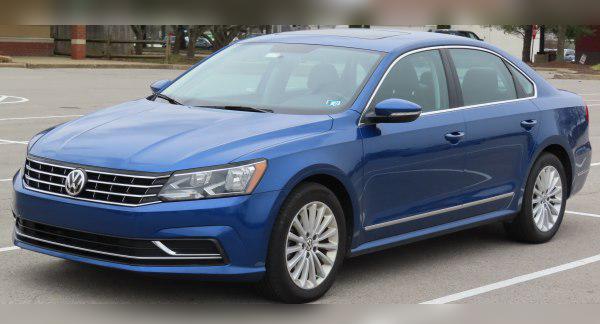
2.0 TSI (EA888 Gen 3B) – Experiences, problems and maintenance of the specific “Budack” engine
In short (TL;DR)
- Efficiency over performance: This is the “B-cycle” (Budack) version of the engine, optimized for lower fuel consumption rather than racing. It has excellent low‑end torque.
- Gearbox is not DSG: In US Passat models (NMS), this engine is mostly paired with a conventional Aisin automatic transmission (Tiptronic), which is extremely reliable but slower than DSG.
- Water pump and thermostat: As with all EA888 engines, the thermostat module and water pump are made of plastic and prone to leaking before 100,000 km.
- Chain, not belt: The timing drive uses a chain. It is much more reliable than on older generations, but it requires high‑quality oil and regular changes.
- Oil consumption: Although better than its predecessors, it can still consume oil, especially if extended service intervals are used.
- Recommendation: An excellent choice for comfortable, quiet highway cruising.
Contents
- Technical specifications
- Reliability and maintenance
- Specific parts and costs
- Fuel consumption and performance
- Additional options and modifications
- Transmission (Tiptronic)
- Buying used and conclusion
Introduction: The American dream under the hood
The engines with codes DDSA and DDSB belong to the advanced “Gen 3B” series of the famous EA888 family. These engines are specific because they were primarily developed to replace the old 1.8 TSI in larger vehicles such as the Volkswagen Passat for North America (NMS – New Midsize Sedan). What sets it apart is the so‑called “Budack combustion cycle” (a variation of the Miller cycle), which shortens intake time in order to increase efficiency.
With 174 hp, this engine doesn’t look impressive on paper for a 2.0‑liter displacement, but it was designed to deliver the driving feel of a large diesel – lots of low‑rpm power with the quietness of a gasoline engine. It is important to note that this engine and the platform it is installed in (Passat NMS) differ from the European Passat B8.
Technical specifications
| Parameter | Value |
|---|---|
| Displacement | 1984 cc (2.0 L) |
| Power | 129 kW (174 hp) @ 4400 rpm |
| Torque | 250–280 Nm (depending on tune and fuel) |
| Engine codes | DDSA, DDSB |
| Injection type | TSI (Turbo Stratified Injection) – Direct |
| Camshaft drive | Chain (Timing chain) |
| Forced induction | Turbocharger (IHI IS12 or similar) + intercooler |
Reliability and maintenance
Chain or belt?
This engine uses a timing chain. Unlike the notorious EA888 Gen 1 and Gen 2 engines where chains would fail, the system here is significantly improved. Still, the chain is not eternal. It is recommended to check its condition (stretch) via diagnostics after 150,000 km. A rattling noise on cold start is the first sign you urgently need to visit a workshop.
Most common failures
The weakest point of this engine is the thermostat module and water pump. The housing is made of plastic that deforms over time due to heat cycles, which leads to coolant leaks. If you smell coolant or see a puddle under the car, this is suspect number one.
Another common issue is the PCV valve (oil vapor separator). When the membrane tears, the engine may whistle, idle roughly, or increase oil consumption.
Service intervals and oil
This engine takes approximately 5.7 liters of oil. Due to the specific “B‑cycle” operation, VW often recommends very thin 0W‑20 oil (VW 508.00 / 509.00 specification) for these engines to save fuel. However, in warmer climates or for higher‑mileage engines, many experts recommend switching to 5W‑30 (after checking compatibility) for better protection.
Oil consumption is present, but not as alarming as it used to be. Up to 0.5 liters per 3,000–5,000 km can be considered acceptable for a used engine. If it consumes a liter per 1,000 km, you have a problem with piston rings or the turbo.
Spark plugs and injectors
Since this is a gasoline engine with direct injection, the spark plugs are under higher stress. They should be replaced every 60,000 km. Do not cheap out on them; use NGK or Bosch according to factory specification.
Specific parts (costs)
Dual‑mass flywheel
Since this engine in the Passat NMS (A33/A34) is paired with a conventional automatic transmission (torque converter), it does not have a dual‑mass flywheel in the way DSG or manual gearboxes do. It has a flexplate that connects the engine and the converter. This is great news for your wallet, as there is no expensive flywheel replacement as a wear item.
Injection system and turbo
The injection system is direct (high pressure). The injectors are generally reliable but sensitive to poor fuel quality. A bigger problem is carbon buildup on the intake valves, because fuel does not wash the valves. Symptoms include rougher idle and loss of power. Cleaning (decarbonization or walnut blasting) may be needed at around 100,000–120,000 km.
The turbocharger is usually small (for quicker response), water‑ and oil‑cooled. Its lifespan is long, often over 200,000 km, provided the engine is not shut off immediately after hard driving and the oil is changed regularly.
DPF, EGR, AdBlue?
This is a gasoline engine, so it has no AdBlue and no DPF (in the classic diesel sense). However, newer models (depending on market, especially Euro 6d) may have a GPF (Gasoline Particulate Filter). For the US market (where these Passats come from), GPF was often not installed on earlier model years of this generation, but check by VIN. EGR function is mostly achieved via variable valve timing (VVT), so there is no classic EGR valve that clogs and fails.
Fuel consumption and performance
Is the engine sluggish?
Absolutely not. Although 174 hp sounds modest for a large car, 250 Nm is available already from low revs (around 1,500 rpm). In city driving it feels lively. However, at high revs (above 5,000 rpm) the engine runs out of breath faster than a standard 2.0 TSI with 200+ hp. This is intentional due to the “Budack cycle”.
Real‑world fuel consumption:
- City: Expect between 9 and 11 l/100 km. It is still a large sedan with an automatic transmission.
- Highway (rural / open road): This is where the engine shines. Consumption drops to 6 to 7.5 l/100 km.
- Motorway: At 130 km/h the engine spins at low revs (below 2,500 rpm in top gear), which guarantees quietness and efficiency.
Additional options and modifications
LPG conversion
It is possible, but expensive and complicated. Due to direct injection, you need a system that either injects liquid LPG directly through the gasoline injectors (the most expensive option) or a system that uses a mixture of LPG and gasoline (e.g. 80% LPG, 20% gasoline) to cool the gasoline injectors. Considering the complexity and installation cost (often over 800–1000 EUR), the payback is questionable unless you drive very high mileages.
Remap (Stage 1)
This engine has great potential for unlocking power because it is factory “detuned”. A Stage 1 remap safely raises power to about 210–220 hp and torque to over 320 Nm. Mechanically, the engine can handle this increase without issues, but keep in mind it will put additional stress on the automatic transmission and shorten oil change intervals.
Transmission: Tiptronic (Aisin)
In Passat NMS (A33/A34) models, this engine is most often paired with a 6‑speed automatic transmission from Japanese manufacturer Aisin (often code AQ250 or a similar unit from the 09G family). Important note: This is not a DSG gearbox.
- Advantages: Extremely smooth (does not “jerk” when taking off like some DSGs), robust, cheaper to maintain (no expensive clutch pack and dual‑mass flywheel).
- Disadvantages: Slower gear changes than DSG, slightly higher fuel consumption due to torque converter slip.
- Maintenance: The manufacturer often claims the oil is “lifetime fill”, but that is not true. Change the transmission fluid every 60,000 to 80,000 km. If you do that, the gearbox will outlast the car.
- Failures: Rare. Usually the solenoids (valves) in the valve body fail if the oil is never changed, which manifests as harsh shifts.
Buying used and conclusion
Before buying a used Passat with this engine, be sure to check:
- Coolant leaks: Look under the intake manifold for traces of pink residue (dried coolant).
- Chain noise: Listen to the engine when cold. Rattling for longer than 2–3 seconds at startup is a bad sign.
- Transmission service history: If the car has over 100,000 km and the automatic transmission fluid has never been changed – be cautious.
Conclusion:
The Volkswagen Passat (NMS) with the 2.0 TSI (174 hp) engine is a “hidden gem” for those looking for a comfortable family cruiser. It is not a sports car, but it offers better reliability than older TSI engines and a simpler (cheaper) automatic transmission than European DSG models. If you accept the risk of the water pump issue and change the oil regularly, this engine will serve you for hundreds of thousands of kilometers.
Was this content useful to you?
Your opinion helps us to improve the quality of the content.