EA390 / CDVB Engine
- Engine
- 3597 cm3
- Aspiration
- Naturally aspirated engine
- Fuel
- Petrol (Gasoline)
- Fuel injection system
- Direct injection
- Power
- 280 hp @ 6200 rpm
- Torque
- 350 Nm @ 2500 rpm
- Cylinders
- 6
- Valves
- 24, 4 per cylinder
- Cylinders position
- VR-engine
- Valvetrain
- DOHC
- Oil capacity
- 5.5 l
- Coolant
- 10.1 l
# Vehicles powered by this engine
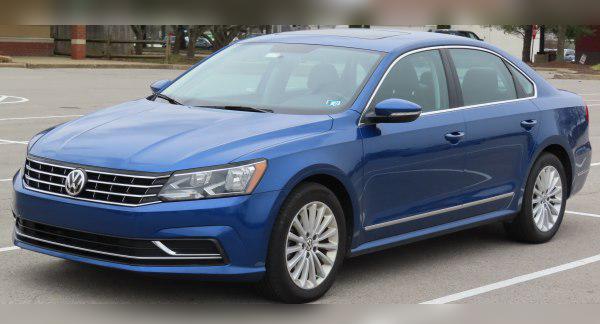
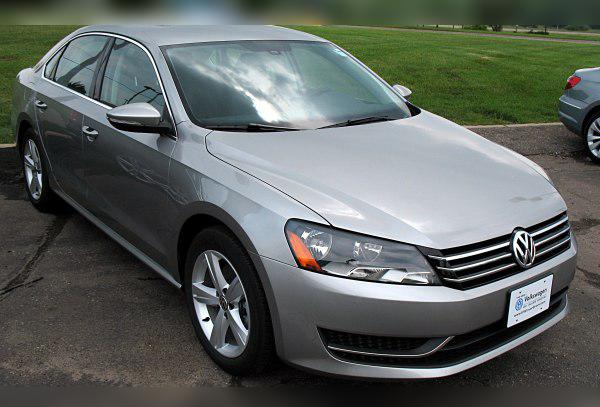
VW 3.6 V6 FSI (EA390 / CDVB) – Experiences, problems, fuel consumption and buying advice
Key points (TL;DR)
- Powerful and flexible: The VR6 configuration offers a fantastic sound and linear power delivery with no turbo lag.
- Fuel consumption: Expect high city consumption (12–15 l/100 km); this is not an engine for saving fuel.
- Timing chain: Located at the rear of the engine (towards the gearbox). Replacement is complicated and expensive (requires removing the engine or gearbox).
- FSI technology: Direct injection means LPG (CNG) conversion is expensive and requires specific systems, and carbon buildup on valves is inevitable.
- Gearbox: Almost always comes with a DSG gearbox that requires regular maintenance (oil change every 60,000 km).
- Recommendation: An excellent choice for enthusiasts and long-distance driving, but demanding for city use and maintenance.
Contents
Introduction: The last of the naturally aspirated Mohicans
The engine designated as EA390, specifically with the code CDVB, is one of the last evolutions of Volkswagen’s legendary VR6 concept. This is not a classic V6, but an engine with a very narrow angle between the cylinders (10.6 degrees in this iteration), which allows it to have only one cylinder head.
The CDVB variant with 280 hp (206 kW) is best known for being installed in the Volkswagen Passat NMS (North American Model – A32/A33), which differs from the European Passat B7/B8. Although primarily intended for the US market, many of these cars have been imported into Europe. This engine is a “boss” on the road – it offers raw naturally aspirated power, refined operation and a sound that no modern 2.0 TSI can imitate. Still, it comes from an era before strict emission standards that killed off large-displacement engines.
Technical specifications
| Specification | Data |
|---|---|
| Displacement | 3597 cc (3.6L) |
| Configuration | VR6 (narrow-angle V) |
| Power | 206 kW (280 hp) @ 6200 rpm |
| Torque | 350 Nm @ 2500–5000 rpm |
| Engine code | CDVB |
| Injection type | FSI (direct petrol injection) |
| Aspiration | Naturally aspirated |
Reliability and maintenance
Chain or belt?
This engine uses a timing chain to drive the camshafts. And not just one, but a whole chain system. The biggest challenge with VR6 engines is that the chain mechanism is located at the rear of the engine (between the engine and the gearbox).
Chain issues: Although the 3.6 version is more durable than the older 3.2 VR6 engines, chain stretch is still possible, usually after 150,000–200,000 km. Symptoms: Rattling on cold start (lasting longer than 2–3 seconds), rough running or the “Check Engine” light with a camshaft/crankshaft correlation error. Replacement is expensive (very expensive, depends on the market) because it requires removing the engine or gearbox.
Oil consumption and service intervals
Oil capacity: The engine takes approximately 5.5 to 6.0 litres of oil (always check the exact spec by VIN, as the oil pan can vary). Recommendation: Use only fully synthetic 5W-40 or 5W-30 that meets VW 502.00 or 504.00 standards.
Does it burn oil? Yes, VR6 engines are known to “drink” some oil, especially if driven hard. Consumption of about 0.5 litre per 2,000–3,000 km is often considered acceptable for higher-mileage engines. The cause can be oil control rings or the PCV valve (oil vapour separator). Major service: Since the engine has a chain, a classic “major timing service” is not done at a fixed interval; the chain is replaced as needed. However, the auxiliary (serpentine) belt and tensioners should be replaced at around 100,000–120,000 km.
Spark plugs and coils
On this petrol engine, spark plugs are replaced every 60,000 km (it is recommended to use quality NGK or Bosch iridium plugs). Common failure: Ignition coils tend to fail. Symptoms are jerking while driving and misfiring (running on fewer cylinders). Fortunately, replacement is neither too complicated nor too expensive.
Specific parts (costs)
Injection system (FSI)
This is an engine with direct injection (FSI). That brings two specific issues:
- Carbon buildup: Since fuel does not wash over the intake valves, carbon deposits build up on them. Over time (after 100k+ km) this leads to power loss and rough idle. The solution is mechanical cleaning (walnut shell blasting) of the intake ports.
- High-pressure fuel pump (HPFP): The pump’s cam follower can wear out. Symptoms are loss of power at high rpm. Injectors are generally durable, but if they fail, they are more expensive than regular MPI injectors.
Turbo, DPF, EGR, AdBlue?
- Turbo: None. This is a naturally aspirated engine, which means one less worry (no turbo rebuilds, intercooler issues, or oil leaks from the turbo).
- DPF / AdBlue: None. This is a petrol engine, so you are spared these expensive emission systems typical of diesels.
- Catalytic converters: The engine has two large catalytic converters. They can fail if the engine burns a lot of oil or if the coils misfire (unburnt fuel). Replacement is expensive (market-dependent).
Fuel consumption and performance
Is it sluggish?
Absolutely not. With 280 hp and 350 Nm, this engine moves the Passat’s body with ease. However, unlike diesels or turbo petrols where torque “kicks” you in the back at 1800 rpm, this engine likes revs. It pulls linearly, and the real fun starts above 4000 rpm. 0–100 km/h is usually around 6.5–7 seconds, which is very respectable.
Real-world fuel consumption
Be prepared to compromise here:
- City driving: Expect 12 to 16 l/100 km. In heavy traffic and cold weather, it can easily go higher. There is no start-stop system to help significantly.
- Country roads: It is possible to get down to 7.5–8.5 l/100 km with a light right foot.
- Motorway (130 km/h): Consumption is around 9–10 l/100 km. At this speed the engine is very relaxed and quiet.
Additional options and modifications
Can it run on LPG?
It can, but installation is not straightforward. Due to FSI direct injection, you need a system that either injects liquid gas directly through the petrol injectors (very expensive, but the best solution) or a system that also uses petrol (around 15–20%) to cool the petrol injectors. Cheap systems do not work here and will destroy the petrol injectors very quickly. The investment is large (market-dependent, but definitely in the “expensive” category).
ECU remap (Stage 1)
On naturally aspirated engines, an ECU remap does not bring dramatic gains like on turbo engines. You can expect an increase of 10–15 hp and better throttle response. A much more useful modification is a DSG gearbox remap, so that it shifts faster and does not insist on keeping the engine at very low revs for the sake of emissions.
Gearbox and drivetrain
DSG or manual?
With the 3.6 FSI engine in the Passat (especially the NMS version), a DSG dual-clutch automatic gearbox is fitted in almost all cases (usually the 6-speed DQ250 with “wet” clutches). Manual gearboxes in this configuration are extremely rare.
DSG maintenance and failures
- Dual-mass flywheel: Yes, this model has a dual-mass flywheel. Symptoms of failure are metallic rattling at idle, especially when cold, and vibrations when switching the engine off. Replacement cost is significant.
- Gearbox service: Oil and filter in the DSG must be changed every 60,000 km. Skipping this service leads to mechatronic failure.
- Mechatronic unit: The “brain” of the gearbox. If the gearbox jerks when setting off, hesitates or bangs when changing gears, the mechatronic unit is probably dirty or faulty.
Buying used and conclusion
When buying a used Passat with this engine, focus on the following:
1. Cold start: Insist that the engine is completely cold. Listen for chain noise. If you hear rattling from the driver’s side of the engine (where the gearbox is), walk away or ask for a huge discount.
2. Diagnostics: Check the Long Term Fuel Trim values (indicates issues with injectors or unmetered air) and the degree of chain stretch (Phase position bank 1/2).
3. Gearbox behaviour: It must pull away smoothly, without jerks, both uphill and downhill.
Final verdict:
The EA390 3.6 V6 is a gem for those who appreciate sound, linear power and comfort. It is not for you if your priority is low fuel consumption or cheap maintenance. This is an engine for “gentleman drivers” who cover higher mileages on open roads and want power in reserve at any moment. A well-maintained example can easily exceed 300,000 km without an overhaul, provided the chain and oil are changed on time.
Was this content useful to you?
Your opinion helps us to improve the quality of the content.