DCXA Engine
- Engine
- 1598 cm3
- Aspiration
- Turbocharger, Intercooler
- Fuel
- Diesel
- Fuel injection system
- Diesel Commonrail
- Power
- 120 hp
- Torque
- 250 Nm
- Cylinders
- 4
- Valves
- 16, 4 per cylinder
- Cylinders position
- Inline
- Oil capacity
- 4.7 l
- Systems
- Particulate filter
# Vehicles powered by this engine
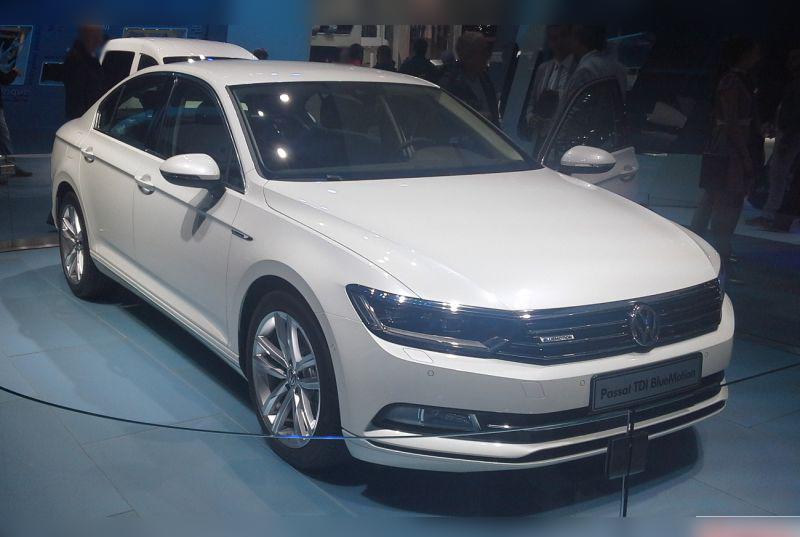
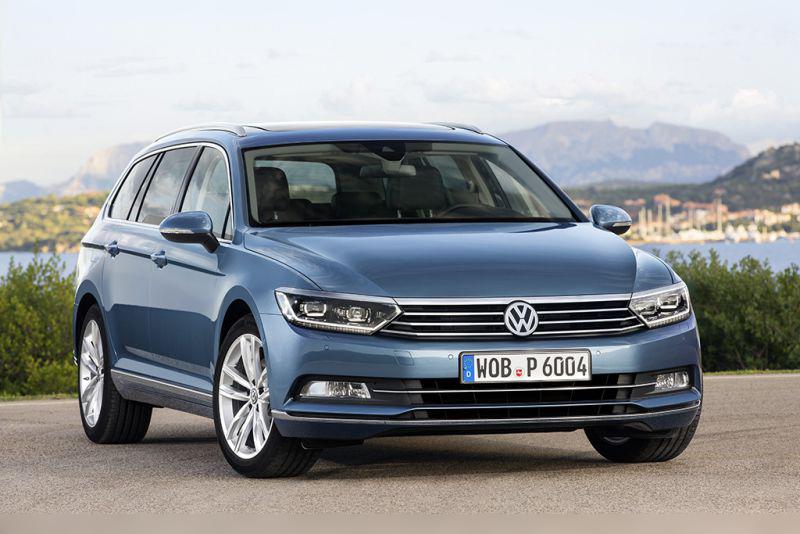
1.6 TDI DCXA (120 HP) – Experiences, problems, fuel consumption and buying tips for the Passat B8
Key points (TL;DR)
- Ideal use: Long-distance driving, fleet vehicles and drivers who cover high mileage with minimal fuel consumption.
- Biggest downside: AdBlue system (pump and heater) and the water pump, which can cause issues prematurely.
- Performance: 120 HP in the Passat B8 is “enough” for normal driving, but the engine feels sluggish under full load.
- Gearbox: The manual gearbox is excellent, while the DSG (DQ200 with dry clutch) requires caution and thorough checking.
- Economy: Exceptional fuel economy on the highway, where it sips fuel like a lighter.
- Maintenance: Parts are available, service prices are average, but failures in the emissions systems (DPF/EGR/AdBlue) can be expensive.
Contents
- Introduction and use cases
- Technical specifications
- Reliability and maintenance
- Specific parts and costs
- Fuel consumption and performance
- Gearbox: Manual vs DSG
- Additional options and tuning
- Buying used and conclusion
Introduction: The engine that powers European fleets
The engine with the code DCXA belongs to the modern EA288 series of Volkswagen diesel engines. This is a 1.6 TDI unit that develops 120 horsepower and represents the entry-level, and often the most rational, option for buyers of the Volkswagen Passat B8. Unlike older 1.6 TDI engines that struggled with the weight of the Passat, this 120 HP version is optimized to offer a balance between low fuel consumption and acceptable performance.
It is primarily designed to meet strict Euro 6 standards, which means it is packed with exhaust after-treatment systems. If you are looking for a racer – skip this text and look for a 2.0 TDI. If you want an economical sedan or estate for long journeys, you are in the right place.
Technical specifications
| Engine displacement | 1598 cc (1.6 L) |
| Power | 88 kW (120 HP) at 3600–4000 rpm |
| Torque | 250 Nm at 1750–3500 rpm |
| Engine code | DCXA (EA288 family) |
| Injection type | Common Rail (direct injection) |
| Charging | Variable-geometry turbocharger (VGT) + intercooler |
| Emissions | Euro 6 (DPF, EGR, SCR/AdBlue) |
Reliability and maintenance
Timing belt or chain?
The DCXA engine uses a timing belt to drive the camshafts. This is good news because belts on EA288 engines are quiet and generally reliable. There is no risk of sudden stretching as with some older chain-driven engines, provided that service intervals are respected.
Most common failures
Although the mechanical base of the engine (“block and head”) is very durable, the auxiliary components can cause headaches:
- Water pump: This is the “Achilles’ heel” of EA288 engines. The pump has a variable housing that often gets stuck, which leads to engine overheating or coolant leaks. Symptoms include a sudden temperature rise or loss of coolant.
- AdBlue system: Heaters in the AdBlue tank and the pumps are prone to failure. Repair often means replacing the entire tank module, which is not cheap.
- Oil leaks: Sometimes appear on the crankshaft seal or valve cover, but this is not a widespread issue.
Major service and oil change
The factory recommendation for the major service (replacement of timing belt, tensioners and water pump) is often an optimistic 210,000 km. However, experienced mechanics and real-world practice suggest doing this service between 160,000 km and 180,000 km or at the latest after 5–6 years of age. Due to water pump issues, many owners do the major service earlier, as soon as the pump shows the first signs of weakness.
The engine takes approximately 4.7 liters of oil. You must use 0W-30 or 5W-30 oil that meets the strict VW 507.00 specification (Low SAPS due to the DPF filter).
Oil consumption
DCXA engines are generally “tight” and should not consume a significant amount of oil between services. Consumption of up to 0.5 liters per 10,000 km is considered completely acceptable and normal. If it consumes more than that, the turbocharger and piston rings should be checked first. Sometimes the oil level can even increase if DPF regenerations are frequently interrupted (fuel dilutes the oil in the sump), which is dangerous for the engine and requires an immediate oil change.
Injector lifespan
The injectors on this 1.6 TDI engine have proven to be quite robust. They usually cover 200,000 to 250,000 km without issues when quality fuel is used. They are sensitive to dirt and water in the fuel. The first symptoms of problems are uneven idle (“hunting” revs), harder starting or increased smoke when accelerating.
Specific parts and costs
Dual-mass flywheel
Yes, this engine has a dual-mass flywheel. Although it is a 1.6 TDI, the 250 Nm of torque and the weight of the Passat B8 require a dual-mass flywheel for comfort and gearbox protection. Its lifespan depends on driving style – lots of city driving kills it faster. Replacement is expensive (depends on the market), but necessary when vibrations appear when switching off the engine or when there is rattling at idle.
Turbocharger
The engine uses a single turbocharger with variable geometry. It is not heavily stressed because the engine is not tuned for high power. With regular oil changes and proper cooldown after fast driving, the turbo lasts as long as the engine itself. Rebuilding is possible and the cost is in the mid-range.
Emissions: DPF, EGR and AdBlue
This is a Euro 6 engine, which means the after-treatment system is complex:
- DPF filter: Not problematic if the car is driven mostly on open roads. City driving clogs it quickly.
- EGR valve: Prone to soot build-up. Symptoms are loss of power and the “Check Engine” light coming on.
- AdBlue (SCR): As mentioned, this is a weak point. The system requires regular refilling of the fluid. If the system fails (pump, AdBlue injector or NOx sensor), the car may prevent the engine from starting until the fault is fixed. Repairs are often very expensive.
Fuel consumption and performance
Real-world fuel consumption
This is the strongest selling point of this engine.
- City driving: Expect between 5.5 and 7.0 l/100 km, depending on traffic and how heavy your right foot is. The Passat is a large car, so stop-and-go driving pushes the average up.
- Open road: This is where the engine shines. On country roads, consumption easily drops below 4.5 l/100 km.
Is the engine “lazy”?
For an unladen car, 120 HP and 250 Nm are perfectly adequate. However, a Passat Variant (estate) loaded with passengers and luggage will struggle. Overtaking on country roads requires dropping a gear and planning ahead. It’s not “dead”, but it doesn’t have the power reserve of the 2.0 TDI. The feeling of “laziness” is more pronounced when setting off from a standstill due to turbo lag.
Highway driving
The engine is an excellent cruiser. At 130 km/h in top gear (6th with the manual or 7th with the DSG), the engine spins at around 2100–2250 rpm. This ensures a quiet cabin and low fuel consumption (around 5.0–5.5 l/100 km).
Gearbox: Manual vs DSG
Which gearboxes are fitted?
With the DCXA engine you get two options: 1. 6-speed manual gearbox: Precise, robust and cheap to maintain. 2. 7-speed DSG automatic gearbox (code DQ200): Dual-clutch gearbox with dry clutches.
Gearbox problems
- Manual: Very reliable. Failures are rare and mostly come down to replacing the clutch kit and flywheel at high mileage. An oil change in the gearbox is recommended every 100,000 km, even though the factory says it is not necessary.
- DSG (DQ200): This is a potential “landmine”. Since this is a gearbox with dry clutches, it is more sensitive than the “wet” DSG units used with the 2.0 TDI. The most common failures are worn clutch packs and mechatronic (gearbox control unit) issues. Symptoms include juddering when setting off, harsh gear changes or delayed response.
Gearbox maintenance
For the manual gearbox, the cost of replacing the clutch kit with the dual-mass flywheel is significant (expensive/medium-expensive – depends on the market). For the DSG DQ200, VW officially says the oil is “lifetime” and does not need changing. However, experts recommend preventive oil changes in the mechatronic unit and the gearbox itself, but the parts (clutch kit and mechatronic) are expensive if they fail.
Additional options and modifications
Chip tuning (Stage 1)
This engine has a lot of headroom. With a Stage 1 remap, power can be raised to a safe 145–150 HP, and torque to around 300–320 Nm.
WARNING: If you have a manual gearbox, it can handle this with somewhat faster clutch wear. If you have a DSG (DQ200), be very careful. This gearbox is factory-rated for a maximum of 250 Nm. Any increase in torque drastically shortens the lifespan of the clutches and the gearbox in this version. For DSG models, a TCU tune (gearbox software remap) is also recommended to increase clutch pressure, but the risk remains.
Buying used and conclusion
When buying a Passat B8 with the 1.6 TDI engine, pay attention to the following:
- Cold start: Listen for rattling (flywheel) and check if the engine runs smoothly (injectors).
- Coolant: Check the coolant reservoir. If the level is low or there are traces of leaks around the timing belt area, the water pump is due for replacement.
- DSG test: If it’s an automatic, test uphill starts and slow manoeuvring. There should be no jerks or knocks.
- Diagnostics: Always check the DPF status (soot loading) and the fault history related to the AdBlue system.
Conclusion
The Volkswagen Passat 1.6 TDI (DCXA) is a rational machine. It is not intended for drivers who enjoy speed, but for those who value comfort, space and low fuel consumption. It is ideal for families who drive to the seaside and for fleet buyers who cover 30,000+ km per year on open roads. If you spend most of your time in the city, problems with the DPF and dual-mass flywheel can wipe out your fuel savings, so it may be better to consider a petrol (TSI) engine.
Was this content useful to you?
Your opinion helps us to improve the quality of the content.