CZDA, CZEA, CPHB Engine
- Engine
- 1395 cm3
- Aspiration
- Turbocharger, Intercooler
- Fuel
- Petrol (Gasoline)
- Fuel injection system
- Direct injection
- Power
- 150 hp
- Torque
- 250 Nm
- Cylinders
- 4
- Valves
- 16, 4 per cylinder
- Cylinders position
- Inline
- Oil capacity
- 4 l
- Systems
- Cylinder deactivation system
# Vehicles powered by this engine
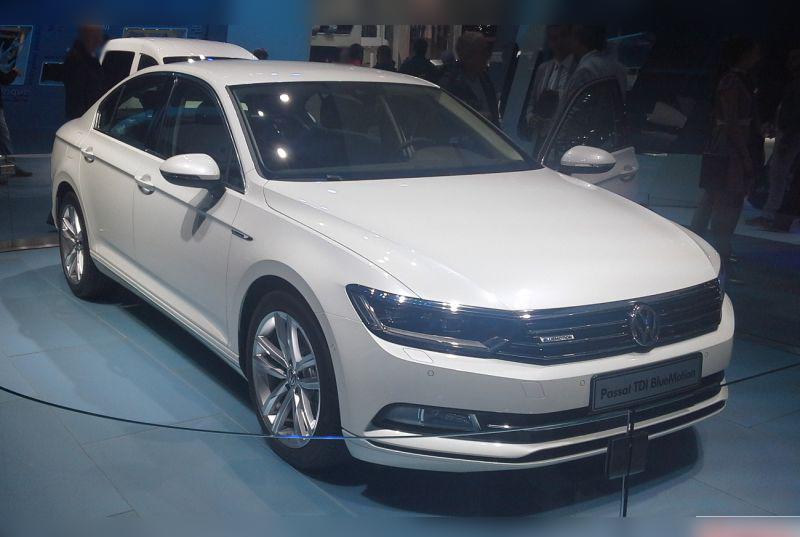
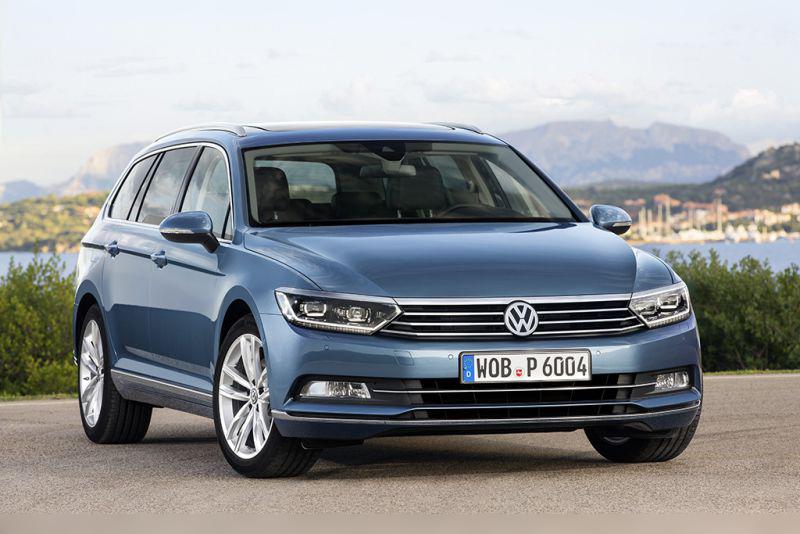
1.4 TSI (CZDA, CZEA, CPHB) – Experiences, issues, fuel consumption and used-car buying tips
Key points (TL;DR)
- Major improvement: These engines belong to the EA211 generation which uses a timing belt, not the problematic chain like the older 1.4 TSI (EA111).
- ACT Technology: Variants (e.g. CZEA) have a system that deactivates two cylinders to save fuel. Generally reliable, but adds complexity.
- Water pump: The most common “weak spot”. The thermostat and water pump housing is made of plastic and prone to coolant leaks.
- Adequate power: With 150 hp and 250 Nm, this engine copes quite well with the weight of the Passat B8, even the estate version.
- Oil consumption: Significantly lower than on older generations, but checking the level every 2–3,000 km is a must.
- Gearbox: DSG versions (DQ200 with dry clutch) require caution when buying and a thorough mechatronics check.
- Conclusion: One of the best downsized petrol engines on the market, an excellent alternative to diesel if you don’t drive more than 20–25,000 km per year.
Contents
- Introduction and engine applications
- Technical specifications
- Reliability, maintenance and failures
- Specific parts and costs
- Fuel consumption and performance
- Additional options (LPG) and tuning
- Gearbox: Manual and DSG
- Used-car buying tips and conclusion
Introduction: A modern petrol engine in a sedan body
The 1.4 TSI engine with codes CZDA (standard) and CZEA (with ACT system) represents a turning point for the Volkswagen Group. It is installed in the VW Passat B8 (including Variant and 4MOTION versions) as a direct replacement for older, larger naturally aspirated engines, and also as a quieter and more environmentally friendly alternative to the 2.0 TDI diesels. This is an EA211-generation engine. Why does that matter? Because VW finally admitted the mistakes with the old chain-driven engines and built a unit that is lighter, more efficient and, most importantly, far more reliable.
Technical specifications
| Specification | Data |
|---|---|
| Displacement | 1395 cc (1.4 litres) |
| Power | 110 kW / 150 hp |
| Torque | 250 Nm (at 1,500–3,500 rpm) |
| Engine codes | CZDA, CZEA (ACT), CPHB |
| Valve timing drive | Timing belt (belt driven) |
| Fuel injection | Direct injection (TSI) |
| Induction | Turbocharger with water-cooled intercooler |
Reliability and maintenance
Does this engine have a timing belt or a chain?
This is the most common question and the answer is positive: this engine has a timing belt. Unlike the previous generation (EA111), which had a problematic chain prone to stretching and jumping, the 1.4 TSI in the Passat B8 (EA211) uses a reinforced timing belt. This has dramatically improved engine reliability and reduced the risk of catastrophic failure.
What are the most common issues with this engine?
Although reliable, it’s not flawless. Here’s what mechanics most often encounter:
- Thermostat housing and water pump: This is a plastic module. Over time, due to heating and cooling cycles, the plastic deforms or cracks, leading to coolant leaks. Symptoms include a dropping coolant level in the expansion tank or the smell of coolant under the bonnet.
- ACT system (on CZEA engines): The Active Cylinder Technology system that deactivates two cylinders uses actuators on the camshaft. Although failures are rare, problems with solenoids can occur, causing rough running and a “Check Engine” light.
- Carbon build-up on valves: As with any direct-injection engine, the intake valves are not “washed” by fuel. Over time, soot builds up and can reduce performance.
- Turbo actuator (wastegate): Sometimes you may hear a metallic rattling sound when applying or lifting off the throttle. This is often a sign of play in the turbo actuator rod.
At what mileage should the major service (timing belt) be done?
The manufacturer states a very optimistic inspection interval of 210,000 km or 10 years. However, real-world experience calls for caution. The recommendation is to replace the timing belt kit together with the water pump between 150,000 km and 180,000 km or after 6–7 years of age, whichever comes first. A snapped belt leads to severe engine damage (piston-to-valve contact).
Oil: quantity, grade and consumption
The sump holds approximately 4.0 to 4.5 litres of oil (always buy 5 litres). The recommended grade is 5W-30 (VW 504.00 spec) or the newer 0W-20 (VW 508.00) for the latest models. As for oil consumption, EA211 engines are much better than their predecessors. Consumption of around 0.5 litres per 10,000 km is completely normal and acceptable. If it uses more than 0.5 litres per 1,000 km, this points to an issue with piston rings or the turbo, but that is rare on these engines if they have been regularly serviced.
At what mileage should the spark plugs be changed?
The spark plugs on these engines are “Long Life” (iridium/platinum). The recommended replacement interval is every 60,000 km. Don’t wait longer, because a bad plug can overload the ignition coils (one per cylinder) and cause them to fail. Use only high-quality plugs (NGK, Bosch) specified in the catalogue.
Specific parts (costs)
Does the engine have a dual-mass flywheel?
Yes. The Passat B8 with the 1.4 TSI 150 hp engine usually has a dual-mass flywheel, especially in versions with a manual gearbox and stronger DSG gearboxes. Its role is to dampen engine vibrations and make driving more comfortable. Failure symptoms include knocking when switching the engine off or rattling at idle. Replacement is (expensive – depends on the market).
Fuel injection system and injectors
It uses high-pressure direct injection. The injectors are generally reliable and rarely cause problems before 200,000 km, provided you use quality fuel. If a failure occurs, symptoms include rough idle or fuel leaking into the cylinder (diluting the oil). Injectors are expensive to replace.
Turbocharger
The engine uses a small, fast-responding turbocharger. The turbo’s lifespan is usually equal to the engine’s lifespan with regular oil changes. The intercooler is integrated into the intake manifold and is water-cooled (water-to-air), which means the air path is short and turbo lag is minimal. This solution is efficient, but in the rare case of intercooler failure, coolant can enter the engine.
Emissions: DPF, EGR, GPF and AdBlue
This is a petrol engine, so it does not have a DPF filter and does not use AdBlue. However, models produced after 2018 (due to Euro 6d-TEMP standards) often have a GPF (Gasoline Particulate Filter). GPFs rarely clog because exhaust gas temperatures on petrol engines are higher than on diesels, so passive regeneration is happening all the time. An EGR valve is present, but it is not as prone to clogging as on diesels.
Fuel consumption and performance
Is this engine “too weak” for the Passat B8?
Many are sceptical about a 1.4-litre engine in a large saloon. However, that fear is unfounded. With 250 Nm of torque (the same as the older 1.9 TDI engines), the car pulls surprisingly well from low revs. It reaches 100 km/h in about 8.5 seconds, which is more than enough for the average driver. The lack of displacement is noticeable only when the car is fully loaded with passengers and luggage on steep climbs, where you’ll need to shift more often.
Real-world fuel consumption
- City driving: Expect between 7.5 and 9.0 l/100 km, depending on traffic and how heavy your right foot is. The ACT system helps here if you drive smoothly.
- Country roads: This is where the engine shines. Consumption drops to 5.0 to 6.0 l/100 km.
- Motorway (130 km/h): Fuel consumption is around 6.5 l/100 km.
Behaviour on the motorway
The engine is very quiet and refined. At 130 km/h in top gear (6th manual or 7th DSG), it spins at around 2,500 to 2,800 rpm. This allows for quiet cruising without engine noise in the cabin.
Additional options and modifications
LPG conversion
Because of the direct-injection system (injectors spray directly into the cylinder), LPG conversion is complex and expensive. A special system is required (“Direct Liquid Injection” or a system with additional petrol injection to cool the injectors). The installation cost is high (very expensive), so it only pays off if you drive very high mileages (over 30–40,000 km per year). For the average driver – not recommended.
Chiptuning (Stage 1)
The engine has potential. A safe Stage 1 remap raises power to about 170–180 hp and torque to 300–320 Nm. However, you need to be careful with the clutch (especially with the manual gearbox) and the DSG gearbox (DQ200), which has torque limiters. If you have the DQ200 DSG, chiptuning is not recommended because the gearbox is already close to its factory limit of 250 Nm.
Gearbox: Manual and DSG
Which gearboxes are fitted?
- 6-speed manual: Precise and easy to use. Very reliable.
- 7-speed DSG (DQ200): This is a gearbox with a dry clutch. It is fitted to front-wheel-drive versions.
- 6/7-speed DSG (DQ250/DQ381): Versions with a wet clutch, usually found in 4MOTION models (although the 1.4 TSI rarely comes with 4Motion; if you find one, it likely has the stronger gearbox).
Most common issues and maintenance
Manual gearbox: Practically indestructible. Replacing the clutch kit and dual-mass flywheel is standard maintenance (usually around 200,000 km). The gearbox oil is “lifetime” according to the manufacturer, but replace it at 150,000 km.
DSG (DQ200 – dry clutch): This is the weak point. This gearbox doesn’t like stop–start city driving because the clutches overheat. Failures include clutch plate wear (slipping, juddering when moving off) and mechatronics failure (an expensive repair). The oil in the gearbox section itself is not changed often, but it is changed in the mechatronics. Maintenance is cheaper than on “wet” DSGs, but failures are more frequent.
DSG maintenance: If you have a version with a wet clutch (check via the VIN), the oil and filter MUST be changed every 60,000 km. On the DQ200 (dry), the manufacturer does not prescribe an oil change, but many workshops recommend a preventive oil change in the mechanism at 100,000 km.
Buying used and conclusion
What to check before buying?
- Cold start: Listen to the engine when it is completely cold. There should be no rattling, knocking or rough running in the first few seconds.
- Signs of coolant leaks: Look around the thermostat housing (on the right-hand side of the engine when viewed from the front) for pink coolant residue.
- ACT test: If it’s an ACT model, drive at a constant speed and check whether “Eco” or “2-cylinder mode” appears on the dashboard. The transition must be seamless, without any jerks.
- DSG test: Release the brake in “D” without touching the throttle – the car should start moving smoothly straight away. Any hesitation or jerking is a sign of worn clutches or mechatronics issues.
Who is this engine for?
The VW Passat B8 with the 1.4 TSI engine is an ideal choice for drivers who spend most of their time in the city and on main roads, and cover up to 20,000 km per year. It is quieter than a diesel, cheaper to register and maintain (no DPF or problematic EGR issues), and offers perfectly adequate performance. If you often tow a trailer or drive almost exclusively on the motorway at high speeds, the 2.0 TDI is still a better choice. For everyone else – the 1.4 TSI comes highly recommended.
Was this content useful to you?
Your opinion helps us to improve the quality of the content.