EA189 / CFGC Engine
- Engine
- 1968 cm3
- Aspiration
- Turbocharger, Intercooler
- Fuel
- Diesel
- Fuel injection system
- Diesel Commonrail
- Power
- 177 hp @ 4200 rpm
- Torque
- 380 Nm
- Cylinders
- 4
- Valves
- 16, 4 per cylinder
- Cylinders position
- Inline
- Valvetrain
- DOHC
- Oil capacity
- 4.3 l
- Coolant
- 8 l
- Systems
- Start & Stop System, Particulate filter
# Vehicles powered by this engine
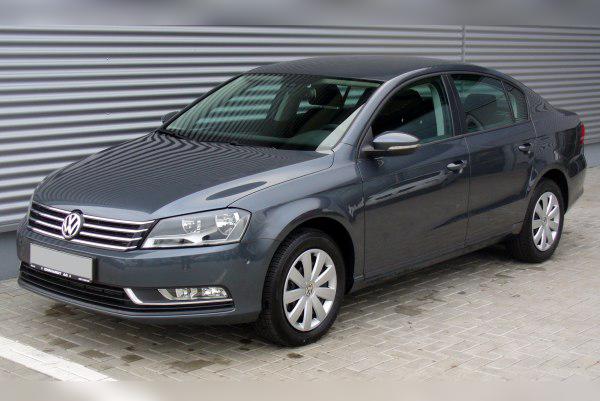
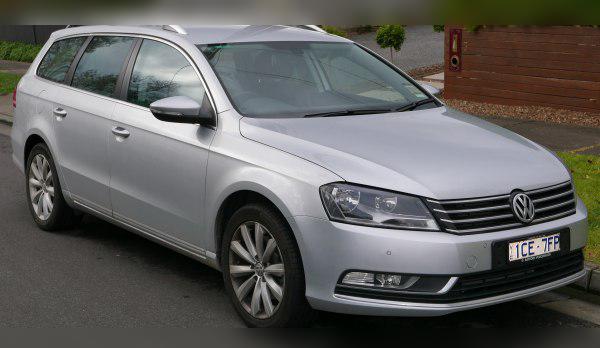
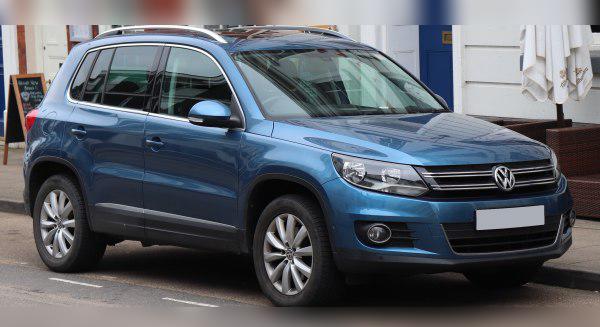
2.0 TDI (EA189 / CFGC) 177 HP – Experiences, Problems, Fuel Consumption and Buying Used
The engine designated as CFGC represents the peak of development of the legendary EA189 series of 2.0 TDI engines before the full transition to the newer EA288 platform. With its 177 horsepower, this unit is the "golden middle ground" for drivers who want serious performance but are not ready to sacrifice diesel economy. You will most often find it in facelifted VW Passat B7 models and first-generation Tiguans.
Key points in short (TL;DR)
- Performance: Excellent balance between power and fuel consumption. The engine is not "lazy" and has no problem pulling the Passat and Tiguan body.
- EGR valve: The Achilles' heel of this engine. It often clogs or the valve electronics fail, especially after "Dieselgate" software updates.
- Oil pump drive: Although better than on older PD engines, the hexagonal shaft still requires attention at high mileage.
- DSG gearbox: Often comes paired with this engine (DQ250). It requires regular oil changes every 60,000 km; otherwise, failures are expensive.
- Major service: Factory intervals are too long for real-world use; it is recommended to shorten them.
- Recommendation: An ideal engine for highway driving. If you drive exclusively in the city, the DPF and EGR will give you headaches.
Contents
- Technical Specifications
- Reliability and Maintenance
- Specific Parts and Costs
- Fuel Consumption and Performance
- Additional Options and Modifications
- Gearbox (Manual and DSG)
- Buying Used and Conclusion
Technical Specifications
| Characteristic | Data |
|---|---|
| Engine displacement | 1968 ccm |
| Power | 130 kW (177 HP) |
| Torque | 380 Nm at 1750–2500 rpm |
| Engine code | CFGC (EA189 family) |
| Injection type | Common Rail (Bosch) |
| Charging | Turbocharger with variable geometry (VGT) + intercooler |
| Engine block | Cast iron |
Reliability and Maintenance
Timing belt or chain?
The 2.0 TDI CFGC engine uses a timing belt for the valvetrain. This is good news because the system is generally quieter and cheaper to maintain than the problematic chains in some other VW engines from that period. However, if the belt snaps it leads to catastrophic engine failure (pistons hitting valves), so regular replacement is imperative.
Major service and intervals
For this engine, the factory often states optimistic major service intervals of 210,000 km. As an experienced technical editor, I advise you to ignore that. The major service should be done between 160,000 km and 180,000 km or every 5 to 7 years, whichever comes first. The water pump is a "weak point" and often starts leaking before the belt itself, so it must be replaced together with the tensioners and rollers.
Oil and consumption
This engine takes approximately 4.3 liters of oil. You must use 5W-30 oil that meets the strict VW 507.00 specification (Low SAPS because of the DPF filter). As for oil consumption, Common Rail engines like this one are far better than the old Pump-Düse units.
Consumption of up to 0.5 liters per 10,000 km is considered perfectly normal. If the engine uses 1 liter every 2,000–3,000 km, that points to a problem with the piston rings or the turbocharger. Regular dipstick checks are mandatory.
Injectors
This model uses Bosch piezoelectric or solenoid injectors (depending on the series, but on the 177 HP versions they are often piezo for better precision). They have proven to be very durable and can easily exceed 250,000 km without issues, provided quality fuel is used. Symptoms of bad injectors are rough idle ("knocking"), increased smoke when you press the accelerator, and difficult starting.
Most common failures
- EGR valve: Soot and oil vapors block the flap. The symptom is a "Check Engine" light and loss of power (safe mode).
- EGR cooler: Coolant often leaks inside it and the engine "drinks" it.
- Thermostat: If the engine struggles to reach the operating temperature of 90°C in winter, the thermostat is stuck open.
- Swirl flaps in the intake manifold: The plastic mechanism wears out, which leads to diagnostic trouble codes (P2015).
Specific Parts (Costs)
Dual-mass flywheel
Yes, this engine has a dual-mass flywheel (DMF). Due to the high torque of 380 Nm, it is subjected to heavy loads. In models with a DSG gearbox the flywheel is also present, but when it fails it manifests differently (rattling at idle, thumps when switching the engine off). Replacement is expensive (depends on the market), but it is a wear item that is usually changed around 200,000 km.
Turbocharger
The engine uses a single turbocharger with variable geometry. Its service life is long, often over 250,000 km with regular oil changes. The first signs of failure are a whistling sound (like an ambulance siren) or a sudden loss of power under acceleration.
DPF and EGR issues
This is a Euro 5 generation engine and it has a DPF filter and EGR valve. If the car is driven mainly on the open road, the DPF can last as long as the engine. However, city driving "kills" it. You can recognize a clogged DPF by frequent regenerations (elevated idle at about 1000 rpm, radiator fan running even after the car is switched off). Cleaning is possible, but replacement is very expensive.
AdBlue
Most Passat B7 and Tiguan models with the CFGC engine rely on the DPF and EGR for emission control and do not have an AdBlue system. However, some versions (especially 4MOTION or imports from specific countries near the end of production) may have an SCR system with AdBlue fluid. Be sure to check for a filler cap next to the fuel cap or in the trunk. If it is present, the AdBlue pump heater is a common and costly failure.
Fuel Consumption and Performance
City driving and highway
Although it is a diesel, 177 HP does require fuel. In real-world conditions:
- City (Passat B7): Expect between 7.0 and 8.5 l/100 km. The DSG gearbox can slightly increase this figure in stop-and-go traffic.
- City (Tiguan): Due to higher weight, worse aerodynamics and 4MOTION drive, consumption ranges from 8.5 to 10 l/100 km.
- Highway: This is where this engine shines. At 130 km/h the engine spins at about 2,200 rpm (in 6th gear) and uses between 5.5 and 6.5 l/100 km.
Is the engine "lazy"?
Absolutely not. With 380 Nm of torque available from just 1750 rpm, in-gear acceleration is strong. Overtaking is safe and quick, even when the car is fully loaded with passengers and luggage. The "pushed into the seat" feeling is present, especially in sport mode with the DSG gearbox.
Additional Options and Modifications
Chiptuning (Stage 1)
The CFGC engine responds extremely well to remapping (software tuning). A safe "Stage 1" raises power to about 205–210 HP and torque to 420–430 Nm. The engine can mechanically handle this without issues, but keep in mind that the increased torque shortens the lifespan of the dual-mass flywheel and clutch (or DSG clutches).
Gearbox
Manual vs automatic (DSG)
This engine comes with either a 6-speed manual gearbox or a 6-speed DSG (code DQ250) with a wet dual-clutch system.
- Manual gearbox: Very robust and precise. Failures of the gearbox itself are rare. The main expense is the clutch kit with the dual-mass flywheel.
- DSG (DQ250): This is one of the best automatic gearboxes of its time. It shifts quickly and smoothly. However, it requires strict maintenance.
Gearbox maintenance and failures
DSG gearbox: The oil and filter in the gearbox MUST be changed every 60,000 km. If this is neglected, the solenoids in the mechatronics unit (the "brain" of the gearbox) fail, and repairs are very expensive (depending on the market, often a four-digit amount in euros). Also, the DQ250 has a dual-mass flywheel that must be replaced once it starts knocking.
Symptoms of a bad DSG: Jerking when moving off from a standstill, hesitation when shifting, a thump when shifting from P to D or R.
Buying Used and Conclusion
Before buying a car with the 2.0 TDI (177 HP) engine, be sure to check the following:
- Cold start: The engine must start immediately, without long cranking and without clouds of white or blue smoke.
- Idle: Listen for metallic rattling from the gearbox side (dual-mass flywheel).
- Test drive: Go out on an open road. Accelerate with full throttle from 2000 to 4000 rpm. There must be no hesitation, and the car must not go into safe mode.
- Diagnostics: Check DPF saturation and injector correction values (they should not deviate too far from 0).
Conclusion: The VW 2.0 TDI with 177 HP (CFGC) is a fantastic long-distance engine. It offers performance close to 3.0 diesels, but with the running costs of a 2.0. It is ideal for drivers who cover a lot of kilometers on the open road. If you are buying a car with a DSG gearbox and 4MOTION drive (e.g. Tiguan or Passat Alltrack), be prepared for slightly higher maintenance costs, but in return you will get an extremely capable vehicle for all conditions.
Was this content useful to you?
Your opinion helps us to improve the quality of the content.