EA111 / CDGA Engine
- Engine
- 1390 cm3
- Aspiration
- Turbocharging and Supercharger, Intercooler
- Fuel
- Petrol / CNG
- Fuel injection system
- Direct injection and Multi-port manifold injection
- Power
- 150 hp @ 5500 rpm
- Torque
- 220 Nm
- Cylinders
- 4
- Valves
- 16, 4 per cylinder
- Cylinders position
- Inline
- Valvetrain
- DOHC
- Oil capacity
- 3.6 l
- Coolant
- 5.6 l
# Vehicles powered by this engine
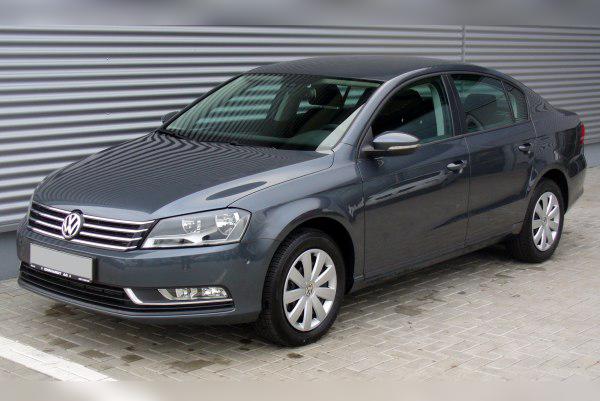
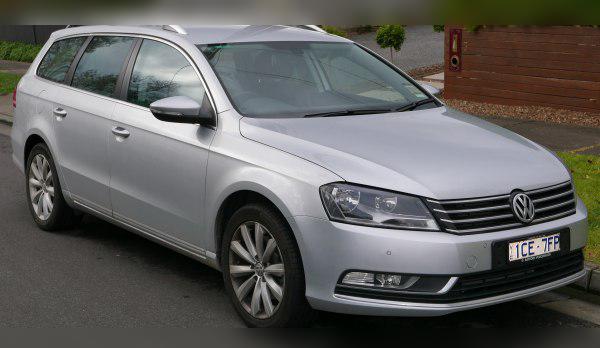
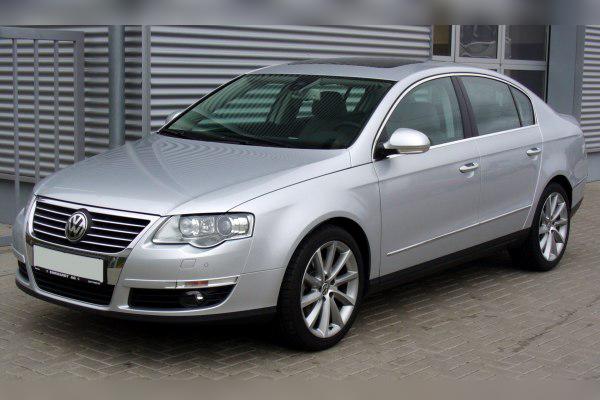
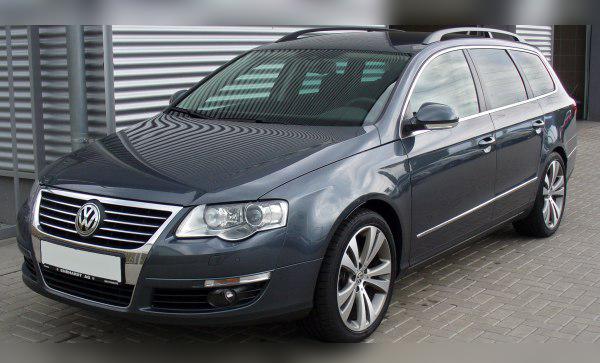
VW 1.4 TSI EcoFuel (EA111 / CDGA): Experiences, problems, fuel consumption and used-car buying guide
When German engineering ambition to extract high power from a small displacement meets the desire for ecology, you get the 1.4 TSI EcoFuel (engine code CDGA). This is not an ordinary engine. It is a factory CNG (methane) unit that uses “Twincharger” technology – it has both a turbocharger and a mechanical supercharger.
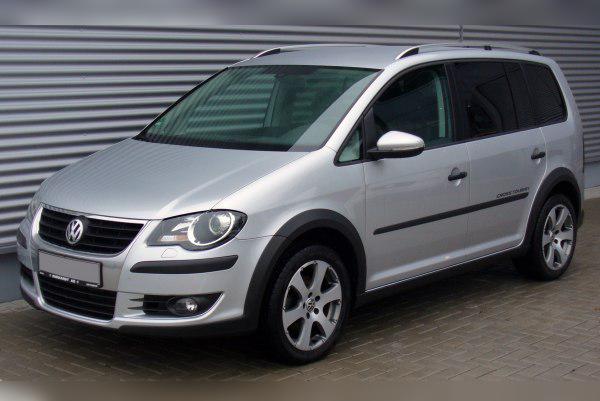
Installed in popular models such as the VW Passat B6 and B7, as well as the Cross Touran, this engine offers fantastic efficiency when everything is in good condition, but it can be a “Pandora’s box” for an uninformed used-car buyer. Is the risk worth it? Let’s go through all the details.
Key points (TL;DR)
- Charging system: The engine has both a mechanical supercharger (for low revs) and a turbocharger (for higher revs). This eliminates turbo lag, but makes maintenance more complex.
- CNG fuel system: The factory installation is top-notch, but the CNG tanks and pressure regulators are expensive components that age.
- Timing: The engine uses a timing chain, which is a known weak point of the EA111 generation (stretching, skipping).
- Gearbox: Often paired with a DSG gearbox (DQ200 with “dry” clutches), which requires caution when buying used.
- Fuel consumption: Extremely low running cost on CNG.
- Recommendation: An excellent choice for taxi drivers or high-mileage users, provided there is complete service history for the CNG system and timing chain.
Contents
- Technical specifications
- Reliability and maintenance
- Specific parts (costs)
- Fuel consumption and performance
- Additional options and modifications
- Gearbox
- Used-car buying guide and conclusion
Technical specifications
| Parameter | Value |
|---|---|
| Engine code | CDGA (EA111 family) |
| Displacement | 1390 cc (1.4 litres) |
| Power | 110 kW (150 hp) |
| Torque | 220 Nm at 1500–4500 rpm |
| Fuel type | Petrol / CNG (natural gas) |
| Charging type | Twincharger (Turbo + Roots supercharger) |
| Injection | Direct injection |
Reliability and maintenance
The EA111 engine series struggles with its reputation, and the CDGA version adds another layer of complexity due to the CNG system. However, with proper maintenance, this engine can cover serious mileage.
Does this engine have a timing belt or a chain?
The engine uses a timing chain. Unfortunately, this is the weakest point of this engine. Factory chains were prone to stretching even at relatively low mileage (sometimes below 100,000 km). The symptom is a characteristic metal-on-metal rattling on cold start that lasts a few seconds. If ignored, the chain can skip, causing piston-to-valve contact – a complete engine failure. It is recommended to replace the complete timing chain kit (with tensioners and guides) preventively as soon as you hear any suspicious noise.
What are the most common failures on this engine?
Besides the chain, the CDGA engine has some specific issues:
- Piston cracking: Due to high thermal load and complex combustion (especially if poor-quality fuel is used or the injection map is bad), pistons can crack or the piston crown can melt. Symptoms are loss of compression, one cylinder misfiring and high oil consumption.
- Gas pressure regulator: The electronic/mechanical regulator that reduces pressure from the tanks (200 bar) to operating pressure can fail. Replacement is expensive (depends on the market).
- CNG tank corrosion: On Passat B6 and early B7 models, the tanks are steel and located under the vehicle. Corrosion is a serious safety risk and a reason to fail the technical inspection. VW issued recall campaigns for this, so make sure the tanks have been replaced!
- Magnetic clutch on the water pump: The water pump is a complex part here because it engages the mechanical supercharger via a magnetic clutch. Failure manifests as loss of power at low revs (supercharger not working) or coolant leaks.
At what mileage is the “major service” done?
Since the engine has a chain, there is no fixed interval for a major service like with a belt. In practice, however, the chain on EA111 engines often needs replacement between 80,000 km and 120,000 km. The auxiliary (serpentine) belt and rollers are replaced as needed or at around 100,000 km.
How many litres of oil does this engine take and which grade is recommended?
The sump holds about 3.6 litres of oil. Only fully synthetic 5W-30 or 5W-40 oil that meets VW standards (VW 502.00 for fixed interval or VW 504.00) is recommended. Due to the high operating temperature (CNG burns at a higher temperature), shorten the oil change interval to 10,000 km, 15,000 km at most. Forget about 30,000 km “Long Life” service intervals if you want the engine to last.
Does it consume oil between services?
Yes, 1.4 TSI engines are known for oil consumption. Consumption of 0.5 to 1.0 litre per 10,000 km is considered acceptable for a used engine. If it consumes a litre per 1,000 km, that points to problems with piston rings, valve stem seals or the turbocharger.
At what mileage should the spark plugs be replaced?
This is crucial for the EcoFuel version! Due to CNG operation, spark plugs are under higher stress. Replacement is recommended every 30,000 to 45,000 km. Use only spark plugs designed for CNG (usually iridium), as standard plugs can cause poor combustion and damage the ignition coils.
Specific parts (costs)
Does this engine have a dual-mass flywheel?
Yes, this model (both with manual and DSG gearboxes) uses a dual-mass flywheel. It is necessary to dampen vibrations from a small engine with high torque. Its lifespan is usually 150,000–200,000 km, and replacement is quite expensive (depends on the market).
What kind of injection system does it have and are the injectors problematic?
The engine has two sets of injectors: 4 petrol injectors (direct injection – TSI) and 4 gas injectors (in the intake manifold).
Petrol injectors: They can clog if the car is driven almost exclusively on CNG and the petrol in the tank gets old.
Gas injectors: Generally reliable, but expensive if they fail. Symptoms are rough running on gas or switching back to petrol while driving.
Does the engine have a turbocharger (or two) and what is their lifespan?
It has one turbocharger and one mechanical supercharger.
The supercharger works at low revs (from idle up to about 2400 rpm) and provides instant response. The turbo takes over at medium and high revs. The system is complex, with many vacuum hoses and air bypass valves. The turbo is generally durable with regular oil changes, while on the supercharger side the most common issue is the engagement system (on the water pump).
Does this model have a DPF filter or EGR valve?
There is no DPF (it’s a petrol engine). It has a catalytic converter, which can fail if the engine burns oil or has poor combustion. It does have an EGR system, but since CNG burns very cleanly (no soot), the EGR valve here gets much less dirty and fails less often than on diesels or conventional petrol engines.
Does this engine use AdBlue?
No, this engine does not use AdBlue fluid. That is reserved for modern diesel engines.
Fuel consumption and performance
What is the real-world fuel consumption in city driving?
This is the car’s strongest selling point.
On CNG: In city driving, a Passat uses about 5.5 to 7.0 kg of CNG per 100 km. This makes it cheaper to run than a diesel.
On petrol: If you run out of gas, petrol consumption in the city is about 8.5 to 10 litres per 100 km. Note that on the Passat B7 EcoFuel the petrol tank is smaller (around 30 litres) and serves as a reserve.
Is this engine “sluggish” for the weight of the car?
Absolutely not. Thanks to the supercharger, the engine pulls strongly from as low as 1500 rpm. With 150 hp and 220 Nm, the Passat feels agile. There is none of that sluggishness typical of small turbo engines before the turbo spools up.
How does the engine perform on the motorway?
At 130 km/h the engine is in its maximum torque band, quiet and refined. In sixth gear (or seventh with DSG) it runs at relatively low revs (below 3000 rpm), which helps keep consumption low (around 4.5–5 kg of CNG per 100 km on the open road).
Additional options and modifications
Is this engine suitable for LPG conversion?
It makes no sense. The car already has factory CNG, which is more economical than LPG. In addition, retrofitting LPG to a TSI engine (direct injection) is expensive and technically complicated.
How far can this engine be safely tuned (Stage 1)?
Although in theory it can be pushed to 170–180 hp, remapping (chip tuning) this engine is not recommended. The 1.4 Twincharger is already quite “stressed” from the factory (high specific cylinder pressure). Increasing power significantly raises the risk of piston failure and DSG gearbox damage. Leave it at stock settings for longevity.
Gearbox
Which gearboxes are fitted?
It comes with a 6-speed manual gearbox and a 7-speed DSG automatic (DQ200).
What are the most common gearbox issues?
- Manual: Very reliable. Possible issues are worn clutch kit and dual-mass flywheel.
- DSG (DQ200): This is a gearbox with “dry” clutches. It is known for jerks when moving off (clutch problems) and mechatronics failures (the gearbox control unit). Mechatronics repairs are very expensive (depends on the market, often in the 500–1000 EUR range). The DQ200 is less durable than the “wet” DSG gearboxes (DQ250).
Gearbox servicing?
For the manual gearbox, oil is changed preventively at around 150,000 km (even though the manufacturer claims it is “lifetime fill”).
For the DSG DQ200, the manufacturer also states that the oil does not need changing, but experienced mechanics recommend changing the oil in the mechatronics and gear section every 60,000 km to extend its lifespan.
Used-car buying guide and conclusion
Buying a used 1.4 TSI EcoFuel requires a detective-like approach.
What should you check before buying?
- Cold start: Insist that the engine is completely cold. Listen to the chain. If you hear rattling for more than 2–3 seconds, prepare money for a chain replacement.
- Operation on both fuels: Check that the car switches smoothly from petrol to CNG and back. Any hesitation can indicate a problem with the regulator or injectors.
- Certification and tanks: Inspect the tanks (on a lift at a workshop). If they are corroded and haven’t been replaced under recall, this is a huge expense. Check the validity of the tank certification (they usually have a lifespan of about 20 years from production).
- DSG test: If it’s an automatic, the car should start moving smoothly as soon as you release the brake, without jerks or knocks.
Final verdict
Who is this engine for? Drivers who cover a lot of kilometres (taxi drivers, commuters) and want the comfort of a saloon with the running costs of a small city car. It only pays off with high annual mileage.
Who is it not for? Those who buy a car “just for around town” with low yearly mileage. Potential failures (chain, turbo, supercharger, dual-mass flywheel, DSG) are too expensive to risk if you are not going to save serious money on fuel.
Was this content useful to you?
Your opinion helps us to improve the quality of the content.