CBAC Engine
- Engine
- 1968 cm3
- Aspiration
- Turbocharger, Intercooler
- Fuel
- Diesel
- Fuel injection system
- Diesel Commonrail
- Power
- 143 hp @ 4200 rpm
- Torque
- 350 Nm
- Cylinders
- 4
- Valves
- 16, 4 per cylinder
- Cylinders position
- Inline
- Valvetrain
- DOHC
- Oil capacity
- 4 l
- Coolant
- 8 l
- Systems
- Particulate filter
# Vehicles powered by this engine
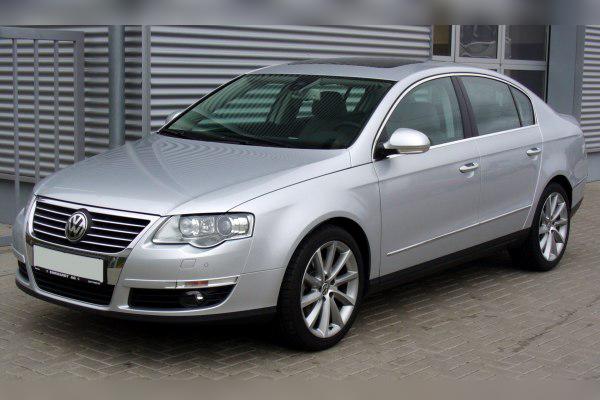
VW 2.0 TDI CR (CBAC) – Experiences, issues, fuel consumption and maintenance
Key points in short (TL;DR)
- Common Rail technology: Unlike the older PD (Pumpe-Düse) engines in the Passat B6, this engine runs smoother, quieter and more efficiently.
- BlueTDI specifics: This is one of the first “Blue” engines with an AdBlue system (SCR catalyst), which means better emissions but also additional components to maintain.
- Oil pump: Although it is better than its predecessor, you still need to pay attention to the infamous “pencil” (hexagonal shaft) of the oil pump.
- Fuel consumption: Extremely economical for its size, ideal for highway driving.
- Dual-mass flywheel: It is present and represents a standard maintenance cost at higher mileage.
- Recommendation: An excellent engine for long-distance driving, but it requires high-quality fuel and regular maintenance of the AdBlue system.
Contents
- Introduction and applications
- Technical specifications
- Reliability and maintenance
- Specific parts and costs
- Fuel consumption and performance
- Additional options and tuning
- Gearbox and drivetrain
- Buying used and conclusion
Introduction and applications
The engine with the code CBAC is a specific unit from Volkswagen’s 2.0 TDI family. It was installed primarily in the VW Passat B6 (and CC variants) towards the end of that generation’s production cycle. What sets it apart is the BlueTDI designation. This is not an ordinary 2.0 TDI; this is an engine that was a forerunner of strict Euro 6 standards, using an SCR catalyst and AdBlue fluid to drastically reduce nitrogen oxides.
For drivers, this means that under the hood you have a modern Common Rail injection system, which is far more refined than the rough PD engines that made the Passat B6 both famous and infamous. With 143 hp, it represents the golden middle ground between performance and economy.
Technical specifications
| Specification | Value |
|---|---|
| Engine displacement | 1968 ccm |
| Power | 105 kW (143 hp) |
| Torque | 350 Nm at 1750–2500 rpm |
| Engine code | CBAC |
| Injection system | Common Rail (Bosch) |
| Turbo | VNT turbo (variable geometry) |
| Emissions | Euro 5 / Euro 6 ready (with AdBlue) |
Reliability and maintenance
Timing belt or chain?
The CBAC engine uses a timing belt for the valvetrain. This is good news because belts on these engines are generally quieter and more predictable than chains on some other VW engines. The factory interval for replacement often goes up to 210,000 km for Western European markets, but based on experience and as a precaution, the major service is done at 150,000 to 180,000 km or every 5 years, whichever comes first. A snapped belt leads to catastrophic engine failure (pistons and valves colliding).
Most common failures
Although the Common Rail system brought greater reliability compared to PD engines, the CBAC has several critical points:
- Oil pump shaft (hex “pencil”): Even though later models were improved, the oil pump drive via a hexagonal shaft can round off and wear out. When that happens, the pump stops working, oil pressure drops to zero and the turbo fails instantly, followed shortly by the entire engine. Preventive replacement of this shaft during the major service is recommended (not expensive, depends on the market).
- Exhaust gas temperature and pressure sensors (DPF): Sensor failures are common and can falsely trigger the “Check Engine” light or prevent DPF regeneration.
- EGR valve: The EGR cooler is known to leak, which leads to coolant loss, or the valve itself can get stuck due to soot buildup.
Oil and service intervals
This engine takes approximately 4.0 to 4.3 liters of oil (always check the dipstick). Due to the presence of a DPF filter and AdBlue system, it is MANDATORY to use oil that meets the VW 507.00 standard. The recommended grade is 5W-30.
Oil consumption is generally low. Topping up 0.5 to 1 liter per 10,000 km is considered normal, especially if the car is driven more aggressively on the highway. If it consumes more than that, the turbocharger or piston rings should be checked.
Injectors
The CBAC uses piezoelectric Common Rail injectors (usually Bosch). They are more durable than the old PD elements. The expected service life is over 250,000 km with good-quality fuel. Symptoms of bad injectors include hard starting, rough idle and increased smoke. Refurbishment is possible, but new ones are still expensive (depends on the market).
Specific parts (costs)
Dual-mass flywheel
Yes, this engine has a dual-mass flywheel (DMF). Considering the 350 Nm of torque, the flywheel is under significant load. Symptoms of failure are rattling at idle that disappears when you press the clutch, and a strong metallic thud when switching the engine off. This is one of the more expensive wear items.
Turbocharger
The engine has a single turbocharger with variable geometry. Its lifespan directly depends on regular oil changes and driving style (cooling down after fast driving). It usually lasts as long as the engine, but at mileages over 200,000 km you can expect the need for refurbishment or cleaning of the vanes, which can get stuck due to soot.
DPF, EGR and AdBlue (SCR)
This is where we come to the specifics of the CBAC engine. It has:
- DPF filter: It will clog as standard if the car is driven exclusively in the city. It requires occasional driving on open roads.
- AdBlue system: The CBAC is “BlueTDI”. It has an AdBlue tank, a fluid heater (often fails and is expensive to replace) and an AdBlue injector in the exhaust. If the AdBlue system fails, the engine often goes into “safe mode” or will not allow the car to be restarted after a certain number of kilometers. Maintaining this system is an additional cost compared to regular TDI engines.
Fuel consumption and performance
Real-world fuel consumption
The CBAC is an efficiency champion if we take the size of the Passat into account.
- City driving: Expect between 7.0 and 8.5 l/100 km, depending on traffic and how heavy your right foot is (the DSG gearbox can add about 0.5 l).
- Open road: This is where the engine shines. Consumption drops to 4.5 to 5.5 l/100 km on regular country roads.
- Motorway (130 km/h): Fuel consumption is around 5.5 to 6.0 l/100 km.
Is the engine “lazy”?
With 143 hp and 350 Nm, the engine is not lazy. This is the optimal balance for the Passat B6. Acceleration is linear, overtaking is safe even when the car is fully loaded. It’s not a sports car, but for a family sedan or estate, it has more than enough power.
Cruising on the motorway
Thanks to the 6th gear (both manual and DSG), at 130 km/h the engine runs at a comfortable 2200–2400 rpm (depending on the gearbox and tyre size). This means the cabin is quiet and the engine is not under heavy load.
Additional options and modifications
Chip tuning (Stage 1)
The 2.0 TDI engines respond very well to remapping. A safe “Stage 1” raises power from 143 hp to about 170–180 hp and torque to nearly 400 Nm. The engine can easily handle this mechanically, but you should be aware that the higher torque will wear the dual-mass flywheel and clutch faster. Also, before remapping, the DPF filter must be in perfect condition.
Gearbox
Gearbox options
The CBAC engine usually comes with:
- 6-speed manual gearbox: Precise, robust and long-lasting.
- 6-speed DSG (DQ250): Dual-clutch automatic gearbox (wet clutch).
Gearbox maintenance and issues
Manual gearbox: Practically indestructible. Issues are related to the clutch kit and flywheel (the cost is high, but these are wear items).
DSG gearbox: Requires oil and filter changes strictly every 60,000 km. If this is followed, the gearbox is excellent. The most common failures are the mechatronics unit (the “brain” of the gearbox) and the clutch pack. Symptoms include jerking when setting off, hesitation when shifting or knocking noises. DSG repairs are expensive (depends on the market, often very expensive).
Buying used and conclusion
When buying a Passat with a CBAC engine, it is crucial to check the following:
- Diagnostics: Check the DPF filter status (ash loading) and the functionality of the AdBlue system. Faults in the AdBlue system can cost hundreds of euros.
- Flywheel noise: Listen for changes in sound when pressing the clutch pedal.
- Cold start: The engine should start immediately and run smoothly. Rough idle can indicate injector issues.
- Oil pump shaft history: If there is proof that it has been preventively replaced or upgraded, that is a huge plus.
Conclusion: The VW 2.0 TDI (CBAC) is an excellent engine for those who cover high mileage on open roads. It offers top comfort and low fuel consumption. However, due to the complex exhaust aftertreatment system (BlueTDI), it is potentially more expensive to maintain than the regular versions (CBAB) if AdBlue system failures occur. If you are looking for a reliable cruiser and are ready for regular, high-quality maintenance, this is the right choice.
Was this content useful to you?
Your opinion helps us to improve the quality of the content.