CUWA, CUXA Engine
- Engine
- 1968 cm3
- Aspiration
- Turbocharger, Intercooler
- Fuel
- Diesel
- Fuel injection system
- Diesel Commonrail
- Power
- 184 hp
- Torque
- 380 Nm
- Cylinders
- 4
- Valves
- 16, 4 per cylinder
- Cylinders position
- Inline
- Oil capacity
- 4.7 l
- Systems
- Particulate filter
# Vehicles powered by this engine
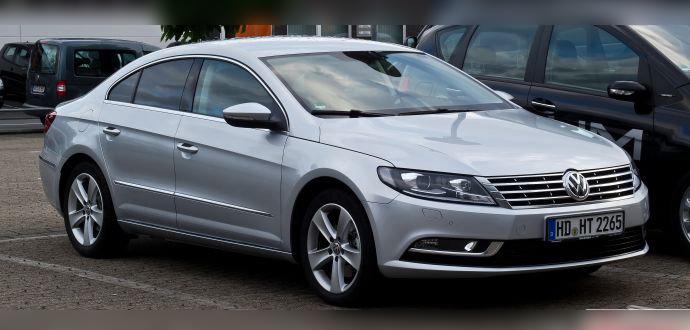
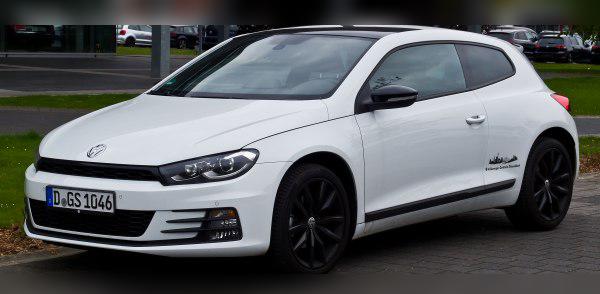
2.0 TDI (CUWA, CUXA) 184 HP – Experiences, Issues, Fuel Consumption and Buying Tips
Key points (TL;DR)
- Performance: This is one of the most powerful 2.0 TDI diesels (same as in the Golf GTD), offering an excellent balance between power and fuel consumption.
- Camshaft drive: Uses a timing belt that requires regular replacement (Major service).
- Emissions (Euro 6): These engines (codes CUWA, CUXA) are equipped with complex exhaust after-treatment systems (DPF, EGR and often AdBlue), which can be expensive to maintain.
- Water pump: A known weak point; it is recommended to replace it earlier than the factory interval due to possible leaks or seizure.
- Gearbox: DSG is an excellent match for this engine, but it requires strict oil changes every 60,000 km.
- Recommendation: An ideal engine for highway and long-distance driving; not recommended for strictly city use because of the DPF filter.
Contents
- Introduction and Models
- Technical Specifications
- Reliability and Maintenance
- Specific Parts and Costs
- Fuel Consumption and Performance
- Additional Options and Tuning
- Gearbox (Manual and DSG)
- Buying Used and Conclusion
Introduction and Models
The 2.0 TDI engine with 184 horsepower (codes CUWA and CUXA) belongs to the more modern EA288 generation of Volkswagen diesels. This is not the ordinary 2.0 TDI you’ll find in a basic Passat; it is a high-performance version that was installed in models with sporty ambitions such as the Volkswagen CC (facelift) and Volkswagen Scirocco III (facelift).
Its role is to reconcile the seemingly irreconcilable: to offer seat-pinning acceleration while maintaining the fuel efficiency typical of diesel engines. It is important to note that these engines meet stricter emission standards (Euro 6), which brings certain technological complexities that we will discuss below.
Technical Specifications
| Characteristic | Data |
|---|---|
| Engine displacement | 1968 ccm |
| Power | 135 kW (184 HP) |
| Torque | 380 Nm at 1750–3000 rpm |
| Engine codes | CUWA, CUXA |
| Injection type | Common Rail (Direct injection) |
| Charging | Variable-geometry turbocharger + intercooler |
| Emission standard | Euro 6 |
Reliability and Maintenance
Belt or chain?
This engine uses a timing belt to drive the camshaft. Although the manufacturer often states optimistic replacement intervals (sometimes up to 210,000 km for Western markets), real-world practice and mechanics’ experience call for caution. It is recommended to perform the major service between 160,000 km and 180,000 km or every 5 to 7 years, whichever comes first. A snapped belt leads to catastrophic engine damage.
Most common issues
Although the EA288 series is more reliable than its predecessor, there are some specific problems:
- Water pump: This is the most common weak point. The variable water pump has a sliding ring that can seize, leading to engine overheating, or it may simply start leaking coolant. It often fails before the scheduled major service.
- Oil leaks: Sometimes oil leaks appear at the crankshaft seal or the valve cover.
- Exhaust gas temperature sensors: Due to the high temperatures during DPF regeneration, these sensors are prone to failure.
Oil and oil consumption
The engine takes approximately 4.6 to 4.7 liters of oil. It is mandatory to use 5W-30 oil that meets the VW 507.00 specification. This specification is crucial because of the DPF filter – using the wrong oil will permanently damage the DPF.
As for oil consumption, these engines are quite “tight”. Consumption of up to 0.5 liters per 10,000 km is considered acceptable, especially if the car is driven more aggressively. If the engine consumes more than a liter between services, this may indicate problems with piston rings or the turbocharger.
Injectors
The system uses modern piezo-electric injectors. They have proven to be very durable and often exceed 250,000 km without issues, provided that quality fuel is used. Symptoms of bad injectors include rough idle, increased smoke when accelerating, and hard starting.
Specific Parts (Costs)
Dual-mass flywheel
Yes, this engine, regardless of whether it is paired with a manual or DSG gearbox, has a dual-mass flywheel. Due to the high torque (380 Nm), the flywheel is under heavy load. Its lifespan is usually around 200,000 km, but city “stop-and-go” driving can wear it out much earlier. Replacement is expensive (depends on the market).
Turbocharger
The engine has a single turbocharger with variable geometry. It is not prone to sudden failure if the oil is changed regularly. With proper maintenance, its lifespan is usually equal to that of the engine, but at higher mileage (over 250k km) it may require refurbishment.
DPF, EGR and AdBlue
This is a Euro 6 engine, which means emissions systems are “fully loaded”:
- DPF filter: Standard equipment. If you drive only in the city, it will clog up. It requires occasional highway driving to allow regeneration.
- EGR valve: Prone to soot build-up. Cleaning is possible, but often the EGR cooler needs to be replaced, as it can crack and lose coolant.
- AdBlue (SCR): Models with CUWA/CUXA codes (especially in the CC and Sharan, and in the Scirocco depending on the year) usually use AdBlue fluid. The system is sensitive – the heater in the AdBlue tank, as well as the pump, are known to fail, which is a very expensive repair (often the entire tank module has to be replaced).
Fuel Consumption and Performance
Real-world fuel consumption
- City driving: Expect between 7.0 and 8.5 l/100 km. The VW CC and Scirocco are not light cars, and the automatic (DSG) can slightly increase consumption in the city.
- Highway / open road: This is where this engine shines. It is possible to get consumption down to 4.5 to 5.5 l/100 km with moderate driving.
Performance and driving feel
The engine is anything but “lazy”. With 184 HP and 380 Nm, it moves the CC or Scirocco body with ease. Acceleration is energetic, and overtaking is safe without the need for excessive downshifting.
On the motorway, at 130 km/h, the engine in sixth gear (manual or DSG) spins at a comfortable 2,000 to 2,200 rpm. This guarantees quiet cruising and low fuel consumption on long journeys.
Additional Options and Modifications
Remapping (Stage 1)
This engine is very popular for tuning. A safe Stage 1 remap can increase power to around 220 HP and torque to 440–450 Nm.
Warning: If you do a remap, it is recommended to also adjust the DSG software to increase the clamping force on the clutches, because the stock gearbox software may not adequately handle the increased torque, which can lead to clutch slip.
Gearbox
Available gearboxes
- Manual: 6-speed gearbox. Precise and robust.
- Automatic: DSG (Direktschaltgetriebe) dual-clutch, 6-speed (code DQ250). This is a “wet” DSG, where the clutches are immersed in oil.
Gearbox issues and maintenance
Manual: The main expense is the clutch kit with the dual-mass flywheel. The gearbox itself rarely fails. It is not a bad idea to change the oil in the manual gearbox preventively at 150,000 km, even though VW claims it is lifetime fill.
DSG (DQ250): This gearbox is excellent and fast, but it requires discipline. The oil and filter in the DSG must be changed every 60,000 km. If this is followed, the gearbox can easily exceed 300,000+ km. Failures usually concern the mechatronics unit (the gearbox “brain”) or the clutch pack if the car has been driven aggressively or the oil has not been changed. Symptoms of failure include jerking when starting off, hesitation when shifting, or knocking noises.
Buying Used and Conclusion
What to check before buying?
- Cold start: Listen to the engine when it is completely cold. Rattling noises may indicate a worn flywheel or issues with hydraulic lifters.
- Coolant: Check the coolant reservoir. If the level is low or the coolant is dirty, suspect the water pump or the EGR cooler.
- DPF status: Always connect a diagnostic tool and check the DPF load (soot mass/ash mass).
- DSG service history: If there is no proof of gearbox oil changes every 60k km, be prepared for risk or look for another car.
Conclusion
The 2.0 TDI (184 HP) engine in the VW CC and Scirocco is a fantastic choice for drivers who cover a lot of highway mileage and want a car that looks attractive and goes very well. It is not the cheapest to maintain (due to the dual-mass flywheel, AdBlue system and the large tyres that usually come with these models), but it offers an excellent balance of performance and everyday usability. If you find a well-maintained example with a clear gearbox service history, you will get a reliable long-distance machine.
Was this content useful to you?
Your opinion helps us to improve the quality of the content.