CUVC, DFLA, DLTA Engine
- Engine
- 1968 cm3
- Aspiration
- Turbocharger, Intercooler
- Fuel
- Diesel
- Fuel injection system
- Diesel Commonrail
- Power
- 150 hp @ 3500 rpm
- Torque
- 340 Nm
- Cylinders
- 4
- Valves
- 16, 4 per cylinder
- Cylinders position
- Inline
- Oil capacity
- 4.7 l
- Coolant
- 8 l
- Systems
- Particulate filter
# Vehicles powered by this engine
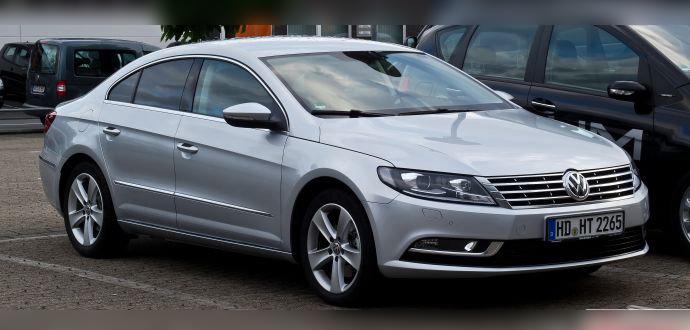
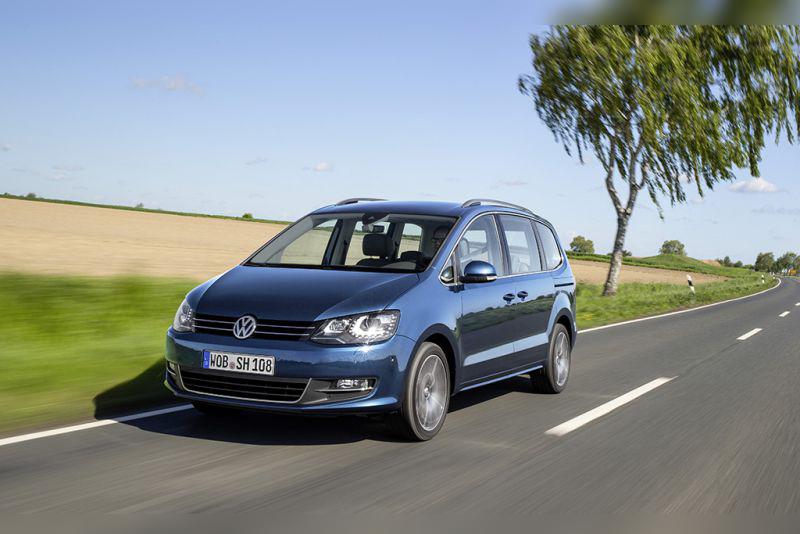
2.0 TDI (CUVC, DFLA, DLTA) – Experiences, problems, fuel consumption and used-buying guide
Key points (TL;DR)
- Reliable “workhorse”: These engines are from the EA288 family (Euro 6), significantly more modern and refined than older diesels.
- Major service: The timing is driven by a timing belt. Their Achilles’ heel is the water pump, which can seize before the scheduled replacement interval.
- Emissions: All listed codes (CUVC, DFLA, DLTA) in the Sharan and CC use an AdBlue (SCR) system. AdBlue tank heaters are a common and expensive failure.
- Performance: 150 hp is the “sweet spot”. More than enough for the CC, but in the heavy Sharan (especially with 7 seats and luggage) it requires more frequent shifting or a DSG.
- Transmissions: Comes with reliable manual gearboxes or an excellent DSG (DQ250) wet-clutch unit that requires regular maintenance.
- Recommendation: An excellent engine for motorway and long-distance driving. Avoid it if you drive only short city trips because of the DPF.
Contents
- Technical specifications
- Reliability and maintenance
- Specific parts and costs
- Fuel consumption and performance
- Additional options and modifications
- Gearbox (manual and DSG)
- Buying used and conclusion
Introduction
The 2.0 TDI engine with 150 hp and codes CUVC, DFLA, DLTA is the heart of Volkswagen’s mid-class offering from 2012–2018. These units belong to the EA288 series, designed to meet strict Euro 6 standards, correct the flaws of previous generations and offer better refinement. Installed in the elegant VW CC and the family cruiser VW Sharan, this engine is the most common choice among buyers on the European market because it offers the best balance between registration cost, fuel consumption and power.
Technical specifications
| Feature | Data |
|---|---|
| Engine displacement | 1968 ccm |
| Power | 110 kW (150 hp) |
| Torque | 340 Nm at 1750–3000 rpm |
| Engine codes | CUVC, DFLA, DLTA |
| Injection type | Common Rail (Bosch/Continental) |
| Charging | Turbocharger (VGT) + intercooler |
| Timing drive | Timing belt |
| Emission standard | Euro 6 (with AdBlue system) |
Reliability and maintenance
Timing system: belt or chain?
This engine uses a timing belt to drive the camshafts. That’s good news, as the system is quieter and generally more predictable than the chains on some older VW engines. However, the system also includes a water pump, which is a weak point.
Major service and water pump
The factory interval for the major service is an optimistic 210,000 km. In practice, this should be shortened. It’s recommended to do the major service at 160,000 to 180,000 km or after 5–6 years of age.
Key issue: The water pump on these engines has a variable ring (shroud) that regulates coolant flow for faster engine warm-up. This ring can seize, which leads to engine overheating. If you notice that the engine temperature fluctuates or jumps above 90°C, the pump must be replaced immediately, regardless of mileage.
Engine oil: quantity and consumption
This engine takes between 4.7 and 5.5 liters of oil (depending on the exact engine code and sump shape, always buy 6 liters).
Required grade: 0W-30 or 5W-30 with VW 507.00 specification. This spec is critical because of the DPF filter.
As for oil consumption, EA288 engines are much better than older “pumpe-düse” units. Consumption up to 0.5 liters per 10,000 km is completely acceptable and normal. If it uses more than 1 liter between services, the turbo or piston rings should be checked, although this is not a systemic issue at low mileage.
Injectors
The injectors on these engines are mostly electromagnetic (solenoid) or improved piezo units and have proven to be very durable. With good-quality fuel, they easily last 250,000–300,000 km. Symptoms of bad injectors are rough idle (rev needle fluctuates), white smoke on start-up and increased fuel consumption. Refurbishment is possible and (depending on the market) moderately expensive, not catastrophic like on the old Siemens units.
Specific parts (costs)
Dual-mass flywheel
Yes, this engine has a dual-mass flywheel, regardless of whether the gearbox is manual or automatic (DSG). On DSG-equipped models, the flywheel is exposed to fewer vibrations and often lasts longer, but when it fails you’ll hear a metallic knocking from the gearbox area while the car idles (“clonk-clonk-clonk”). Replacement is expensive (falls into the “costly” category).
Turbocharger
The engine has a single turbocharger with variable geometry (VGT). Its service life is long if the oil is changed regularly (every 15,000 km, not 30,000 km). It’s not prone to sudden failures, but a siren-like whistle is a sign that the turbo is on its way out.
DPF, EGR and the infamous AdBlue
Since these are Euro 6 engines (especially in the Sharan II facelift and later CC models), the exhaust aftertreatment system is complex.
- DPF and EGR: They work well as long as the car is driven on open roads. City driving quickly clogs the EGR valve (exhaust gas recirculation). Symptoms are loss of power and a “Check Engine” light.
- AdBlue (SCR): This is the weak spot. These models have an AdBlue fluid tank. Common failure: The heater in the AdBlue tank or the dosing pump. Often the entire tank module has to be replaced or the electronics repaired, which is (very expensive). Regular maintenance only involves topping up the fluid, but be prepared for potential heater-system failures in winter.
Fuel consumption and performance
Real-world fuel consumption
Consumption varies drastically between the CC and Sharan due to aerodynamics and weight:
- City driving:
- VW CC: 6.5–7.5 l/100 km.
- VW Sharan: 7.5–9.0 l/100 km (the heavy body takes its toll).
- Country roads: Both models can use around 4.5–5.5 l/100 km.
- Motorway (130 km/h):
- VW CC: about 5.5–6.0 l/100 km.
- VW Sharan: about 6.5–7.5 l/100 km.
Is the engine “lazy”?
For the VW CC, 150 hp and 340 Nm is just right. The car is agile, pulls nicely and overtaking is safe.
For the VW Sharan, the engine is “adequate”. It’s not sluggish, but if you load 7 passengers and a roof box, you’ll feel the lack of power on climbs. For relaxed family driving it’s perfectly fine. At 130 km/h in 6th gear, the engine spins at a pleasant 2,000–2,200 rpm, which makes it a quiet cruiser.
Additional options and modifications
Chip tuning (Stage 1)
This 2.0 TDI responds very well to remapping. The factory software is conservative.
Stage 1: It can safely be raised to 185–195 hp and torque to about 400–420 Nm.
Warning: On models with a manual gearbox, the clutch may wear out faster if you overdo it with torque at low revs. On DSG models, it’s recommended to also do a gearbox software adjustment (TCU tuning) so that oil pressure matches the increased torque.
Gearbox: manual and DSG
Types of gearboxes
- 6-speed manual: Precise, robust. An oil change is recommended every 100,000 km, even though VW claims it’s “lifetime”.
- 6-speed DSG (DQ250): This is a dual-clutch gearbox in an oil bath (wet DSG).
DSG maintenance and failures
The DQ250 is one of the best automatic gearboxes, but it requires strict maintenance.
Service: Oil and filter in the DSG gearbox MUST be changed every 60,000 km. No exceptions.
Failures: If the oil is not changed, the mechatronics (the gearbox brain) fails, which is a (very expensive) repair. The clutch pack also wears and usually lasts around 200,000–250,000 km, depending on driving style. Symptoms of failure are jerking when moving off from a standstill or a delay when engaging “R”.
Buying used and conclusion
What to check before buying?
- Cold start: The engine should start instantly. If it cranks for a long time, it could be the injectors or the high-pressure pump.
- Coolant: Check the coolant reservoir. If the level is below minimum or you see traces of leakage around the timing belt area, the water pump has probably started to fail. The fluid should be clean (G13 or G12evo – purple).
- Flywheel noise: Switch off the engine with the door open. If you hear a metallic knock at the end, the flywheel is due for replacement.
- Diagnostics (AdBlue): Be sure to check for faults related to the “reductant heater” or “SCR system”. Sellers often just clear the fault codes before sale.
Conclusion
The 2.0 TDI (150 hp) engine in CUVC/DFLA variants is an excellent choice for a European buyer. It offers more modern technology than old TDI engines, quieter operation and great efficiency. Although the emissions systems (AdBlue, EGR) are a potential source of costs, the mechanical base of the engine (pistons, block, head) is extremely durable.
Ideal for: Drivers who cover more than 20,000 km per year, often drive on open roads and need safe family transport. For the VW Sharan, this is the minimum power level you should consider (avoid the 1.6 TDI or weaker versions).
Was this content useful to you?
Your opinion helps us to improve the quality of the content.