EA888 / CZPC Engine
- Engine
- 1984 cm3
- Aspiration
- Turbocharger, Intercooler
- Fuel
- Petrol (Gasoline)
- Fuel injection system
- Direct injection and Multi-port manifold injection
- Power
- 200 hp
- Torque
- 320 Nm
- Cylinders
- 4
- Valves
- 16, 4 per cylinder
- Cylinders position
- Inline
- Valvetrain
- DOHC
- Oil capacity
- 5.7 l
- Systems
- Start & Stop System
# Vehicles powered by this engine
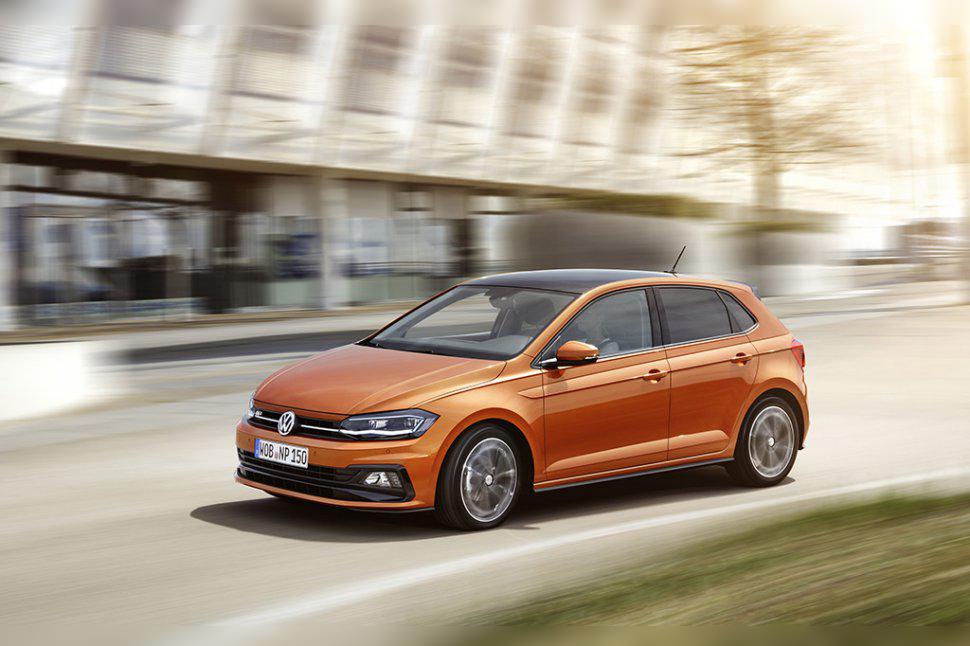
2.0 TSI EA888 (CZPC) experiences, problems, fuel consumption and used car buying tips
Key points (TL;DR)
- Performance: An explosive engine for the Polo GTI body, it offers genuine sports performance without any feeling of “laziness”.
- Cooling: The biggest weak point is the thermostat and water pump module. Coolant leaks are a matter of time – not “if” but “when”.
- Timing drive: Chain-driven. Much more reliable than older generations, but it requires quality oil and regular changes.
- Gearbox: Comes with a DSG gearbox with a wet clutch (usually DQ250), which is a big advantage over lower models with problematic dry-clutch DSGs.
- Oil consumption: Not as dramatic as with EA888 Gen 2 engines, but regular oil level checks are still mandatory.
- GPF filter: This engine has a gasoline particulate filter (OPF/GPF), which complicates oil choice and muffles the exhaust sound.
- Recommendation: An excellent choice for enthusiasts who want a sleeper car, provided you don’t skimp on DSG and cooling system maintenance.
Contents
Introduction
The engine code CZPC belongs to the third generation (Gen 3B) of the famous Volkswagen EA888 family. This is a “detuned” version of the 2.0 TSI unit that found its place under the hood of the Volkswagen Polo VI GTI, replacing the older 1.8 TSI. Why does this matter? Because VW decided to put a Golf GTI engine into a small city car, but with a focus on the so‑called “Budack cycle” combustion, which promises better efficiency at low loads.
For drivers this means they get a robust engine block capable of serious performance, yet adapted to stricter emission standards. Although it shares DNA with more powerful versions from the Golf R or Audi S3, the CZPC has specific components (smaller turbo, different camshafts) that make it unique.
Technical specifications
| Parameter | Value |
|---|---|
| Displacement | 1984 cc (2.0 L) |
| Power | 147 kW (200 hp) |
| Torque | 320 Nm |
| Engine code | EA888 Gen 3B / CZPC |
| Injection type | Direct (TSI/FSI) + Multi-point (depending on market/version) |
| Forced induction | Turbocharger (IHI IS20) + Intercooler |
| Camshaft drive | Chain |
Reliability and Maintenance
Timing belt or chain?
This engine uses a timing chain. Unlike the notorious earlier EA888 versions (where the chain could fail before 100,000 km), Gen 3B engines have a significantly reinforced chain and tensioner system. Still, the chain is not eternal. It’s recommended to check its condition (stretch) via diagnostics after 150,000 km or earlier if you hear a characteristic rattle on cold start (the so‑called “death rattle”).
Most common failures
The number one problem with this engine is the thermostat housing and water pump. It’s made of plastic that deforms over time due to heat cycles.
Symptoms: A sharp smell of coolant in the cabin or around the car, a dropping coolant level in the expansion tank without visible puddles under the car (because the coolant evaporates on the hot block). Replacement is not cheap (depends on the market) because it requires many labor hours.
The second common issue is the PCV valve (oil vapor separator). When it fails, the engine may start consuming oil, run rough at idle, or blow out the crankshaft seal due to excessive crankcase pressure.
Service intervals and Oil
Although the manufacturer often states “Long Life” intervals of 30,000 km, for the longevity of this turbo engine that is a death sentence.
Minor service: Do it at a maximum of 10,000 to 12,000 km or once a year.
Major service: The chain has no fixed interval; it’s replaced as needed (often around 180,000 – 200,000 km with proper maintenance). The auxiliary belt and tensioners should be replaced at around 100,000 km.
Oil quantity and type: The engine takes approximately 5.7 liters of oil. Due to new emission standards and the Budack cycle, VW often recommends very thin 0W‑20 (VW 508.00) oil for fuel economy. However, many experienced mechanics and enthusiasts switch to 5W‑30 (VW 504.00) for better protection at high temperatures, especially if you drive harder. Check what is written on your radiator support sticker, but 0W‑20 is the factory standard for the CZPC.
Oil consumption
Does it consume oil? Yes, but within normal limits for turbo petrol engines. Expect to top up around 0.5 to 1 liter per 10,000 km if you drive aggressively. If it consumes more than 0.5 liters per 1,000 km, that points to an issue with piston rings or the turbo, which is rare at low mileage on this generation.
Spark plugs
Spark plugs are replaced every 60,000 km. However, if the car is chipped (remapped), the interval should be shortened to 30,000 km, using “colder” plugs (e.g. from the RS7), because higher temperatures wear the electrodes faster. Symptoms of bad plugs are hesitation under acceleration and rough running (misfire).
Specific Parts (Costs)
Dual-mass flywheel
Yes, the Polo GTI with this engine and DSG gearbox has a dual‑mass flywheel. Its lifespan depends on driving style – hard launches from a standstill kill it faster. Symptoms are metallic knocking at idle that disappears when you rev the engine, or vibrations when switching the engine off. Replacement is expensive, as it is usually done as a complete set.
Fuel injection system and injectors
This engine uses a direct injection system (high pressure). The injectors are generally reliable, but sensitive to poor fuel quality. The problem with direct injection is carbon buildup on the intake valves, because fuel does not wash the valves. This requires mechanical cleaning (walnut shell blasting), usually at mileages above 120,000 km.
Turbocharger
It mainly uses an IHI IS20 turbocharger (similar to the one in the Golf GTI, but with different mapping). This is a single turbo. Its lifespan is long with regular oil changes and, most importantly, cooling the engine down after spirited driving before switching it off. Wastegate actuator failures are possible, which leads to loss of power.
DPF/GPF and EGR
Since the CZPC is a newer generation engine (Euro 6), it has a GPF (Gasoline Particulate Filter) – the petrol equivalent of a DPF. It rarely clogs compared to diesels because petrol engines run at higher exhaust temperatures, but it muffles the sound and requires low‑ash (Low SAPS) oil. There is also an EGR valve for exhaust gas recirculation; it’s not as critical as on diesels, but it can get dirty.
AdBlue
No, this engine does not have an AdBlue system. That is reserved exclusively for modern diesel engines. Exhaust system maintenance comes down to checking sensors and the GPF.
Fuel Consumption and Performance
Real-world fuel consumption
Don’t trust the official figures. In reality:
City driving: Expect between 8.5 and 11 l/100 km, depending on how heavy your right foot is and how bad the traffic is. Short trips in winter can push this up to 12 l.
Open road: This is where the engine shines. It’s possible to get 6.0 – 7.0 l/100 km with normal driving on country roads.
Is the engine “lazy”?
Absolutely not. With 320 Nm of torque available from as low as 1,500 rpm, the Polo GTI is a real rocket. The Polo body is light for this engine, resulting in 0–100 km/h in about 6.7 seconds. The pull is instant and linear.
Motorway and cruising
Thanks to the DSG gearbox (usually 6 or 7 speeds, depending on model year), the engine is very relaxed. At 130 km/h in top gear, the engine spins at around 2,300 – 2,500 rpm (depending on the gearbox). This means quiet driving and good economy on long journeys.
Additional Options and Modifications
LPG conversion
Is it possible? Technically yes. Is it advisable? Not really. Due to direct injection, you need an expensive system (liquid phase or a system that uses both petrol and LPG at the same time to cool the injectors). The installation cost is high (very expensive), and given that this is a sporty model where performance is the priority, LPG often takes away more than it gives, unless you cover huge mileages.
Chiptuning (Stage 1)
EA888 engines are known for their huge tuning potential. This engine is factory “detuned”.
Stage 1 (software only): Power can safely be raised to 240 – 250 hp and torque to around 400+ Nm.
Note: The power increase drastically shortens the lifespan of spark plugs and coils and requires more frequent oil services. Also, make sure the gearbox can handle the extra torque (a gearbox remap – TCU tune – is also needed).
Gearbox
Gearbox type
With the CZPC engine in the Polo GTI you most often get a 6‑speed DSG (DQ250) with a wet clutch. This is crucial information! Standard Polo models use the problematic DQ200 with a dry clutch, while the GTI version uses the more robust DQ250 (or the newer 7‑speed DQ381 in later models), which can handle more torque and dissipates heat better.
Gearbox failures and maintenance
Although the DQ250 is reliable, the mechatronics unit (the gearbox brain) can fail, which is an expensive repair (very expensive). Symptoms are harsh gear changes, delay when setting off, or the gearbox dropping into neutral while driving.
Gearbox service: On DSG gearboxes with a wet clutch, oil and filter MUST be changed every 60,000 km. If you’re buying a used car without proof of this service, that’s a big risk. An oil change is not cheap, but it is essential for a long service life.
The manual gearbox (6‑speed) is rarer with this specific engine code in some regions, but if you find one, the clutch is a wear item and depends entirely on the driver.
Buying used and Conclusion
What to check before buying?
- Coolant leaks: Open the bonnet and use a flashlight to inspect the area under the intake manifold (front of the engine). If you see white/pink dried traces, the water pump is leaking.
- Cold start: Listen to the engine at the first start while it’s cold. Chain rattle must not last longer than 1–2 seconds.
- DSG behavior: The gearbox should shift smoothly. Start gently uphill without throttle – the car must not shudder or jerk.
- Service history: Check whether the gearbox oil was changed at 60k km and whether the spark plugs were replaced.
- Exhaust: Black smoke under full throttle is somewhat normal for DI engines, but blue smoke is a sign of oil consumption.
Final verdict
The 2.0 TSI (CZPC) engine in the Polo GTI is a fantastic blend of power and technology. It’s a “grown‑up” engine in a small package. It’s aimed at drivers who want excitement behind the wheel and are ready to pay somewhat higher maintenance costs (especially for the DSG and cooling system components) compared to ordinary city cars. If you find an example that hasn’t been abused when cold and has had regular oil changes in both engine and gearbox, it will serve you excellently, with a smile on your face every time you overtake.
Was this content useful to you?
Your opinion helps us to improve the quality of the content.