EA111 / CAVE, CTHE Engine
- Engine
- 1390 cm3
- Aspiration
- Turbocharging and Supercharger, Intercooler
- Fuel
- Petrol (Gasoline)
- Fuel injection system
- Direct injection
- Power
- 180 hp @ 6200 rpm
- Torque
- 250 Nm
- Cylinders
- 4
- Valves
- 16, 4 per cylinder
- Cylinders position
- Inline
- Valvetrain
- DOHC
- Oil capacity
- 3.6 l
- Coolant
- 5.6 l
# Vehicles powered by this engine
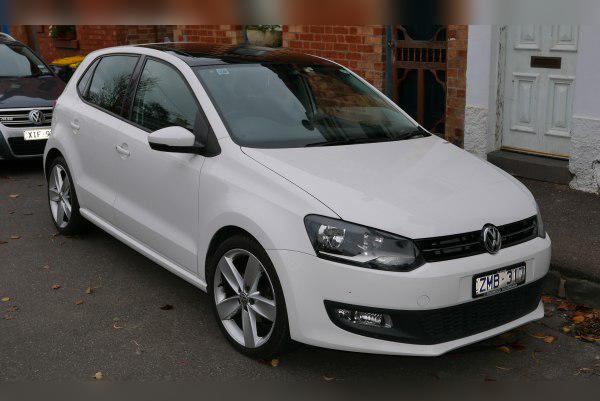
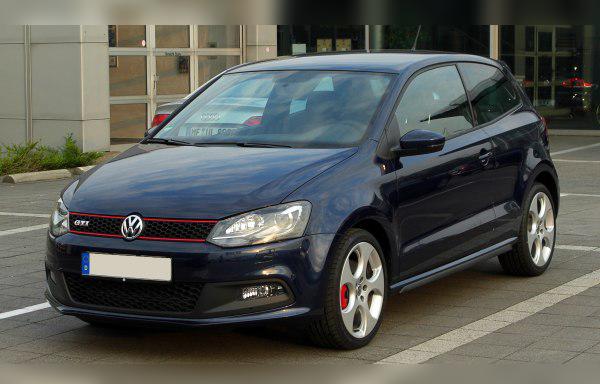
1.4 TSI Twincharger (EA111) – Experiences, problems, fuel consumption and used car buying guide
1. The most important in short (TL;DR)
- Complexity: This is an engine with a twin-charging system (turbo + supercharger), which means fantastic performance from a small displacement, but also twice as many parts that can fail.
- Achilles’ heel (Pistons): Early models (engine code CAVE) are notorious for piston and ring failure, which leads to massive oil consumption and loss of compression. The later model (CTHE) is somewhat better, but the risk is still there.
- Timing chain: The timing chain is weak, prone to stretching and skipping teeth if not replaced preventively. A “rattling” noise on cold start is a red flag.
- Gearbox: In Polo GTI models this engine comes exclusively with the DSG 7 (DQ200) gearbox with dry clutches, which requires specific maintenance and mechatronics repairs.
- Oil consumption: Be prepared to top up. Consumption of 0.5L to 1L per 1,000 km is often seen with this engine (even though it’s not desirable), especially if driven hard.
- Performance: On the road this engine is a real gem – explosive, with sharp throttle response and very fun to drive.
Contents
- Introduction and Models
- Technical Specifications
- Reliability and Maintenance
- Specific Parts and Costs
- Fuel Consumption and Performance
- Additional Options and Modifications
- Gearbox (DSG)
- Used car buying tips and Conclusion
Introduction: A pocket rocket with a glass heart?
The 1.4 TSI (EA111) engine in its 180 hp (132 kW) version represents the pinnacle of Volkswagen Group engineering from the “downsizing” era. The idea was simple but ambitious: to extract the power of a large naturally aspirated engine from a small displacement by using a mechanical supercharger for low revs and a turbocharger for higher revs.
This engine made the VW Polo GTI (6R generation) famous, turning it into a serious street contender. However, the complexity of this system also brought a reputation of a “sensitive” engine that requires meticulous maintenance and an educated owner. There are two main revisions of this engine: CAVE (used up to 2012) and CTHE (from 2012 to 2014), with the latter bringing certain improvements to the pistons and ignition system.
Technical Specifications
| Parameter | Data |
|---|---|
| Displacement | 1390 cc (1.4 L) |
| Power | 132 kW (180 hp) @ 6200 rpm |
| Torque | 250 Nm @ 2000-4500 rpm |
| Engine codes | CAVE (earlier), CTHE (later) |
| Charging system | Twincharger (Roots supercharger + turbocharger) |
| Injection | Direct injection (TSI/FSI) |
| Number of cylinders/valves | 4 cylinders / 16 valves |
| Emissions standard | Euro 5 |
Reliability and Maintenance
Chain or belt?
This engine (EA111 family) uses a timing chain. Unfortunately, the chain is one of its weak points. It often stretches already at relatively low mileage (below 100,000 km). The problem is often in the hydraulic tensioner, which doesn’t hold pressure at startup.
Symptoms: A metallic rattling noise on cold start that lasts a few seconds (“death rattle”). If ignored, the chain can jump a tooth, causing piston-to-valve contact – a total engine failure. The recommendation is a preventive replacement of the complete chain set (chain, guides, tensioner, sprockets) every 80,000 - 100,000 km or as soon as the first noise appears.
Most common failures: Pistons and Rings
The biggest fear of owners of this engine (especially the CAVE version) is piston cracking or ring damage. Due to high combustion temperatures and high pressure (twincharger), the pistons are under enormous stress. The “ring lands” on the piston often crack.
Symptoms: Loss of power, rough idle (running on 3 cylinders), and drastically increased oil consumption. Blue smoke from the exhaust is a sure sign. On the CTHE version (from late 2012), VW installed reinforced pistons and different rings, so those engines are more reliable, but not immune.
Service intervals and Oil
- Minor service: Although the manufacturer suggests “Long Life” intervals (30,000 km), this is disastrous for this engine. Change oil and filter every 10,000 km at most or once a year.
- Oil quantity and grade: The engine takes about 3.6 liters of oil. Full synthetic meeting VW 502.00 or VW 504.00 is recommended. The factory grade is 5W-30, but many enthusiasts and mechanics recommend switching to a quality 5W-40 oil to better cope with the high temperatures of the turbo and supercharger.
- Oil consumption: Yes, this engine consumes oil. Up to 0.5 liters per 1,000 km is often considered “acceptable” by factory standards, but realistically, a healthy engine shouldn’t consume more than 1–1.5L between two minor services (over 10,000 km). If you’re adding a liter every 1,000 km, the engine is ready for an overhaul (replacement of rings and pistons).
Spark plugs and Injectors
Spark plugs are critical on this engine. A bad plug can cause detonation that instantly destroys a piston. Spark plug replacement: Replace every 30,000 km (40,000 km at the very most). Use only NGK or OEM plugs specified for this engine. Do not skimp on this.
Specific Parts (Costs)
Turbo and Supercharger (Charging system)
The engine has both a mechanical supercharger (Roots type) and a turbocharger.
Service life: The supercharger is generally reliable, but it is engaged via an electromagnetic clutch that is integrated into the water pump. This is a common failure point. If you hear a squealing noise when accelerating from low revs, it’s likely the clutch on the water pump. The turbocharger’s life depends on driving style and oil quality, usually over 150,000 km, but the wastegate valve on the turbo can develop play and rattle.
Dual-mass flywheel
Yes, in combination with the DSG gearbox this engine uses a dual-mass flywheel. Its purpose is to reduce engine vibrations transmitted to the gearbox. Its typical lifespan is around 150,000 km, but aggressive “Launch Control” starts can destroy it much earlier. Replacement is expensive (depends on the market, but count on it being “costly”).
Fuel injection system
It uses high-pressure direct injection.
Problems: Injectors are generally durable, but sometimes they “dribble” fuel, which washes oil off the cylinder walls and can lead to engine seizure. A bigger problem is carbon buildup on the intake valves, because fuel doesn’t pass over them to keep them clean. This requires mechanical cleaning (walnut shell blasting) every 80–100k km so the engine can “breathe”.
DPF, EGR and AdBlue
Being a petrol engine, it does not have a DPF filter or AdBlue system. It has a catalytic converter. It does have an exhaust gas recirculation system (EGR functionality is often achieved via variable valve timing, although an external EGR valve may exist depending on market/year). Clogged catalytic converters can be a consequence of high oil consumption.
Fuel Consumption and Performance
Is the engine “lazy”?
Absolutely not. With 180 hp in a Polo body, this is an extremely agile car. Thanks to the supercharger, which works from the very bottom (from about 1,000 rpm), there is no “turbo lag”. Throttle response is instant. 0–100 km/h takes under 7 seconds, which is still a respectable figure today.
Real-world fuel consumption
- City driving: Expect between 9 and 11 liters/100 km. If you have a “heavy foot”, it can go up to 13L.
- Country roads: It’s possible to get it down to 6 – 6.5 liters/100 km with calm driving.
- Motorway (130 km/h): Consumption is around 7.5 – 8.5 liters/100 km. Thanks to the 7th gear of the DSG gearbox, revs are pleasantly low (around 3000 rpm), which reduces noise.
Additional Options and Modifications
LPG conversion
Since this is a direct injection engine (TSI), LPG conversion is complicated and expensive. It requires a special system (“Direct Liquid Management” or a system that mixes petrol and LPG to cool the injectors). Given how sensitive the injectors and pistons are to temperature, LPG conversion is not recommended unless you plan to cover huge mileage so that the investment (over 1,000 EUR) pays off. The risk of overheating the valves and cylinder head is increased.
Chip Tuning (Stage 1)
The engine has great tuning potential. With just a software remap (Stage 1) you can get around 200–210 hp and over 300 Nm of torque.
WARNING: Considering the fragile pistons and the DSG gearbox (DQ200), which is rated for a maximum of 250 Nm (even though it can handle a bit more), chipping drastically increases the risk of engine and gearbox failure. If you have a CAVE engine, forget about chipping. If you have a CTHE, do it at your own risk and only with top-notch tuners, and switch to 98/100 octane fuel.
Gearbox: DSG 7 (DQ200)
In the Polo GTI this engine comes exclusively with the 7-speed DSG automatic gearbox (code DQ200). A manual gearbox was not an option in this generation (only later with the 1.8 TSI facelift model).
Most common DQ200 issues
This is a gearbox with dry clutches. It was designed for efficiency, but not for longevity in stop-and-go city traffic.
- Mechatronics: The brain of the gearbox. The electronics or hydraulic section often fails. Symptoms are harsh gear changes, shifting into “N” while driving, or flashing gear indicators. Repairs are expensive.
- Clutch pack: The friction plates wear faster than in “wet” DSG gearboxes. Symptoms are slipping under hard acceleration or juddering when taking off.
Gearbox maintenance
Although VW claims the oil in this gearbox is “lifetime” (since it’s a dry system, the oil is only for the gears and mechatronics), real-world experience says otherwise. It is recommended to change the gearbox and mechatronics oil every 60,000 km. Also, avoid “creeping” in traffic jams without throttle (as with a traditional automatic), because this rapidly wears the clutches. Shift to N if you are stationary for more than 10 seconds.
Buying used and Conclusion
Buying a Polo GTI with the 1.4 TSI engine is like walking a tightrope between enjoyment and bankruptcy. This is not a car for someone who just wants to “fill it up and drive”.
What to check before buying?
- Cold start: Insist that the engine is completely cold. Listen to the chain. Any rattling longer than 2–3 seconds is a sign that it needs urgent replacement.
- Compression: This is crucial! Make sure to measure compression on all cylinders. If one cylinder is off, the rings or piston are likely damaged.
- Engine code: Check in the boot (sticker) or on the engine. If it’s CTHE, you have a better chance of getting a reliable example than with CAVE.
- DSG test drive: The gearbox must shift smoothly. Start gently uphill without throttle – the car must not roll back or judder.
- Exhaust: Soot on the exhaust tip is normal (due to direct injection), but if it’s oily and wet, the engine is burning oil.
Verdict
Who is it for? Enthusiasts who understand mechanics, are willing to use the highest quality fuel (98/100 octane), change oil every 8,000 km and keep a “rainy day” budget for potential repairs (chain, pistons, mechatronics). In return they get one of the most entertaining small cars on the market.
Who is it not for? Drivers whose priority is reliability from point A to point B and low running costs. For them, a simple 1.4 naturally aspirated or 1.6 TDI engine is a much better choice.
Was this content useful to you?
Your opinion helps us to improve the quality of the content.