EA111 / CNKA Engine
- Engine
- 1598 cm3
- Aspiration
- Naturally aspirated engine
- Fuel
- Petrol / LPG
- Fuel injection system
- Multi-port manifold injection
- Power
- 82 hp
- Torque
- 145 Nm @ 3800 rpm
- Cylinders
- 4
- Valves
- 16, 4 per cylinder
- Cylinders position
- Inline
- Valvetrain
- DOHC
- Oil capacity
- 3.6 l
# Vehicles powered by this engine
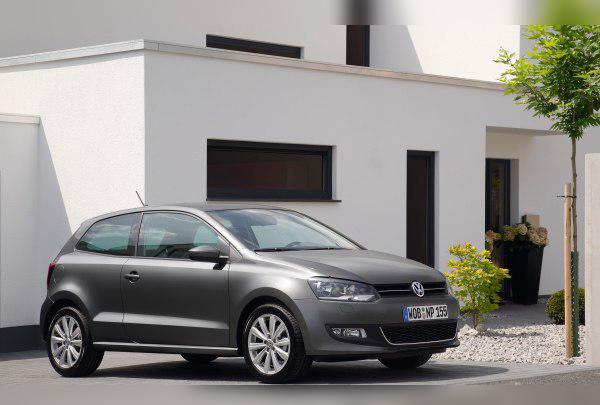
VW 1.6 BiFuel (EA111 / CNKA) – Experiences, issues, fuel consumption and buying tips
Key points (TL;DR):
- Factory LPG: This engine is designed to run on LPG, with reinforced valves and valve seats, which makes it extremely economical.
- Simple construction: No turbocharger, no dual-mass flywheel, no direct injection (it uses MPI). Cheap for regular maintenance.
- Timing chain: Uses a chain instead of a belt, but requires sound inspection during cold start.
- Performance: With 82 hp this is a "lazy" engine. It is not intended for short overtakes or for high cruising speeds.
- Specific issue: Known for possible piston "slap" in the cylinders while cold (similar to the related CFNA engine).
- Ideal for: City driving, taxi use and drivers who cover a lot of kilometers with minimal fuel costs.
Contents:
- Introduction and engine applications
- Technical specifications
- Reliability, maintenance and failures
- Specific parts and costs
- Fuel consumption and performance
- LPG, tuning and options
- Gearbox and drivetrain
- Used car buying guide and conclusion
Introduction: The last Mohican of simplicity
The engine with the code CNKA belongs to Volkswagen’s EA111 series, but unlike the infamous TSI engines from the same family, this is a naturally aspirated petrol engine with indirect injection. Specifically, this 1.6-liter unit is factory-adapted to run on liquefied petroleum gas (LPG). It is most commonly found in the Volkswagen Polo V (6R) models.
Its purpose is not speed, but the lowest possible cost per kilometer. This is an engine VW offered to markets and customers who wanted proven technology and resistance to poorer fuel quality, with the ecological and economic bonus of running on LPG straight from the showroom.
Technical specifications
| Engine displacement | 1598 cc (1.6 l) |
| Power | 60 kW (82 hp) at 4000–6000 rpm |
| Torque | 145 Nm at 3800 rpm |
| Engine code | CNKA (EA111 family) |
| Injection type | MPI (Multi-Point Injection) – Indirect |
| Aspiration | Naturally aspirated (No turbo) |
| Fuel | Petrol / LPG (BiFuel) |
| Number of cylinders / valves | 4 cylinders / 16 valves |
Reliability and maintenance
Timing belt or chain?
This engine (CNKA), like most 1.6 16v engines from the EA111 series in the Polo 6R, uses a timing chain for valve timing. Although in theory a chain should last "forever", in practice on this series it can stretch.
Symptoms: Metallic rattling noise on cold start that lasts a few seconds. If you hear constant rattling or a "diesel-like" sound when the engine is warm, the chain and tensioner need urgent replacement. A preventive chain inspection every 100,000 km is recommended, even though there is no fixed replacement interval.
Most common issues
Although generally reliable, the CNKA engine has a few specific weak points:
- Piston slap: This is the most serious potential issue of EA111 aluminum blocks (similar to the CFNA code). Due to the specific piston design and clearances, the piston skirt can slap against the cylinder wall while the engine is cold. If the noise disappears when the engine warms up, it can still be driven for a long time, but if it continues when hot – the engine is due for a full rebuild.
- Cracking exhaust manifold: A common problem. The manifold cracks between the runners, which sounds like a "blowing" noise or you may smell exhaust gases in the cabin. It is often replaced together with the catalytic converter because they are integrated.
- LPG injectors: The factory Landi Renzo injectors are high quality, but sensitive to dirty LPG. They can clog after 100,000–150,000 km, causing rough running on LPG and switching back to petrol.
- Ignition coils: As with any petrol engine, coils can fail, causing the engine to run on 3 cylinders and triggering the "Check Engine" light.
Service intervals and oil
Minor service: Recommended every 10,000 to 15,000 km or once a year. Given LPG operation (higher combustion temperatures), the 30,000 km "Long Life" interval is not advisable.
Oil quantity and type: The engine takes about 3.6 liters of oil. A 5W-40 grade (VW 502.00 standard) is recommended as it provides better protection at the higher temperatures LPG creates, although 5W-30 can also be used.
Oil consumption: These engines can consume oil, especially when driven on motorways at high revs. Consumption of 0.3 to 0.5 liters per 1,000 km is considered "within normal limits" by factory standards, although owners often see it as a red flag. Check the oil level regularly!
Spark plugs (Important for LPG!)
On BiFuel engines, spark plugs are a critical component. The LPG–air mixture is harder to ignite than petrol and puts more stress on the coils. Replacement interval: Standard plugs should be replaced every 30,000 km. If you use iridium or platinum plugs designed for LPG, they can last up to 60,000 km. Never wait for a plug to "fail" because it will usually take the coil with it.
Specific parts (Costs)
Dual-mass flywheel and clutch
Good news: This engine DOES NOT have a dual-mass flywheel. It uses a conventional solid flywheel. This means the clutch kit (pressure plate, disc, release bearing) is significantly cheaper to replace and falls into the "affordable" category (market-dependent).
Injection system and injectors
The engine uses conventional MPI (Multi-Point Injection) for petrol. Petrol injectors are very rarely an issue. However, factory LPG injectors are more expensive than universal aftermarket ones. If they fail, replacing them with original parts can be "expensive" (market-dependent), so some owners opt to convert to cheaper systems, which requires software changes.
Turbo, DPF, EGR, AdBlue
- Turbo: None. One less thing to worry about.
- DPF (Particulate filter): None (this is a petrol engine).
- AdBlue: None.
- EGR valve: It has one. It can get clogged from city driving and oil vapors, causing engine hesitation or a dashboard error. Cleaning is often a sufficient solution.
Fuel consumption and performance
City driving
Urban fuel consumption strongly depends on traffic, but you can realistically expect:
Petrol: 8 – 9 l/100 km.
LPG: 9 – 11 l/100 km.
Considering LPG prices, this is very economical driving.
Is the engine "lazy"?
Honestly – yes. With 145 Nm of torque available only at 3800 rpm, this engine needs to be "wrung out" and often downshifted to pull properly. In the Polo, which is not very heavy, this is acceptable for a single driver. However, with four people on board and the A/C on, hills become a challenge. Acceleration feels linear, but without any "kick in the back".
Behavior on the motorway
Cruising at 130 km/h is possible, but not pleasant. Due to the 5-speed gearbox with short ratios, at 130 km/h the engine spins at over 3800–4000 rpm. This results in more cabin noise and higher fuel consumption. Overtaking at these speeds requires patience and good judgement.
Additional options and modifications
Is it suitable for LPG?
This question is redundant because the CNKA engine is factory-built for LPG. The cylinder head has reinforced valve seats and valves themselves to withstand the higher combustion temperatures of LPG without additional lubricants ("valve saver" systems). This is the best possible setup for running on LPG.
Remapping (Stage 1)
On naturally aspirated engines without a turbo, remapping is basically a waste of money. You might gain 3 to 5 hp and a barely noticeable improvement in throttle response, but no real change in performance. It’s better to invest that money in quality tires or LPG system servicing.
Gearbox
Types of gearboxes
With this engine (1.6 BiFuel 82 hp) in the Polo, it was almost exclusively paired with a 5-speed manual gearbox.
Gearbox issues
Manual gearboxes (often marked 02T or similar) are precise and generally reliable.
Most common issue: Gearbox bearings can become noisy at higher mileages. The symptom is a whine that changes frequency with road speed.
Gearbox oil: Although VW often states the oil is "lifetime fill", it is strongly recommended to change the gearbox oil every 60,000 to 80,000 km to preserve bearings and synchros.
Used car buying guide and conclusion
What to check before buying?
- Cold start (Crucial!): Insist that the engine is completely cold. Listen for chain rattle or, more importantly, a deeper knocking from the engine block (pistons). If the knocking lasts more than a few seconds – walk away.
- Running on LPG: Check whether the engine switches smoothly from petrol to LPG. There should be no jerking, stalling or warning lights. Test drive it at full throttle on LPG.
- Diagnostics: Check the fuel trim values. If they are extremely positive or negative, the LPG system or petrol injectors are not working properly.
- Air conditioning: Turn on the A/C and check how much load it puts on the engine at idle. The revs must remain stable.
Final conclusion
VW Polo 1.6 BiFuel (CNKA) is a car of reason, not passion. It is intended for people who see a car as a tool to get from point A to point B with minimal cost.
If you don’t mind the lack of power for overtaking and somewhat higher noise on the motorway, you will get a robust "workhorse" which, thanks to the factory LPG system, protects your household budget. Avoid examples that have been used as delivery vehicles or taxis (which is common with this engine) unless they have impeccable service history.
Was this content useful to you?
Your opinion helps us to improve the quality of the content.