EA888 DKX Engine
- Engine
- 1984 cm3
- Aspiration
- Turbocharger, Intercooler
- Fuel
- Petrol (Gasoline)
- Fuel injection system
- Direct injection
- Power
- 220 hp
- Torque
- 350 Nm
- Cylinders
- 4
- Valves
- 16, 4 per cylinder
- Cylinders position
- Inline
- Oil capacity
- 5.7 l
- Systems
- Start & Stop System
# Vehicles powered by this engine



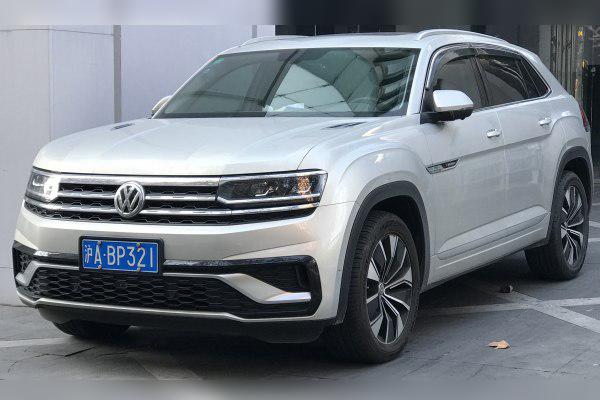
2.0 TSI EA888 DKX (220 hp) – Experiences, problems, fuel consumption and used-car buying tips
Key points (TL;DR)
- Timing drive: Uses a chain. The third generation of EA888 engines has solved most stretching issues, but caution is needed at higher mileage.
- Most common failure: Thermostat housing and water pump. The plastic cracks and causes coolant leaks.
- Performance: 220 hp is an optimal figure for heavy SUV models (Teramont/Atlas/Tavendor), but don’t expect sports-car performance due to the vehicle’s high weight.
- Fuel consumption: In a heavy body with 4WD, city consumption is high (often over 12 l/100 km).
- Maintenance: Requires strict oil changes at a maximum of 15,000 km and regular servicing of the DSG gearbox.
- Tuning potential: The engine is extremely suitable for Stage 1 remaps, but this increases stress on drivetrain components.
- Recommendation: An excellent choice for those who want the quietness and power of a petrol engine and don’t cover huge annual mileage.
Contents
- Introduction and engine applications
- Technical specifications
- Reliability and maintenance
- Specific components and injection system
- Fuel consumption and performance
- Additional options and LPG
- Gearbox and drivetrain
- Used-car buying tips and conclusion
Introduction: The heart of Volkswagen’s large SUV models
The EA888 DKX engine is a modern incarnation of Volkswagen’s well-known 2.0 TSI unit. This 162 kW (220 hp) version is specifically calibrated for larger vehicles, offering a balance between the torque needed to move a heavy body and the smoothness expected by premium SUV buyers. It is primarily installed in models such as the VW Teramont (Atlas) and Tavendor, vehicles that are significantly larger and heavier than the average European car. Although it shares DNA with engines from the Golf GTI, here the focus is on linear power delivery and reliability in the “heavyweight category”.
Technical specifications
| Engine displacement | 1984 cc (2.0 l) |
| Power | 162 kW (220 hp) |
| Torque | 350 Nm at 1500–4400 rpm |
| Engine code | DKX (DKXA, DKXB variants) |
| Fuel type | Petrol (unleaded) |
| Injection system | Direct injection (TSI/FSI) + multi-point (combined on some versions) |
| Induction | Turbocharger + intercooler |
| Emissions standard | Euro 6 (depending on market and model year) |
Reliability and maintenance: What to expect?
Timing system: Chain or belt?
The EA888 DKX engine uses a timing chain to drive the valves. Unlike older generations (Gen 1 and Gen 2), which were notorious for issues with tensioners and chain failures, this generation (Gen 3/3B) has a significantly improved system. The chain is robust and designed to last the life of the vehicle, but in practice it is recommended to check chain stretch via diagnostics or visually after 150,000 km. If you hear rattling on a cold start that lasts longer than 2–3 seconds, that’s a sign you need urgent service.
Most common failures and issues
Although the engine is generally reliable, owners most often encounter the following problems:
- Water pump and thermostat housing: This is the “Achilles’ heel” of EA888 engines. The housing is made of plastic that deforms over time due to heat cycles, which leads to coolant leaks. Symptoms include a dropping coolant level and a sweet smell of vapour under the bonnet.
- PCV valve (oil vapour separator): When the membrane in this valve tears, the engine starts consuming oil, idles roughly and you may hear a whistling sound. Crankcase pressure rises, which can blow out the crankshaft seals.
- Carbon buildup: Due to direct injection, fuel does not wash over the intake valves. Over time, carbon deposits accumulate, which can reduce power and increase fuel consumption. Mechanical cleaning (walnut shell blasting) is recommended at around 100,000–120,000 km.
Service intervals and oil
There is no “major service” in the classic sense (timing belt replacement) because the engine uses a chain. However, the auxiliary (serpentine) belt and tensioners should be replaced at around 100,000 to 120,000 km or based on condition.
Minor service: Although the manufacturer often recommends “Long Life” intervals of 30,000 km, for the longevity of this engine it is CRUCIAL to change the oil every 10,000 to a maximum of 15,000 km (or once a year). The engine takes approximately 5.7 litres of oil. The commonly recommended grade is 0W-20 (VW 508.00) for emissions reasons, but many experienced mechanics and owners switch to 5W-30 (VW 504.00) for better protection at high temperatures, especially in such heavy vehicles.
Oil consumption
This engine generation consumes significantly less oil than its notorious predecessors. Still, consumption of 0.5 to 0.8 litres per 10,000 km is considered completely normal and acceptable. If the engine uses a litre every 2,000 km, that points to an issue with the piston rings or the PCV valve.
Spark plugs and ignition system
On this turbo petrol engine, the spark plugs are under heavy thermal load. Replacement is recommended every 60,000 km. Use only iridium spark plugs recommended by the manufacturer (NGK or Bosch). Coils (ignition coils) are also wear items and can fail, which manifests as the engine running on 3 cylinders and the “Check Engine” light coming on.
Specific components and costs
Dual-mass flywheel
Yes, this engine combined with a DSG gearbox does have a dual-mass flywheel. Its purpose is to smooth out engine vibrations before they reach the gearbox. Its lifespan depends on driving style, but it usually lasts between 150,000 and 200,000 km. Replacement is expensive (falls into the “very expensive” category), because it is replaced as a complete unit and the part itself is large and complex.
Injection system and injectors
A high-pressure system is used (up to 200 bar or more). The injectors are generally reliable and rarely fail before 200,000 km, provided quality fuel is used. If a failure does occur, symptoms include fuel leaking into the cylinder (diluting the oil with petrol) or rough running. Replacement is expensive because the intake manifold has to be removed.
Turbocharger
The engine uses a single turbocharger (usually an IHI IS20 or similar, depending on the exact revision). The turbo is very durable and often outlasts the engine itself if the rules are followed: regular oil changes and letting the engine idle to cool down after spirited driving. It is not prone to premature failures like many diesels.
Emissions: GPF and EGR
Newer models (from around 2018/2019 onwards, depending on the market) are equipped with a GPF filter (Gasoline Particulate Filter), which is the petrol equivalent of a DPF. Unlike diesels, petrol engines reach higher exhaust gas temperatures, so the GPF regenerates much more easily and quickly, passively during driving. Blockages are extremely rare. EGR valves are present but are integrated and far less problematic than on diesels. This engine DOES NOT have an AdBlue system.
Fuel consumption and performance: The real picture
City driving
Expectations need to be realistic here. Models like the Tavendor and Teramont weigh over 2 tonnes and have all-wheel drive (4Motion). In city traffic, real-world consumption ranges from 12 to 15 litres per 100 km. In winter and on short trips it can be even higher.
Is the engine “lazy”?
With 350 Nm of torque available from as low as 1500 rpm, the engine is not lazy. The car pulls decisively and linearly. However, don’t expect explosiveness. The engine has to “fight” against the high mass and aerodynamic drag, so in-gear acceleration is solid but not sporty. For the average driver, there is more than enough power for overtaking and safe driving.
Motorway and cruising
This engine feels most at home on the motorway. Thanks to the 7-speed DSG gearbox, at 130 km/h it spins at around 2200–2400 rpm (depending on the final drive ratio). The drive is quiet and comfortable. Fuel consumption on the open road drops to a reasonable 8.5 to 10 litres per 100 km, depending on speed and wind.
Additional options and modifications
LPG conversion
This is an engine with direct injection. LPG conversion is possible, but it requires specific systems (so-called “liquid phase” or systems that also inject a small amount of petrol to cool the injectors). Installation is expensive (significantly more than standard systems) and the cost-effectiveness is questionable unless you cover very high mileage. Also, the tank takes up space, which can be an issue on 7-seater models.
Chip tuning (Stage 1)
EA888 engines are legendary for their tuning potential. A safe Stage 1 remap can raise power to around 290–310 hp and torque to 420–440 Nm. The engine can handle this without issues, but keep in mind that the higher torque further loads the gearbox and all-wheel-drive system, which are already under significant stress in such heavy vehicles.
Gearbox: DSG experience
Which gearbox is used?
With this engine in the mentioned models you exclusively get a 7-speed DSG automatic gearbox with dual clutch (usually code DQ381 or the more robust DQ500 for the heaviest models). Manual gearboxes are practically not offered in this class of vehicle with this engine.
Gearbox maintenance and failures
DSG gearboxes are fast and efficient, but they do require maintenance. The gearbox oil and filter must be changed every 60,000 km (on some newer versions 120,000 km, but earlier changes are recommended). If the oil is not changed, the solenoids in the mechatronics unit can fail.
Most common failures:
- Mechatronics: The “brain” of the gearbox. Failures manifest as jerks during shifting or the inability to engage a gear. Repairs are expensive.
- Clutches: As these are “wet” clutches (running in oil), they last a long time, but frequent stop‑and‑go driving with a heavy trailer or on steep inclines can shorten their lifespan.
- Dual-mass flywheel: As mentioned, when it’s worn out you’ll hear a metallic knocking at idle.
Buying used and conclusion
Before buying a used car with the EA888 DKX engine, make sure to check:
- Cold start: Listen for chain rattling that lasts longer than a few seconds.
- Coolant leaks: Look under the intake manifold for traces of pink/purple fluid (thermostat housing failure).
- Gearbox service history: Has the DSG been serviced on time? Without proof of gearbox servicing, the purchase is risky.
- Exhaust smoke: Bluish smoke when you press the throttle or after idling points to oil consumption (turbo or piston rings).
Conclusion: The 2.0 TSI (220 hp) engine is an excellent choice for drivers who want refinement, quietness and solid power in a large SUV and don’t drive more than 15,000–20,000 km per year. If fuel consumption is your primary concern, this engine is not for you. However, for family use, long trips and enjoying the drive, it offers a much better experience than noisier diesels, at the cost of somewhat higher fuel expenses.
Was this content useful to you?
Your opinion helps us to improve the quality of the content.