EA211 Engine
- Engine
- 1984 cm3
- Aspiration
- Turbocharger, Intercooler
- Fuel
- Petrol (Gasoline)
- Fuel injection system
- Direct injection
- Power
- 220 hp
- Torque
- 350 Nm
- Cylinders
- 4
- Valves
- 16, 4 per cylinder
- Cylinders position
- Inline
- Oil capacity
- 5.7 l
- Systems
- Particulate filter
# Vehicles powered by this engine
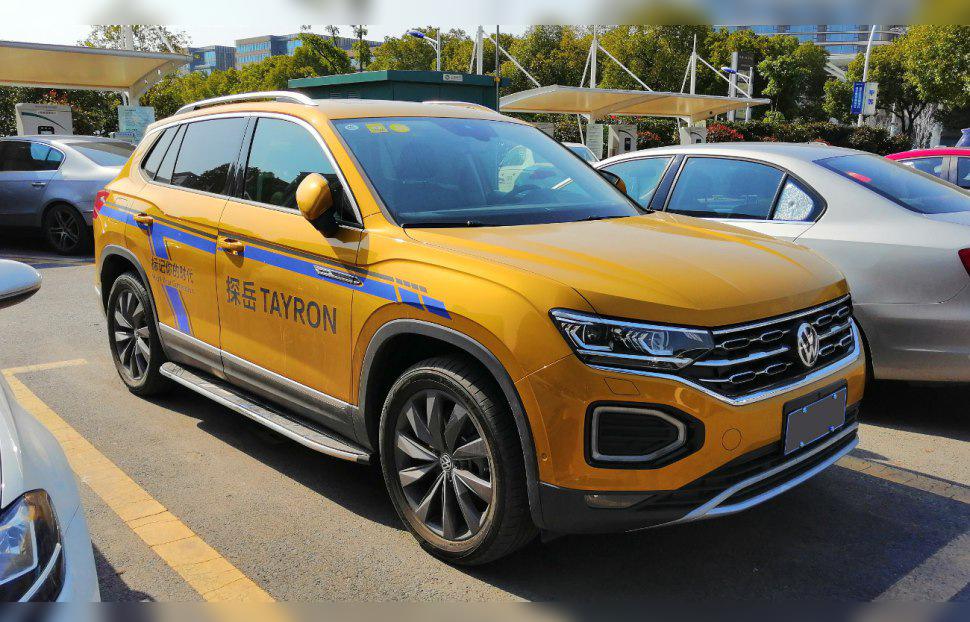
2.0 TSI (380 TSI) – Experiences, issues, fuel consumption and maintenance of the popular turbo petrol engine
The Volkswagen Tayron 380TSI, like many related SUV models from the group, is powered by an engine that on paper offers a perfect balance between performance and everyday usability. Although the technical documentation mentions the code EA211 (usually reserved for smaller engines from 1.0 to 1.5 litres), the specs of 1984 cc and 220 hp clearly indicate that this is the legendary “big brother” – an engine from the EA888 family (Gen 3B or Gen 4, depending on the production year). This is one of the most potent four‑cylinder engines on the market, but it comes with specific maintenance requirements.
Key points in short (TL;DR)
- Performance: With 220 hp and 350 Nm, this engine turns a heavy SUV into a very agile vehicle. It’s anything but sluggish.
- Timing: Uses a timing chain. Far more reliable than in older generations, but it requires high‑quality oil.
- Achilles’ heel: Thermostat module and water pump (coolant leaks) are the most common failures.
- Oil consumption: Significantly improved compared to older TSI engines, but still present with aggressive driving.
- Gearbox: Paired exclusively with a DSG gearbox (wet clutch) that requires regular oil changes.
- Recommendation: An excellent choice for those who want diesel‑like performance without the tractor sound, and are prepared for higher fuel consumption in city driving.
Contents
- Technical specifications
- Reliability and maintenance
- Specific parts and costs
- Fuel consumption and performance
- Additional options and modifications
- Gearbox
- Buying used and conclusion
Technical specifications
| Parameter | Data |
|---|---|
| Engine displacement | 1984 cc (2.0 L) |
| Power | 162 kW (220 hp) |
| Torque | 350 Nm at 1500–4400 rpm |
| Engine family | EA888 Gen 3/4 (often confused with EA211) |
| Injection type | Direct (TSI/FSI) + optional port injection (depending on market) |
| Induction | Turbocharger + intercooler |
Reliability and maintenance
Does this engine have a timing belt or a chain?
This 2.0 TSI engine uses a timing chain for valve timing. Unlike the notorious earlier generations (Gen 2 up to 2012), where chain failure was common, the system here is significantly improved. Still, the chain is not eternal. It’s recommended to check the condition of the chain and tensioner via diagnostics or visually (through the inspection port) after about 150,000 km. A stretched chain typically causes a metallic rattle on cold start that lasts a few seconds.
What are the most common failures on this engine?
Although robust, the engine has several weak points:
- Water pump and thermostat housing: This is the most common issue. The housing is plastic and over time cracks due to heat cycles, which leads to coolant loss. If you notice a sweet smell of vapour or a puddle under the car, this is suspect number one.
- Carbon buildup: Due to direct injection, the intake valves are not “washed” by fuel. Over time, carbon deposits accumulate, which can reduce power and cause rough running. Cleaning (walnut shell blasting) is sometimes necessary at higher mileage.
- PCV valve (oil separator): If it fails, it can cause increased oil consumption and leaks at the crankshaft seals due to excess crankcase pressure.
At what mileage is the major service due?
Since the engine has a chain, a classic “major service” (timing belt replacement) does not exist in that sense. However, replacement of the serpentine belt (auxiliary belt driving the alternator and A/C) and its tensioners is recommended at around 100,000–120,000 km or every 5–6 years. Chain replacement is done only if needed (rattle, stretch), there is no fixed interval, but you should expect this cost to possibly appear around 200,000 km.
How many litres of oil does this engine take and which grade is recommended?
The sump holds approximately 5.7 litres of oil (including the filter). This large quantity helps with cooling and oil longevity. The recommended grade is usually 5W-30 or 0W-20 (newer VW 508.00 / 509.00 long‑life standards). However, for better engine protection, especially if you drive harder, it’s advisable to change the oil every 10,000 to 15,000 km, not at 30,000 km as the factory allows.
Does it consume oil between services?
Yes, 2.0 TSI engines are known to “drink” a bit of oil, but it’s no longer as alarming as it once was. Consumption of 0.5 to 1 litre per 10,000 km is considered completely normal and acceptable. If consumption exceeds 1 litre per 2–3 thousand kilometres, this points to an issue with piston rings, the PCV valve or the turbo.
At what mileage should the spark plugs be replaced?
As this is a high‑performance turbo petrol engine, the spark plugs are exposed to high thermal loads. It’s recommended to replace them every 60,000 km. Use only iridium or platinum plugs recommended by the manufacturer (NGK or Bosch). If the engine is remapped, the interval should be reduced to 30,000 km.
Specific parts (costs)
Does the engine have a dual‑mass flywheel?
Yes, since this engine in the Tayron is paired with a DSG gearbox, it is equipped with a dual‑mass flywheel. Its purpose is to dampen engine vibrations before they reach the gearbox. Symptoms of failure include metallic knocking at idle that changes when the gearbox is put into “Drive” or “Reverse”, as well as shuddering when switching the engine off. Replacement is expensive (varies by market), but they usually last longer than on diesel engines.
What type of injection system does it have and are the injectors problematic?
The system is high‑pressure direct fuel injection (up to 200 bar or more). The injectors are generally reliable but sensitive to poor fuel quality. A faulty injector manifests as engine misfire, fuel leaking into a cylinder (which can wash away the oil film and damage the engine), or a “Check Engine” warning on the dash. Replacing a single injector is moderately expensive.
Does this engine have a turbocharger and what is its lifespan?
The engine uses a single turbocharger (usually an IHI IS20 or similar). Turbo lifespan is directly linked to driving style and regular oil changes. With proper maintenance, the turbo can easily last over 200,000 km. The most common issue is not the turbo itself, but the electronic actuator (wastegate), which can stick and cause loss of power.
Does this model have a DPF filter or EGR valve?
Being a petrol engine, it does not have a DPF (Diesel Particulate Filter). However, newer models (from 2018/2019 onwards, depending on the market) are equipped with a GPF (Gasoline Particulate Filter), also called OPF. It rarely clogs because exhaust gas temperatures on petrol engines are much higher, so passive regeneration occurs constantly. An EGR valve is present, but it gets far less dirty than on diesels.
Does this engine use AdBlue?
No. AdBlue is used exclusively on diesel engines to reduce NOx emissions. This petrol engine does not require any additional fluids besides fuel, oil and washer/coolant fluids.
Fuel consumption and performance
What is the real‑world fuel consumption in city driving?
Let’s be honest – 220 horsepower and the weight of an SUV with all‑wheel drive (4MOTION) require energy. In pure city driving, with stop‑and‑go traffic, you should expect consumption between 11 and 14 litres per 100 km. If you have a heavy right foot, that figure can easily go higher.
Is this engine “lazy” for the weight of the body?
Absolutely not. This is the “sweet spot” engine for the Tayron. With 350 Nm of torque available from as low as 1500 rpm, the car pulls decisively and linearly. Overtaking is safe and quick. It’s a much better choice than the weaker 1.4 or 1.5 TSI engines, which have to be “wrung out” to move such a vehicle.
How does the engine behave on the motorway and at what revs does it cruise at 130 km/h?
This is the natural habitat of this model. Thanks to the 7‑speed DSG gearbox, at 130 km/h the engine spins at a relatively low 2,200–2,400 rpm. The cabin is quiet, and fuel consumption on the open road drops to a reasonable 7.5 to 9 litres per 100 km, depending on terrain and load.
Additional options and modifications
Is this engine suitable for LPG conversion?
Honestly – it is not recommended, or is economically unjustified. Due to direct injection, sophisticated “Direct Injection” LPG systems are required, which are very expensive (often over 1000 EUR). Even with them, the engine must still use a certain percentage of petrol (around 15–20%) to cool the petrol injectors, so the savings are not as dramatic as with older engines. An alternative are liquid‑injection LPG systems, which are even more expensive.
How far can this engine be safely tuned (Stage 1)?
EA888 engines are favourites among tuners due to their huge potential. With just a software remap (Stage 1), power can safely be raised from 220 hp to 290–300 hp, and torque jumps to over 420 Nm. The engine can mechanically handle this without issues, but keep in mind that it will shorten the lifespan of the turbo and flywheel if you drive aggressively.
Gearbox
Which gearboxes are fitted?
With the 380TSI variant (220 hp, 4MOTION), the standard is a 7‑speed DSG dual‑clutch gearbox. It is most likely the DQ381 model or the more robust DQ500 (depending on the exact year and market). These are “wet” clutch gearboxes, meaning the clutch packs are immersed in oil.
Most common automatic (DSG) gearbox issues?
If properly maintained, this gearbox is reliable. Problems arise due to inadequate maintenance:
- Mechatronics: The brain of the gearbox. Electronic or valve failures within the mechatronic unit can cause harsh shifting or complete loss of drive. Repair is very expensive.
- Clutch packs: They wear out over time. Symptoms include slipping under acceleration or judder when moving off from a standstill.
At what mileage does the gearbox need servicing?
This is critical: The oil in the DSG gearbox (and the filter) MUST be changed every 60,000 km (on some newer DQ381 versions the interval is extended to 120,000 km, but experienced mechanics advise sticking to 60,000 km). Neglecting this service is a sure path to an expensive failure.
Buying used and conclusion
Before buying a used Tayron with this engine, make sure to do the following:
- Listen to a cold start: Chain rattle longer than 2–3 seconds is a red flag.
- Inspect the engine bay: Traces of white/pink residue around the water pump mean it’s time for replacement.
- Test the gearbox: The car should start moving as soon as you release the brake, without judder, and gear changes should be seamless.
Conclusion: The 2.0 TSI (380 TSI) in the VW Tayron is a fantastic powertrain for drivers who prioritise enjoyment over pure economy. It offers power, refinement and 4x4 traction that inspires confidence. Although maintenance is not cheap (especially if the water pump or DSG fails), the driving experience justifies the costs. This is an engine for long distances and comfortable family trips, not for stop‑and‑go city taxi duty.
Was this content useful to you?
Your opinion helps us to improve the quality of the content.