EA888 Engine
- Engine
- 1984 cm3
- Aspiration
- Turbocharger, Intercooler
- Fuel
- Petrol (Gasoline)
- Fuel injection system
- Direct injection and Multi-port manifold injection
- Power
- 186 hp @ 5000 rpm
- Torque
- 320 Nm
- Cylinders
- 4
- Valves
- 16, 4 per cylinder
- Cylinders position
- Inline
- Valvetrain
- DOHC
- Oil capacity
- 5.7 l
- Systems
- Start & Stop System, Particulate filter
# Vehicles powered by this engine
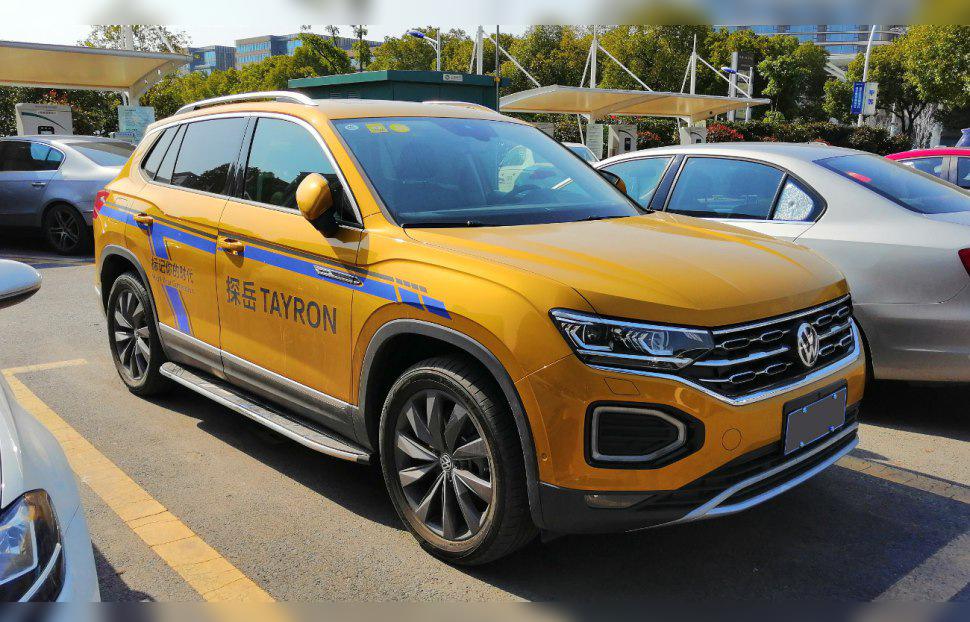
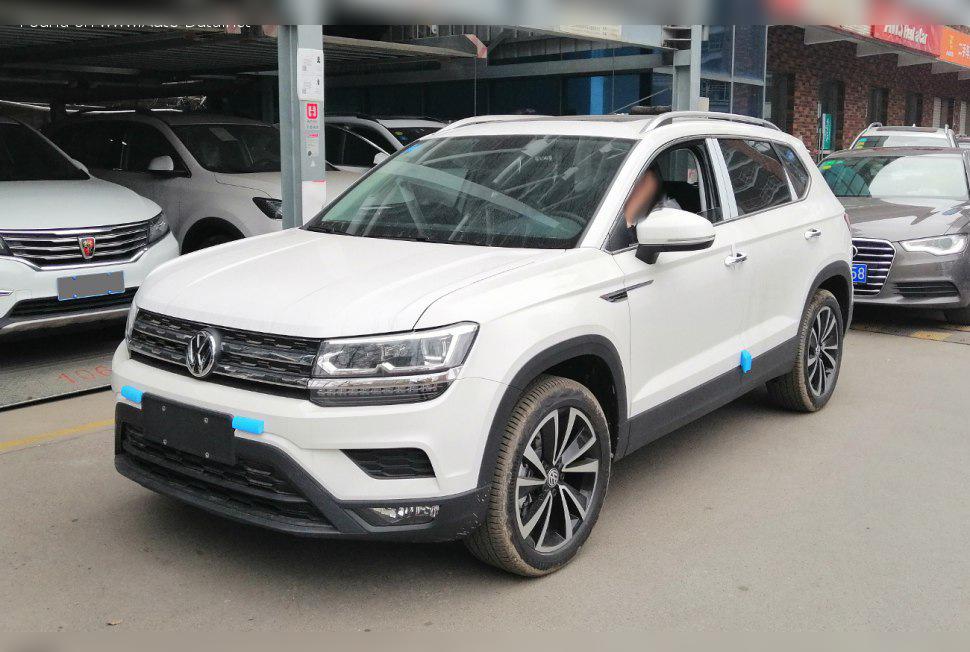
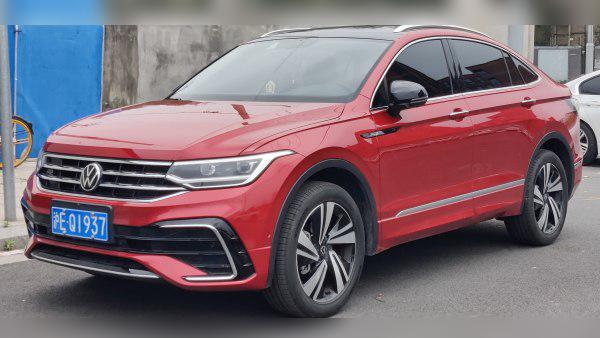
Key points (TL;DR)
- Engine: EA888 (Gen 3B/Gen 4) – modern version of the 2.0 TSI engine optimized for efficiency (Miller cycle).
- Reliability: Significantly better than older generations (oil consumption issue solved), but the water pump and thermostat housing are still weak points.
- Transmission: Usually comes with a wet-clutch DSG gearbox (DQ381/DQ500). Requires regular oil changes every 60,000–120,000 km.
- Fuel consumption: Surprisingly economical on the highway for this power level, but in the city expect 10+ liters.
- Maintenance: More expensive than average. Requires specific oil (often 0W-20) and high-quality fuel.
- Recommendation: Excellent balance of power and fuel consumption for SUV vehicles. If you want a sporty setup, look for the 220+ hp version; this one is more of a “cruiser”.
Contents
- Introduction: EA888 330TSI – The golden middle ground
- Technical specifications
- Reliability & Maintenance: Are the “childhood diseases” cured?
- Specific Parts and Costs
- Fuel Consumption and Real-World Performance
- Additional Options and Modifications (Tuning & LPG)
- Transmission: DSG and its quirks
- Buying Used and Conclusion
EA888 330TSI – The golden middle ground: Experience, issues, and buying used
The EA888 engine in its 186 hp (137 kW) variant is an interesting piece of engineering compromise. We often see it badged as 330 TSI on models such as the Volkswagen Tayron, Tharu and Tiguan X. This version is specific because it uses the so‑called “B‑cycle” (a modified Miller cycle) combustion process. What does that mean for you? Engineers sacrificed a bit of peak power at high revs in order to gain better efficiency and torque at low revs – exactly what you need to move heavier SUV bodies.
This engine is a direct successor to the older 2.0 TSI units, but it has undergone major changes to meet strict emission standards and to repair the damaged reputation of VW petrol engines from the past. It’s not a true sports engine, but it’s far from a “grandpa motor”.
Technical specifications
| Specification | Value |
|---|---|
| Displacement | 1984 cc (2.0 L) |
| Power | 137 kW (186 hp) at 4100–6000 rpm |
| Torque | 320 Nm at 1500–4000 rpm |
| Engine code (base) | EA888 Gen 3B / Gen 4 (often DPL, DKZ variants) |
| Injection type | Direct injection (TSI/FSI) – high pressure |
| Charging | Turbocharger + intercooler |
| Camshaft drive | Chain |
Reliability & Maintenance: Are the “childhood diseases” cured?
When someone mentions the 2.0 TSI, many remember the oil consumption problems from around 2010. Fortunately, this 186 hp version belongs to a newer generation where those issues have been drastically reduced, but the engine still requires meticulous maintenance.
Chain or belt?
This engine uses a timing chain for valve timing. In earlier EA888 generations, the chain tensioner was a disaster point. In this generation (Gen 3B and newer), the system has been significantly improved. The chain is designed to last the life of the engine, but in practice it’s recommended to check for chain stretch around 150,000 km or if you hear characteristic rattling on cold start. Chain replacement is not part of regular service, but it is an expensive preventive job if symptoms appear.
Most common failures
The Achilles’ heel of this engine is the thermostat module and water pump. The housing is made of plastic that eventually cracks due to heat cycles, which leads to coolant leaks. If you notice a sweet smell of coolant around the car or see the coolant level dropping, this is suspect number one. Another common issue is carbon buildup on the intake valves due to direct injection, which can cause rough idle after higher mileage.
Major and minor service
Since it has a chain, the classic “major service” (timing belt replacement) doesn’t exist in that form. However, the serpentine belt (driving the alternator and A/C) and its tensioners should be replaced at around 100,000–120,000 km. Oil and filters (minor service) must be changed every 15,000 km or one year at most. Factory extended intervals of 30,000 km (LongLife) are “death” for this engine in the long run, especially in city driving.
Oil: Capacity and consumption
The engine takes approximately 5.7 liters of oil. It is very important to use the specified grade. For these newer “B‑cycle” engines, VW often specifies very thin oil, 0W-20 (VW 508.00 spec), to save fuel. Do not pour thicker oil “on your own” without consulting a serious mechanic, because variable-flow oil pumps depend on the correct viscosity. Oil consumption? Yes, they do consume some, but not like before. Consumption of about 0.5 liters per 5,000 to 7,000 km is considered completely normal and acceptable. If it uses a liter per 1,000 km, you have a problem with piston rings or the PCV (oil separator) valve.
Spark plugs
This engine uses iridium or platinum spark plugs that should be replaced every 60,000 km. Don’t postpone replacement, because a bad plug can cause coil overheating (they are also sensitive) and damage to the catalytic converter.
Specific Parts and Costs
Dual-mass flywheel
Yes, this engine combined with the DSG gearbox does have a dual-mass flywheel. Its job is to absorb engine vibrations. Its lifespan is usually around 150,000–200,000 km, depending on driving style. Symptoms of failure include metallic knocking when switching the engine off or vibrations at idle. Replacement is expensive (depends on the market, but think in the “costly” category).
Injection and Turbo
The injection system is direct (TSI) with high pressure (up to 250 bar). Injectors are generally reliable but sensitive to poor fuel quality. The turbocharger (usually IHI or Continental) is single and very responsive. Turbo failures are rare before 200,000 km with regular oil changes. However, the actuator (the electronic part that controls the turbo) can fail earlier, which leads to loss of power.
Emissions: GPF and AdBlue
This is a petrol engine, so it DOES NOT use AdBlue – that’s reserved for diesels. However, newer models (Euro 6d‑TEMP and newer) have a GPF (Gasoline Particulate Filter), which is the petrol equivalent of a DPF. The good news is that GPF regenerates much more easily than a diesel DPF because petrol exhaust gases are hotter. Clogging is extremely rare unless the car is driven exclusively on very short trips of about 2 km in winter.
Fuel Consumption and Real-World Performance
Real-world fuel consumption
Don’t trust the official factory figures. This is a 2‑liter engine in a heavy SUV (Tayron/Tharu).
City driving: Expect between 10 and 12 l/100 km. In heavy traffic it can go up to 14 l.
Country roads: This is where the engine shines. Thanks to the Miller cycle, at 80–90 km/h it can use around 6–7 liters.
Motorway (130 km/h): Consumption is around 7.5–8.5 liters, with the engine spinning at a pleasantly low 2,200–2,400 rpm (in 7th gear).
Is the engine “lazy”?
With 320 Nm of torque available from just 1500 rpm, this engine is not lazy. 0–100 km/h is usually under 9 seconds, which is perfectly adequate for a family SUV. The driving feel is that the car always has enough power without needing to be “wrung out” to the redline. For the average driver, this is a better option than the 1.4 or 1.5 TSI engines.
Additional Options and Modifications
LPG
Installing LPG on this engine is complicated and expensive. Due to direct injection, you need a special system (either liquid phase or a system that still uses some petrol to cool the injectors). The price of a quality kit often exceeds 1000–1200 EUR. Given the complexity and potential issues, it only pays off if you cover very high mileage (over 30–40k km per year).
Chiptuning (Stage 1)
This engine is “software‑detuned”. Hardware-wise it is very similar to more powerful versions. That makes it an ideal candidate for remapping. A safe Stage 1 can raise power to 220–230 hp and torque to 400+ Nm. However, keep in mind that this additionally stresses the turbo and gearbox, and you automatically lose warranty.
Transmission: DSG as standard
With this engine in the mentioned models (Tayron, Tharu, Tiguan X) you almost exclusively get a 7‑speed DSG automatic gearbox (usually the DQ381, or DQ500 in older/heavier versions).
- Type: These are wet‑clutch gearboxes. That’s crucial! They are much more reliable and durable than the notorious “dry” DSG units (DQ200) used in lower‑powered models.
- Maintenance: Gearbox oil and filter must be changed every 60,000 km (some say 120,000 km for DQ381, but shorten it to 60k for peace of mind). Gearbox service is not cheap.
- Failures: The most common failure is the mechatronics unit (the “brain” of the gearbox), which can fail if the oil is not changed, or clutch pack wear after high mileage (over 200,000 km).
Buying Used and Conclusion
When buying a used car with this engine, pay attention to the following:
- Cold start: The engine should run smoothly immediately after starting. Rattling for more than 2–3 seconds points to a chain issue.
- Coolant leaks: Check the engine bay. If you see dried white or pink traces around the thermostat (on the right side of the engine when viewed from the front), prepare money for a new water pump.
- Gearbox service history: If the DSG hasn’t been serviced on time, walk away from that car.
Conclusion: The 2.0 TSI (186 hp) is probably the best all‑round engine for VW SUV models. It offers much better performance than the 1.5 TSI engines without being drastically thirstier. If you change the oil regularly and sort out any potential coolant leaks, this engine can serve you for hundreds of thousands of kilometers with a high level of comfort.
Was this content useful to you?
Your opinion helps us to improve the quality of the content.