DPBE Engine
- Engine
- 1498 cm3
- Aspiration
- Turbocharger, Intercooler
- Fuel
- Petrol (Gasoline)
- Fuel injection system
- Direct injection
- Power
- 130 hp
- Torque
- 220 Nm
- Cylinders
- 4
- Valves
- 16, 4 per cylinder
- Cylinders position
- Inline
- Oil capacity
- 4.3 l
- Systems
- Start & Stop System, Cylinder deactivation system, Particulate filter
# Vehicles powered by this engine
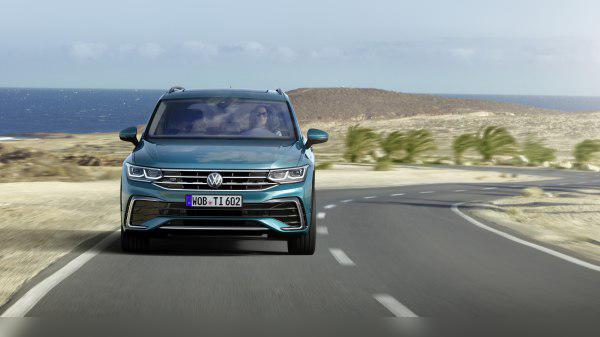
1.5 TSI (DPBE) Experiences, Issues, Fuel Consumption and Maintenance – Complete Guide
Key points in short (TL;DR)
- Modern "Evo" engine: DPBE is an advanced version of the EA211 family, using the Miller cycle and a VTG turbocharger for maximum efficiency.
- ACT technology: The Active Cylinder Technology system shuts down two cylinders to save fuel, but adds complexity.
- Timing belt: Unlike the infamous older chain-driven TSI engines, this one uses a more reliable belt.
- "Kangaroo" problem: Early models suffered from jerking when setting off (cold engine), which is solved by a software update.
- Performance in the Tiguan: 130 hp is the "lower limit" for a heavy SUV like the Tiguan. Excellent for cruising, lazy for overtaking.
- Emissions: Equipped with a GPF (OPF) filter that requires occasional driving on open roads.
Contents
- Technical specifications
- Reliability and Maintenance
- Specific Parts and Costs
- Fuel Consumption and Performance
- Additional Options (LPG/Tuning)
- Gearbox and Drivetrain
- Buying Tips and Conclusion
Introduction: DPBE in the Volkswagen Tiguan
The DPBE engine is the heart of the entry-level models of the second-generation (facelift) Volkswagen Tiguan. It is a 1.5‑liter TSI "Evo" unit delivering 130 horsepower. Its primary purpose is not sporty driving, but a balance between strict emission standards and everyday usability. Unlike the more powerful 150 hp version, this engine uses a specific combustion process and a variable-geometry turbocharger, which is rare in petrol engines. Is this "high-tech" approach a recipe for disaster or the perfect choice for a family SUV?
Technical specifications
| Characteristic | Value |
|---|---|
| Engine code | DPBE (EA211 Evo family) |
| Displacement | 1498 cc (1.5 L) |
| Power | 96 kW / 130 hp |
| Torque | 220 Nm at 1750–3500 rpm |
| Injection type | Direct injection (TSI) |
| Charging system | VTG turbocharger + intercooler |
| Cylinder layout | R4 (inline 4-cylinder) with ACT system |
| Camshaft drive | Timing belt |
Reliability and Maintenance
Timing belt or chain?
Good news for those who remember the horror stories about the old 1.4 TSI engines: the DPBE engine uses a timing belt. This system has proven to be much more reliable and quieter. Although Volkswagen often states that the belt is designed for very long intervals (sometimes up to 210,000 km or "lifetime" with inspections), as an experienced technical editor I advise you not to take that risk.
Recommended major service: Ideally, the timing belt kit and water pump (part of the engine cooling system, but replaced preventively) should be changed at around 150,000 to 180,000 km or after 7–8 years of age, whichever comes first.
Most common faults and issues
Although generally reliable, the 1.5 TSI Evo has its quirks:
- "Kangaroo effect" (jerking on cold start): This is the most well-known issue. When setting off in first gear with a cold engine, the car may jerk unpleasantly. The cause is software calibration aimed at warming up the engine quickly for emissions reasons. The solution is usually a software update at an authorized service center.
- Oil consumption: Like most modern turbo petrol engines, it can consume oil, especially if driven aggressively on the motorway. The manufacturer considers up to 0.5 liters per 1,000 km "normal", but in practice a healthy engine should not need more than 1 liter between services.
- Carbon buildup: Due to direct injection, fuel does not wash the intake valves. Over time, soot builds up, which can cause rough running. High-quality fuel and occasional "spirited" driving help.
Minor service and engine oil
This engine holds approximately 4.3 liters of oil. For these new engines, Volkswagen strictly recommends low-viscosity oils, most commonly 0W-20 (VW 508.00 / 509.00 standard), optimized to reduce friction and fuel consumption. Do not experiment with thicker oils without consulting a specialist, as the oil passages and turbocharger are designed for this grade.
Spark plugs
As this is a petrol engine, spark plugs are a consumable item. Replacement is recommended every 60,000 km or 4 years. Do not skimp on spark plugs; use iridium or platinum plugs according to factory specification, as a poor spark directly affects the ignition coils and catalytic converter.
Specific Parts (Costs)
Dual-mass flywheel
Yes, this engine has a dual-mass flywheel. Although it is a petrol engine, due to 2-cylinder operation (ACT mode) and the need for smooth running at low revs, a dual-mass flywheel is necessary to neutralize vibrations. Its lifespan is usually longer than on diesels, often exceeding 150,000–200,000 km, but when it fails, replacement is expensive (depends on the market).
Fuel injection system and injectors
It uses a high-pressure direct injection system (up to 350 bar). The injectors are precise and generally durable, but sensitive to poor fuel quality. A faulty injector manifests as rough running, misfiring or a Check Engine light. Replacing a single injector is a costly job.
Turbocharger
The 130 hp (DPBE) version is specific because it uses a VTG turbo (Variable Turbine Geometry). This technology has for decades been reserved for diesels (and Porsche petrol engines). It allows the engine to be efficient at both low and high revs. However, a VTG turbo is significantly more complex and more expensive to overhaul or replace than a conventional turbo. With regular oil changes its service life is long, but if it fails, be prepared for a very high expense.
DPF (GPF), EGR and AdBlue
- GPF/OPF: Yes, this engine has a gasoline particulate filter (GPF). It works similarly to a DPF on diesels, but regenerates more easily (due to the higher exhaust gas temperatures of petrol engines). Still, frequent city driving can lead to clogging.
- AdBlue: No, this is a petrol engine, it does not have an AdBlue system.
- EGR: There is an exhaust gas recirculation system, but on petrol engines it causes fewer soot-related problems than on diesels.
Fuel Consumption and Performance
Real-world fuel consumption
Thanks to the Miller cycle and cylinder deactivation, the DPBE is one of the most economical petrol engines in its class, but the Tiguan is a heavy car with poor aerodynamics (SUV).
- City driving: Expect between 7.5 and 9.0 l/100 km. In heavy traffic it can go up to 10 liters, but the Stop/Start system helps a bit.
- Country roads: This is where it shines. Consumption can drop to 5.5–6.5 l/100 km.
- Motorway (130 km/h): Consumption is around 7.0–8.0 l/100 km. At this speed the engine runs at pleasantly low revs (around 2200–2400 rpm in top gear).
Performance: Is it "lazy"?
To be realistic: 130 hp and 220 Nm in a Tiguan weighing around 1.5 tons empty is not a recipe for racing. The engine is not sluggish for normal driving in town and for cruising. The turbo spools up early and the car feels lively at the traffic lights.
However, if you plan overtaking uphill with a fully loaded car, you will feel the lack of power. You need to be patient and use the gearbox. If you often tow a trailer or drive with a full load, the 2.0 TDI or 2.0 TSI are better choices.
Additional Options and Modifications
LPG conversion
Is it possible? Technically yes. Is it worth it? Probably not. Due to direct injection, an expensive system is required (liquid phase or a system that uses both petrol and LPG to cool the injectors). The installation cost is very high (over 1000 EUR, depending on the market), and the savings are questionable unless you cover very high mileages.
Chip tuning (Stage 1)
The engine can be remapped, but with caution. Stage 1 maps usually raise power to around 150–160 hp and torque to 260–280 Nm. However, keep in mind that the VTG turbo is sensitive and the engine is factory-optimized for efficiency (Miller cycle), not performance. You risk shortening the lifespan of the turbo and clutch.
Gearbox
Gearbox options
In the Tiguan, this engine usually comes with:
- 6-speed manual gearbox: Precise and easy to operate.
- 7-speed DSG (DQ200): Dual-clutch automatic gearbox.
Gearbox issues and maintenance
- Manual gearbox: Very reliable. No specific issues apart from normal clutch wear. An oil change in the gearbox is not specified, but is recommended every 100,000 km.
- DSG (DQ200): This is a gearbox with "dry" clutches. Older versions were problematic (mechatronics), but by the 2020 model year (facelift) they were significantly improved. Nevertheless, city stop‑and‑go driving wears the clutch plates faster. Symptoms of failure include jerking when setting off or delays when changing gears.
- DSG maintenance: On DQ200 models there is no regular oil change for the clutches (as they are dry); only the oil in the gear mechanism and mechatronics is changed as needed or as recommended by the service center (often during major service).
Used Car Buying Tips and Conclusion
Before buying a Tiguan with the DPBE engine, pay attention to the following:
- Cold start: Insist on starting the car with a completely cold engine. Listen for any rattling (even though it has a belt, the cam phasers can be heard) and check whether the car jerks when setting off for the first time.
- Service history: Check whether the spark plug service has been done and whether the correct 0W-20 oil has been used.
- ACT system: While driving, when the display shows "2‑Cylinder Mode" or "Eco", there should be no strong vibrations or unusual noise.
Final verdict
The VW Tiguan 1.5 TSI (130 hp) is a rational choice for moderate drivers. It offers modern technology, low fuel consumption and cheaper registration than a diesel. It is ideal as a second family car or for those who spend most of their time in the city and on country roads. If you are looking for a "workhorse" for towing or frequent high‑speed motorway trips, look for a 2.0 TDI.
Was this content useful to you?
Your opinion helps us to improve the quality of the content.