DGDA Engine
- Engine
- 1598 cm3
- Aspiration
- Turbocharger, Intercooler
- Fuel
- Diesel
- Fuel injection system
- Diesel Commonrail
- Power
- 115 hp @ 3250-4000 rpm
- Torque
- 250 Nm @ 1500-3250 rpm
- Cylinders
- 4
- Valves
- 16, 4 per cylinder
- Cylinders position
- Inline
- Oil capacity
- 4.7 l
- Systems
- Particulate filter
# Vehicles powered by this engine
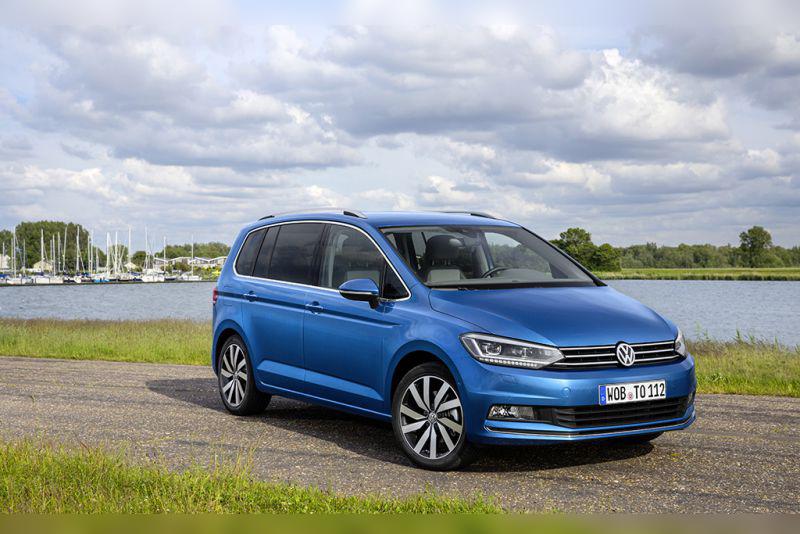
Volkswagen 1.6 TDI (DGDA) – Experiences, Problems, Fuel Consumption and Maintenance
Key points (TL;DR)
- New-generation engine: DGDA belongs to the EA288 series, which means it is much more refined than the old 1.6 TDI engines, but also more complex due to emissions systems.
- AdBlue system: As a Euro 6 engine, it uses AdBlue fluid. The system (heater, pump, injector) is a common failure point and expensive to repair.
- Water pump: A well-known “weak spot”. The electronically controlled variable water pump can seize and cause overheating.
- Adequate, but not fast: With 115 hp in the heavy Touran, this is an engine for calm drivers. Overtaking requires planning.
- DSG gearbox: Often paired with a 7-speed DSG gearbox (dry clutch) that requires careful inspection when buying used.
- Fuel consumption: Extremely economical on the open road, but in the city the vehicle’s weight raises the average.
- Recommendation: Ideal for families who drive longer distances, less ideal for short city trips due to the DPF.
Contents
- Introduction and applications
- Technical specifications
- Reliability, Maintenance and Failures
- Specific Components and Emissions (AdBlue, DPF)
- Fuel Consumption and Performance
- Tuning and Modifications
- Gearbox (Manual vs DSG)
- Buying Advice and Conclusion
Introduction and applications
The engine with the code DGDA is a representative of modern diesel technology from the Volkswagen Group. It is a 1.6‑liter TDI unit that develops 115 hp (85 kW). It was primarily installed in the Volkswagen Touran II (from 2015 onwards), where it served as an entry-level, economical option for family buyers.
Unlike the older 1.6 TDI engines (EA189 series) that were part of the “Dieselgate” scandal, the DGDA belongs to the EA288 series. This means it has a different construction, a water-cooled intercooler integrated into the intake manifold, and a sophisticated exhaust aftertreatment system to meet strict Euro 6 standards. Although the primary purpose of this engine is fuel efficiency, in the heavy MPV body of vehicles like the Touran it is exposed to significant load.
Technical specifications
| Parameter | Value |
| Engine displacement | 1598 cc (1.6 L) |
| Power | 85 kW (115 hp) at 3250–4000 rpm |
| Torque | 250 Nm at 1500–3250 rpm |
| Engine code | DGDA (EA288 family) |
| Injection system | Common Rail (up to 2000 bar) |
| Charging type | Variable-geometry turbocharger + intercooler |
| Emissions standard | Euro 6 (with AdBlue system) |
Reliability and Maintenance
Timing belt or chain?
The DGDA engine uses a timing belt to drive the camshafts. This is good news because the system is quieter and generally more predictable than a chain. However, it should be noted that there is also a small belt that drives the oil pump (the so‑called “wet belt” because it runs in oil). It is usually replaced when a major overhaul is done or if a problem occurs, but it is not part of the standard major service like the main belt.
Major and minor service
The factory recommendation for timing belt replacement is often optimistic (up to 210,000 km for some markets). However, experienced mechanics recommend replacement at 150,000–160,000 km or every 5 to 6 years, whichever comes first. The risk of belt failure and engine damage is not worth waiting for the factory limit.
Minor service (oil and filters): Although the manufacturer allows “Long Life” intervals of 30,000 km, that is a death sentence for this engine, especially in city driving. The recommendation is a strict oil change every 10,000–15,000 km at most.
Oil: quantity and consumption
The sump holds approximately 4.7 liters of oil. You must use 5W‑30 or 0W‑30 oil that meets the strict VW 507.00 specification (because of the DPF filter).
As for oil consumption, EA288 engines have proven to be good. Consumption of up to 0.5 liters per 10,000 km is acceptable. If it consumes more than that, it usually indicates a problem with the turbocharger or piston rings, but that is not a systemic fault of this model, rather a consequence of poor maintenance.
Most common failures
In addition to standard diesel issues, the DGDA has several specific weak points:
- Water pump: This is the most common problem. The pump has a movable “ring” that regulates coolant flow so the engine warms up faster. That ring can get stuck in the closed position, which leads to engine overheating. Symptom: coolant temperature rises above 90°C under load.
- Coolant leaks: Often from the thermostat housing or the water pump itself.
- Injectors: Although the Bosch solenoid injectors on this model are more durable than the older Siemens piezo injectors, they are sensitive to poor fuel quality. They can last 200,000+ km with good fuel, but refurbishment is expensive. Symptoms of bad injectors include rough idle (“knocking”) and increased smoke.
Specific Components (Costs)
Dual-mass flywheel
Yes, this engine has a dual-mass flywheel (DMF). Considering that the Touran is not a light car and the engine has 250 Nm of torque, the flywheel is under stress, especially when starting uphill. Its lifespan is usually between 150,000 and 200,000 km, depending on driving style. Symptoms of wear are metallic noises (rattling) when starting/stopping the engine and vibrations in the clutch pedal.
Turbocharger
The engine uses a single variable-geometry turbocharger (VGT). Its service life is long if oil change intervals are respected and the engine is not switched off immediately after hard driving on the motorway. It is not prone to premature failure like some older 1.9 TDI turbos.
Emissions: DPF, EGR and AdBlue
This is the section where owners most often have headaches:
- DPF and EGR: They are integrated into a single compact module close to the engine for faster warm‑up. This is good for efficiency, but if the EGR valve fails (which happens due to soot build‑up), replacement is complicated and expensive (labor hours). DPF clogging is inevitable if the car is driven exclusively in the city.
- AdBlue (SCR) system: The DGDA is a Euro 6 engine and uses AdBlue. This is a frequent source of problems. The heater in the AdBlue tank, as well as the pump and the urea dosing injector, often fail. Repair usually involves replacing entire modules, which is very expensive (varies by market). The symptom is the “Check Engine” light and a warning about the engine not being able to start after XXX kilometers.
Fuel Consumption and Performance
Is the engine “sluggish”?
Let’s be honest – the Touran is a heavy family car (over 1500 kg empty). With 115 hp, it is no athlete. In city driving and on country roads it is perfectly adequate and feels reasonably lively thanks to the 250 Nm of torque available from just 1500 rpm. However, when you load the car with five passengers and luggage, you will feel the lack of power on inclines and when overtaking on the motorway. You will need to use the gearbox more often.
Real-world fuel consumption
- City driving: Expect between 6.5 and 8.0 l/100 km. The heavy body takes its toll in stop‑and‑go traffic.
- Open road (country roads): This is where the engine shines and can use around 4.5 to 5.0 l/100 km.
- Motorway (130 km/h): Consumption is around 5.5 to 6.5 l/100 km. At 130 km/h in top gear the engine runs at a comfortable 2200–2400 rpm (depending on the gearbox), which ensures quiet cruising.
Additional Options and Modifications
Chip tuning (Stage 1)
This engine has some power reserve. With a “Stage 1” remap, power can be safely raised to about 135–140 hp and torque to around 300 Nm.
Warning: If you have a manual gearbox, the clutch will wear out faster. If you have a DSG (DQ200), be very careful because that gearbox is factory‑rated for 250 Nm, so increasing torque can drastically shorten its lifespan.
Gearbox
Manual and automatic (DSG)
With the DGDA engine in the Touran there are two options:
- 6‑speed manual gearbox: Precise, robust and reliable. Maintenance comes down to replacing the clutch kit and flywheel when they wear out. It is advisable to change the gearbox oil at around 150,000 km, even though the manufacturer claims it is “lifetime”.
- 7‑speed DSG (DQ200): This is a gearbox with a dry clutch. It is designed for lower torque outputs.
DSG gearbox problems
The DQ200 is known for several issues. The most common is clutch pack wear in city driving (stop‑and‑go traffic overheats it). Another problem is the mechatronics unit, whose failure can be very expensive (varies by market). Symptoms include jerking when setting off, hesitation when changing gears, or metallic noises.
Gearbox service: For the DQ200, the manufacturer often states it is maintenance‑free, but specialist workshops recommend changing the oil in the mechatronics and gearbox section every 60,000–80,000 km to extend its life.
Buying Used and Conclusion
What to check before buying?
- Cold start: Listen for rattling (flywheel) and check whether the engine runs smoothly immediately after starting (injectors).
- Coolant: Open the expansion tank (when the engine is cold!). The coolant should be clean and pink (G13). If it is brown, the “silica bag” in the tank may have ruptured and clogged the system (a common issue on VWs of these years).
- Diagnostics: Be sure to check the DPF status (ash load) and the functionality of the AdBlue system. Check injector correction values.
- Water pump: Ask if it has been replaced. If the car has over 150,000 km and the major service has not been done – that will be due immediately.
Conclusion
The 1.6 TDI (DGDA) engine in the VW Touran is a rational choice. It is not exciting, but it is very competent for transporting a family from point A to point B with minimal fuel consumption. If you cover many kilometers on the open road, this is an excellent engine.
However, if you spend most of your time in the city or plan to tow frequently and drive fully loaded, the more powerful 2.0 TDI is a better, more durable and less stressed option, despite the higher registration costs. Be prepared for potential expenses related to the AdBlue system and the water pump, as these are the costs of modern emissions technology.
Was this content useful to you?
Your opinion helps us to improve the quality of the content.