CRKB Engine
- Engine
- 1598 cm3
- Aspiration
- Turbocharger, Intercooler
- Fuel
- Diesel
- Fuel injection system
- Diesel Commonrail
- Power
- 110 hp
- Torque
- 250 Nm
- Cylinders
- 4
- Valves
- 16, 4 per cylinder
- Cylinders position
- Inline
- Oil capacity
- 4.7 l
- Systems
- Particulate filter
# Vehicles powered by this engine
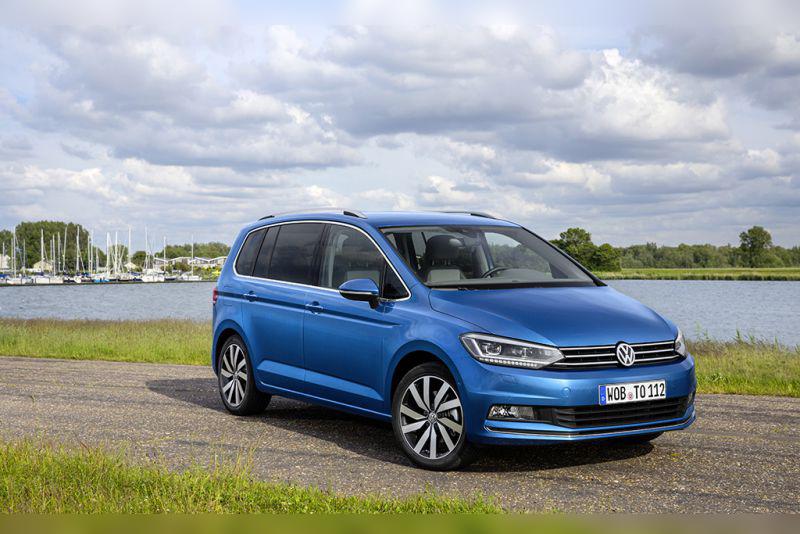
1.6 TDI CRKB (110 HP) – Experiences, problems, fuel consumption and used car buying guide
Key points (TL;DR)
- Economy: Extremely low fuel consumption, even in a heavier body like the VW Touran.
- Reliability: The engine core (block, head) is very durable, but auxiliary components can be troublesome.
- Water pump: The Achilles' heel of this engine. It often seizes before the timing belt service interval and causes overheating.
- AdBlue system: As a Euro 6 engine, it has an SCR system prone to heater and pump failures.
- Performance: With 110 HP it is "on the edge" for the Touran. Excellent for cruising, sluggish for overtaking under load.
- Gearbox: The DSG version (DQ200) requires caution when buying due to its "dry" clutches.
- Recommendation: Ideal for drivers who cover a lot of highway mileage and want low fuel costs.
Contents
- Introduction and applications
- Technical specifications
- Reliability and maintenance
- Specific parts and costs
- Fuel consumption and performance
- Gearbox (manual and DSG)
- Additional options and tuning
- Used car buying tips and conclusion
Introduction and applications
The engine with the code CRKB belongs to the EA288 family of Volkswagen diesel engines. This is the modern generation that replaced the famous (and infamous due to Dieselgate) EA189 engines. Specifically, the CRKB is a 1.6‑liter unit that delivers 81 kW (110 HP) and represents the "golden middle" in the small diesel range. It is installed in VW Group cars on the MQB platform, and in the context of your question, we will focus on its use in the second‑generation Volkswagen Touran.
Why is this engine important? Because it is the entry‑level diesel option for a family MPV. Many choose it because of its low fuel consumption and cheaper registration compared to the 2.0 TDI, but the question often arises: is 1.6 liters enough for a vehicle that, with passengers and luggage, weighs almost two tons?
Technical specifications
| Specification | Data |
|---|---|
| Engine code | CRKB (EA288 family) |
| Displacement | 1598 cc |
| Power | 81 kW (110 HP) at 3200–4000 rpm |
| Torque | 250 Nm at 1500–3000 rpm |
| Injection type | Common Rail (direct injection) |
| Charging | Variable‑geometry turbocharger + intercooler |
| Emission standard | Euro 6 (with DPF and AdBlue system) |
Reliability and maintenance
Timing belt or chain?
The CRKB engine uses a timing belt. This is good news because the system is quieter and generally more predictable than a chain. The factory replacement interval is optimistically set at 210,000 km, but workshop experience suggests caution.
Recommendation: Do the major service (belt, tensioner and water pump replacement) at the latest at 160,000 to 180,000 km or after 5 to 7 years of age, whichever comes first.
Most common failures and the "Achilles' heel"
The biggest enemy of this engine is the variable water pump. It has a movable ring (shroud) that regulates coolant flow so the engine warms up faster. That ring often gets stuck in the closed position, which leads to engine overheating even at low mileage (sometimes before 100,000 km).
Symptoms: The temperature gauge jumps above 90°C under load and drops when you lift off the throttle, or you lose cabin heating. This requires immediate pump replacement (and the complete timing kit while you are already in there).
Another common issue is oil leaks at the crankshaft seal or valve cover, which is more of a cosmetic problem until it turns into a serious leak.
Oil and oil consumption
This engine takes approximately 4.6 to 4.7 liters of oil. You must use 5W‑30 oil with the VW 507.00 specification (Low SAPS because of the DPF filter).
Does it burn oil? EA288 engines are much better in this regard than the older PD engines. Oil consumption between services is usually negligible (up to 0.5 liters per 10,000 km). If the engine consumes more than 0.5–1 liter per 10,000 km, this may indicate a problem with the turbocharger or, less commonly, the piston rings.
Injectors
The CRKB uses solenoid injectors (usually Bosch or Delphi), which have proven to be more durable and cheaper to refurbish than the piezo injectors used in some other variants. The average lifespan is over 200,000–250,000 km with good‑quality fuel. Symptoms of bad injectors include rough idle ("knocking") and increased smoke at startup.
Specific parts (costs)
Dual‑mass flywheel
Yes, this engine has a dual‑mass flywheel. Although the power is relatively modest (110 HP), the 250 Nm of torque and the heavy Touran body require a dual‑mass flywheel to dampen vibrations. With the DSG gearbox it is mandatory and standard, and it is also fitted to manual Tourans.
Failure symptoms: Metallic "clack‑clack" noise when switching the engine off or vibrations in the clutch pedal. Replacement cost is high (depends on the market).
Turbocharger
The engine has a single turbocharger with variable geometry. It is not particularly failure‑prone if the oil is changed regularly (every 10–15k km, not at the factory‑stated 30k). With proper maintenance its lifespan is usually equal to that of the engine.
DPF, EGR and AdBlue
This is a Euro 6 engine, which means the emissions system is complex:
- EGR valve: Prone to soot build‑up, especially if the car is driven mostly in city traffic (stop‑and‑go). Cleaning is possible, but replacement is often required.
- DPF filter: Located close to the engine for faster warm‑up. Passive regeneration works well, but frequent interruption of active regeneration can lead to clogging.
- AdBlue (SCR): Yes, the second‑generation Touran with this engine has an AdBlue system. This is a common source of problems. The heater in the AdBlue tank or the pump often fail. Repair usually means replacing the entire tank module, which is very expensive (market‑dependent). If the system fails, the car will refuse to start after a certain number of kilometers.
Fuel consumption and performance
City driving and "sluggishness"
In the heavy Touran, the 1.6 TDI has to work hard.
Real‑world city consumption: Expect between 6.5 and 7.5 l/100 km. In heavy traffic with the A/C on, it can go up to 8 liters.
Is the engine sluggish? For some drivers – no. But if you load the Touran with 5 people and luggage, you will feel the lack of power, especially on inclines or when setting off. You will need to use the gearbox more often and keep the revs higher to get it to pull properly.
Highway driving
This is where the CRKB feels most at home. At 130 km/h in 6th gear (or 7th with DSG), the engine spins at a comfortable 2100–2300 rpm. At that point it is quiet and economical.
Open‑road consumption: It can go down to 4.5–5.5 l/100 km.
Additional options and modifications
Chip tuning (Stage 1)
This engine is very suitable for remapping. From the factory it is somewhat "detuned" for emissions and market positioning reasons.
Safe Stage 1: Power can be raised to 135–140 HP, and torque to about 300–310 Nm.
Benefits: The car will cope with the Touran's weight much more easily, and fuel consumption may slightly decrease with normal driving.
Risk: Stress on the clutch and dual‑mass flywheel increases. With the DSG (DQ200) you must be careful, as it is rated for a maximum of 250 Nm, so excessive torque increase can shorten the gearbox’s lifespan.
Gearbox: manual and DSG
Manual gearbox
Usually comes with 6 gears. It is precise and robust. Regular oil changes are not prescribed, but are recommended every 100,000 km. Failures are rare and mostly limited to the clutch kit as a wear item.
Automatic DSG gearbox (DQ200)
With the 1.6 TDI in the second‑generation Touran, the most common automatic is the DQ200 7‑speed gearbox with dry clutches.
- Reliability: This is the "most delicate" DSG gearbox. It is prone to overheating in city traffic (creeping in queues).
- Failures: The most common failure is wear of the clutch plates (dry clutches) and mechatronic unit failure (electro‑hydraulic control unit).
- Maintenance: The factory claims the oil is "sealed for life", but experienced mechanics recommend changing the oil in the mechatronic and gearbox sections every 60,000–80,000 km to extend its life.
- Costs: Replacing the clutch set and overhauling the mechatronic unit are very expensive jobs.
Used car buying and conclusion
Before buying a Touran with the CRKB engine, pay attention to the following:
- Cold start: Listen for rough running (injectors) or metallic rattling when switching off (flywheel).
- Temperature: Watch the temperature gauge during the test drive. If it fluctuates, the water pump needs replacing.
- Diagnostics: Always check the DPF status (ash loading) and whether there are any AdBlue‑related fault codes (heater/pump).
- DSG test: If it’s an automatic, it must pull away smoothly, without jerks. Jerking when setting off is a sign of worn clutches.
Conclusion:
The VW Touran 1.6 TDI (CRKB) is a rational choice for calm family drivers. It offers excellent comfort and low fuel consumption with acceptable regular maintenance costs. However, be prepared for potentially (very) expensive issues related to the emissions system (AdBlue/EGR) and the water pump. If you often drive fully loaded and enjoy a more dynamic driving style, look for a 2.0 TDI. For everyone else, the 1.6 TDI will do the job perfectly well.
Was this content useful to you?
Your opinion helps us to improve the quality of the content.