CAVC Engine
- Engine
- 1390 cm3
- Aspiration
- Turbocharging and Supercharger, Intercooler
- Fuel
- Petrol (Gasoline)
- Fuel injection system
- Direct injection
- Power
- 140 hp @ 5600 rpm
- Torque
- 220 Nm
- Cylinders
- 4
- Valves
- 16, 4 per cylinder
- Cylinders position
- Inline
- Valvetrain
- DOHC
- Oil capacity
- 3.6 l
# Vehicles powered by this engine
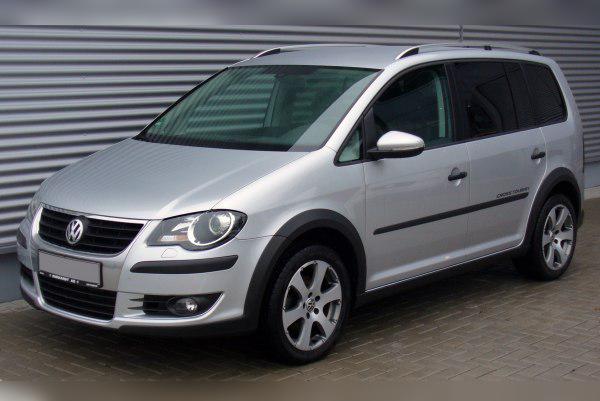
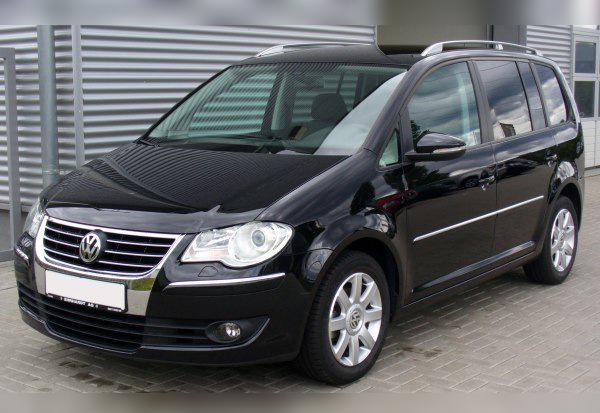
VW 1.4 TSI (CAVC) 140 HP – Experiences, Problems, Fuel Consumption and Used Car Buying Guide
Key points (TL;DR)
- Technology: This is a "Twincharger" engine (Turbo + Supercharger), which gives it excellent performance but also complex maintenance.
- Biggest drawback: The timing chain is prone to stretching, and pistons to cracking due to poor fuel quality or thermal stress.
- Gearbox: Often paired with the DSG 7 (DQ200) dry-clutch gearbox, which is known for mechatronic failures.
- Oil consumption: Pronounced on higher-mileage examples, often due to piston rings.
- Driving: Extremely fun and flexible engine, not "lazy" at all, even in the heavy Touran.
- Recommendation: Buy only with full service history and a proper cold-start check. Not for drivers who want to save on maintenance.
Contents
Introduction and Applications
The engine code CAVC belongs to Volkswagen’s EA111 engine family and represents one of the most technically ambitious projects of that era. It is a 1.4 TSI engine that uses twincharging: a mechanical supercharger for low revs and a turbocharger for higher revs. The goal was to eliminate turbo lag and provide the power of a 2.0 naturally aspirated engine with lower fuel consumption.
This engine was primarily installed in the Volkswagen Touran I (facelift) and Cross Touran, vehicles that are heavy and aerodynamically demanding. Although on paper it looks like a perfect solution, in practice the complexity of this system carries certain risks that every owner must be aware of.
Technical Specifications
| Parameter | Data |
|---|---|
| Engine code | CAVC (EA111 family) |
| Displacement | 1390 cc (1.4 L) |
| Power | 103 kW (140 HP) at 5600 rpm |
| Torque | 220 Nm at 1500–4000 rpm |
| Injection system | Direct injection (FSI/TSI) |
| Charging | Twincharger (Supercharger + Turbo) |
| Fuel | Petrol (Recommended 98/100 RON, min 95) |
Reliability and Maintenance
Timing belt or chain?
The CAVC engine uses a timing chain. Unfortunately, this is one of the weakest points of this engine. The factory chain was prone to stretching even at relatively low mileage (sometimes below 100,000 km). The problem is often in the hydraulic tensioner, which does not hold pressure at startup, allowing the chain to rattle or even jump a tooth, which leads to catastrophic engine failure (piston-to-valve contact).
Most common failures
Besides the chain, the most serious problem with the CAVC engine is piston cracking (ring land failure). Due to high boost pressure and direct injection, detonation (LSPI) can occur, which breaks the rings or the pistons themselves. Symptoms are loss of compression on one cylinder, drastic oil consumption and smoke from the exhaust.
There is also a frequent issue with the magnetic clutch on the water pump. This clutch engages and disengages the mechanical supercharger. When it fails, you can hear a squealing noise and the car loses low-end power.
Service intervals
The major service on chain-driven engines is not strictly defined by mileage as with belts, but for this model a preventive replacement of the chain, guides and tensioner is recommended between 100,000 and 120,000 km, or as soon as you hear a metallic noise on cold start (rattling longer than 3 seconds).
Oil: Capacity and consumption
The engine takes approximately 3.6 liters of oil. Only fully synthetic 5W-30 oil that meets the VW 504.00 specification is recommended.
Oil consumption: These engines are known to consume oil. VW states that up to 0.5 l/1000 km is "within normal limits", but in practice a healthy engine should not consume more than 0.5 to 1 liter per 10,000 km. If it uses a liter per 1000 km, the engine is most likely due for a rebuild (rings/pistons).
Spark plugs
Due to direct injection and high combustion temperatures, the spark plugs are heavily stressed. Replacement is recommended every 30,000 to 40,000 km, even though the factory sometimes states 60,000 km. Use only high-quality NGK or Bosch plugs specified for TSI engines to reduce the risk of detonation.
Specific Parts and Costs
Dual-mass flywheel
Yes, this engine has a dual-mass flywheel, regardless of whether it is paired with a manual or DSG gearbox. Its role is to dampen engine vibrations. Replacement is expensive (depends on the market), and symptoms include knocking when switching the engine off and vibrations at idle.
Injection system
It uses high-pressure direct injection. The injectors are generally durable, but the problem is carbon buildup on the intake valves. Since the fuel does not wash the valves (it is injected directly into the cylinder), carbon deposits accumulate and gradually choke the engine, reducing power and increasing fuel consumption. Cleaning is done mechanically (walnut shell blasting) at around 100,000 km.
Turbo and Supercharger
The engine has two chargers.
1. Mechanical supercharger (Roots type): Operates from idle up to about 2400 rpm. It is robust, but its engagement depends on the magnetic clutch on the water pump, which often fails.
2. Turbocharger (KKK): Takes over at higher revs. The turbo has typical durability, but is sensitive to poor-quality oil and shutting the engine off when it is very hot.
EGR and DPF
This petrol engine does not have a DPF filter. It does have an EGR valve that recirculates exhaust gases. The EGR can get clogged with soot, which leads to the "Check Engine" light and rough idle.
AdBlue
This engine does not have an AdBlue system. That is reserved for newer diesel engines.
Fuel Consumption and Performance
Real-world fuel consumption
Although it is a 1.4 engine, it powers a heavy Touran (MPV).
City driving: Expect between 8.5 and 10.5 l/100 km. With a heavy right foot, it easily goes over 11 liters.
Highway / country roads: With moderate driving (80–90 km/h) it can go down to about 6–6.5 l/100 km.
Is the engine "lazy"?
Absolutely not. Thanks to the supercharger that provides torque right from take-off, and the turbo that continues the job, this engine has 220 Nm available from just 1500 rpm. On the road it behaves like a much larger naturally aspirated engine (e.g. 2.0 or 2.4). Overtaking is safe even with a fully loaded car.
Motorway driving
On the motorway it is very refined. At 130 km/h in sixth gear (or seventh with the DSG), the engine spins at around 2800–3000 rpm (depending on the gearbox). Engine noise is minimal; wind noise dominates.
Additional Options and Modifications
LPG conversion
This engine is not an ideal candidate for LPG, but installation is possible. Since it has direct injection, it requires a specific and expensive system (Direct Injection Kit). Such a system uses a mixture of petrol and LPG (usually 10–15% petrol to cool the injectors) or uses liquid-phase LPG. The cost-effectiveness is questionable unless you drive very high annual mileage.
Chiptuning (Stage 1)
The engine can be remapped to around 170–180 HP. However, this is NOT RECOMMENDED for this specific engine code (CAVC). Due to the already mentioned issues with piston cracking and chain stretching, additional boost and higher temperatures only accelerate failure. It is better to leave it at stock settings for longevity.
Gearbox
Variants
With the CAVC engine in the Touran there are two options:
1. 6-speed manual gearbox.
2. 7-speed DSG automatic gearbox (code DQ200).
Failures and Maintenance
Manual gearbox: Very reliable. The only major expense is the clutch kit and dual-mass flywheel. It is advisable to change the gearbox oil at around 100,000 km, even though VW claims it is "lifetime".
DSG (DQ200): This is a gearbox with a dry clutch. It is known to be problematic.
Failures: The most common failures are of the mechatronic unit (control unit) and the clutch pack (the friction plates wear out faster than in wet-clutch DSG gearboxes, especially in stop-and-go city driving). Symptoms include jerking when setting off, delayed shifting or loss of odd/even gears.
Maintenance: Although it is a "dry" gearbox, it has oil in the gear section and hydraulic fluid in the mechatronic unit. Experts recommend checking and replacing the mechatronic fluid every 60,000 km to prolong the life of the solenoids.
Buying Used and Conclusion
Buying a Touran with the 1.4 TSI (CAVC) engine is a double-edged sword. On one hand you get fantastic performance and smoothness, and on the other a potential "bomb" for your wallet.
What must you check?
- Cold start: Insist on starting the car when the engine is completely cold. Listen for chain rattle lasting longer than 2–3 seconds.
- Exhaust smoke: Bluish smoke when revving or after idling indicates oil consumption (rings or turbo).
- Idle quality: The engine should idle smoothly. Shaking can indicate a compression problem (cracked piston) or dirty valves/injectors.
- Water pump: Check for coolant leaks and listen for whining from the supercharger’s magnetic clutch.
Conclusion: This engine is intended for drivers who want petrol-engine performance in a family package and are prepared to pay for premium maintenance. If you are looking for "fill up and drive" reliability with minimal expenses, this engine is not for you (better look for a 1.9 TDI or a 1.6 naturally aspirated petrol, although the latter is underpowered for the Touran). If you decide to buy, look for a car where the chain has already been replaced and where there is proof of regular servicing.
Was this content useful to you?
Your opinion helps us to improve the quality of the content.