EA288MAR / DNAC Engine
- Engine
- 1968 cm3
- Aspiration
- Turbocharger, Intercooler
- Fuel
- Diesel
- Fuel injection system
- Diesel Commonrail
- Power
- 90 hp
- Torque
- 220 Nm
- Cylinders
- 4
- Valves
- 16, 4 per cylinder
- Cylinders position
- Inline
- Valvetrain
- DOHC
- Oil capacity
- 7.4 l
- Systems
- Start & Stop System, Particulate filter
# Vehicles powered by this engine
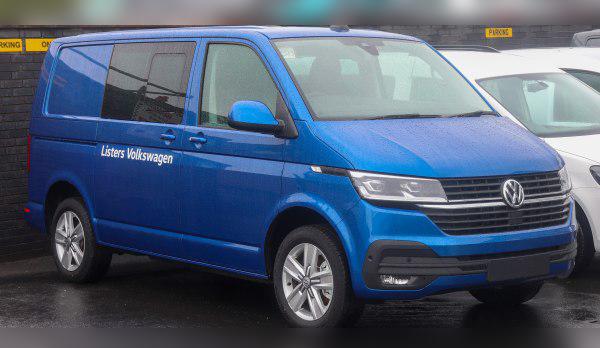
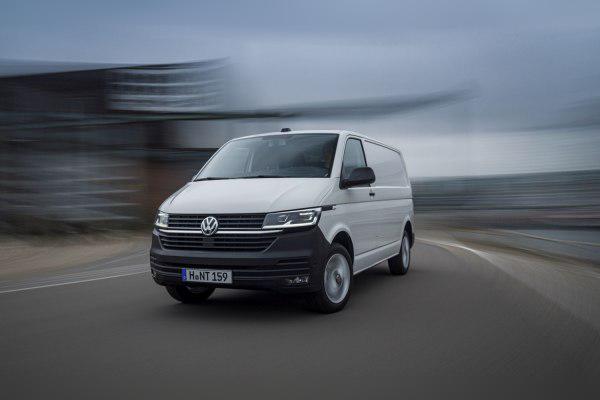
VW 2.0 TDI (DNAC) 90 HP – Experiences, problems, fuel consumption and used van buying guide
The Volkswagen Transporter T6.1 with the entry-level 90 HP engine (code DNAC) is the basic workhorse version of one of the most popular vans in the world. Although it shares the same base (EA288 evo) with much more powerful variants, this engine is specific because of its software “detuning”.
Key points in short (TL;DR)
- Durability: Since the engine is mechanically identical to the more powerful versions and runs with lower component stress, the engine base is extremely long-lasting.
- Power: 90 HP and 220 Nm is too little for serious load or highway driving. This engine is strictly for city deliveries or transporting light tools.
- Emissions: It has a complex AdBlue system (Twin Dosing), which is a common cause of warning lights on the instrument cluster.
- Potential: An ideal candidate for chip tuning, since a simple software change can safely provide significantly more power.
- Maintenance: Standard for the VW group – parts are available everywhere, but genuine parts and specific sensors are not cheap.
- Gearbox: Usually comes with a 5-speed manual gearbox that requires frequent gear changes in city driving.
Contents
- Technical specifications
- Reliability and maintenance
- Specific parts and costs
- Fuel consumption and performance
- Additional options and modifications
- Gearbox and drivetrain
- Buying used and conclusion
Technical specifications
| Feature | Data |
|---|---|
| Engine code | DNAC (EA288 evo family) |
| Displacement | 1968 cc (2.0 litres) |
| Power | 66 kW / 90 HP |
| Torque | 220 Nm at 1250–2500 rpm |
| Fuel type | Diesel |
| Injection | Common Rail (direct injection) |
| Charging | Variable geometry turbocharger (VGT) + intercooler |
| Emissions standard | Euro 6d-TEMP / Euro 6d (depending on model year) |
Reliability and maintenance
The DNAC engine belongs to the modern EA288 evo generation. This means that VW has corrected many of the issues of older 2.0 TDI engines, but has added new layers of complexity due to emissions regulations.
Timing belt or chain?
This engine uses a timing belt to drive the camshafts. This is good news because modern VW belts are quieter and more reliable than the old chains. Still, pay attention to the water pump, which is driven by the belt.
Most common failures
Although mechanically robust, the peripherals can cause problems:
- Water pump: A common issue on newer TDI engines is the variable “cup” on the water pump that regulates coolant flow for faster warm-up. It can get stuck, leading to engine overheating. The symptom is the temperature jumping above 90°C under load.
- Exhaust gas temperature sensors and NOx sensors: Due to strict Euro 6 standards, this engine is “decorated” with sensors. Failure of a single sensor often puts the engine into safe mode (reduced power).
- Coolant leaks: Sometimes occur at the thermostat housing or EGR cooler.
Service intervals and oil
Major service: The factory recommendation is often an optimistic 210,000 km for timing belt replacement. However, real-world practice and mechanics’ experience suggest doing this much earlier, ideally between 150,000 km and 160,000 km or every 5–7 years, whichever comes first. A snapped belt leads to catastrophic engine damage.
Engine oil: This engine takes between 5.5 and 6.0 litres of oil (depending on the exact sump and filter version). You must use 0W-30 or 5W-30 oil that meets the strict VW 507.00 specification (Low SAPS due to the DPF). Using oil without this spec will permanently damage the DPF filter.
Oil consumption
EA288 engines are much better than the old “Pumpe-Düse” units when it comes to oil consumption. Between two services (10–15 thousand km), it is normal to consume 0.3 to 0.8 litres of oil, especially if the van is driven fully loaded or at high speeds on the motorway. Anything over 1 litre per 10,000 km requires inspection (often the turbo or piston rings are to blame).
Injectors
Common Rail injectors are used (usually Bosch or Continental solenoid type on lower-powered versions). They have proven to be very durable and often exceed 250,000 km without issues, provided quality fuel is used and the fuel filter is changed regularly. Symptoms of bad injectors include rough idle (“knocking”), smoke, or hard starting.
Specific parts (costs)
Dual-mass flywheel
Yes, the Transporter T6.1, even in this weakest 90 HP version, usually comes with a dual-mass flywheel. Its role is to reduce diesel engine vibrations and make driving more comfortable. Since the engine is weak and drivers often “lug” it at low revs to extract power, the flywheel is under stress. Replacing the clutch kit together with the flywheel is expensive (price depends on the market).
Turbocharger
The engine has a single variable geometry turbocharger. Its lifespan is long (200,000+ km) if you follow the rule of letting the turbo cool down after driving and change the oil regularly. Whistling or a sudden loss of power are signs of failure.
DPF and EGR
This is the Achilles’ heel of all modern diesels in city driving. The EGR valve tends to clog with soot if the van is driven “gently” or only in town. The DPF filter requires regular regenerations. If you use the Transporter only in stop‑and‑go traffic, the DPF will clog quickly, requiring expensive cleaning or replacement. Occasional driving on open roads at higher revs is recommended.
AdBlue (SCR system)
Yes, the T6.1 uses AdBlue and the advanced “Twin Dosing” system (dual dosing) to meet Euro 6d standards. This significantly complicates maintenance. Problems include:
- Heater failure in the AdBlue tank (in winter).
- Urea crystallisation on the injection nozzle.
- Software faults that prevent the vehicle from starting if the system thinks there is no fluid.
Maintenance involves topping up only quality AdBlue and occasionally using additives that prevent crystallisation.
Fuel consumption and performance
Real-world fuel consumption
- City driving: Expect between 8.0 and 9.5 l/100 km. Although the engine is small, the body is heavy (over 2 tonnes with load), so the engine works under high load.
- Open road (up to 90 km/h): This is where it is most economical, with consumption dropping to 6.0–7.0 l/100 km.
- Motorway (130 km/h): Consumption rises sharply to 9.0–10.5 l/100 km due to high air resistance and high revs (lack of a 6th gear).
Is the engine “sluggish”?
Yes, very. With 90 HP and 220 Nm, this is the absolute minimum to move a Transporter. In an empty vehicle around town it is bearable. However, a loaded van on an incline or when overtaking requires a lot of patience and careful planning. It takes “forever” to get from 0 to 100 km/h (often over 16–17 seconds). If you plan to tow a trailer, avoid this engine.
Motorway driving
Cruising at 130 km/h is possible, but unpleasant. The engine will be spinning at high revs (often close to 3000 rpm due to the 5-speed gearbox), which creates cabin noise and increases fuel consumption. The ideal cruising speed for this engine is around 100–110 km/h.
Additional options and modifications
Chip tuning (Stage 1)
This is one of the best things about this engine. Since the 90 HP version is almost hardware-identical to the 110 HP versions and even shares many components with more powerful variants, the potential for chip tuning is huge.
With a safe Stage 1 remap, power can be raised to 130–140 HP, and torque to over 320 Nm. This drastically changes the character of the vehicle, reduces fuel consumption (because the engine struggles less) and makes driving much safer. This is probably the most cost‑effective investment for DNAC engine owners.
Gearbox
Types of gearboxes
With the 90 HP engine in the T6.1 model, you almost exclusively get a 5-speed manual gearbox. Automatic DSG gearboxes are usually reserved for more powerful versions (110 HP and up).
Failures and maintenance
Manual gearboxes (often from the MQ250 series) are robust, but on heavy vehicles like the Transporter they are under high load.
- Gearbox oil: Although VW often claims the oil is “lifetime fill”, it is recommended to change it every 100,000–120,000 km to preserve the synchros and bearings.
- Failures: The most common issues are related to the gear selection mechanism (stretched cables) or bearings in the gearbox itself, which start to whine at high mileage.
- Clutch replacement: As mentioned, the clutch kit is replaced together with the dual‑mass flywheel, which is a significant expense.
Buying used and conclusion
When buying a used Transporter T6.1 with this engine, pay attention to:
- Engine noise: Listen to it running cold. Rattling may indicate a worn flywheel or hydraulic lifters.
- Diagnostics (VCDS): Be sure to check the DPF filter status (ash load) and injector corrections. Also check for any faults related to the AdBlue system or NOx sensors.
- Signs of leaks: Remove the plastic engine cover and look for traces of coolant around the water pump and oil filter housing.
Conclusion
The VW 2.0 TDI (90 HP) in the Transporter T6.1 is a rational choice only for a specific purpose. If you need a van for city deliveries, transporting tradesmen to local job sites, or as a base for a camper that won’t be hammering down the motorway, this is a durable and reliable unit. Its biggest weakness (power) is easily solved with software, and the mechanicals are ready to cover hundreds of thousands of kilometres with regular maintenance.
However, if you plan to overload it, do long motorway trips or tow a trailer with the engine in stock form – avoid this version and look for a model with at least 110 HP or 150 HP.
Was this content useful to you?
Your opinion helps us to improve the quality of the content.