EA211 evo2 Engine
- Engine
- 1498 cm3
- Aspiration
- Turbocharger, Intercooler
- Fuel
- Petrol (Gasoline)
- Fuel injection system
- Direct injection
- Power
- 116 hp @ 3500 rpm
- Torque
- 250 Nm @ 1500-3000 rpm
- Cylinders
- 4
- Valves
- 16, 4 per cylinder
- Cylinders position
- Inline
- Valvetrain
- DOHC
- Oil capacity
- 4 l
- Systems
- Start & Stop System, Particulate filter
# Vehicles powered by this engine
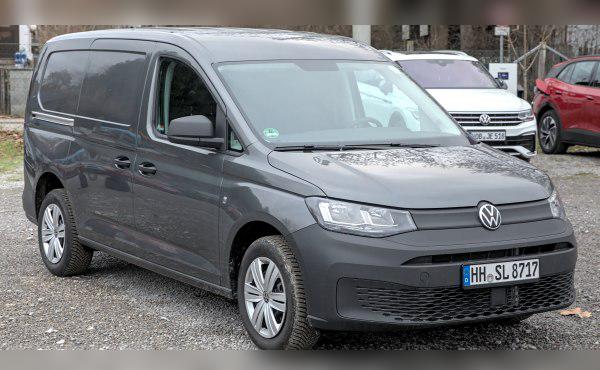
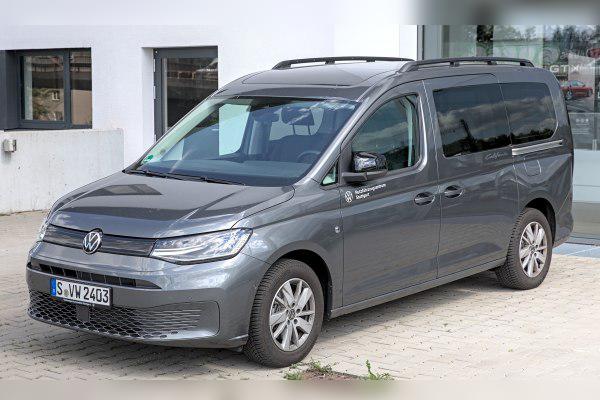
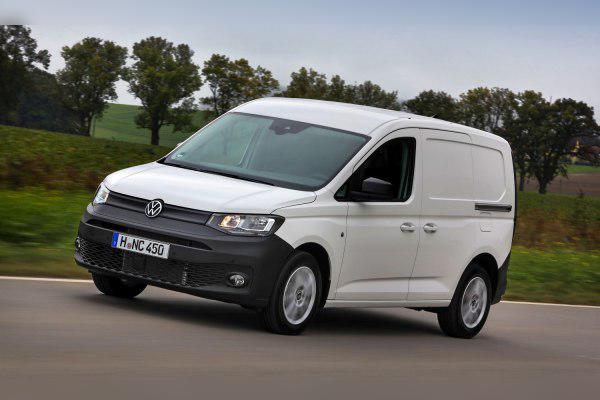
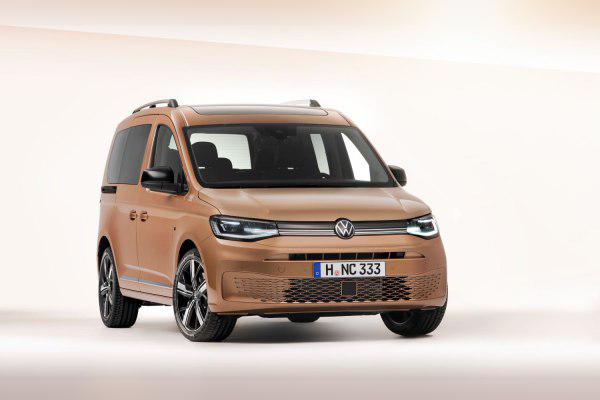
1.5 TSI EA211 evo2 (116 hp/150 hp eHybrid) – Experiences, issues, fuel consumption and maintenance
1. Key points in short (TL;DR)
- Timing belt: This engine uses a timing belt, not a chain. That’s good news because it’s quieter and more reliable than the old TSI chains.
- System complexity: As an "evo2" version in the eHybrid variant, this is a very advanced setup (VTG turbo, ACTplus cylinder deactivation, hybrid module). Maintenance requires expertise.
- Oil consumption: Modern 0W-20 standards can lead to mild oil consumption, but overall it’s not as problematic as older generations, provided you don’t push it hard when cold.
- GPF/OPF filter: All these engines have a gasoline particulate filter. It is sensitive to short city trips if the engine never reaches operating temperature.
- Power and weight: 116 hp (from the petrol unit) is borderline for a heavy Caddy, but in the eHybrid version the electric motor fills in the power "gaps", making driving pleasant.
- Recommendation: Ideal for those who combine city driving (on electricity) and open road, but it requires strict maintenance of both the DSG gearbox and the engine.
Contents
- Introduction and engine application
- Technical specifications
- Reliability, Major service and Oil
- Specific components: Turbo, Injectors, Dual-mass flywheel
- Fuel consumption, performance and payload
- Gearbox (DSG) and drivetrain
- Tuning and LPG
- Conclusion and buying tips
Introduction and engine application
The 1.5 TSI EA211 evo2 engine represents the latest generation of Volkswagen turbo petrol units, designed to meet strict Euro 6d and Euro 7 standards. In the version we’re discussing, it serves as the heart of the eHybrid powertrain in models such as the VW Caddy V. The "evo2" designation brings key improvements over its predecessor: moving the catalytic converter and GPF filter closer to the engine for better efficiency, as well as an improved cylinder deactivation system (ACTplus).
Although the petrol engine itself produces 116 hp (85 kW), in eHybrid models it works in tandem with an electric motor, which often results in a total system output of around 150 hp (depending on the specific map and market). This is crucial to understand, because the 116 hp petrol engine on its own would struggle with the heavy Caddy Maxi body, but with electric assistance, the story is different.
Technical specifications
| Feature | Data |
|---|---|
| Displacement | 1498 cc (1.5 litres) |
| Power (ICE engine) | 85 kW (116 hp) @ 5000-6000 rpm |
| Torque (ICE) | 220 - 250 Nm (depends on map) @ 1500-3500 rpm |
| System output (eHybrid) | Up to 110 kW (150 hp) – combined |
| Engine code | DXDB and related evo2 codes (VIN check required) |
| Injection type | Direct injection (TSI), up to 350 bar |
| Forced induction | VTG turbocharger + intercooler |
| Valve timing drive | Timing belt |
Reliability, Major service and Oil
When it comes to the reliability of the EA211 evo2 engine, the good news is that Volkswagen has learned from past mistakes. This engine uses a timing belt, not the chain that was problematic on the old 1.2 and 1.4 TSI engines (EA111 series). The belt is reinforced and designed for long life.
Major service and maintenance
Official timing belt replacement intervals on this engine are often stated as "lifetime" or 210,000 km in some regions, which from an experienced mechanic’s point of view is overly optimistic. Recommendation: Do the major service (replacement of belt, tensioner, water pump) at a maximum of 160,000 to 180,000 km or every 8 to 10 years. A snapped belt leads to catastrophic engine damage, so preventive replacement is cheaper than a full rebuild.
Oil consumption and specification
This engine uses very low-viscosity oil to reduce friction and fuel consumption. The recommended grade is usually 0W-20 (VW standard 508.00 / 509.00). The oil capacity is typically around 4.3 litres (check the exact manual because hybrid setups can have specifics).
Does it burn oil? Newer-generation TSI engines are much better in this regard. Still, consumption of 0.2 to 0.4 litres per 10,000 km is considered completely normal. If you drive aggressively or often cruise at high speeds on the motorway, consumption can increase slightly. If the engine uses more than 0.5 litres per 1,000 km, this points to an issue with piston rings or the turbocharger.
Spark plugs and common faults
Spark plugs on this engine are replaced every 60,000 km or 4 years. Do not postpone this replacement because a bad spark plug can damage the coil (one per cylinder) or the catalytic converter.
Most common issues:
- Carbon buildup: As with any direct-injection engine, intake valves tend to get dirty. Symptoms are rough idle and loss of power. It is resolved by mechanical cleaning (walnut shell blasting) at higher mileage (over 150,000 km).
- Electronics and sensors: Due to the complexity of the hybrid system and the pressure/temperature sensors around the GPF, you may see warning lights on the dash that require diagnostics rather than necessarily mechanical repair.
- ACTplus system: The system that shuts down two cylinders under low load has been improved, but it can still cause mild vibrations that some drivers notice. Failures of the actuator itself are rare but expensive.
Specific components: Turbo, Injectors, Dual-mass flywheel
Turbocharger and injection
A major novelty on the 1.5 TSI evo2 engine (even in the 116 hp version) is the use of a VTG turbocharger (variable turbine geometry), a technology previously reserved mainly for diesels and Porsche models. This provides excellent throttle response, but the VTG turbo is more sensitive to soot and high temperatures. With regular oil changes, its lifespan is over 200,000 km, but overhauls are expensive (very expensive, depending on the market).
Injectors: The system operates at pressures up to 350 bar. The injectors are precise and generally durable, but extremely sensitive to poor fuel quality. Injector failure manifests as engine misfire and an illuminated "Check Engine" light.
Dual-mass flywheel and clutch
Yes, this engine has a dual-mass flywheel. Paired with a DSG gearbox, a dual-mass flywheel is required for comfort and to protect the gearbox from vibrations. Its lifespan in hybrid models can be longer because the electric motor absorbs part of the shock when setting off, but expect replacement somewhere around 150,000 - 200,000 km. The cost of replacing the set (flywheel + clutches) is high (expensive).
Emissions: GPF and AdBlue
This engine DOES NOT have an AdBlue system (that’s for diesels), but it does have a GPF (Gasoline Particulate Filter). It is located right behind the engine. If you drive the Caddy only in the city in hybrid mode, the petrol engine rarely starts and does not reach operating temperature. This can lead to condensation and GPF clogging. The recommendation is to occasionally (once a month) drive a longer trip on petrol so the system can "clear itself out".
Fuel consumption, performance and payload
The question "is it sluggish" is crucial for the Caddy Maxi. The 116 hp petrol unit with 220-250 Nm on its own would be too weak for a fully loaded Caddy (especially the Maxi version). However, the eHybrid system drastically changes the picture. The electric motor adds torque instantly when setting off (so-called "torque fill"), so the car feels livelier than the numbers on paper suggest.
Fuel consumption:
- City (full battery): 0 l/100 km of petrol + electricity.
- City (empty battery – hybrid mode): Expect around 5.5 - 7.5 l/100 km. Regenerative braking recovers energy, which lowers consumption in stop-and-go traffic.
- Motorway (130 km/h): Here the hybrid system helps less. Consumption ranges from 7.0 to 9.0 l/100 km, depending on aerodynamics (the Caddy is a "brick") and load.
At 130 km/h, in top gear (usually 6th or 7th on the DSG), the engine spins at around 2300-2600 rpm, which is easy on the ears, but wind noise in the Caddy is dominant.
Gearbox (DSG) and drivetrain
The 1.5 TSI EA211 evo2 eHybrid models come exclusively with a DSG automatic gearbox (Direct Shift Gearbox). In hybrid versions, this is usually the DQ400e (6-speed, wet clutch with integrated electric motor) or its newer evolution.
Gearbox maintenance: This is a critical point. The oil in the DSG gearbox must be changed every 60,000 km. Skipping this service will almost certainly lead to mechatronic failure or clutch slip. Mechatronic failure is one of the most expensive faults on these vehicles (very expensive).
Symptoms of gearbox issues include: jerking when setting off, hesitation when changing gears, delay when engaging "D" or "R".
Tuning and LPG
LPG: Installing LPG on the 1.5 TSI evo2 is possible but economically questionable. This is a direct-injection engine, which requires either a system that uses a mixture of petrol and LPG (reducing savings) or an expensive liquid LPG injection system (LPdi). Given that this is already a hybrid with low consumption, LPG installation is hard to justify financially, and you also lose cargo space to the tank.
Chip tuning (Stage 1): The engine can be remapped. The 116 hp version is often a software-limited variant of a more powerful engine, so you can safely get around 150 hp through remapping. However, for eHybrid models this is not recommended. Increasing the petrol engine’s power can disrupt the complex cooperation with the electric motor and the DSG gearbox, which are calibrated for specific torque levels. You also lose your warranty instantly.
Conclusion and buying a used one
The VW Caddy with the 1.5 TSI EA211 evo2 eHybrid powertrain is a vehicle that combines two worlds – electric for city deliveries and petrol for longer routes. It is aimed at businesses and families who want to avoid diesel restrictions and have access to charging.
What to check before buying?
- DSG service history: If there is no proof of gearbox oil changes at 60k km intervals, walk away.
- Battery condition: Check the electric-only range. Battery degradation is possible.
- Noise at startup: Listen to a cold start. Any rattling or metallic noise may indicate issues with actuators or hydraulic lifters, even though the chain is not an issue here.
- Roundabout test: Enter a roundabout and floor it on exit. If the car jerks or hesitates, this may indicate problems with the gearbox mechatronics or the dual-mass flywheel.
Was this content useful to you?
Your opinion helps us to improve the quality of the content.