DNFC Engine
- Engine
- 1984 cm3
- Aspiration
- Turbocharger, Intercooler
- Fuel
- Petrol (Gasoline)
- Fuel injection system
- Direct injection
- Power
- 300 hp
- Torque
- 400 Nm
- Cylinders
- 4
- Valves
- 16, 4 per cylinder
- Cylinders position
- Inline
- Valvetrain
- DOHC
- Oil capacity
- 5.7 l
- Coolant
- 10 l
- Systems
- Start & Stop System, Particulate filter
# Vehicles powered by this engine

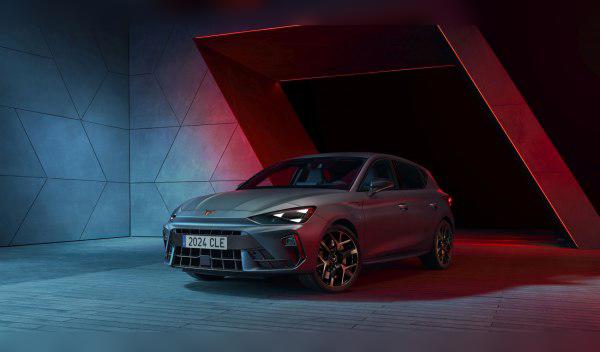
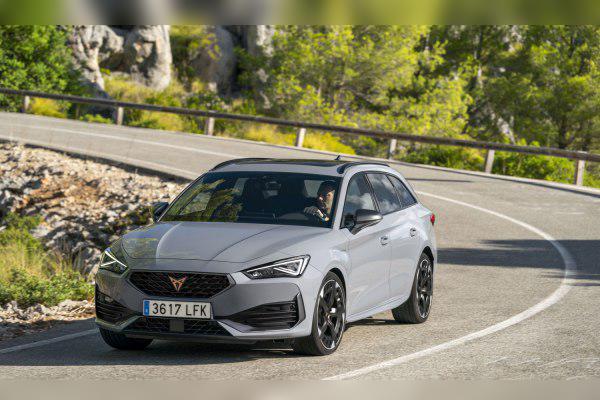
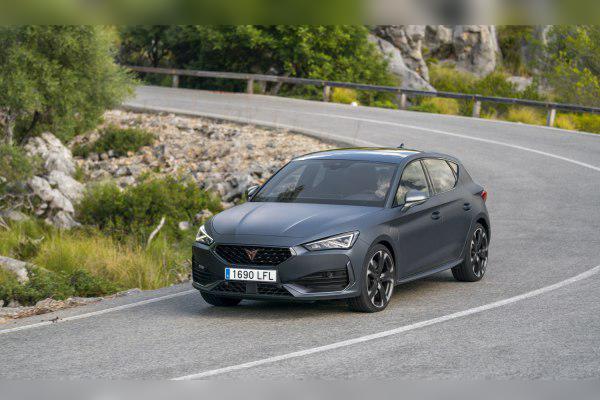
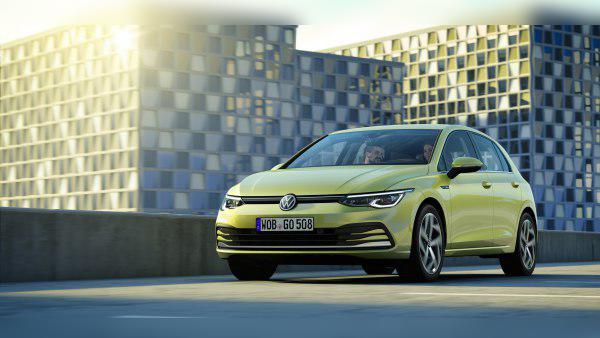
2.0 TSI DNFC (300 HP): Experiences, Problems, Fuel Consumption and Buying Used
If you’re looking for the heart of a modern hot hatch from the VAG group, there’s a good chance you’re looking right at the DNFC engine. This is the fourth generation (Gen 4) of the famous EA888 engine series, which powers the latest performance models such as the VW Golf 8 GTI Clubsport and various Cupra variants. It’s a technological gem that offers explosive performance, but it also comes with specific maintenance requirements you must not ignore.
Key points in short (TL;DR)
- Performance: Extremely potent engine with 300 HP and 400 Nm, delivers linear acceleration and a large power reserve.
- Timing drive: Uses a chain. On this generation it is reliable, but requires high-quality oil.
- Oil consumption: Significantly improved compared to older generations, but it can still consume oil if driven aggressively.
- Sensitive points: Thermostat and water pump (housing), GPF filter (if driven only in the city) and sensor electronics.
- Gearbox: Comes exclusively with a DSG automatic. Regular gearbox oil changes are critical for longevity.
- Recommendation: An excellent choice for enthusiasts, but it requires meticulous maintenance and more expensive parts.
Contents
- Technical specifications
- Reliability and Maintenance
- Specific Parts and Costs
- Fuel Consumption and Performance
- Additional Options and Modifications
- Gearbox and Transmission
- Buying Used and Conclusion
Technical specifications
This engine belongs to the EA888 Evo4 family. It was designed to meet strict Euro 6d standards while retaining a sporty character.
| Parameter | Value |
|---|---|
| Engine code | DNFC |
| Displacement | 1984 cc (2.0 L) |
| Power | 221 kW (300 HP) |
| Torque | 400 Nm |
| Fuel type | Petrol (Recommended 98/100 octane) |
| Injection system | Direct injection (FSI/TSI) – up to 350 bar |
| Induction | Turbocharger (Continental) + Intercooler |
| Number of cylinders / valves | 4 / 16 |
Reliability and Maintenance
The EA888 Gen 4 (DNFC) is an engine that has corrected many of the mistakes of its predecessors, but high power and emissions regulations bring new challenges.
Does this engine have a timing belt or chain?
The DNFC engine uses a timing chain for valve timing. Unlike the notorious earlier generations (Gen 2), the chain on Gen 4 engines is significantly reinforced and more reliable. There is no fixed replacement interval, but it is recommended to check its condition (stretch) via diagnostics or by listening around 150,000 km. If you hear rattling on cold start that lasts longer than 2–3 seconds, that’s a sign you should visit a workshop immediately.
What are the most common failures on this engine?
Although mechanically robust, the peripherals can cause issues:
- Thermostat module and water pump: This is a classic weak point. The housing is plastic and due to heat cycles it deforms and starts leaking coolant. The symptom is a dropping coolant level without visible puddles under the car (because the fluid evaporates on the hot block).
- Fuel pressure sensors and GPF sensors: Due to the complex exhaust gas system, sensors can send incorrect information, which leads to the "Check Engine" light coming on and the car entering limp mode (safety mode with reduced power).
- PCV valve (oil separator): If it fails, the engine may start consuming oil or creating vacuum/pressure in the crankcase, which manifests as a whistling sound or unstable idle.
Service intervals and oil
Minor service: The manufacturer often specifies "Long Life" intervals of 30,000 km, which is disastrous for an engine with this level of power. Every experienced mechanic will recommend changing the oil at a maximum of 10,000 to 15,000 km or once a year.
Oil quantity and type: The engine takes approximately 5.7 litres of oil. For DNFC engines the most common specification is VW 508.00 / 509.00, which implies a 0W-20 grade. This is an extremely "thin" oil to reduce friction and fuel consumption. Some enthusiasts switch to 0W-30 or 5W-30 (with the correct approvals) for better protection at high temperatures, but do this only after consulting a specialist, as it can affect the GPF filter.
Oil consumption: Modern TSI engines consume less oil than before, but on DNFC engines, consumption of about 0.5 litres per 5,000 km can be considered acceptable if the car is driven aggressively. If it consumes more than a litre per 2–3 thousand km, this points to a problem with the piston rings, turbo or PCV valve.
Spark plugs
The factory interval is often 60,000 km. However, on a 300 HP engine, the spark plugs are under heavy thermal load. It’s recommended to replace them every 30,000 to 40,000 km. Use only high-quality iridium spark plugs (NGK or OEM).
Specific Parts (Costs)
Dual-mass flywheel and clutch
Yes, this engine is paired with a dual-mass flywheel. Since the DNFC comes exclusively with a DSG gearbox, the flywheel is under less stress than with manual gearboxes (because the electronics smooth out shocks). Still, at high mileage (over 150–200k km) or after remapping, the flywheel can fail. Symptoms are metallic knocking sounds at idle that disappear when you rev the engine. Replacement cost is high (depends on the market).
Injection system and turbo
The injection system operates at extremely high pressure (up to 350 bar). The injectors are generally reliable, but very sensitive to poor fuel quality. An injector failure can lead to a cylinder being "washed" with petrol and catastrophic engine damage. It’s recommended to occasionally use fuel system cleaning additives.
The engine has a single turbocharger (Continental). It is very efficient and responds quickly. Its service life is long (often over 200,000 km) if you follow the rules: don’t push a cold engine hard and let it idle for a minute before shutting it off after fast driving.
Emissions systems (GPF, EGR, AdBlue)
This is a petrol engine, so it does not have an AdBlue system. However, it is equipped with a GPF (Gasoline Particulate Filter), which is the petrol equivalent of a DPF.
- GPF issues: If you drive only short city trips, the GPF can clog because it doesn’t reach the temperature needed for regeneration (soot burn-off). Occasional driving on open roads solves this problem.
- The EGR valve is present (often integrated into the valve control system or as a separate unit), but it is not as problematic as on diesels because petrol produces less soot (apart from soot from direct injection).
Fuel Consumption and Performance
Is the engine "lazy"?
Absolutely not. With 300 HP and 400 Nm available from low revs, the DNFC makes models like the Cupra Leon or Ateca extremely agile. The engine pulls hard in any gear. Even a heavier body like the Ateca (SUV) behaves like a sports car with this engine. The feeling of acceleration is linear, but brutal when you floor the throttle.
Real-world fuel consumption
- City driving: No illusions here. Expect consumption between 10 and 13 l/100 km. In heavy traffic and stop-and-go conditions, it can easily go up to 14–15 litres.
- Country roads: If you drive moderately (80–90 km/h), consumption can drop to a surprising 6.5–7.5 l/100 km.
- Motorway: At 130 km/h in 7th gear, the engine runs at relatively low revs (around 2000–2200 rpm), and consumption is around 8.0–9.0 l/100 km.
Additional Options and Modifications
LPG conversion
This is an engine with direct injection. LPG conversion is possible, but requires sophisticated systems (liquid phase or systems that use a mixture of petrol and gas to cool the injectors). The cost of such a system is very high (often over 1000 EUR), and given the engine’s complexity and the car’s purpose (performance), LPG conversion is not recommended nor cost-effective unless you cover extremely high mileage.
Tuning (Chip tuning)
The DNFC is a favourite among tuners. The potential is huge:
- Stage 1 (software only): Power can be safely raised to about 340–360 HP and 450–470 Nm. The engine can handle this without mechanical changes, provided it is regularly maintained.
- However, keep in mind that higher torque puts additional stress on the DSG clutch packs and the turbo.
Gearbox
Which gearbox comes with this engine?
The 300 HP DNFC engine is almost exclusively paired with a DSG dual-clutch automatic gearbox (7-speed). Most commonly it is the DQ381 model, which is a "wet" DSG (the clutches are oil-cooled). Manual gearboxes are rare or non-existent in this power configuration on newer models.
Gearbox maintenance and issues
Gearbox service: The manufacturer sometimes specifies an interval of 120,000 km for the new DQ381 gearboxes, but in practice this is too long. For longevity, change the oil and filter in the DSG every 60,000 km. This is crucial!
Most common failures:
- Mechatronics unit: The brain of the gearbox. Failures are rarer than on older models, but if they occur, repairs are very expensive.
- Clutch pack: Over time the friction plates wear out. If the car jerks when taking off or hesitates when shifting, this is a sign of worn clutches. Replacing the clutch set is costly.
Buying Used and Conclusion
What to check before buying?
- Cold start: Listen to the engine when it is completely cold. Chain rattle? Uneven running? (A slightly louder injector tick is normal for TSI, but metallic knocking is not).
- Coolant leaks: Check the coolant level and look for white traces (dried antifreeze) around the water pump.
- DSG service history: If the car has over 60,000 km and the gearbox oil has not been changed, that’s a major risk.
- Exhaust smoke: Bluish smoke when you press the throttle or after idling indicates oil consumption (turbo or piston rings).
- Exhaust condition: Excessive black soot on the exhaust tips can indicate poor combustion or a GPF problem, although a small amount of soot is normal for direct injection.
Conclusion
The 2.0 TSI DNFC engine is a fantastic piece of engineering that offers serious sports performance in a package that can be driven every day. It is not the cheapest to maintain and requires an owner who understands the needs of a high-revving performance engine.
Who is it for? Drivers who want excitement, rapid overtakes and a smile on their face, and who are willing to accept slightly higher fuel consumption and premium maintenance costs. If you are only looking for basic transport from point A to point B with minimal expenses, this engine is not for you.
Was this content useful to you?
Your opinion helps us to improve the quality of the content.